Explore our high-performance field joint coatings, moisture-curing shields, and heat shrinkable sleeves engineered to survive harsh pipeline environments.
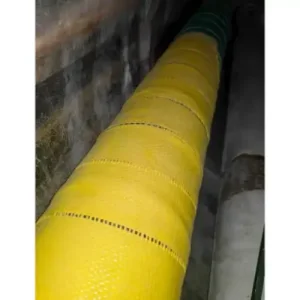
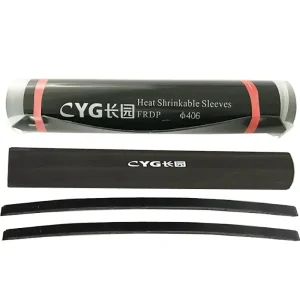
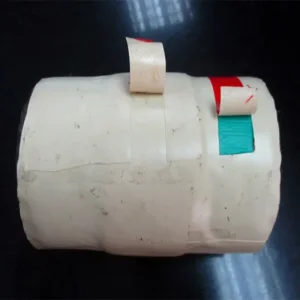
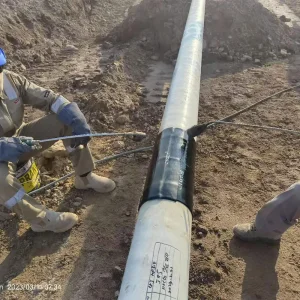
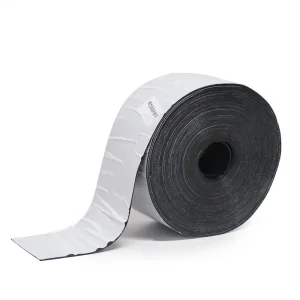
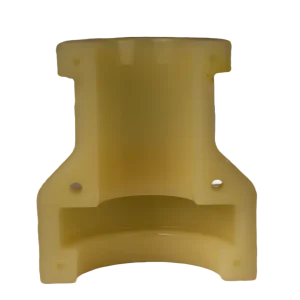
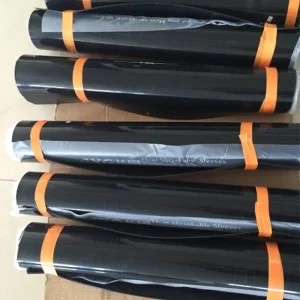
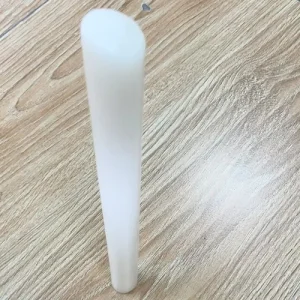
In modern pipeline infrastructure, addressing the threat of degradation is crucial for maintaining systemic performance. The integration of heat shrink sleeves and specialized field joint coatings represents a foundational defense mechanism against environmental hazards, chemical aggression, and mechanical wear. As key components of modern energy, water, and petrochemical supply networks, these materials seal the vulnerable welded areas of pipelines against soil stress, moisture ingress, and cathodic disbondment.
Using radiation-crosslinked polyolefins combined with viscoelastic or hot-melt adhesives, high-performance heat shrink sleeves establish a reliable barrier that tracks the expansions and contractions of steel pipelines. This guide examines the engineering, material parameters, compliance factors, and supply chain dynamics that global procurement agents rely on when sourcing pipeline protection systems from China.
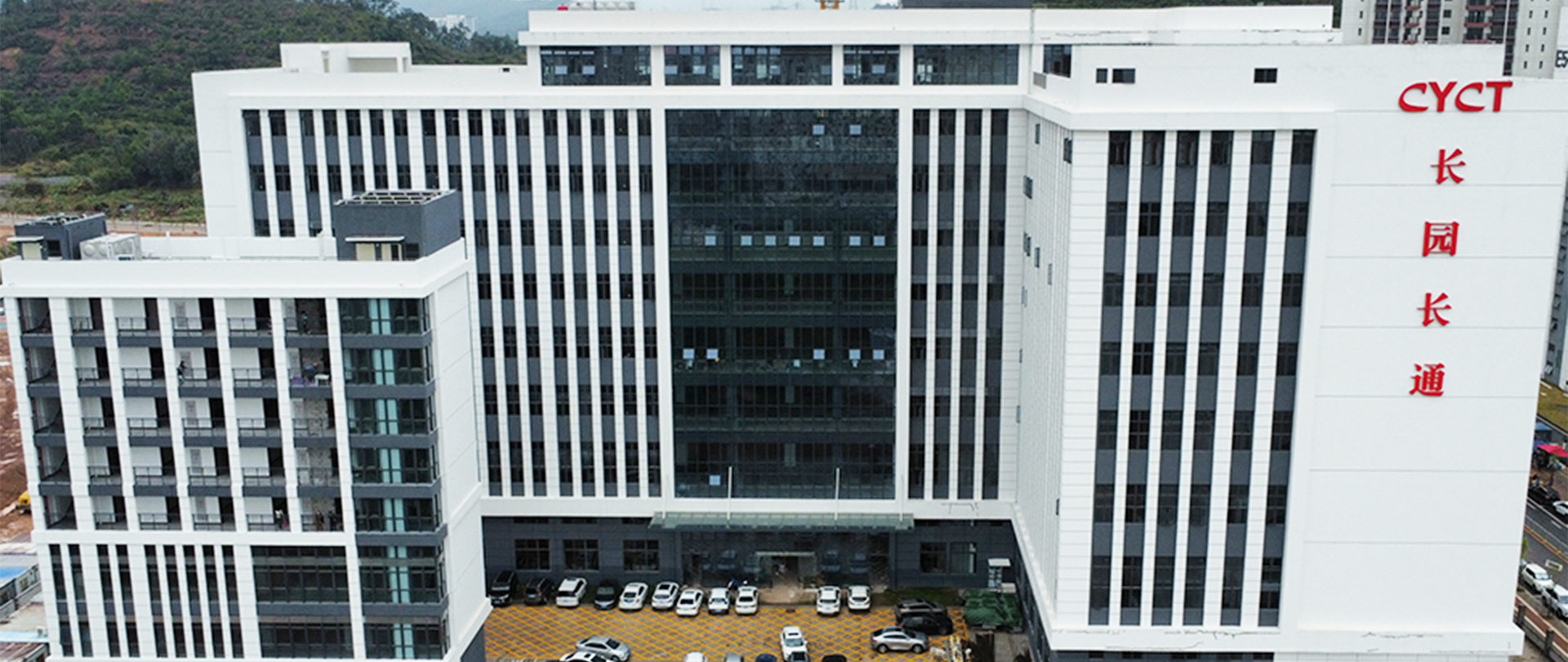
Founded in 2000, CYCT New Materials Company Limited (CYCT) operates as a state-level high-tech enterprise. Our scope spans the R&D, manufacturing, and distribution of premium pipeline corrosion protection materials, along with specialized pipeline inspection services and field coating application support.
For more than two decades, CYCT has developed advanced corrosion prevention systems. We operate as a tier-one supplier to regional energy majors, including PetroChina, Sinopec, and PipeChina, and support key international infrastructure projects such as Indian Oil pipelines. With an in-house, national CNAS-accredited laboratory and direct research partnerships with the CNPC Pipeline Science Research Institute, CYCT delivers field-tested technologies tailored to demanding pipeline conditions.
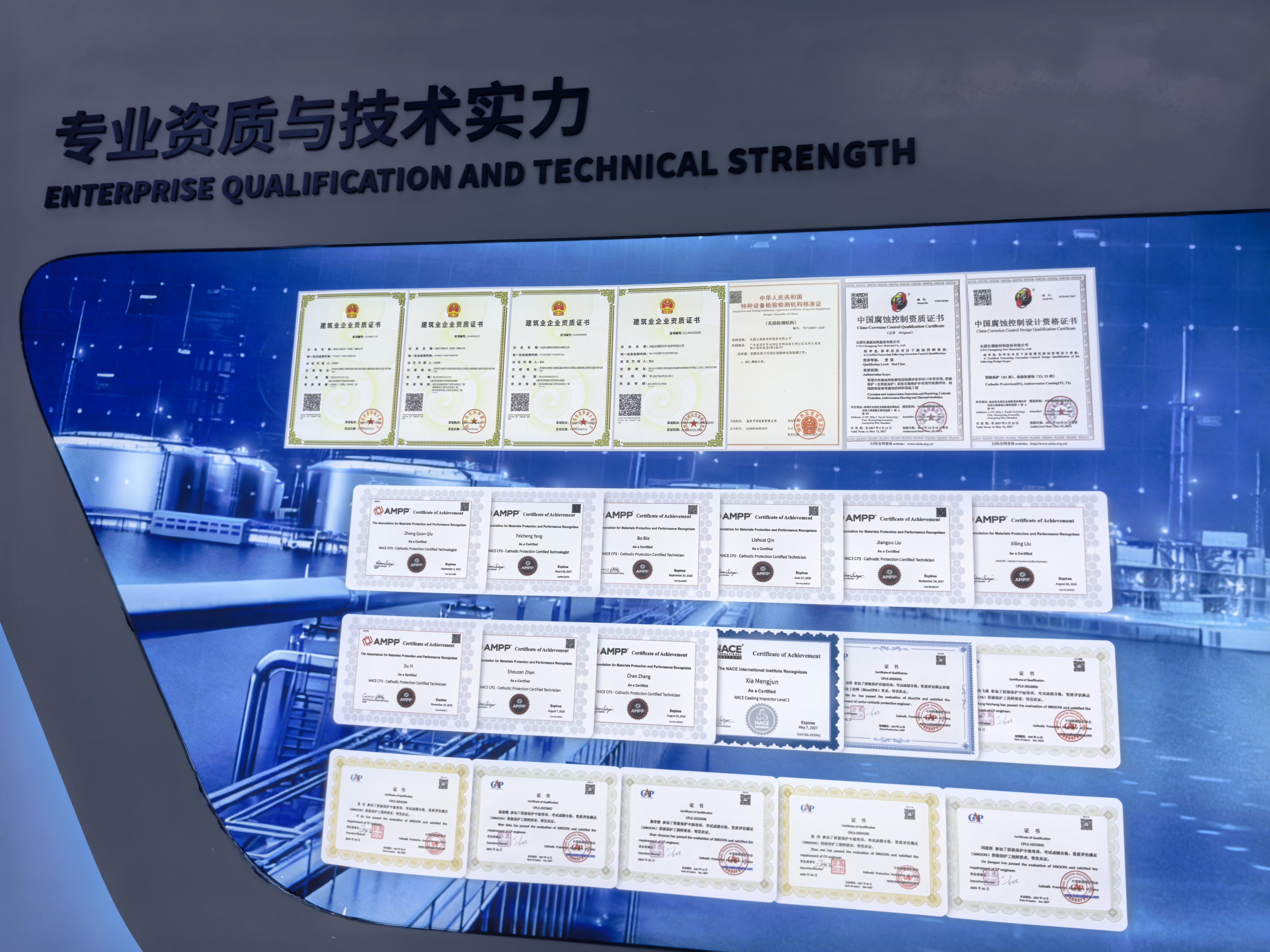
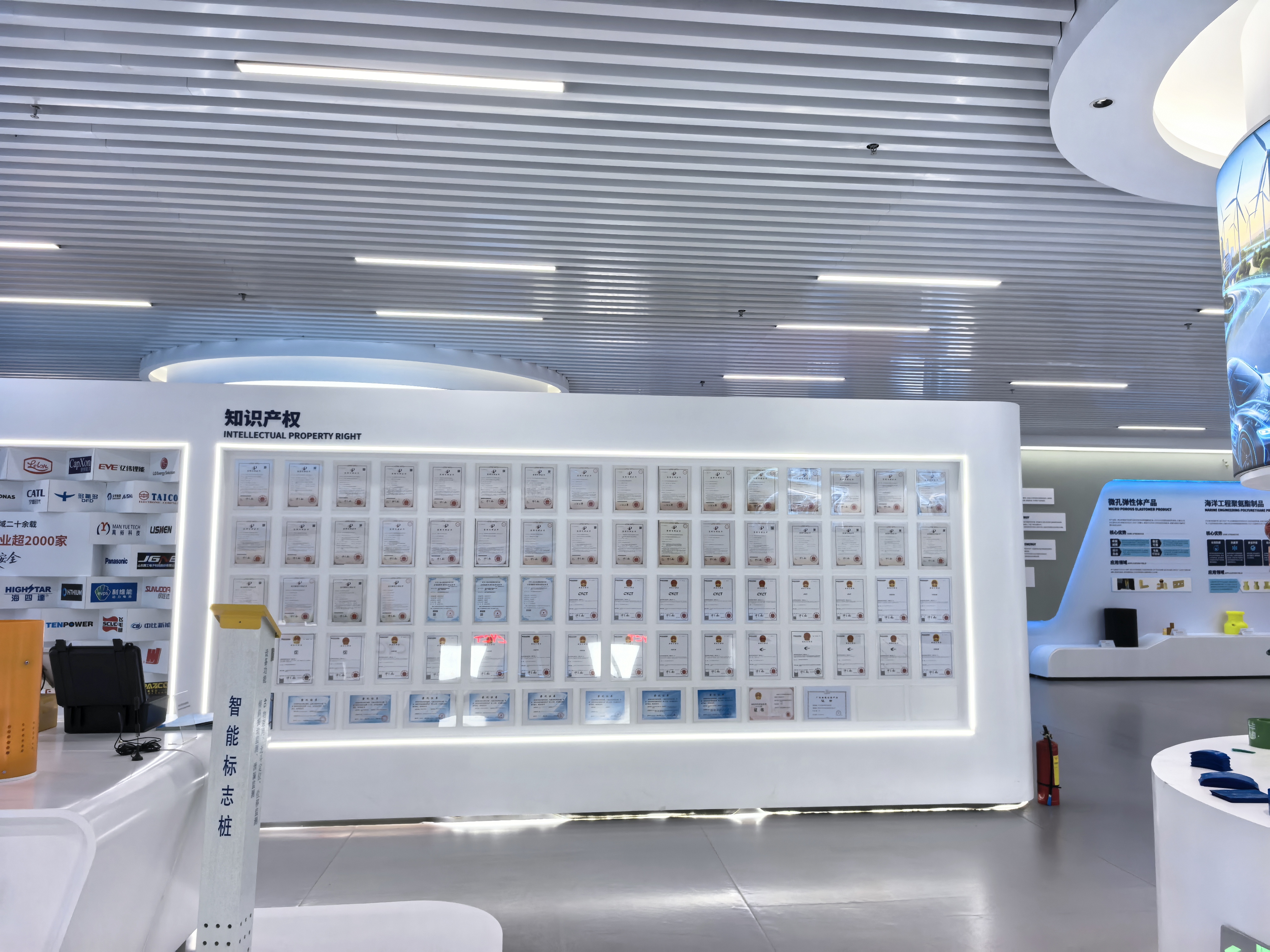
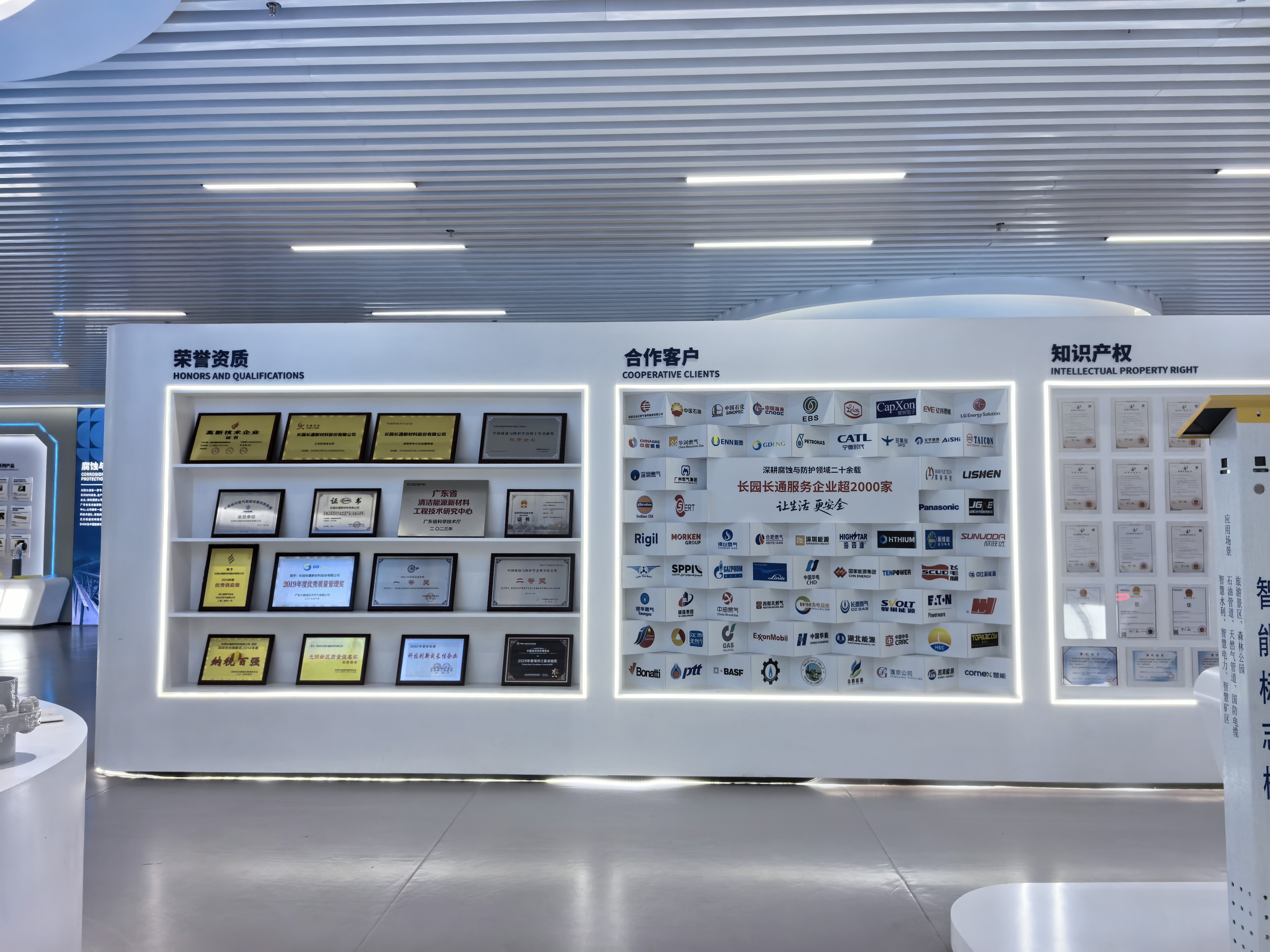
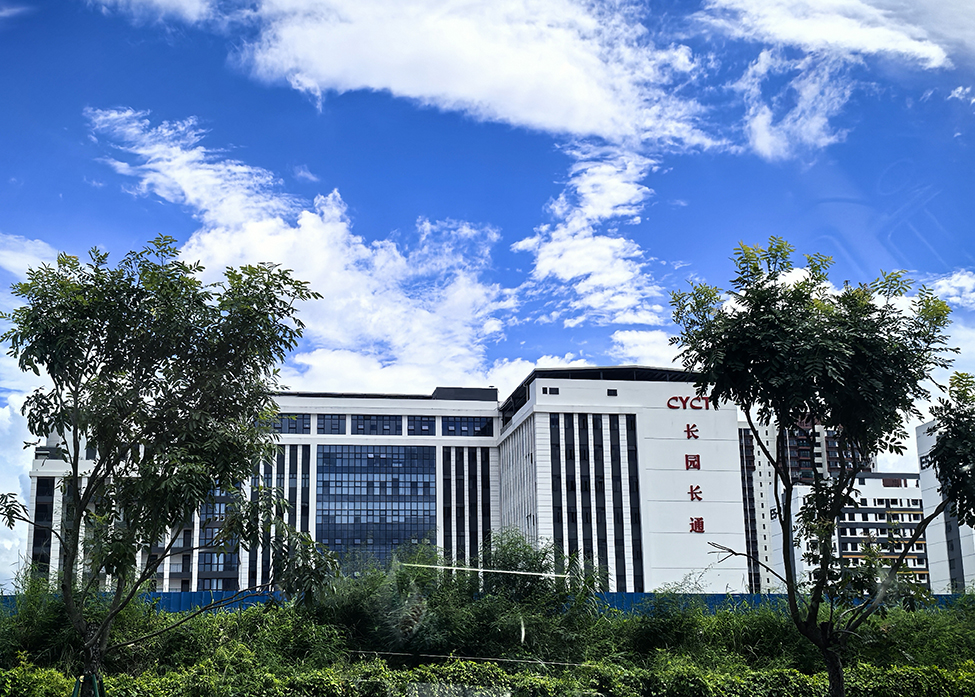
Our operational capabilities include buried pipeline detection, custom anti-corrosion design engineering, cathodic protection analysis, rehabilitation consulting, and turnkey asset safety projects. Beyond standard field joint systems, CYCT manufactures advanced specialty coatings, including visco-elastic products, photo-curing sleeves for Horizontal Directional Drilling (HDD), and polyurea-based protective barriers.
Decades of continuous engineering development backed by solid performance metrics and international laboratory credentials.
Pipeline coatings must withstand high mechanical stresses during installation and decades of chemical exposure underground. To verify product performance, CYCT utilizes a professional testing infrastructure managed by an experienced R&D team within our national CNAS-accredited laboratory.
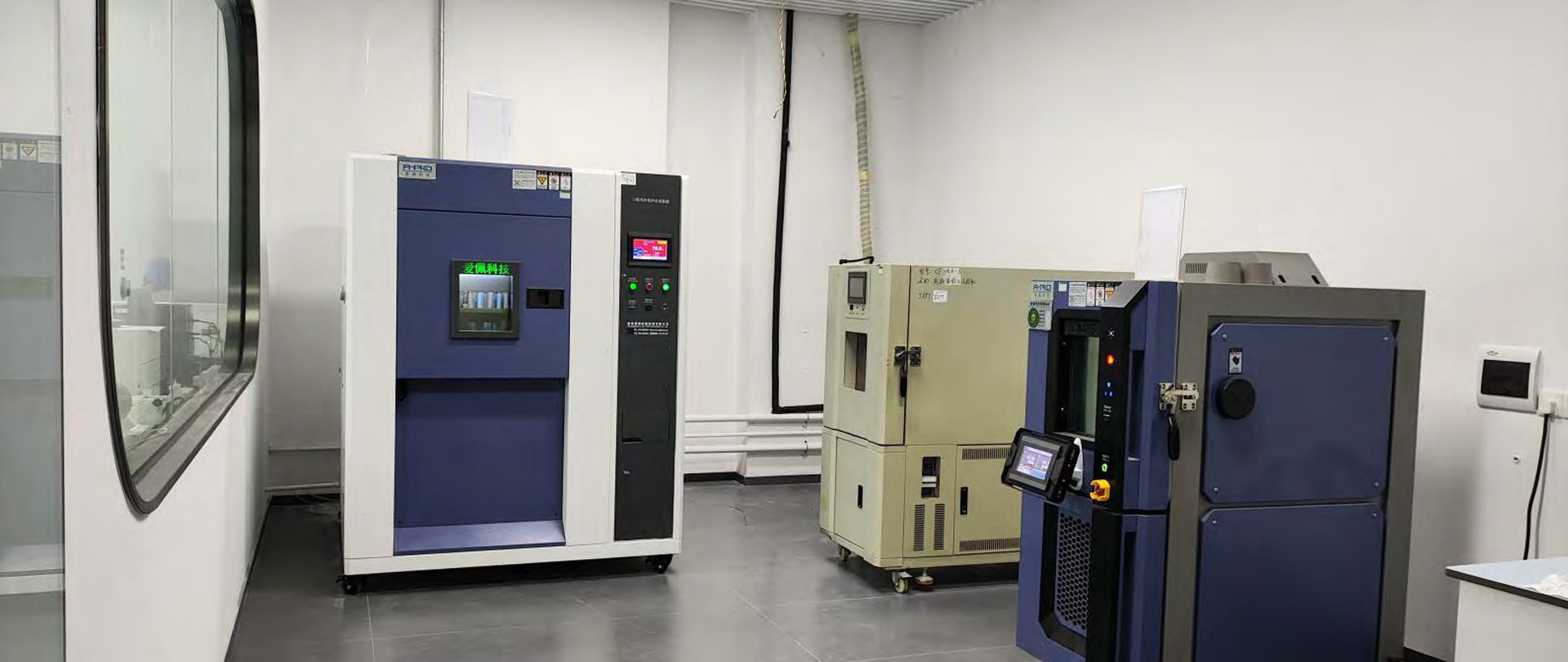
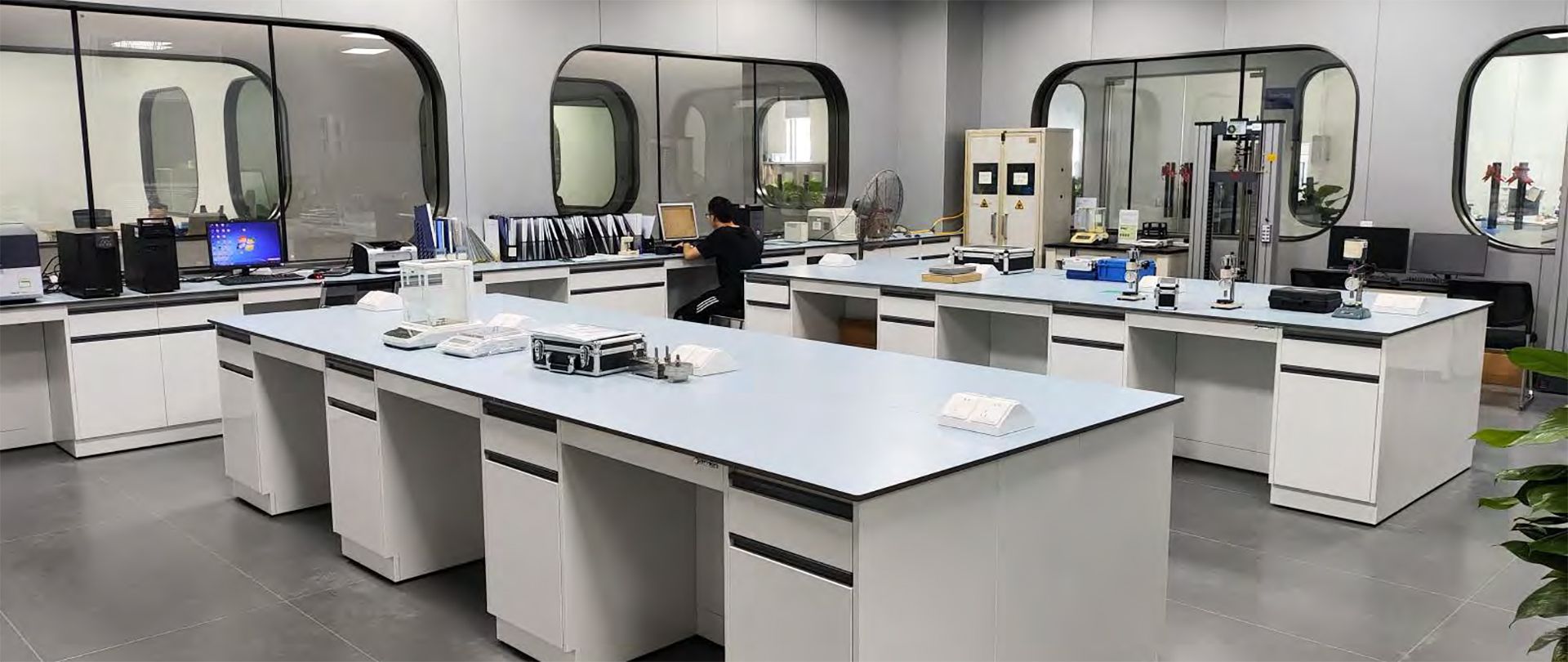
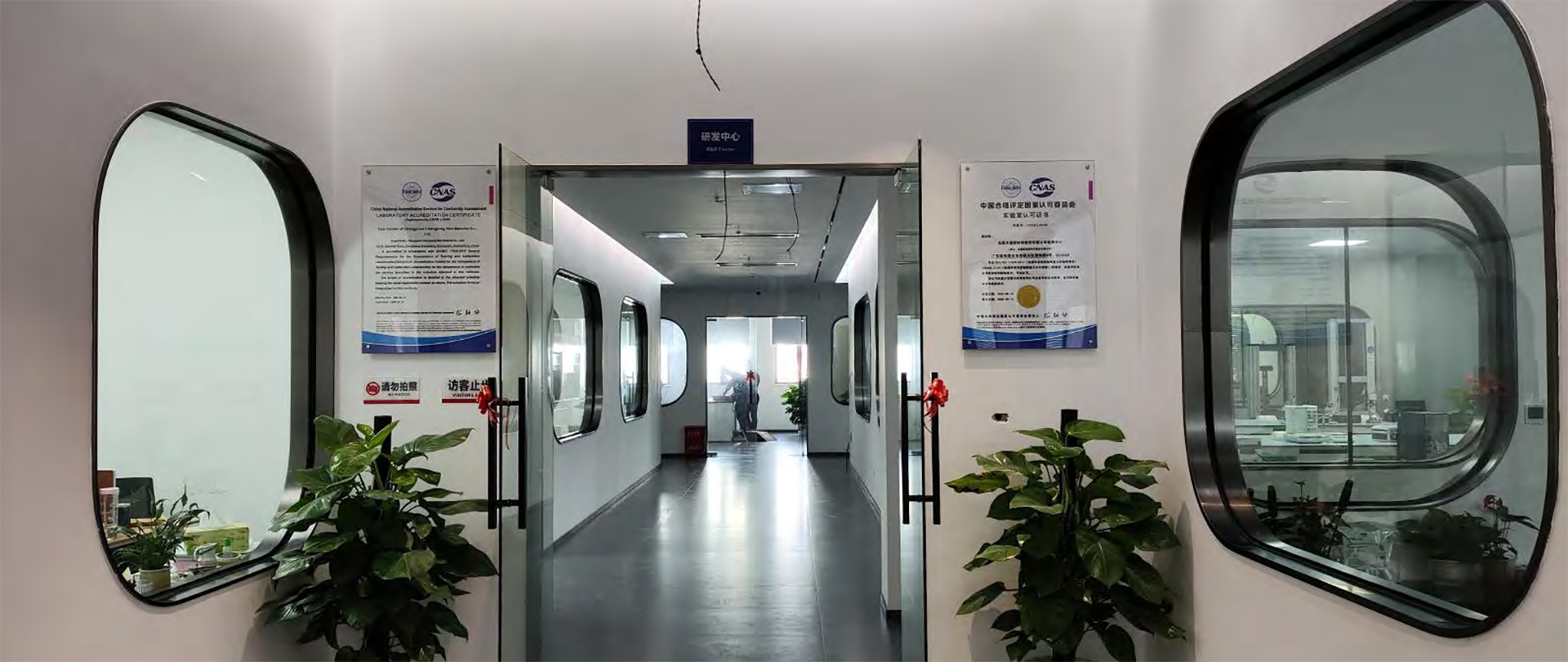
Our testing protocols ensure compliant material parameters before delivery. Key evaluated properties include:
CYCT integrates raw polymer formulation, radiation cross-linking, and adhesive compounding into a single production facility. This vertical integration reduces manufacturing lead times, stabilizes production costs, and ensures consistent quality control for high-volume orders.
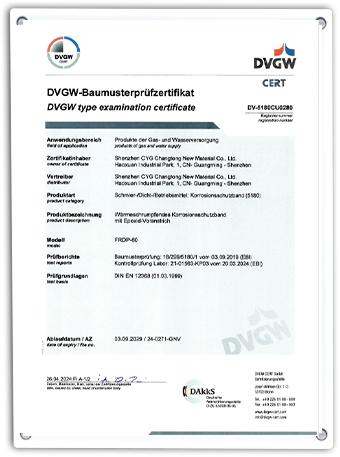
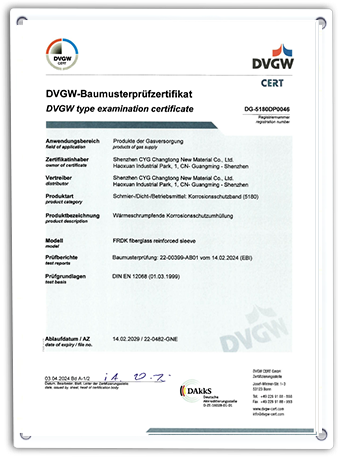
Our coatings comply with major international specifications, including ISO 21809-3, EN 12068, and DVGW standards. These products are engineered to interface directly with existing factory 3LPE, 3LPP, and FBE coatings used worldwide.
With experienced technical field technicians and established logistics networks, CYCT manages transport coordination and on-site application training, helping international operators minimize installation defects.
Pipelines operate across a wide range of climates and environments, from subsea lines to hot desert soils. CYCT designs specialized material families tailored to these specific operational requirements.
| Coating System Family | Substrate Chemistry | Max Operating Temperature | Primary Application Fields | Standard Compliance |
|---|---|---|---|---|
| FRDP-60C Series | PE backing / Mastic Adhesive | Up to 60°C (140°F) | Oil & Water distribution, buried gas mains | EN 12068 Class B/C, ISO 21809-3 |
| High-Temp PP Sleeves | PP backing / Hot-melt Copolymer | Up to 110°C (230°F) | Deep-well extraction pipelines, steam distribution | ISO 21809-3 Type 14, 3LPP repair |
| Viscoelastic Coating | Amorphous Polyolefin elastomer | Up to 80°C (176°F) | Irregular fittings, valves, pipeline repairs | ISO 21809-3 Type 13, cold-applied |
| GRF Offshore Shield | Moisture-curing glass-reinforced fiber | Marine splash zones | Offshore oil platforms, HDD protection | Custom Marine Specs, mechanical shield |
Our protective materials are engineered for direct application in challenging field environments:
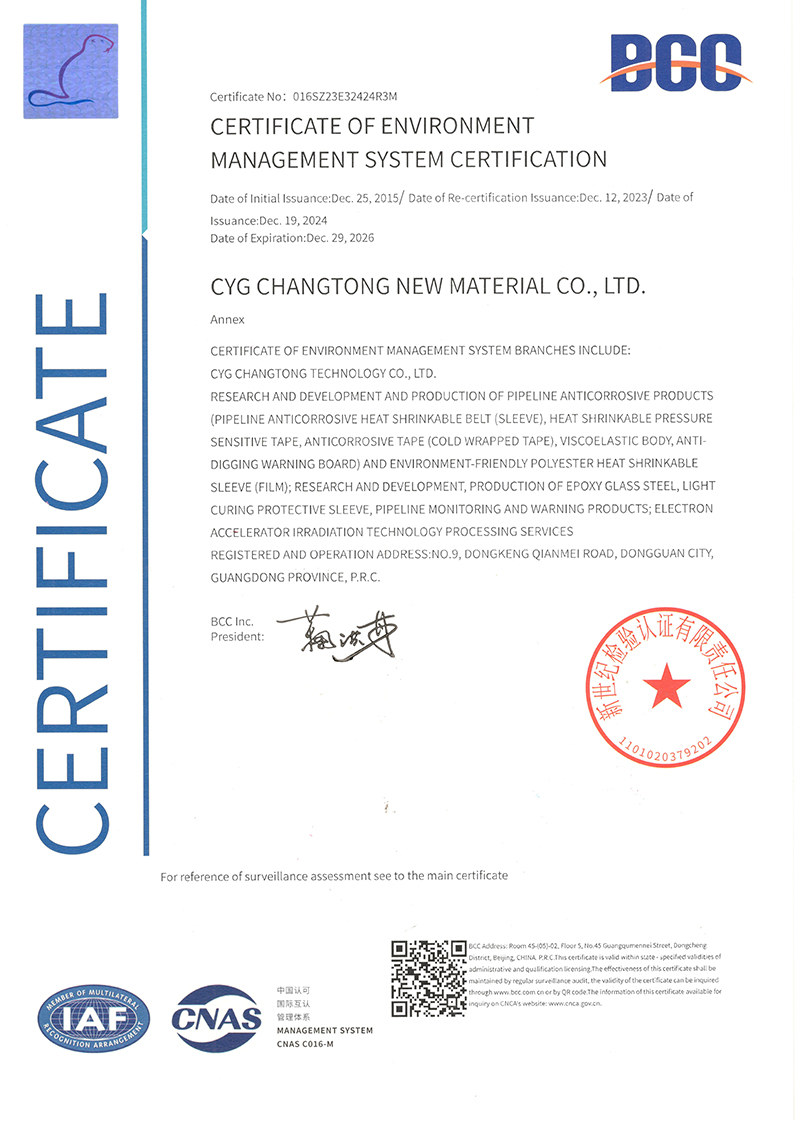
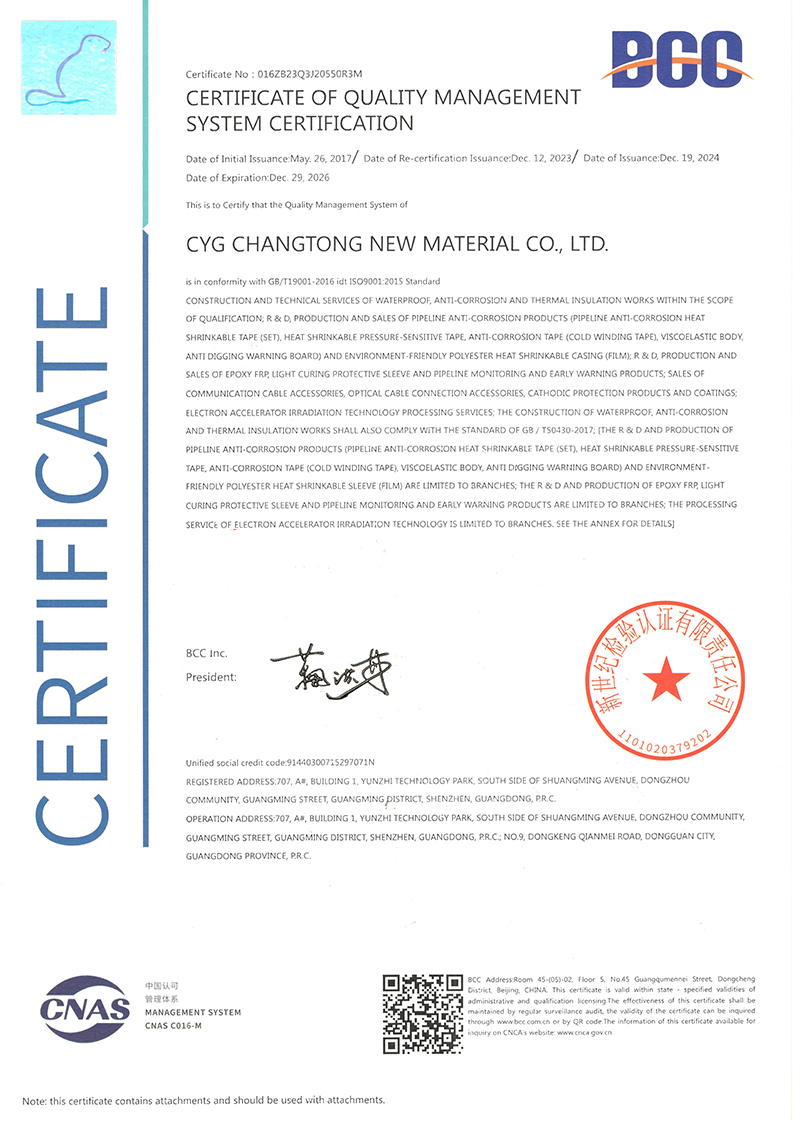
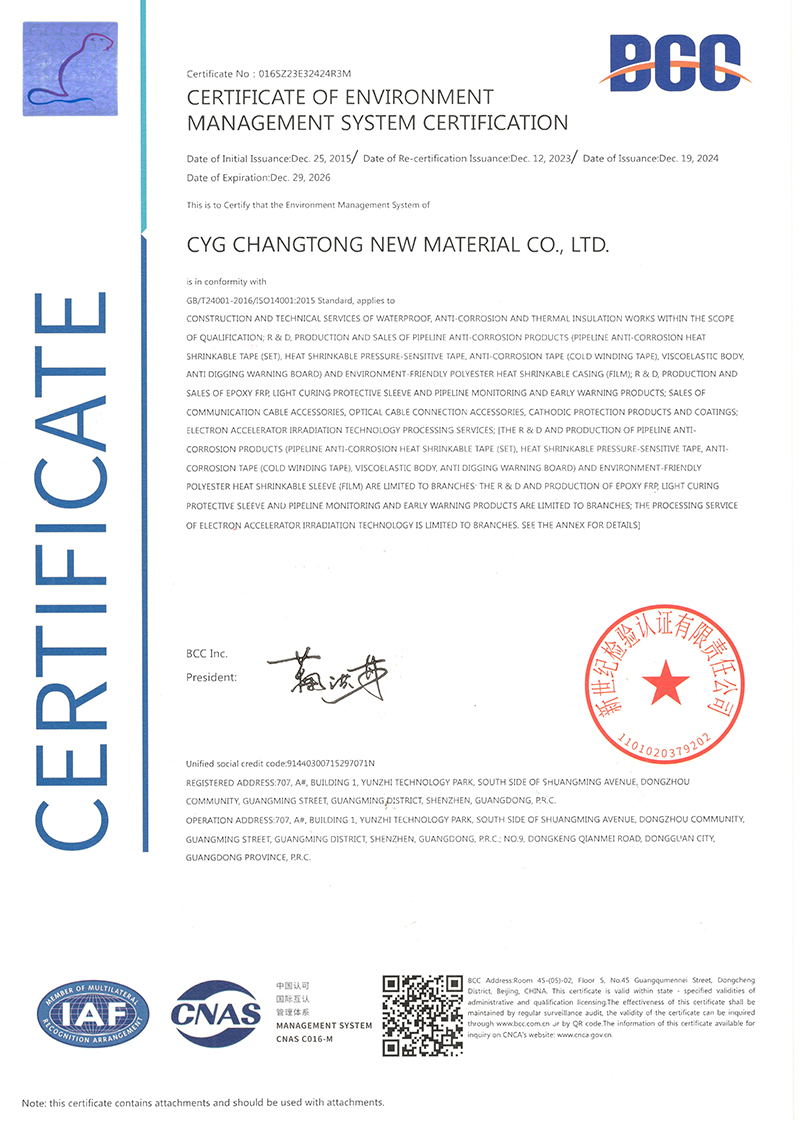
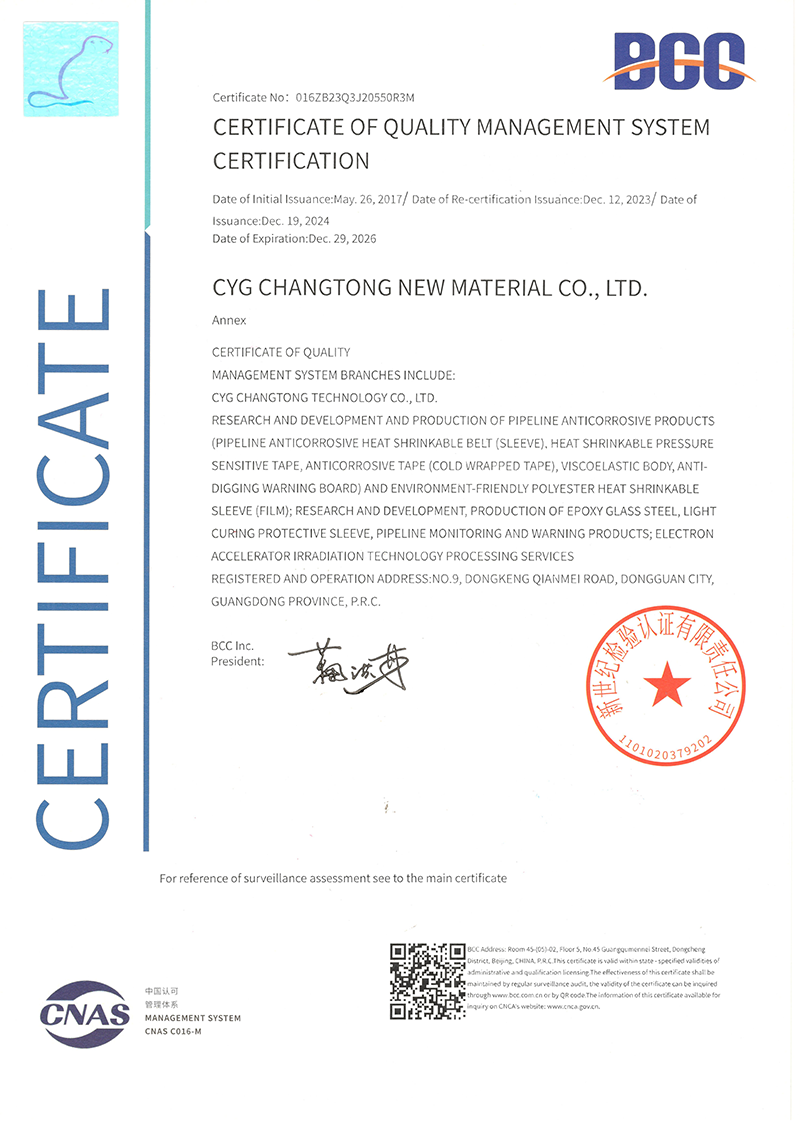
CYCT operates dedicated production lines for heat-shrinkable materials, ensuring consistent formulation, precise extrusion, and uniform electron-beam radiation crosslinking. Our manufacturing site is backed by ISO 9001, ISO 14001, and ISO 45001 certifications.
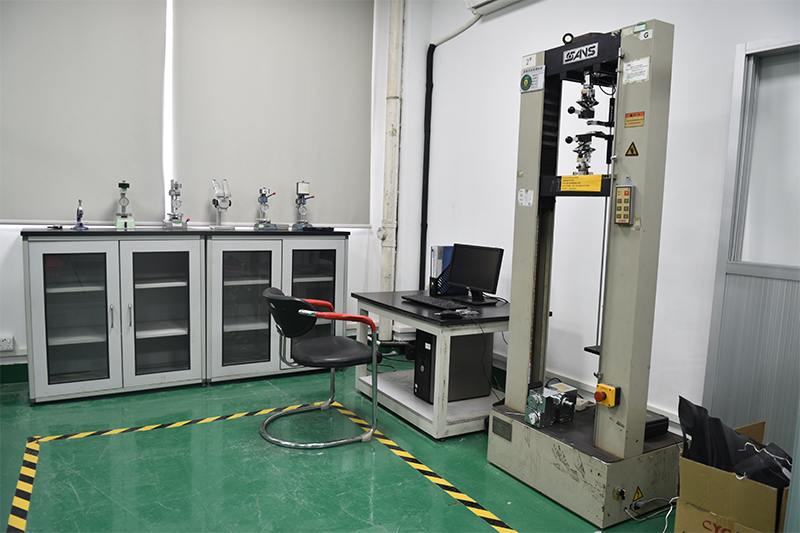
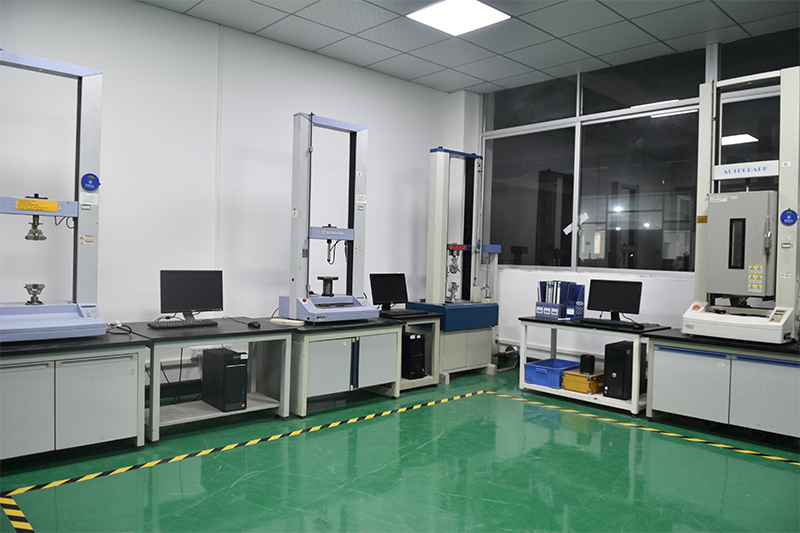
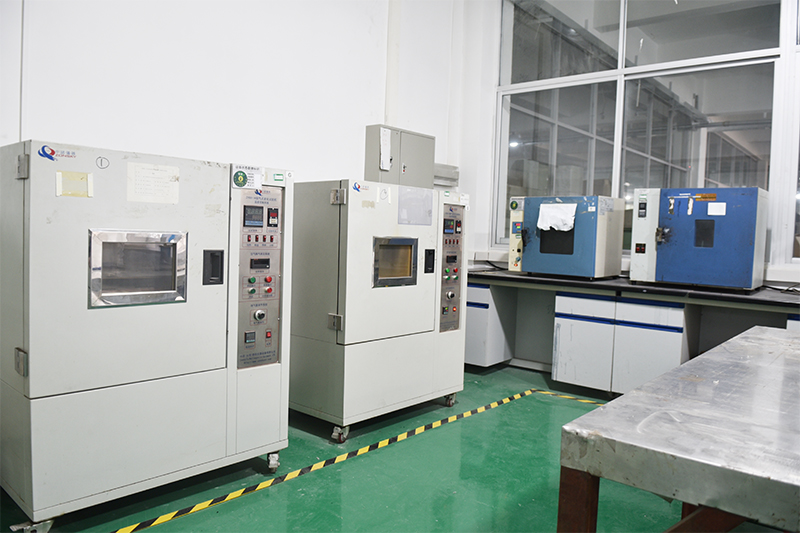
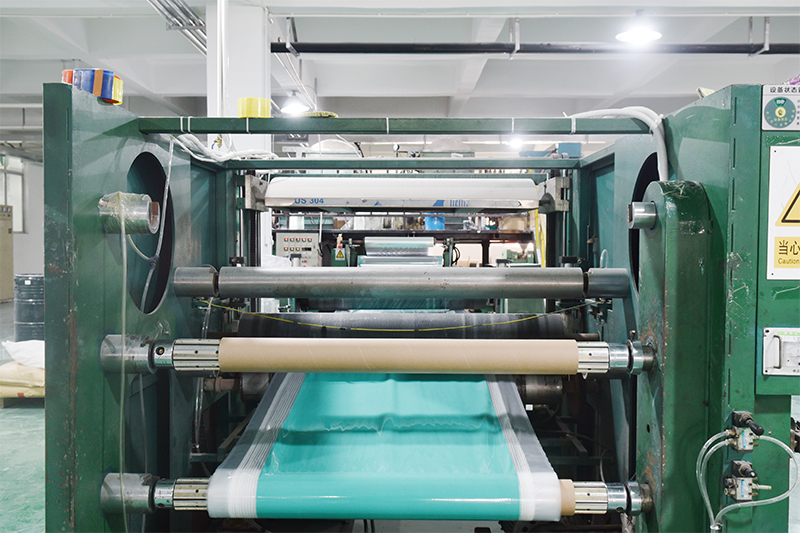
Our quality assurance program tracks production from incoming raw materials to final packaging. Each production batch undergoes batch testing to confirm shrink ratio, peel strength, tensile properties, and heat-shock resistance, ensuring reliable field performance.
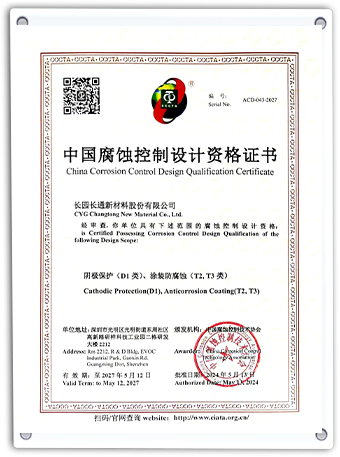
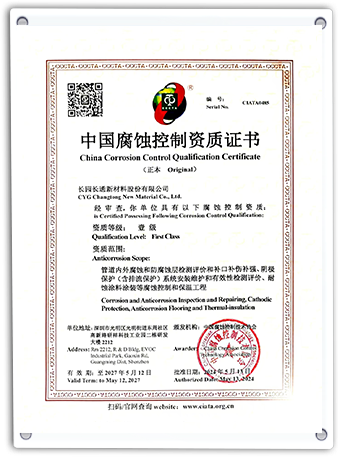
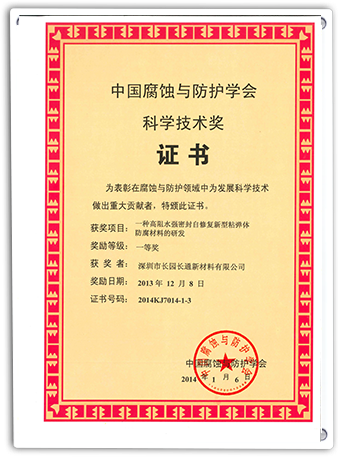
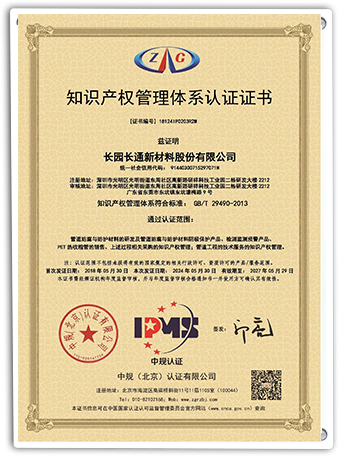
CYCT is a member of the council in the Chinese Society for Corrosion and Protection (CSCP) and holds official corporate membership in the China Association of Petroleum Engineering Construction (CAPEC). We maintain verified supply credentials for large energy networks worldwide, demonstrating our compliance with international standard regimes.
The global pipeline industry is adopting technical standards that require field joint coatings to deliver longer operating lives under more severe conditions. Several key trends are shaping material selection:
Answers to common technical and engineering questions about the selection, application, and performance of field joint coatings.
A 2L system consists of a thick mastic adhesive pre-applied to a radiation-crosslinked polyolefin backing. It provides good sealing and anti-corrosion properties for lower temperature lines. A 3L system uses a liquid epoxy primer applied directly to the bare steel, followed by a copolymer hot-melt adhesive layer and the crosslinked polyolefin backing. The 3L system offers superior cathodic disbondment resistance and higher temperature performance, matching the characteristics of factory-applied 3LPE/3LPP coatings.
Surface preparation is critical to coating performance. The steel pipe must be sandblasted to a Sa 2.5 finish with a proper anchor profile (typically 50-90 microns) to ensure mechanical bonding. The factory-applied coating adjacent to the weld must be beveled and cleaned. Contaminants such as moisture, dust, or grease will reduce adhesion, leading to premature delamination or cathodic disbondment.
PP heat shrink sleeves are selected for pipelines operating at elevated temperatures (typically from 80°C up to 110°C or 120°C). PP has a higher melting point and greater mechanical hardness than PE. This prevents the adhesive from softening and sliding under high thermal loads, soil shear, or external pipe expansion.
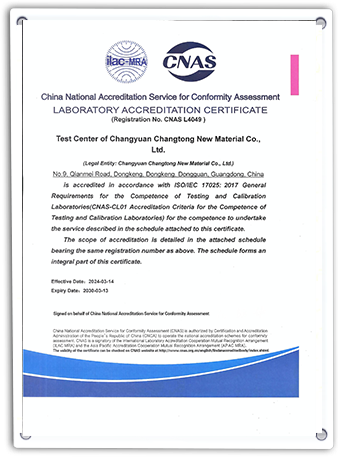
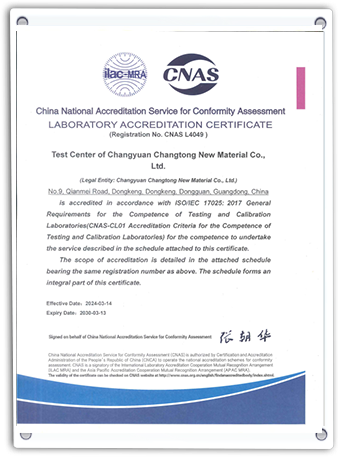
CNAS (China National Accreditation Service for Conformity Assessment) accreditation indicates that our testing laboratory operates in compliance with international standards (ISO/IEC 17025). This ensures that all testing procedures, from shear strength to cathodic disbondment tests, generate reliable, repeatable data that is recognized by quality control agencies worldwide.
Viscoelastic coatings are cold-applied, self-healing materials that do not require pre-heating or special primers. They are highly flexible and conform easily to complex configurations like valves, flanges, and tees. While they provide excellent chemical isolation, they generally have lower mechanical strength than crosslinked polyolefin sleeves, so they are often paired with a mechanical outer wrap.
Cathodic disbondment is the loss of adhesion between a coating and steel substrate caused by cathodic protection currents. It typically starts at holiday defects or damaged spots in the coating. CYCT prevents this by formulating advanced hot-melt copolymer adhesives and liquid epoxy primers that resist the alkaline environments created by cathodic protection reactions.
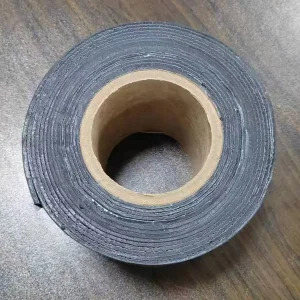
Explore our range of repair patches, hot melt sticks, and technical sealing tapes designed to maintain pipeline system integrity during construction and maintenance.
 CYCT
CYCT