China Heat Shrink Joint Tape Suppliers & Factory

Next-Generation Anti-Corrosion Technologies, Advanced Crosslinked Polymers & Certified Joint Protection Systems for Global Pipeline Infrastructure

The Evolution of Pipeline Joint Protection: A Deep Technical Analysis

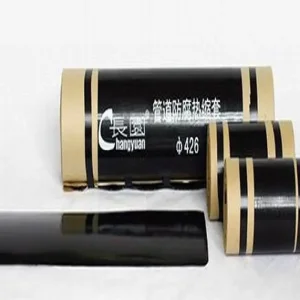
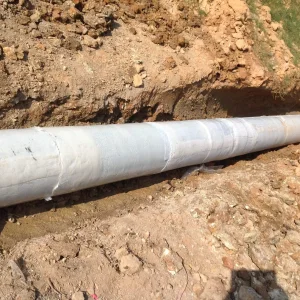
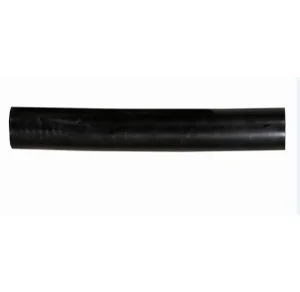
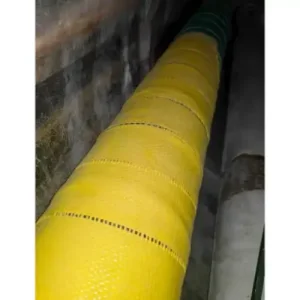
In the transmission of natural gas, crude oil, petrochemicals, municipal water, and offshore media, integrity at the pipe field joint is a critical parameter. Modern buried and subsea pipelines rely heavily on high-performance coatings like 3-Layer Polyethylene (3LPE), 3-Layer Polypropylene (3LPP), and Fusion Bonded Epoxy (FBE). While mill-applied coatings show exceptional quality, the field joint remains vulnerable. This is where Heat Shrink Joint Tapes (HSJT) and heat-shrinkable sleeves serve as the primary line of defense.

Originally introduced in the late 20th century, the chemical structure of heat shrink joint tape has undergone significant material science upgrades. The technology relies on a crosslinked polyolefin backing combined with a shear-resistant hot-melt adhesive or viscoelastic mastic layer. Utilizing radiation crosslinking, the molecular chains of the polyethylene (PE) backing are covalently bonded into a stable matrix. This gives the material its "elastic memory" property: once heated during field installation, the backing shrinks to seal the weld area, while the adhesive liquefies, filling micro-cavities and bonding firmly to the steel substrate and adjacent mill coating.

Information Gain: The Chemistry of Radical Radiation Crosslinking

High-performance Heat Shrink Joint Tape relies on precise dosage electron-beam (EB) radiation. This physical crosslinking method raises the crystallization temperature and tensile strength of the polymer backing, allowing it to withstand high soil stress and operating temperatures up to 80°C (and in some specialized PP configurations, up to 120°C). Selecting the right compound dictates the level of cathodic disbondment resistance and long-term resistance to chemical aging.

Key Industry Standards & Test Parameters

For global pipeline projects, technical compliance is non-negotiable. Sourcing teams and EPC contractors evaluate Heat Shrink Joint Tape according to ISO 21809-3, EN 12068, and NACE RP0303. These standards regulate mechanical properties and chemical stability under extreme stresses.

Test Parameter
Requirement / Typical Industrial Spec
Peel Strength (to Steel & PE)
≥ 1.0 N/mm at 23°C (Class B/C according to EN 12068)
Cathodic Disbondment Resistance
≤ 7 mm radius at test temperature (60°C or 80°C, 28 Days)
Impact Resistance
≥ 15 J (Class C)
Indentation Resistance
≥ 0.6 mm residual thickness at max operating temperature

Global Procurement Challenges & Strategic Sourcing

Procurement managers and piping engineers face significant challenges when choosing a manufacturing partner. These involve structural quality validation, lead-time control, raw material stability, and compliance with anti-dumping duties or environmental laws. When choosing a Chinese factory for Heat Shrink Joint Tape, key evaluation steps include:

  • Raw Material Traceability: Premium manufacturers source raw polyethylene and adhesive resins from reputable suppliers like Dow, Sabic, or Borealis to guarantee batch-to-batch consistency.
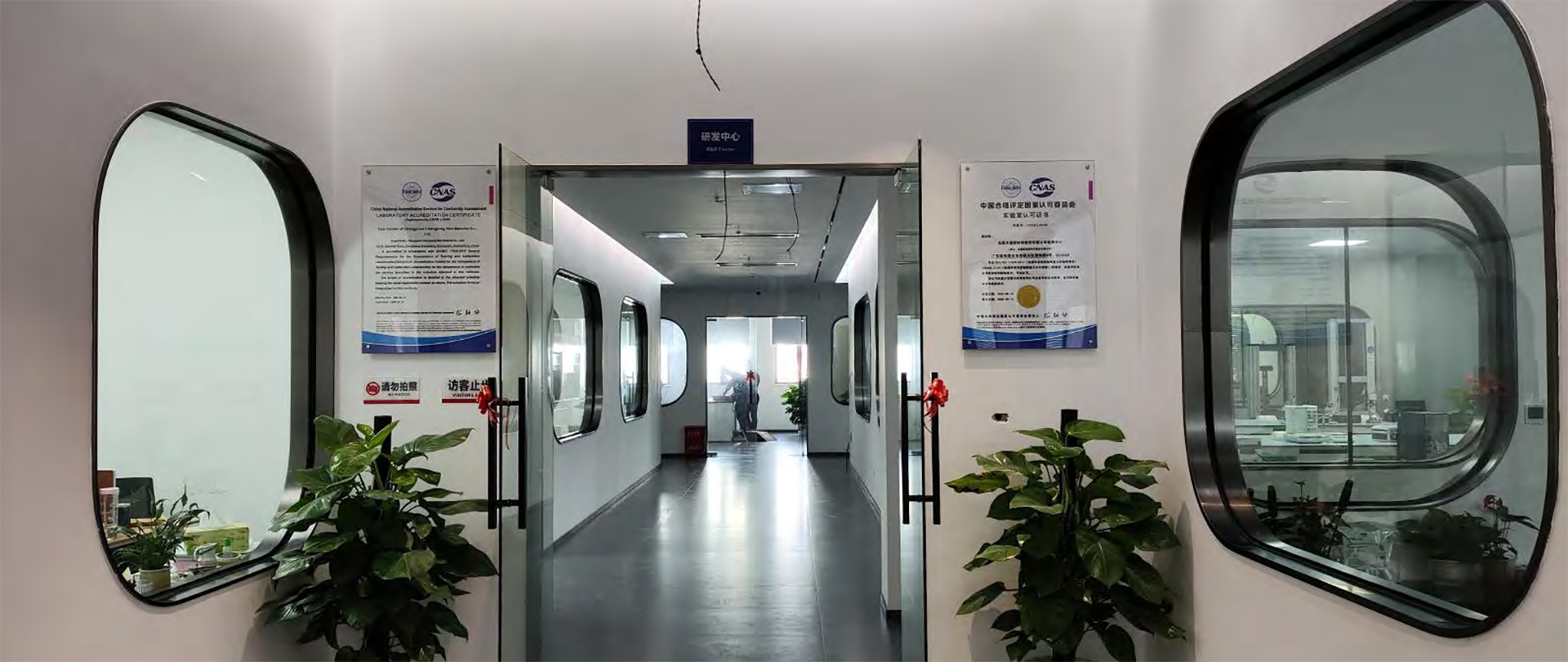
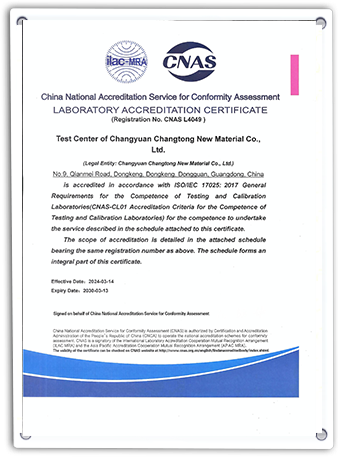
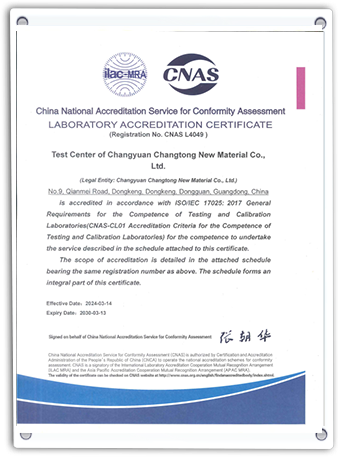
  • Laboratory Certification: High-quality factories feature national-level accredited labs (such as CNAS in China) to perform real-time verification of parameters like gel content, peel testing, and thermal aging.
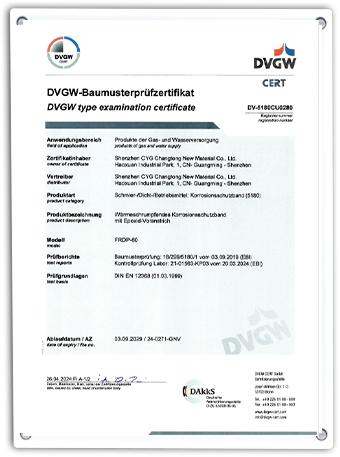
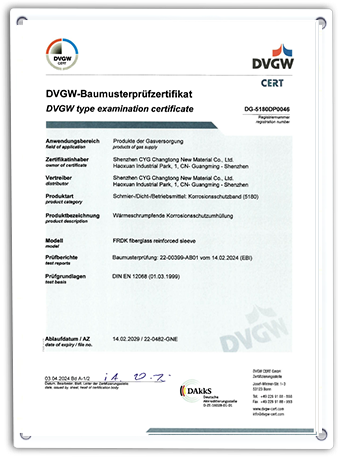
  • EPC Compliance Support: Comprehensive documentation, including inspection certificates (EN 10204 3.1 or 3.2), third-party certificates (DVGW, SGS, AMPP), and detailed field installation instructions, is essential for smooth project approvals.
CYCT New Materials Company Limited

A State-Level High-Tech Enterprise Redefining Pipeline Anti-Corrosion Since 2000

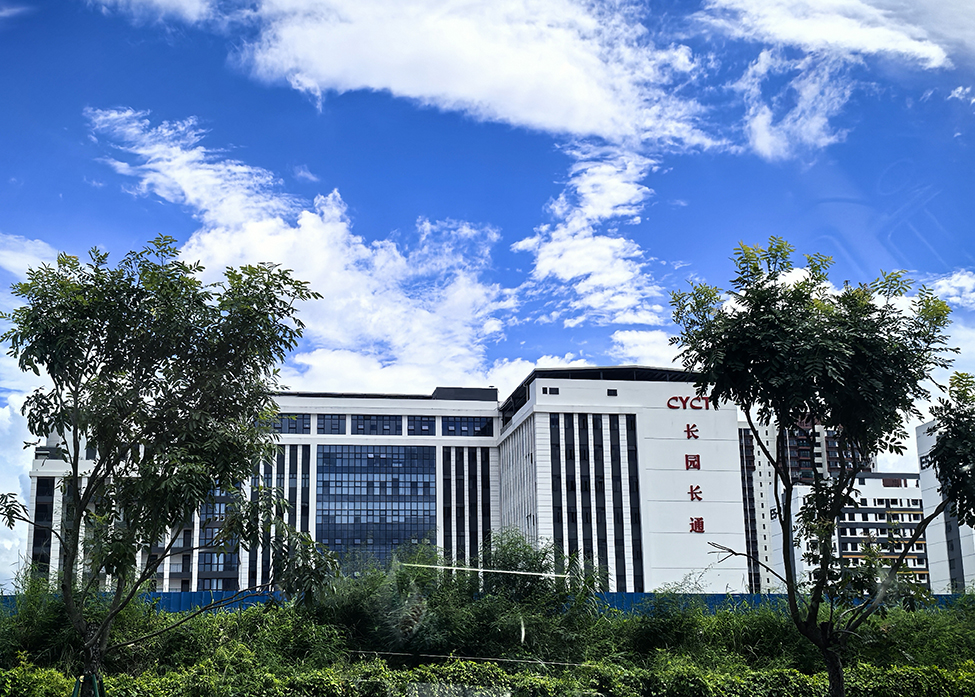
CYCT New Materials Company Limited (for short, CYCT) is a state-level high-tech enterprise integrating R&D, production and sales of pipeline corrosion protection materials, buried pipeline detection services, and pipeline coating field application services. Decades of focused development have made CYCT a reliable global supplier, maintaining strategic partnerships with major national and multinational energy enterprises.

24+
Years of Innovation
CNAS
National Accredited Lab
10+
Proprietary Patents
AMPP
Corporate Member

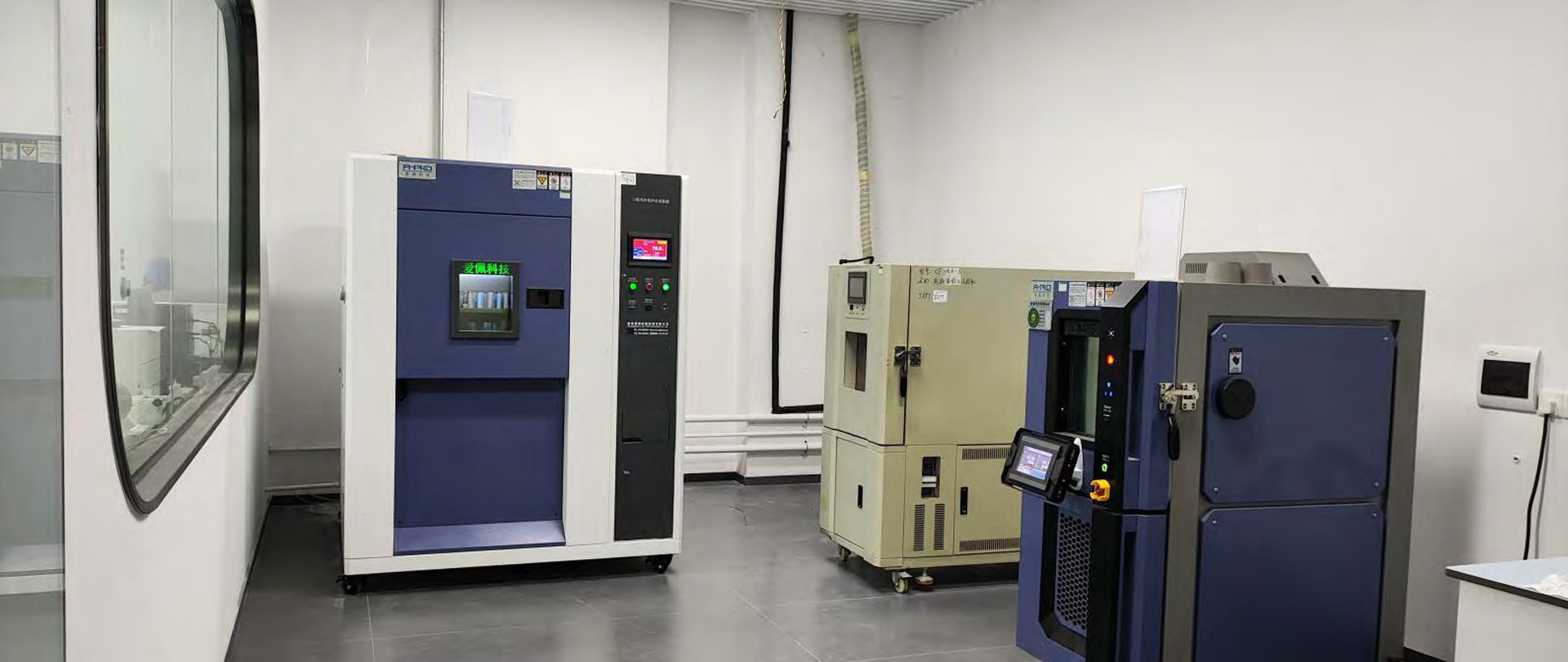
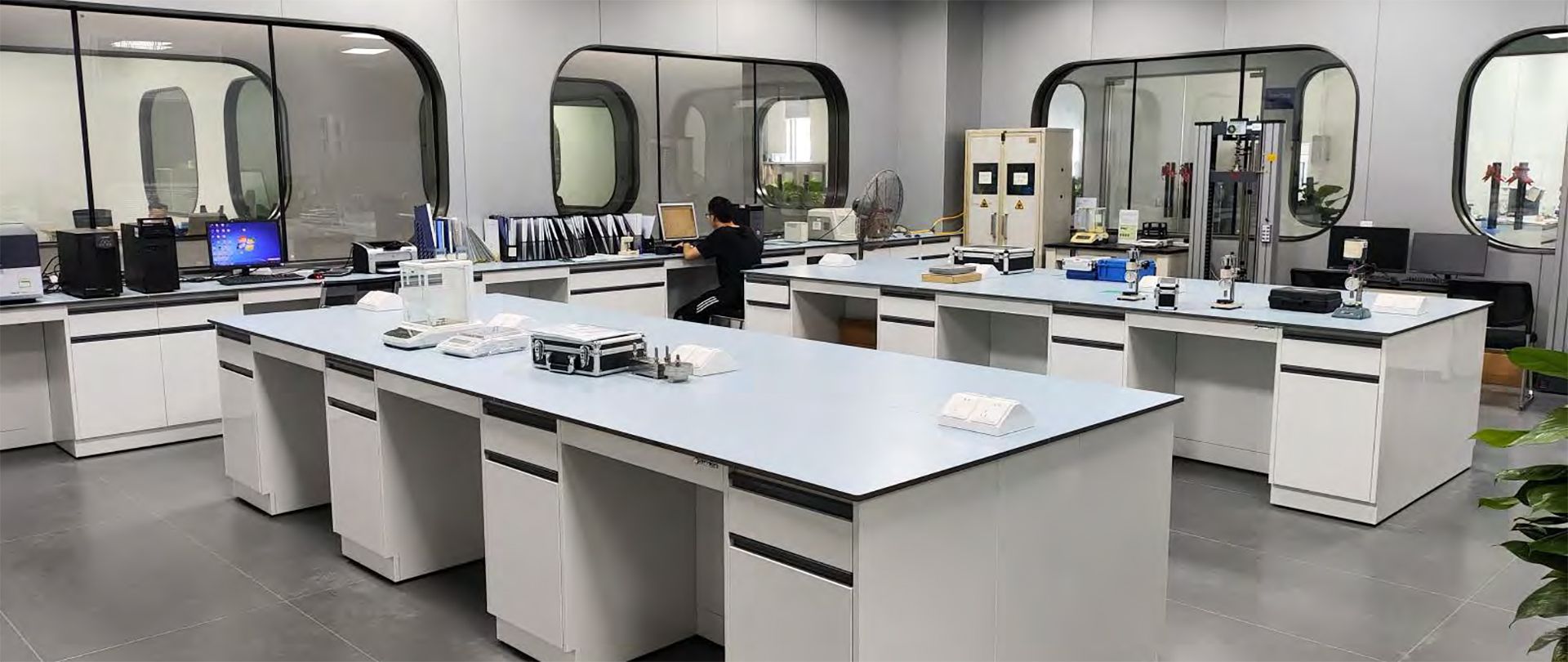
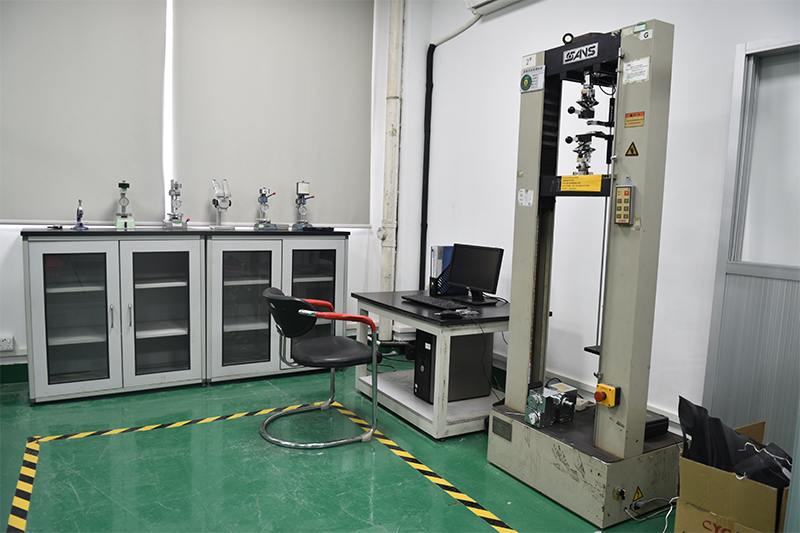
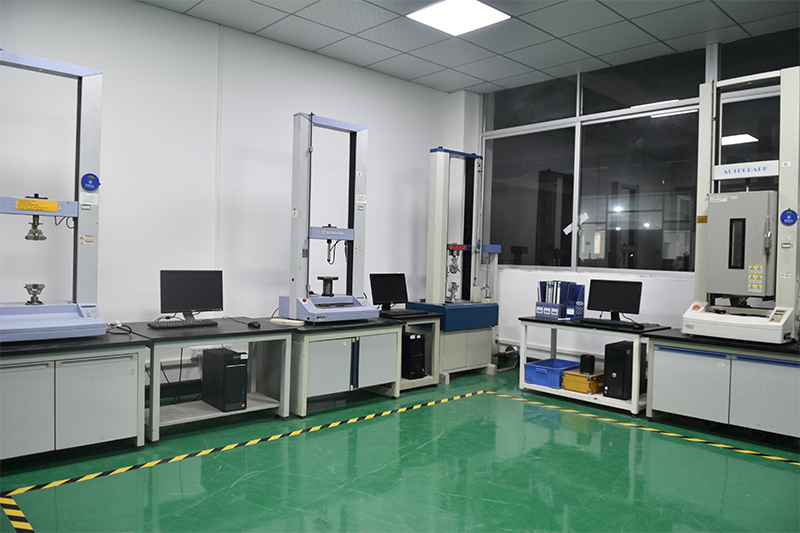
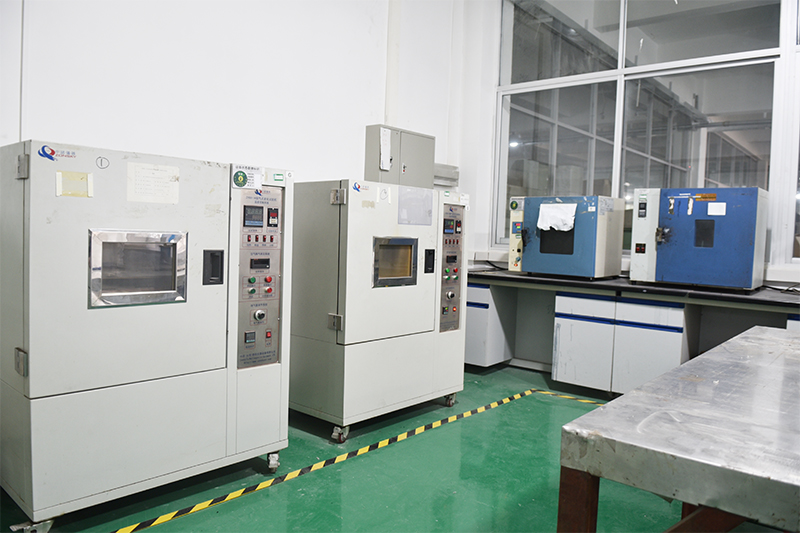
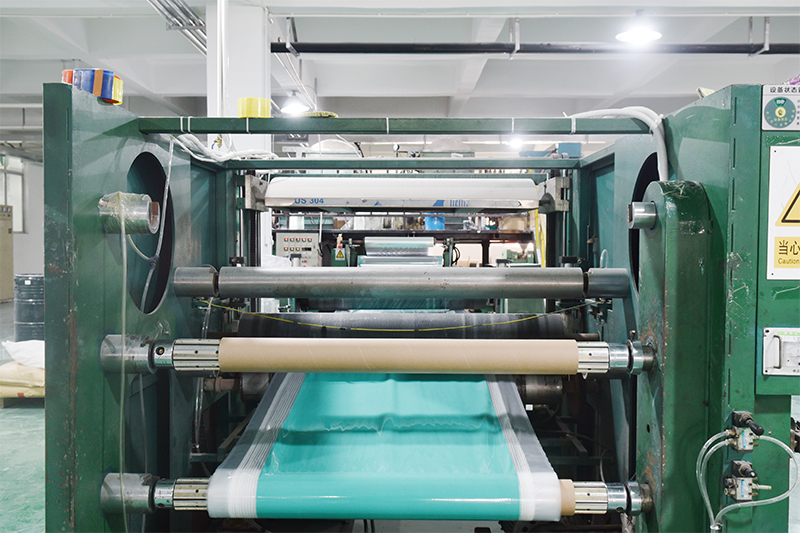
CYCT operates advanced testing facilities, utilizes a professional R&D team, and runs a national CNAS-accredited laboratory. Over the years, the company has established itself as a stable supplier of field joint coatings for PetroChina, Sinopec, PipeChina, and local pipeline operators, maintaining a leading market share. Our product catalog has expanded to include specialty materials, such as visco-elastic anti-corrosion tapes, photo-curing sleeves for Horizontal Directional Drilling (HDD) protection, and high-performance polyurea coatings.

Through technical cooperation with institutions like the CNPC Pipeline Science Research Institute, CYCT delivers integrated solutions for in-service pipeline management. This includes buried pipeline inspections, customized design schemes, cathodic protection, pipeline rehabilitation, and comprehensive structural safety designs.

Industrial Operations & R&D Facility Slides

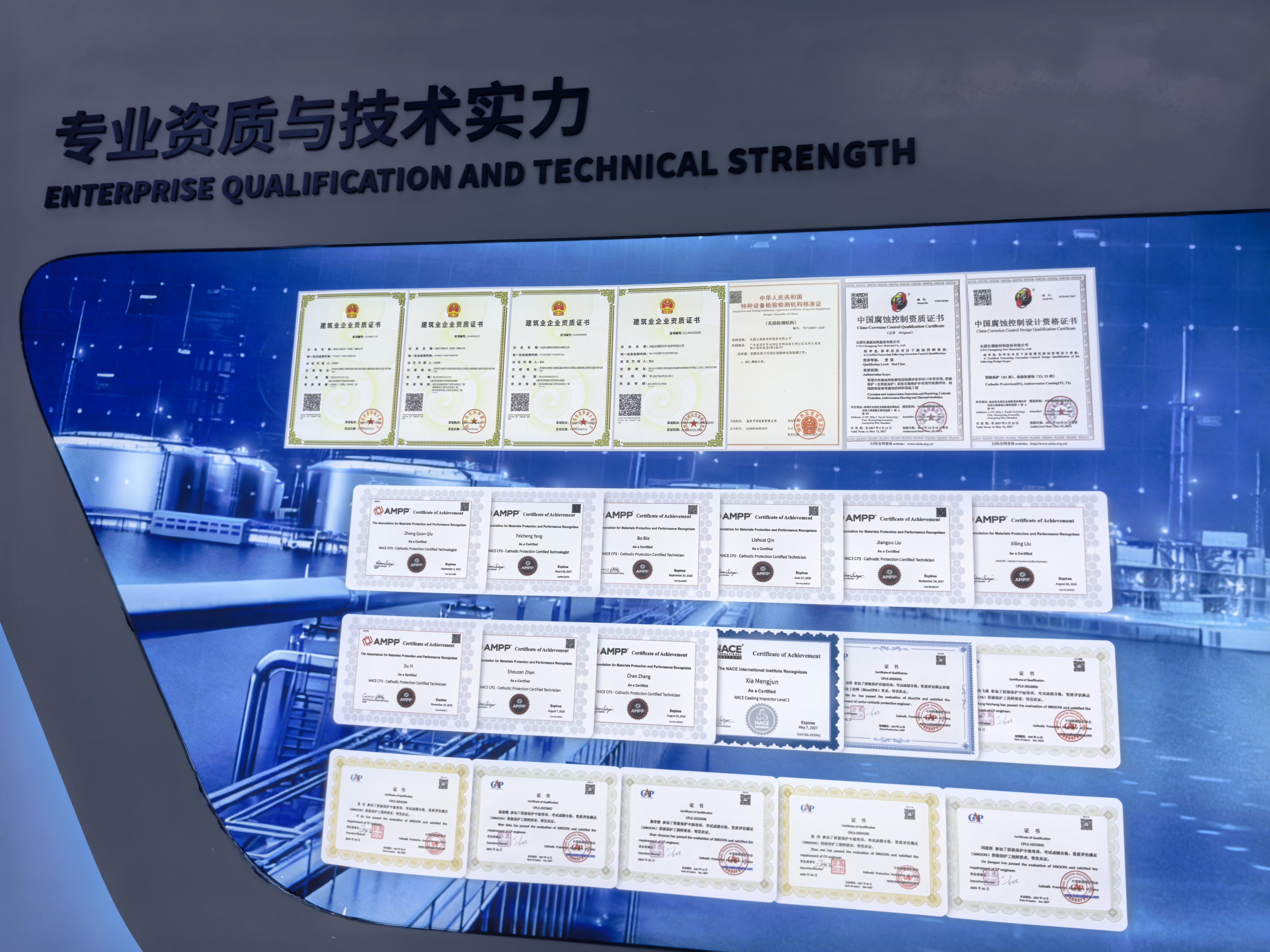
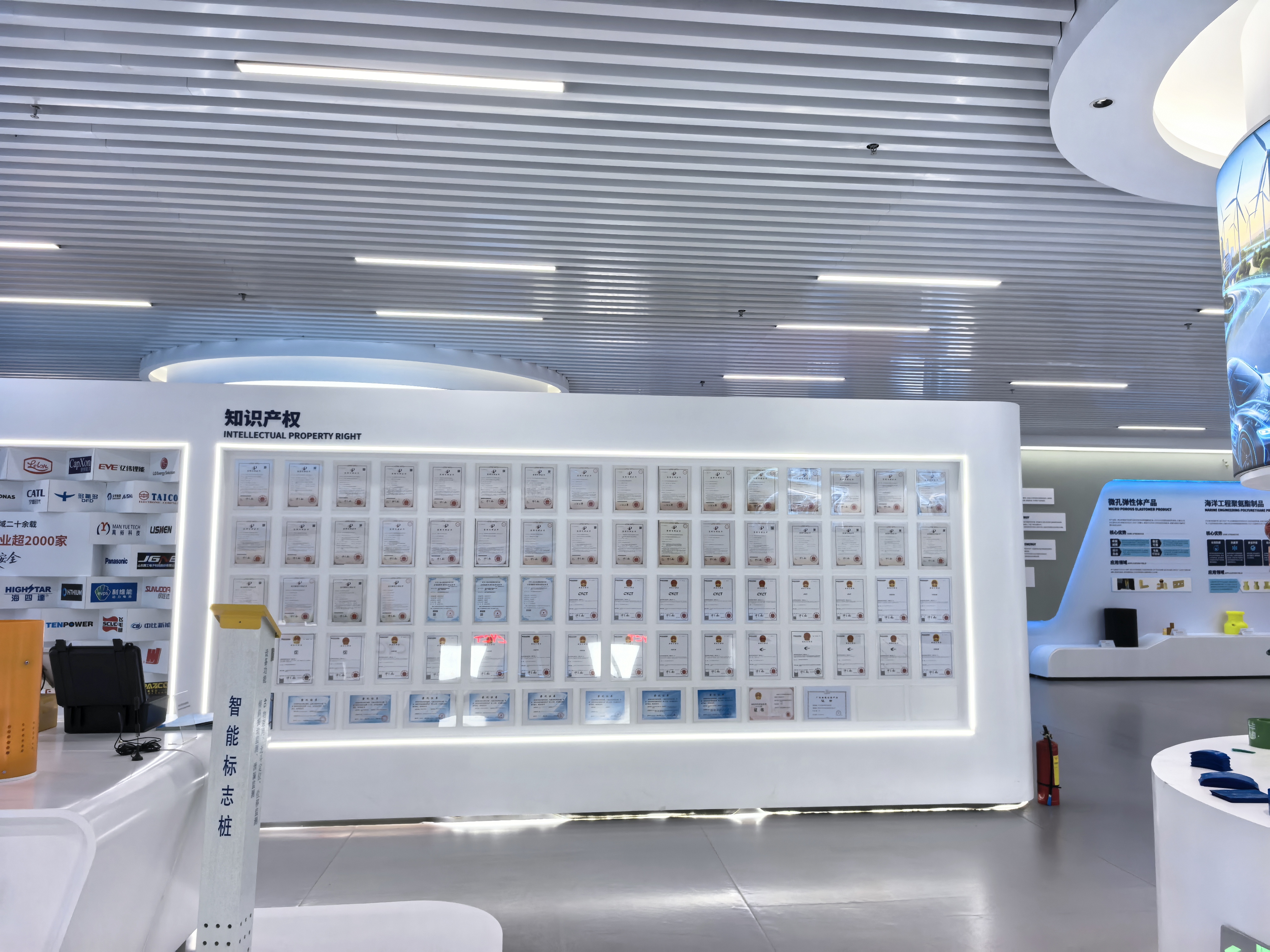
Industry Honors & Corporate Certification

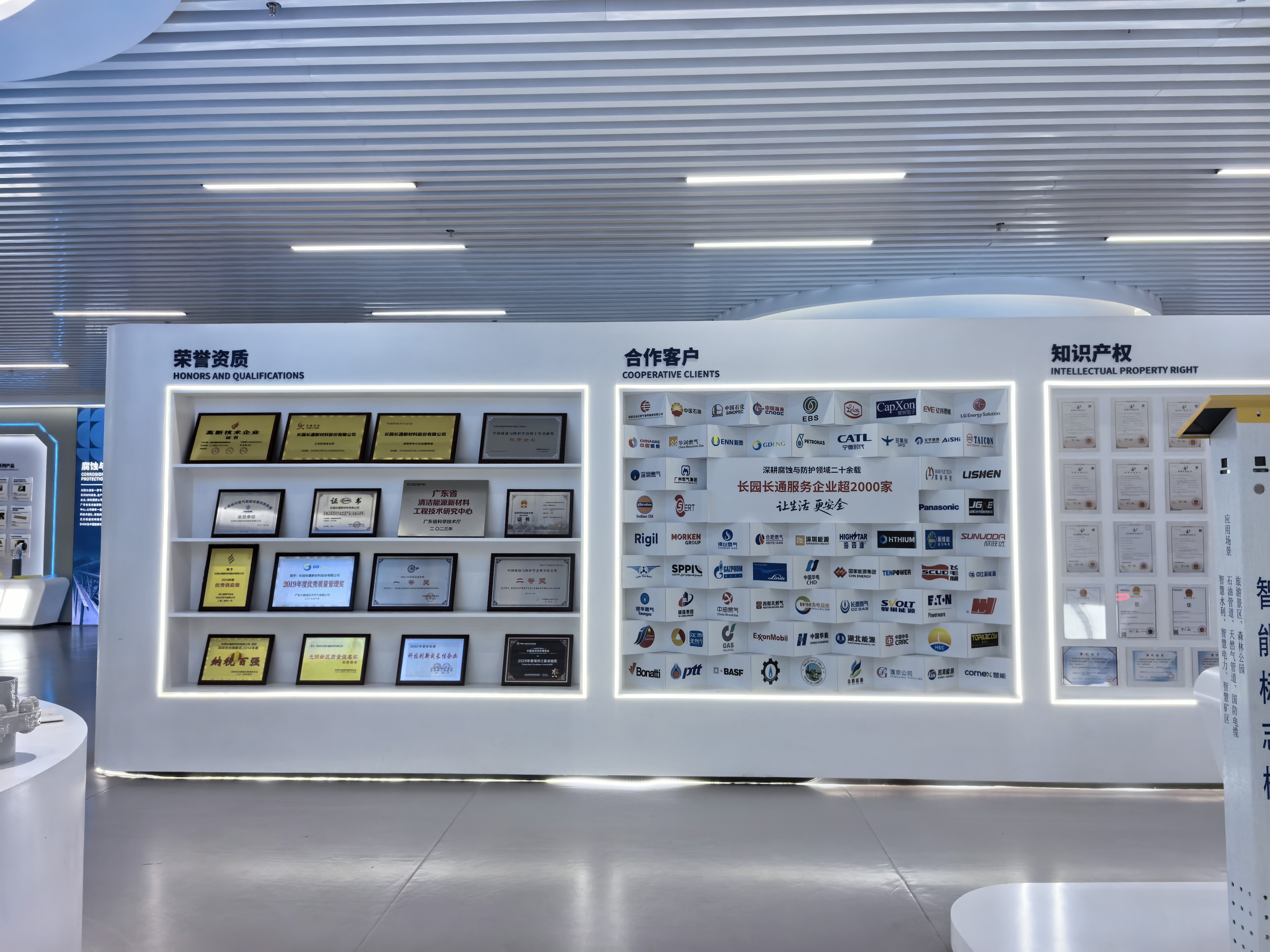
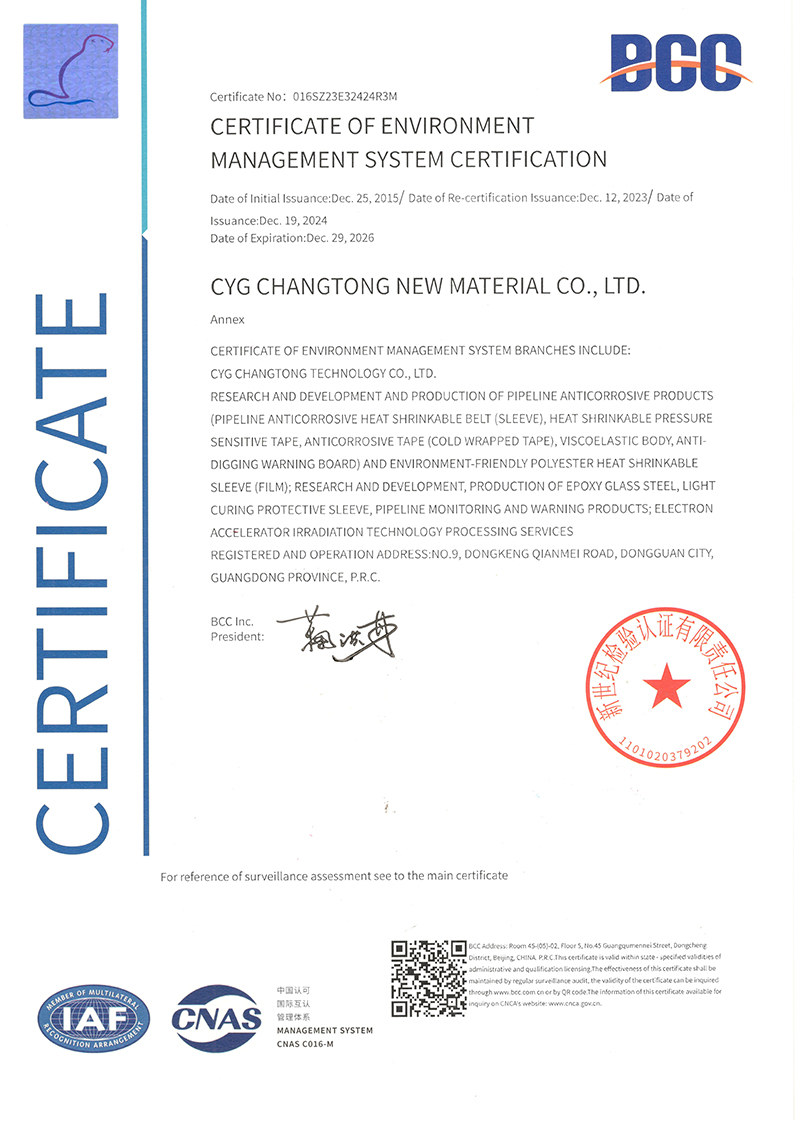
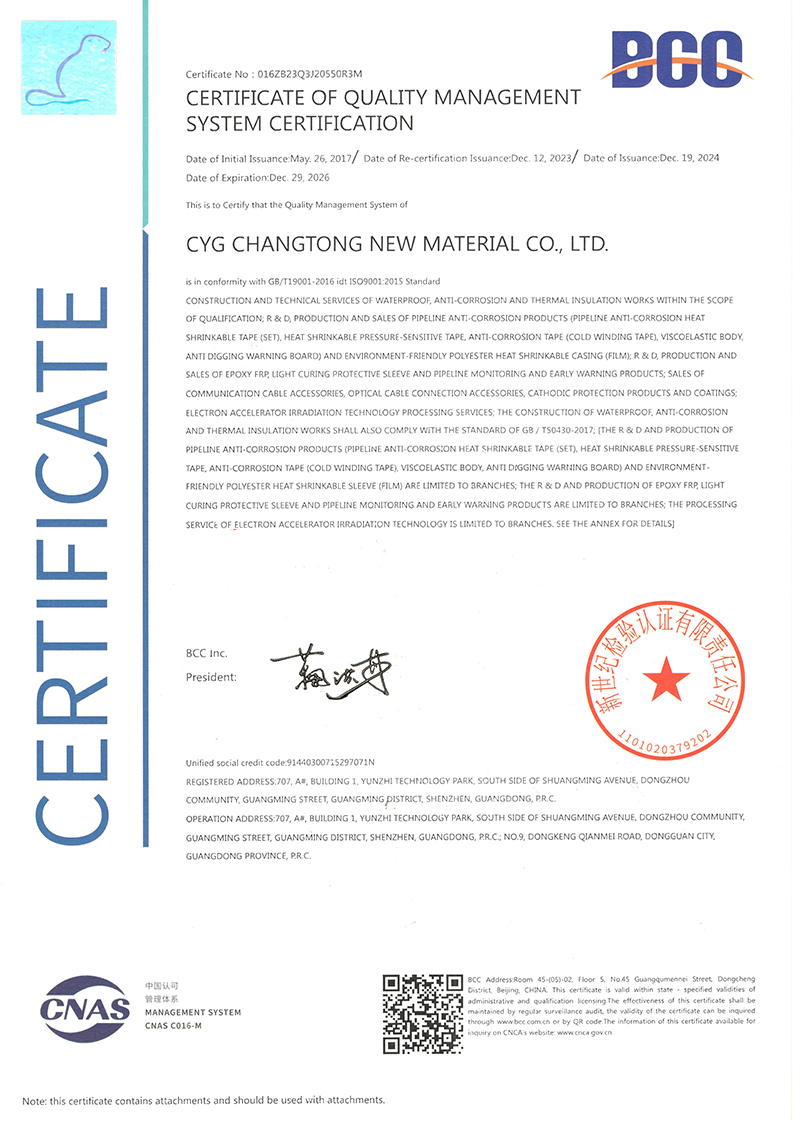
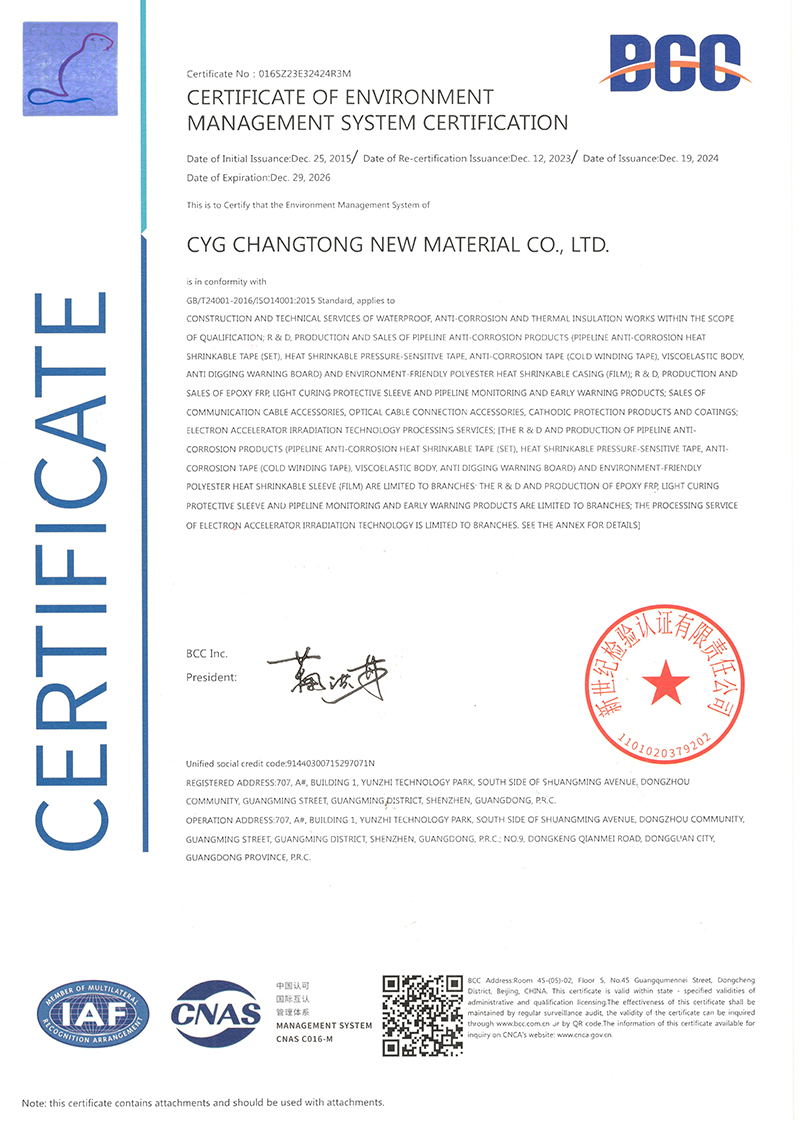
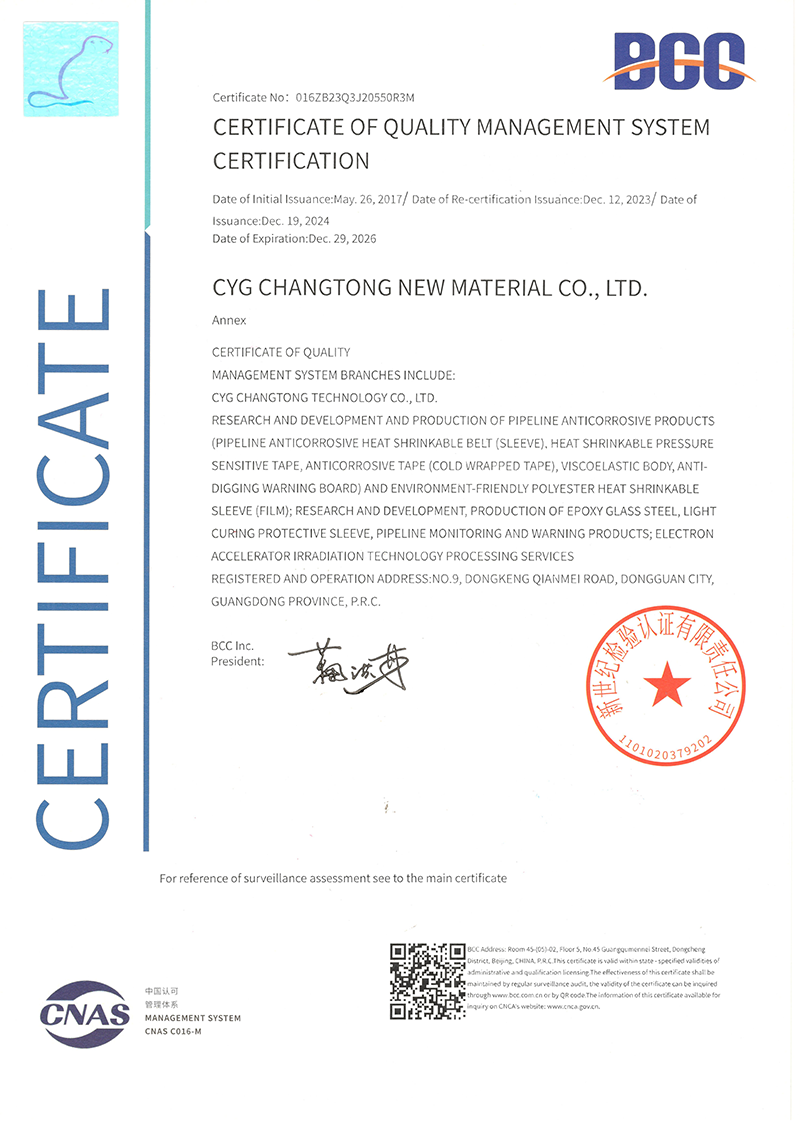
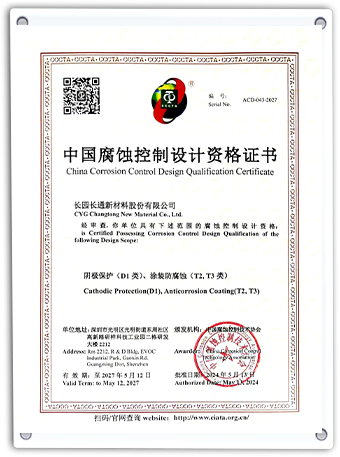
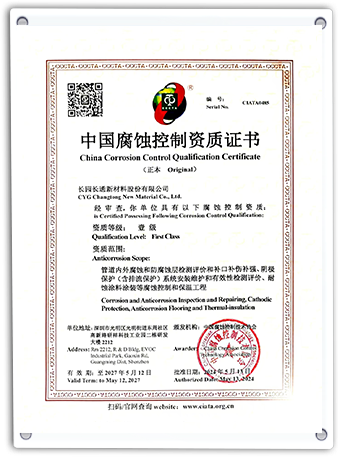
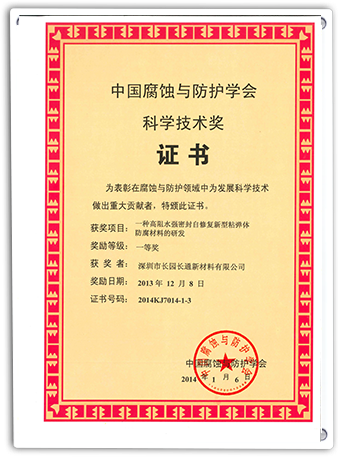
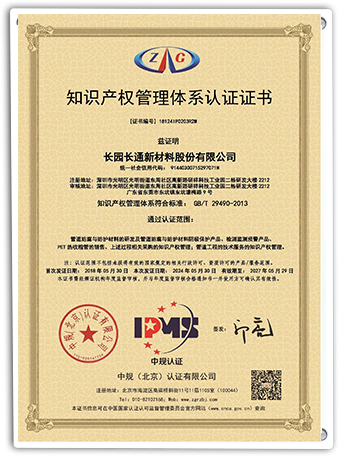
As an active Council Member of the Chinese Society for Corrosion and Protection (CSCP), CYCT holds professional qualifications in pipeline detection and corrosion control construction. Our certificates validate our commitment to international standards, positioning us as an approved supplier for leading energy companies such as PetroChina, Sinopec, China Gas Group, and Indian Oil.

Company Certificate

Company Certificate

Company Certificate

Company Certificate

Company Certificate

Company Certificate

Company Certificate

Company Certificate

Company Certificate

Company Certificate

Company Certificate

Company Certificate

Company Certificate

Company Certificate

Company Certificate

Company Certificate

Company Certificate

Company Certificate

Company Certificate

Company Certificate

Company Certificate

Company Certificate

Company Certificate

Company Certificate

Technical Roadmap: Next-Gen Polymer & Smart Pipeline Coatings

The field of pipeline anti-corrosion is evolving rapidly due to new challenges from higher transport temperatures, complex geohazard zones, and environmental mandates. CYCT focuses its R&D efforts on key industry trends:

  1. Hydrogen Pipeline Ready Coatings: Hydrogen embrittlement requires exceptionally dense polymeric structures. CYCT is currently evaluating specialized low-permeability backings to limit hydrogen penetration to the steel surface.
  2. Ultra-High Operating Temperature Systems: Deep-well oil and gas lines are pushing temperatures past 100°C. Development of crosslinked polypropylene (PP) heat shrink systems helps maintain structural integrity under continuous load.
  3. Eco-Friendly, Solvent-Free Primers: Transitioning away from traditional volatile organic compound (VOC) primers towards solvent-free epoxy options reduces environmental impact and improves field installation safety.

Localization Support, Compliance & Field Joint Application Services

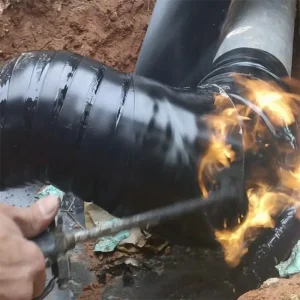
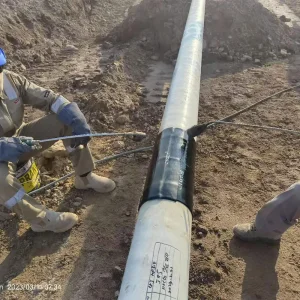
Correct installation is critical to the performance of any pipeline coating. Even premium-grade Heat Shrink Joint Tape can fail if installed incorrectly. CYCT addresses this by providing full field installation guidance, operator training, and field inspection services.

Whether handling pre-heat temperature verification, surface preparation checks (ensuring ISO 8501-1 Sa 2.5 cleanliness and anchor profiles of 50-75 microns), or checking adhesive wet-out, CYCT technical support teams are ready to assist. We work with engineering companies to create customized project designs, ensuring every field joint matches the design life of the main pipeline.

Technical Q&A: Sourcing & Application Insights

Critical answers for pipeline engineers and procurement officers concerning Heat Shrink Joint Tape specifications and performance.

Q1: What surface preparation is required before installing Heat Shrink Joint Tapes?
A1: Optimal bonding requires cleaning the steel surface to an Sa 2.5 finish according to ISO 8501-1, followed by dust removal. Create a rough anchor profile of 50 to 90 microns. Wipe adjacent PE coatings to remove grease and pre-heat the weld zone to the recommended installation temperature (typically 60°C to 70°C for mastic systems, and over 100°C for hot-melt/epoxy primer systems).
Q2: How does mastic-coated tape differ from hot-melt adhesive heat shrink tape?
A2: Mastic-coated tapes offer high flexibility, self-healing qualities, and don't require liquid primers, making them ideal for lower-temperature water distribution or low-pressure lines. Hot-melt adhesive systems (often used with liquid epoxy primers in 3-layer systems) provide high shear resistance and cathodic disbondment resistance. They are typically specified for high-stress oil and gas transmission pipelines.
Q3: Can CYCT provide OEM and custom-sized Heat Shrink Joint Tapes?
A3: Yes. As a direct manufacturer, CYCT offers custom widths, thicknesses, and roll lengths to fit varied pipe diameters and coating designs. We adjust backing thickness (typically 1.0mm to 1.5mm) and adhesive thickness (0.8mm to 1.2mm) to match specific project specifications and client designs.
Q4: What is the typical shelf life and storage requirement for heat shrink sleeves?
A4: Stored in cool, dry, ventilated conditions at temperatures below 35°C, away from direct sunlight, CYCT Heat Shrink materials have a shelf life of up to 2 years. Proper storage prevents early aging of the backing and degradation of the adhesive layer.
Q5: Why is Cathodic Disbondment (CD) a critical metric for heat shrink joint tape?
A5: Pipelines rely on cathodic protection systems as a secondary safety measure. If a coating disbonds easily under electrical currents, moisture can reach the steel, leading to hidden corrosion. Lower CD values (e.g., ≤ 7mm at high temperatures) indicate a stronger, safer adhesive bond.