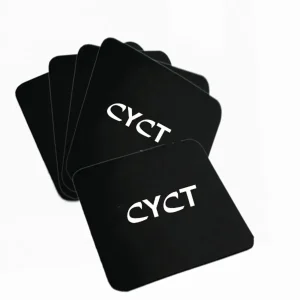
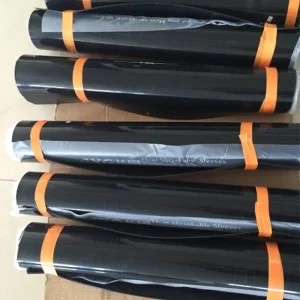
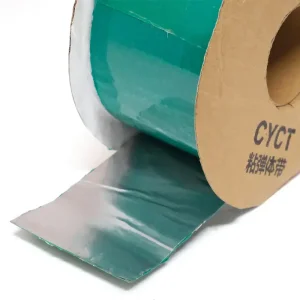
Select high-performance structural repair patches, viscoelastic tapes, and heat shrink materials manufactured to exceed international standard specifications.
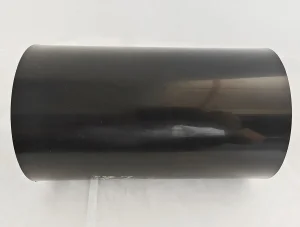
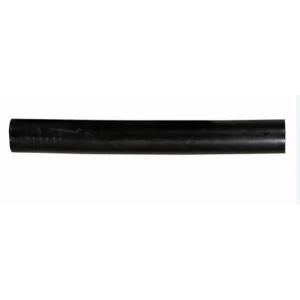
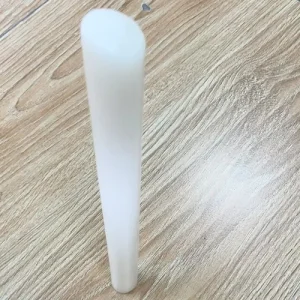
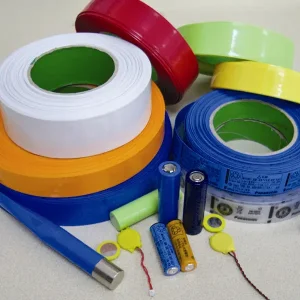
In high-stakes industrial engineering, mechanical systems and distribution pipeline joints demand relentless shielding from external stressors. Clear Heat Shrink Tubing represents a specialized class of modified cross-linked polyolefins and fluoropolymers designed to deliver maximum visual inspection utility alongside structural insulation. Traditionally, pipeline and electrical joint covers have relied on opaque backings. However, field engineers face major hurdles when attempting to verify adhesive flow patterns, corrosion propagation, and substrate integrity post-installation. Transparent or clear heat shrinkable materials resolve these issues, combining robust environmental sealing with real-time diagnostic transparency.
The production of clear heat shrink elements involves advanced radiation cross-linking techniques. Extruded formulations undergo high-energy electron beam exposure, creating stable carbon-carbon cross-links. This molecular configuration yields "thermal memory effect." When heated above its transition temperature, the tubing shrinks to its predetermined dimensions, applying strong radial pressure onto the joint. Meanwhile, the clear material lets operators visually inspect critical components, ensuring high quality control across oil, gas, subsea, petrochemical, and electrical utility installations.
As international corporations audit and optimize their supply networks, Chinese manufacturers stand out as major strategic hubs for high-performance polymers. Chinese factories leverage deep industrial advantages, positioning them at the forefront of global production:
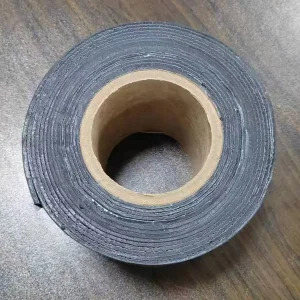
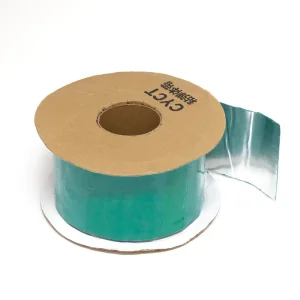
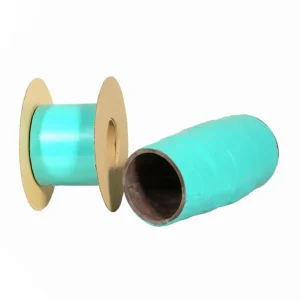
Understanding clear heat shrink sleeves requires examining the interface between the backing polymer and the active adhesive. The structural backing—often made of modified polyethylene (PE) or polypropylene (PP)—is paired with a viscoelastic mastic or a high-shear copolymer hot-melt adhesive.
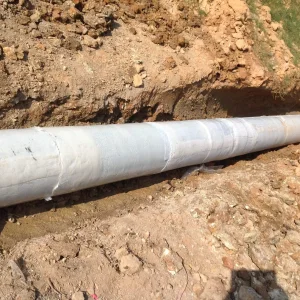
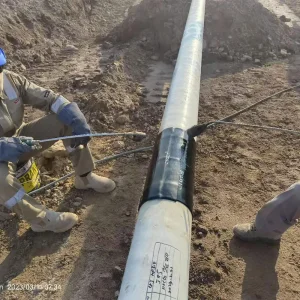
When heated, the adhesive melts and flows into micro-fissures on the steel pipe substrate, while the backing shrinks to apply uniform pressure. In 3LPE (3-Layer Polyethylene) and 3LPP (3-Layer Polypropylene) pipeline repair systems, these materials function together as a unified system. High-temperature hot melt formulations, designed to survive operating conditions up to 85°C and beyond, prevent moisture ingress, resist cathodic disbondment, and defend against soil stress.
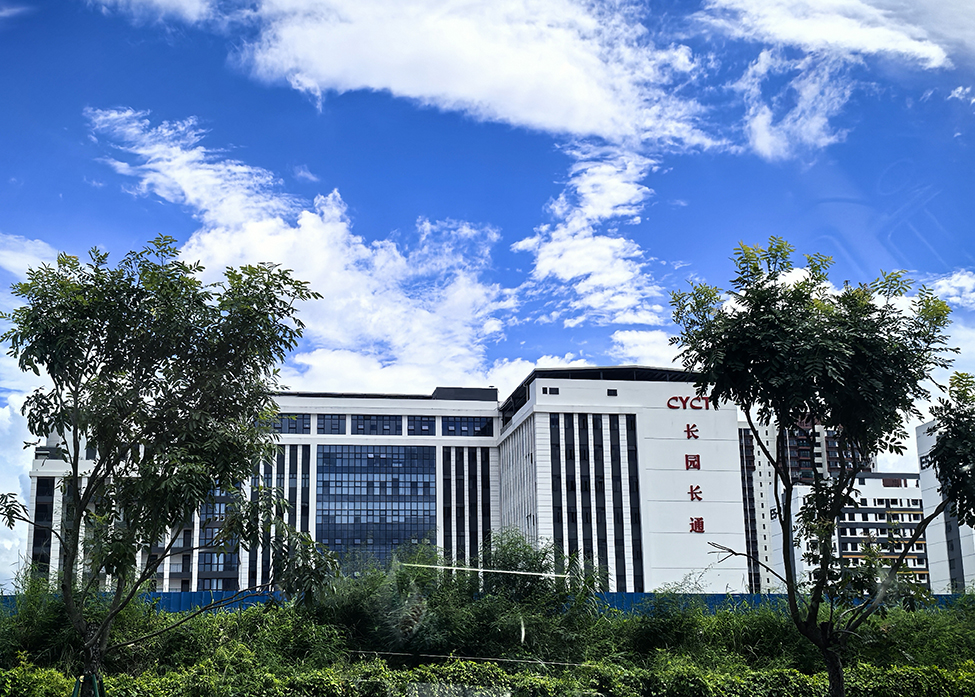
CYCT New Materials Company Limited (CYCT) is a state-level high-tech enterprise established in 2000. For over two decades, CYCT has focused on the research, development, production, and distribution of pipeline corrosion protection materials. Today, the company also provides buried pipeline detection services and field coating applications.
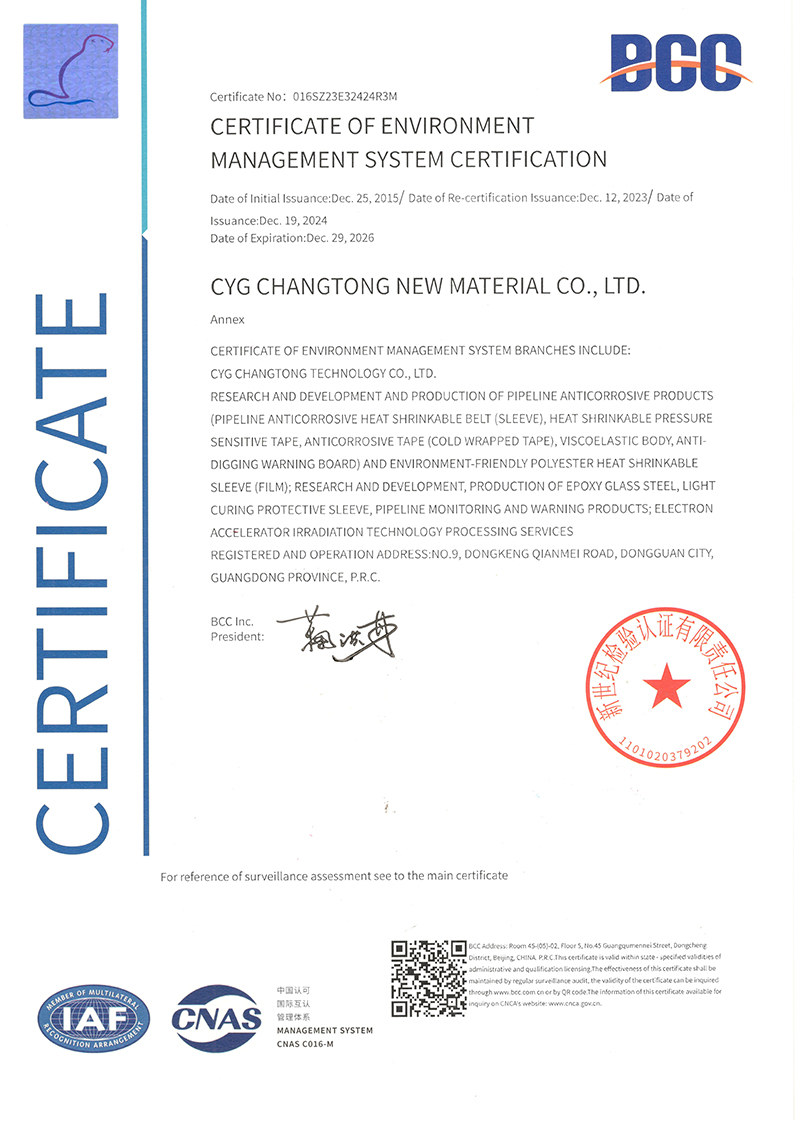
CYCT operates a national CNAS-accredited laboratory, enabling comprehensive testing of physical, thermal, and electrical polymer properties. The company maintains close research partnerships with key institutions, including the CNPC Pipeline Science Research Institute, to develop and refine field joint systems.
CYCT serves as a qualified supplier to major energy operators like PetroChina, Sinopec, PipeChina, and Indian Oil. In addition to clear heat shrink tubes and sleeves, the company's product line includes viscoelastic anti-corrosion materials, photo-curing sleeves for horizontal directional drilling (HDD) protection, and polyurea coatings.
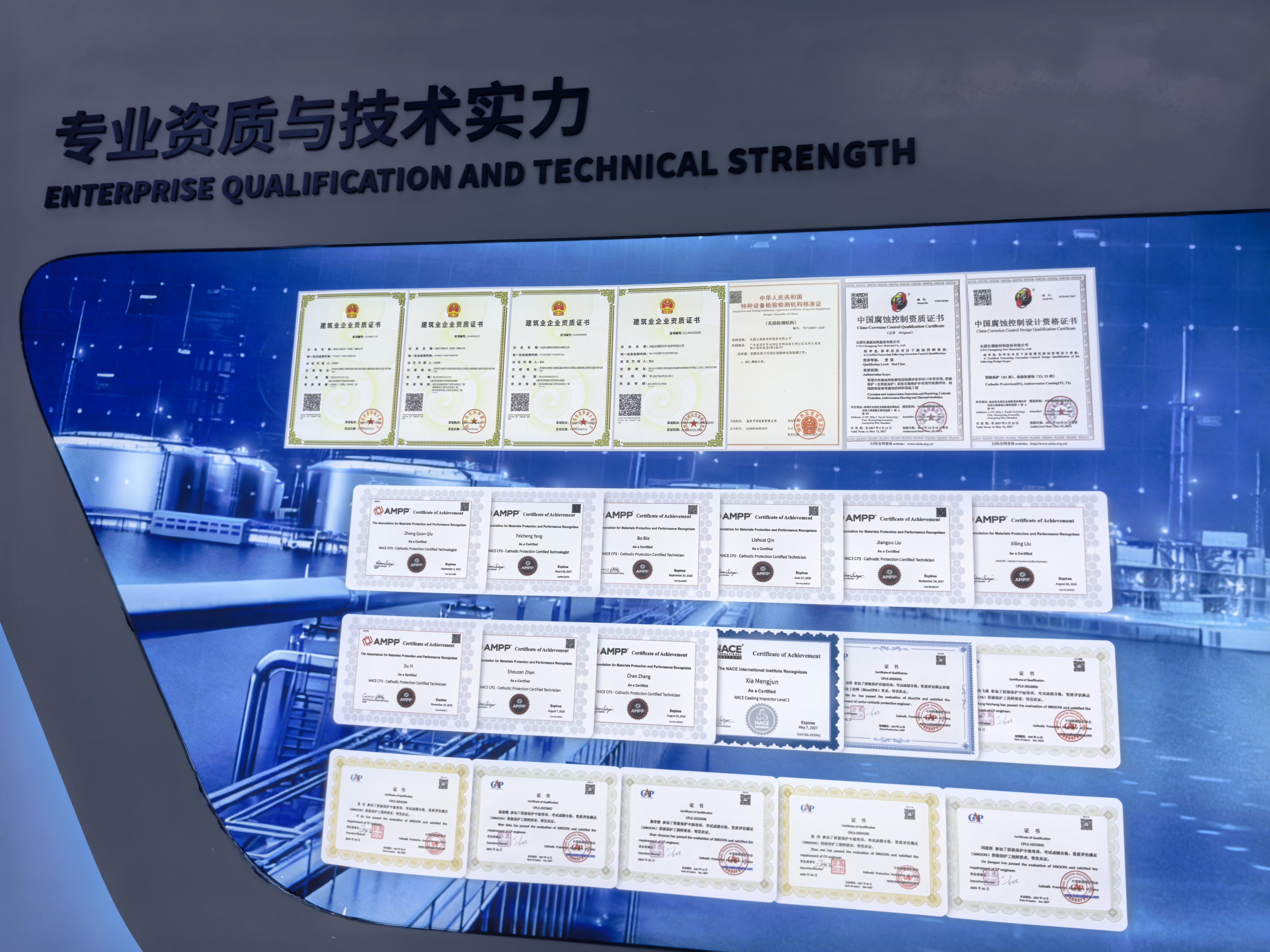
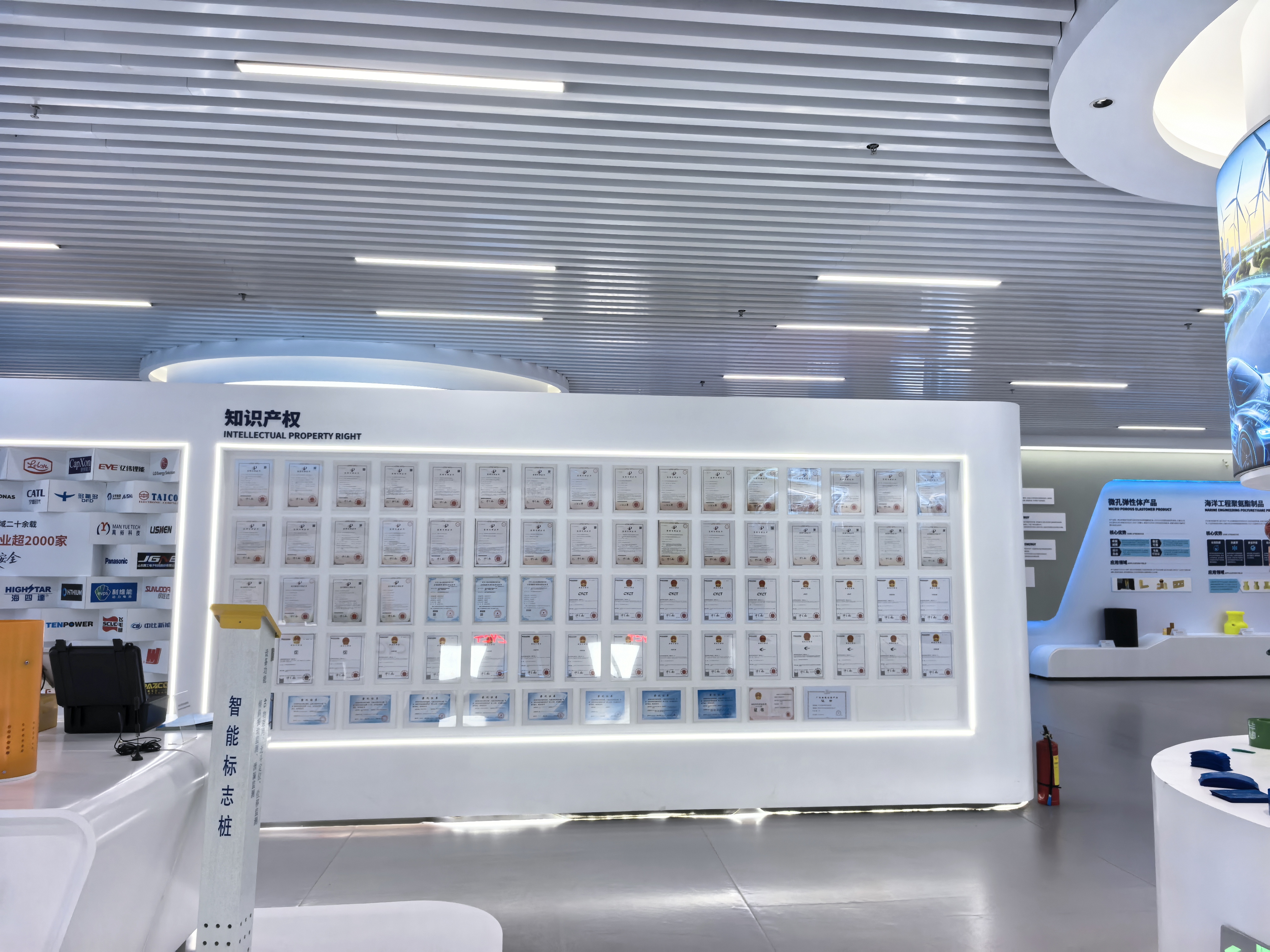
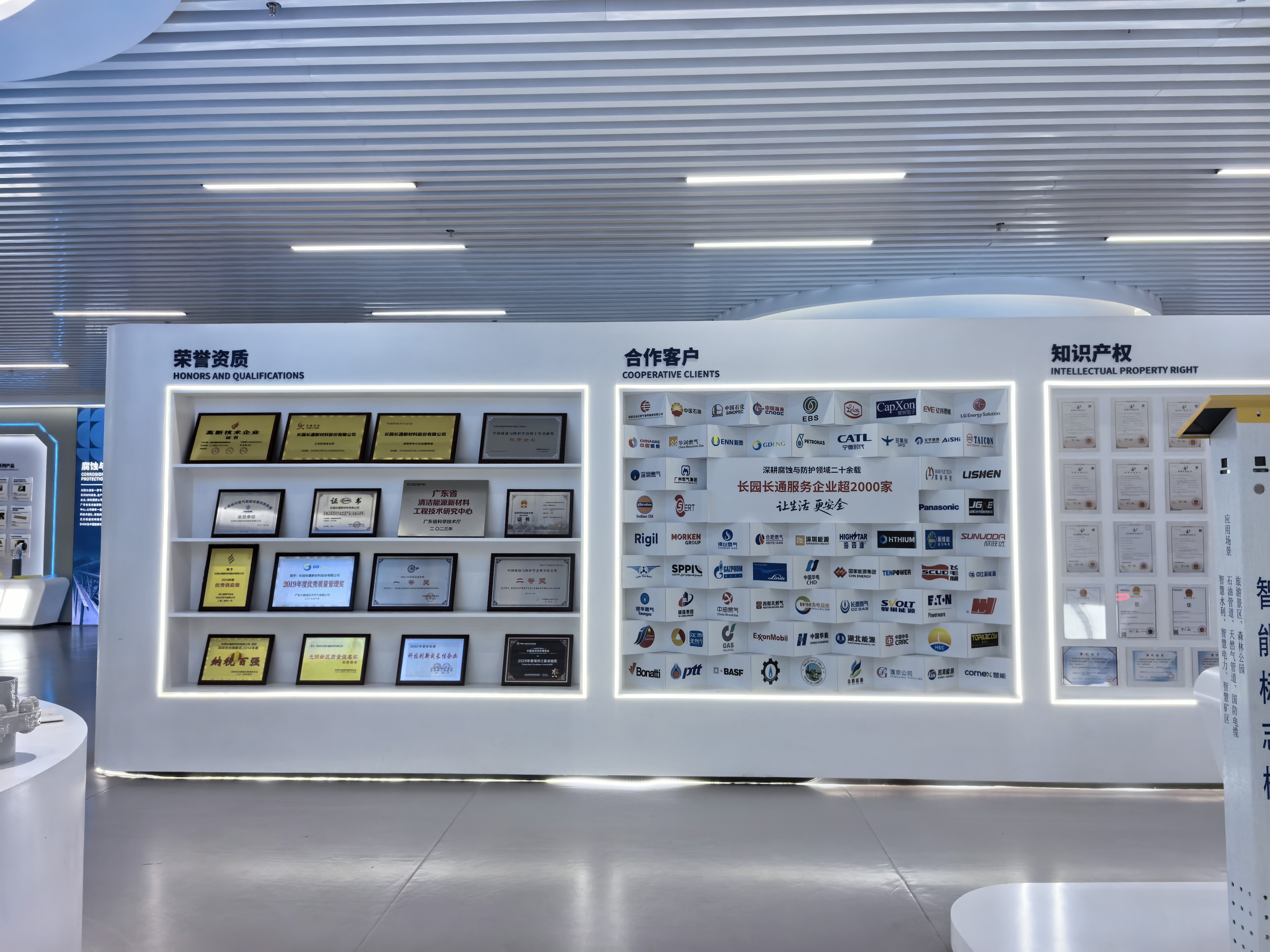
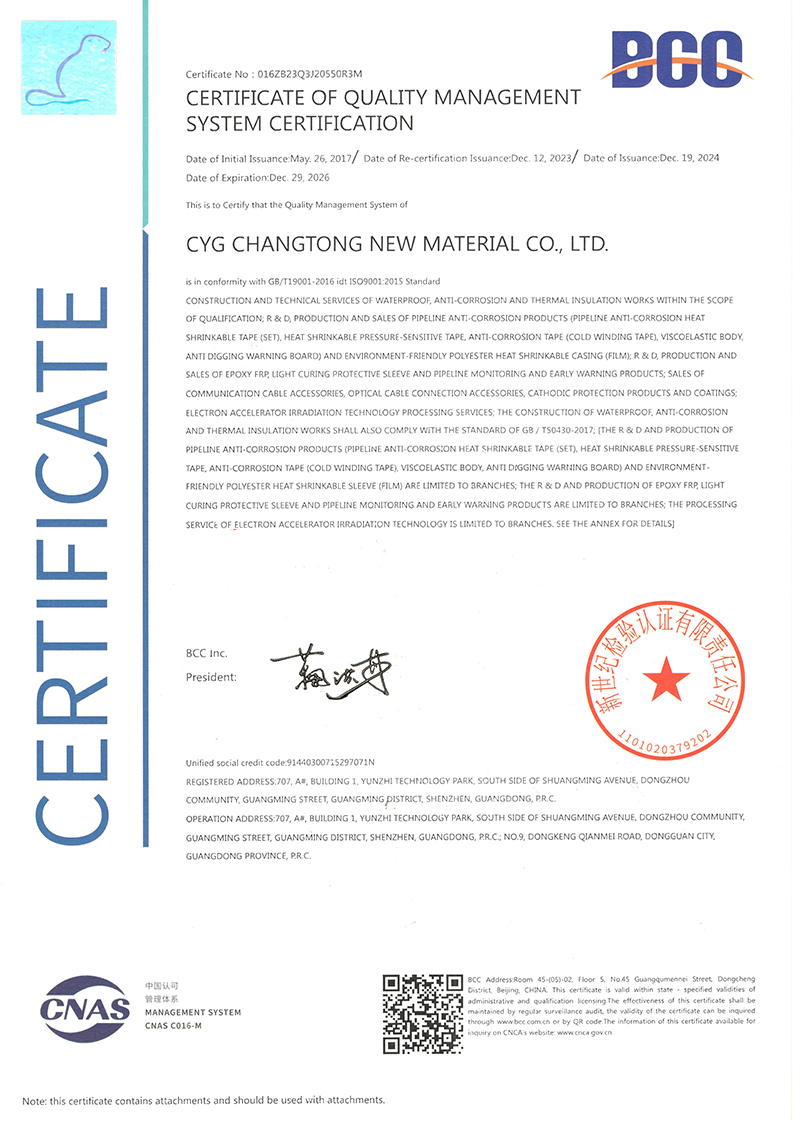
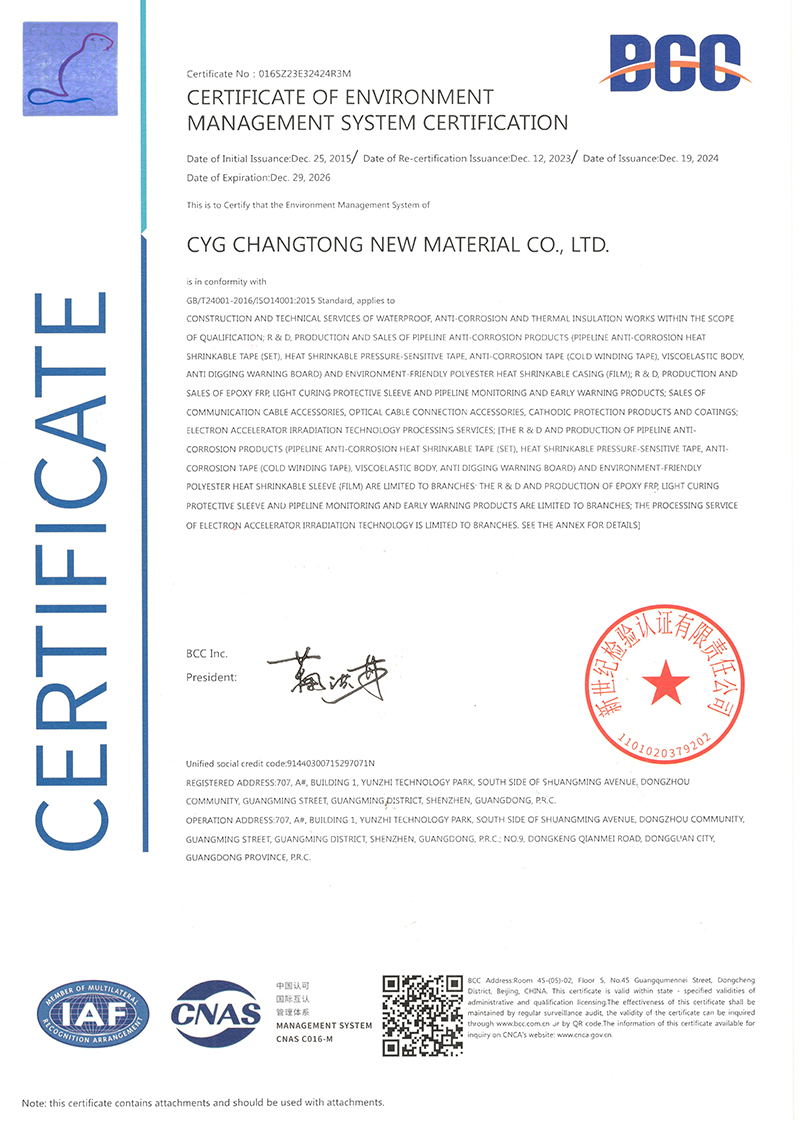
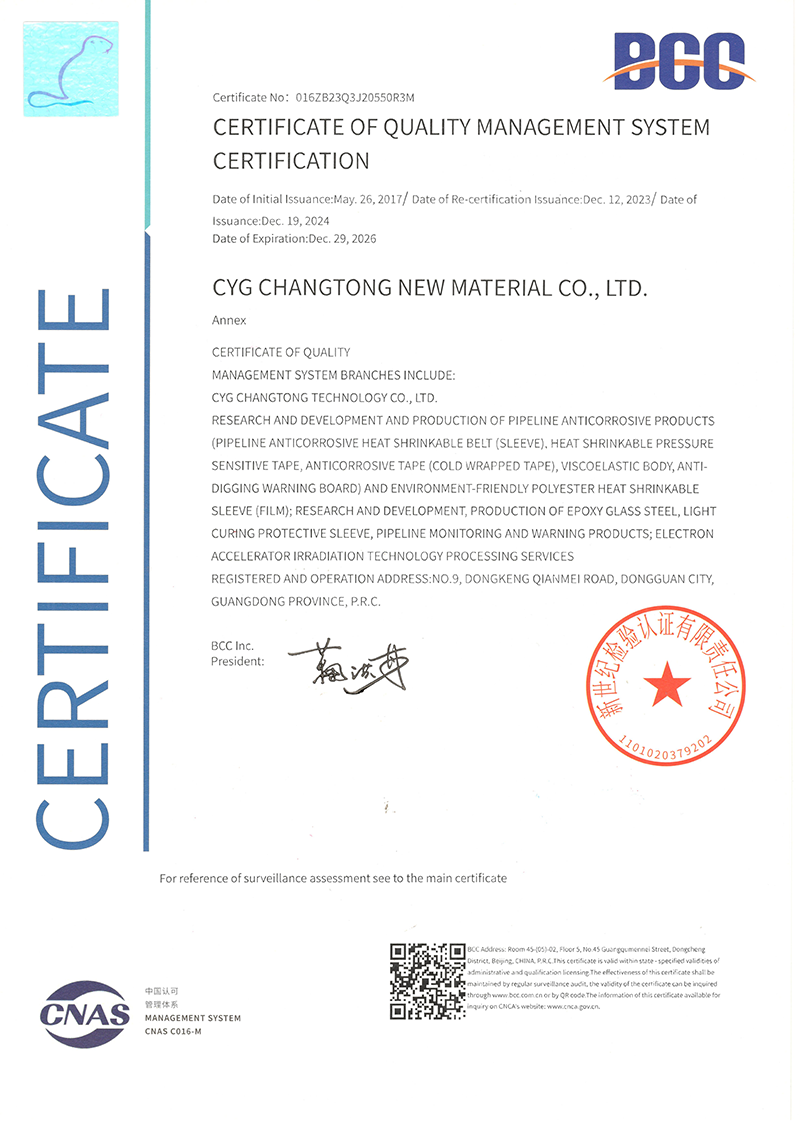
CYCT is a Council Member of the Chinese Society for Corrosion and Protection (CSCP), holds Qualification Certificates for Corrosion Protection Construction and Pipeline Detection, and is a corporate member of the China Association of Petroleum Engineering Construction (CAPEC). The company holds more than ten proprietary intellectual property rights, validating its R&D capabilities.
Industrial heat shrink products are engineered to perform in demanding, high-stress environments. Key applications include:
When sourcing heat shrink materials, procurement and corrosion engineers evaluate key performance metrics to ensure long-term reliability. These parameters include:
Technical answers covering cross-linking physics, installation procedures, and quality control specifications.
Explore specialized field joint systems, repair patches, and high-performance viscoelastic solutions designed for demanding conditions.
 CYCT
CYCT