Decades of Integrity, Engineering Research, and High-Performance Field Joint Coating Systems Tailored for Global Pipeline Integrity Management.
Engineered wrapping tapes and sleeves designed for extreme environments, meeting international pipeline construction specifications.
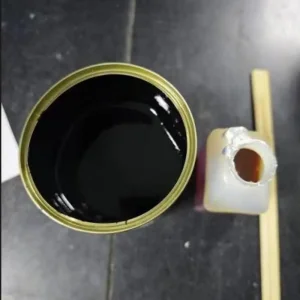
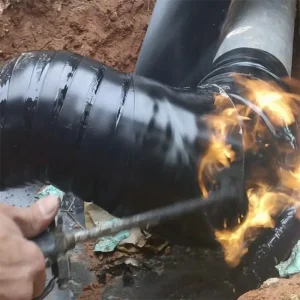
Modern steel infrastructure operates under severe thermal dynamics, corrosive soils, and deep underwater stresses. Standard protection systems are prone to mechanical degradation over time. Advanced anti-corrosion wrapping tapes, heat shrink sleeves, and viscoelastic coatings serve as the final barrier safeguarding multi-billion dollar municipal water networks and oil and gas transmission systems.
China is now the global manufacturing powerhouse for polymer science. It delivers cost-effective, high-durability wrapping tapes that meet international standards. Chinese manufacturers play a critical role in global oil, gas, and water infrastructure. They provide raw materials that conform to EN 12068, ISO 21809-3, and NACE/AMPP guidelines.
Most field joint failures stem from poor surface preparation, soil stress disbondment, or low-performance adhesives. Modern viscoelastic coatings resolve this by flowing under stress and self-healing minor damages.
Modern standards utilize 3LPE or 3LPP systems. Wrapping tapes must integrate perfectly with epoxy primers and backing polymers to prevent oxygen and water infiltration.
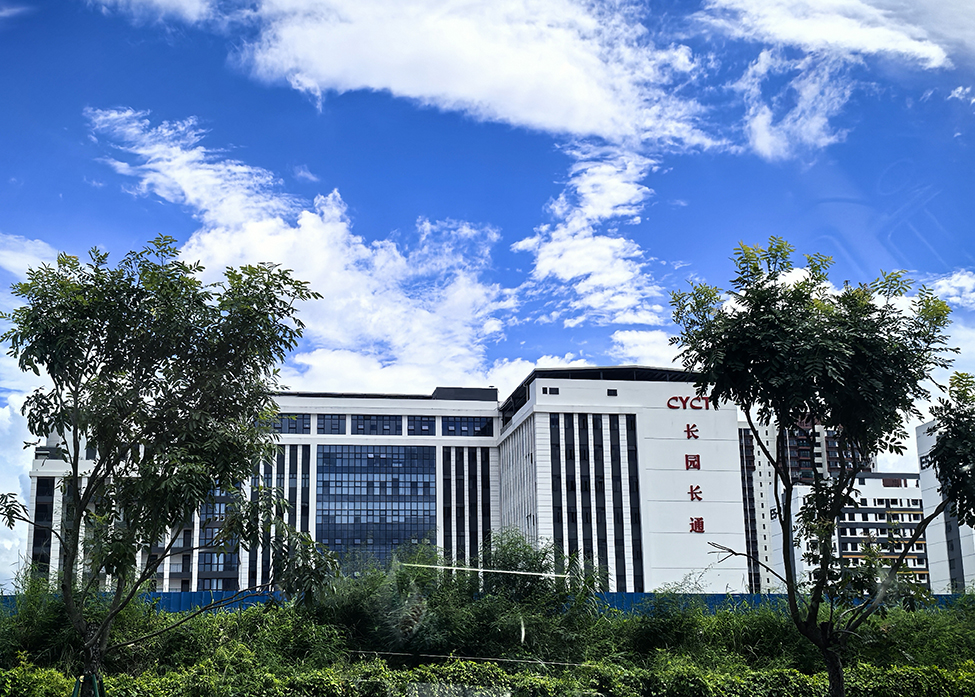
CYCT New Materials Company Limited (for short, CYCT) is a state-level high-tech enterprise integrating R&D, production and sales of pipeline corrosion protection materials as well as buried pipeline detection service and pipeline coating field application service into one.
CYCT devotes itself to R&D, production and sales of pipeline corrosion protection materials for decades. The company is a stable supplier of field joint coatings for PetroChina, Sinopec, PipeChina and local pipeline operators, securing a commanding market share. Furthermore, CYCT has successfully developed and introduced a number of specialty corrosion protection materials such as viscoelastic anticorrosion materials, special photo-curing sleeves for HDD protection, and polyurea coatings.
"By cooperating with leading R&D institutes such as the CNPC Pipeline Science Research Institute, CYCT provides in-service pipelines with varied technical services including buried pipeline detection, design schemes, cathodic protection, rehabilitation projects, and integrated solutions for pipeline safety."
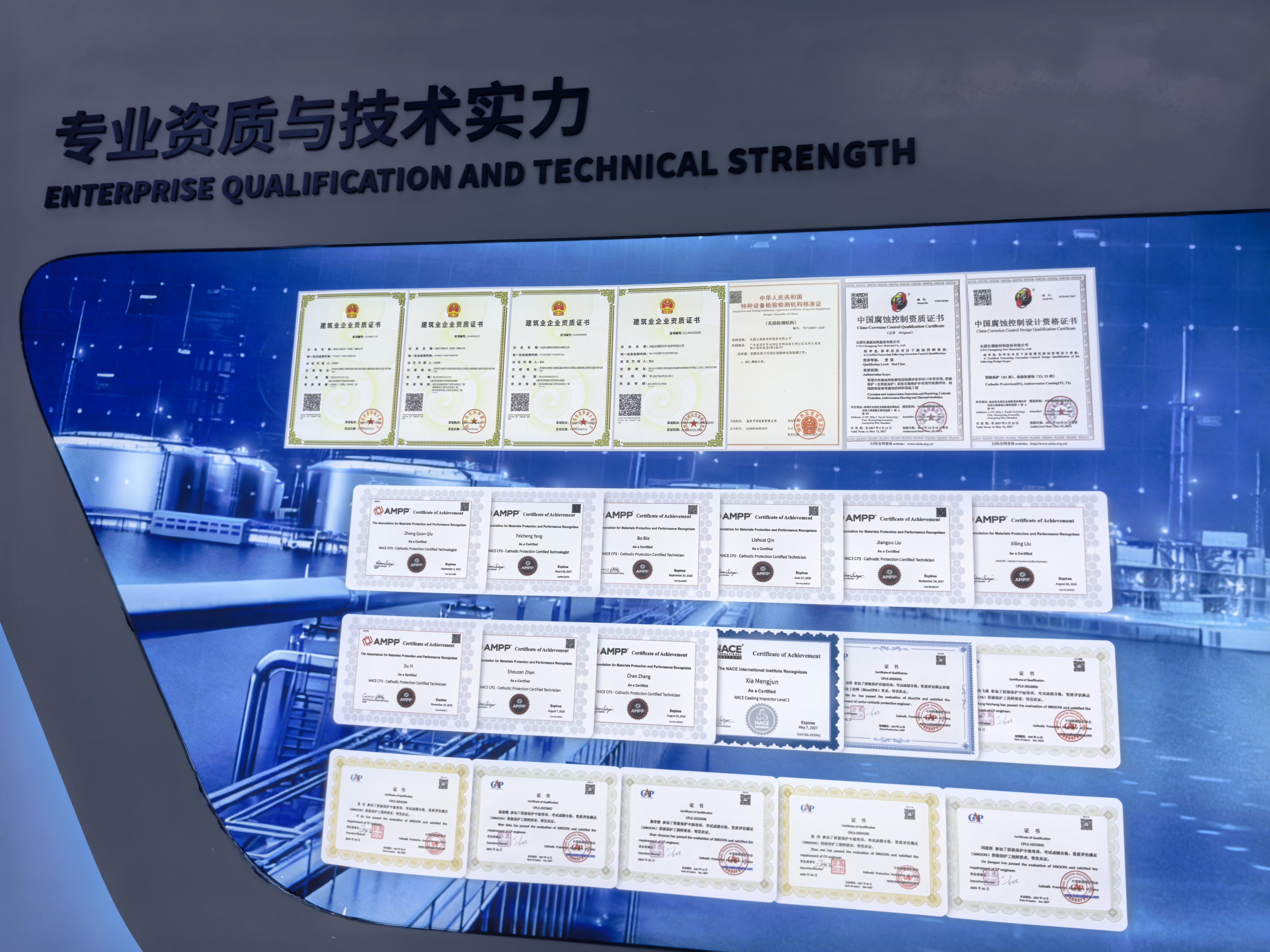
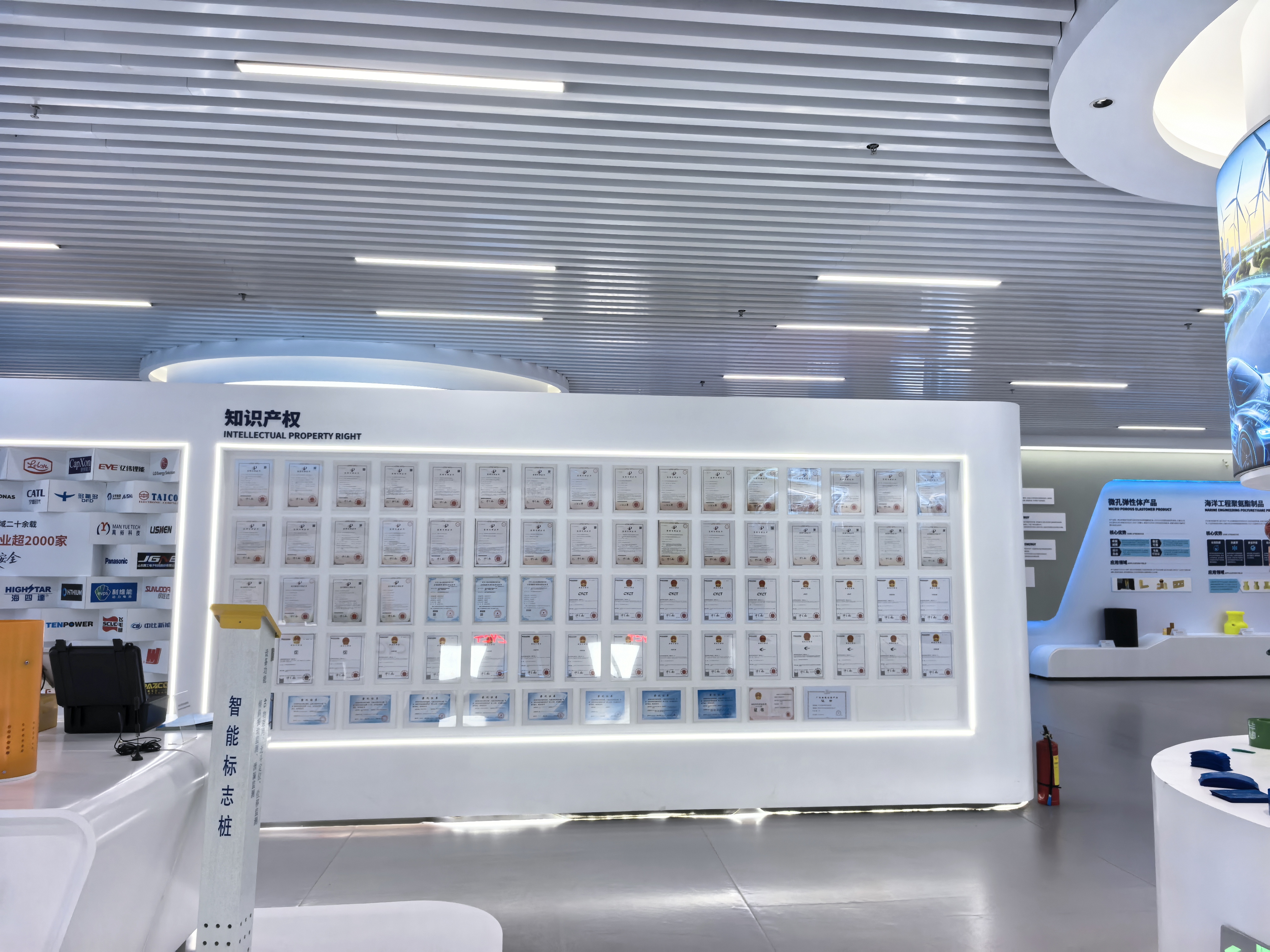
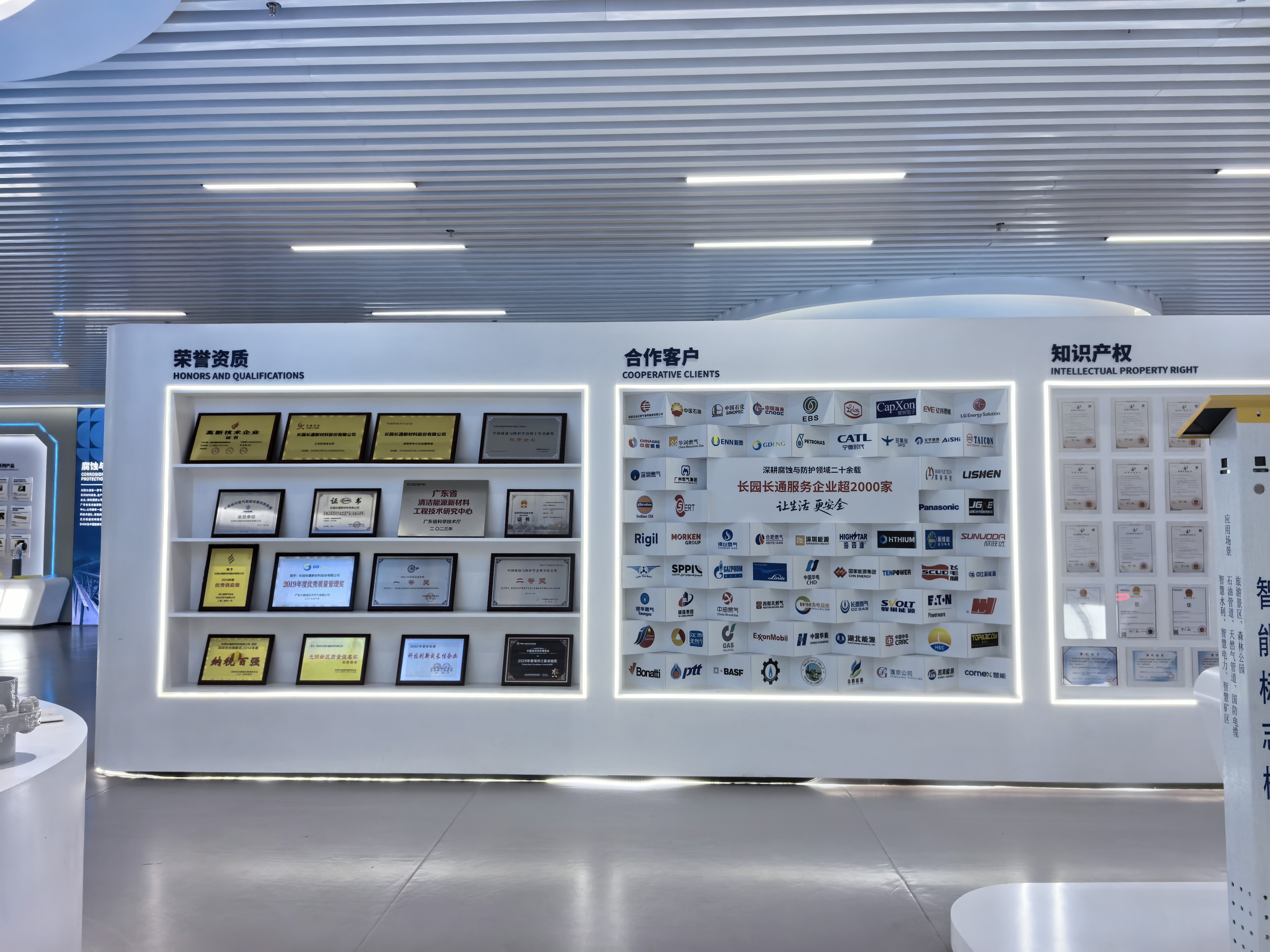
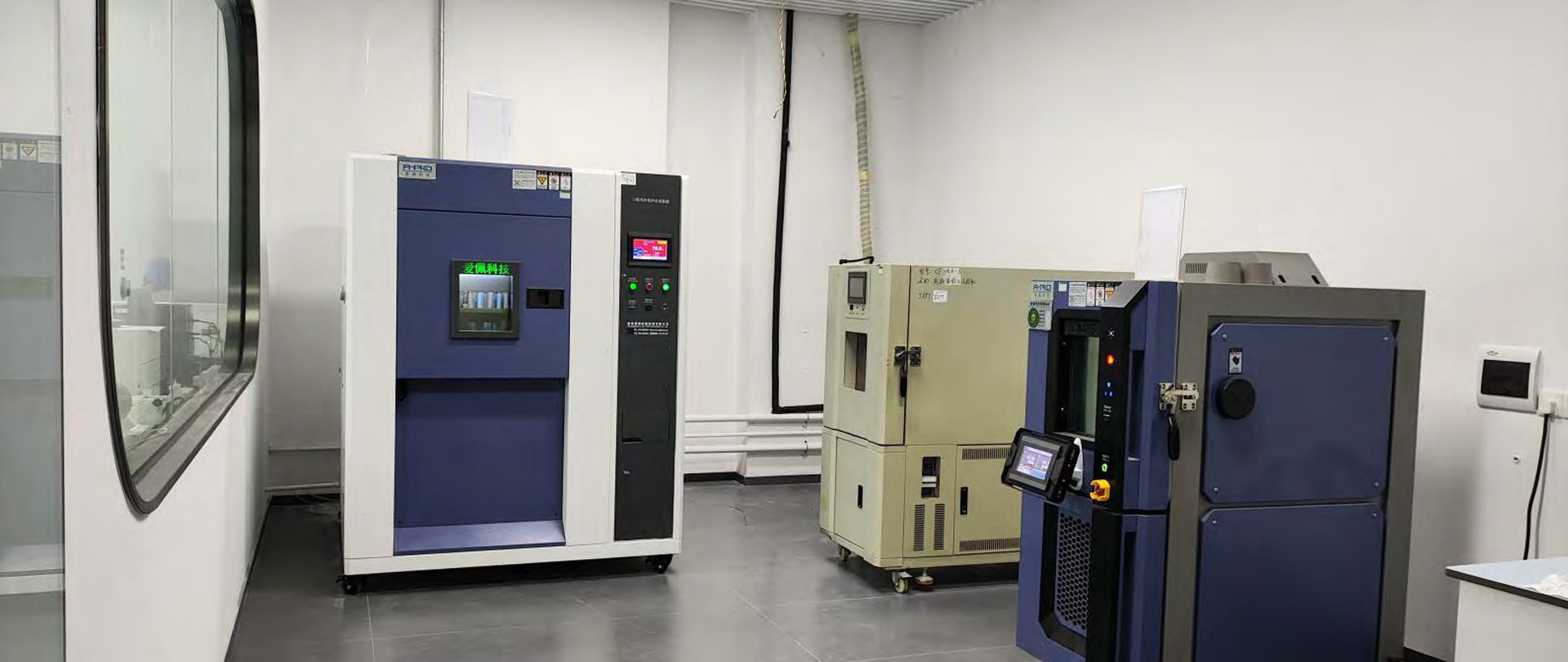
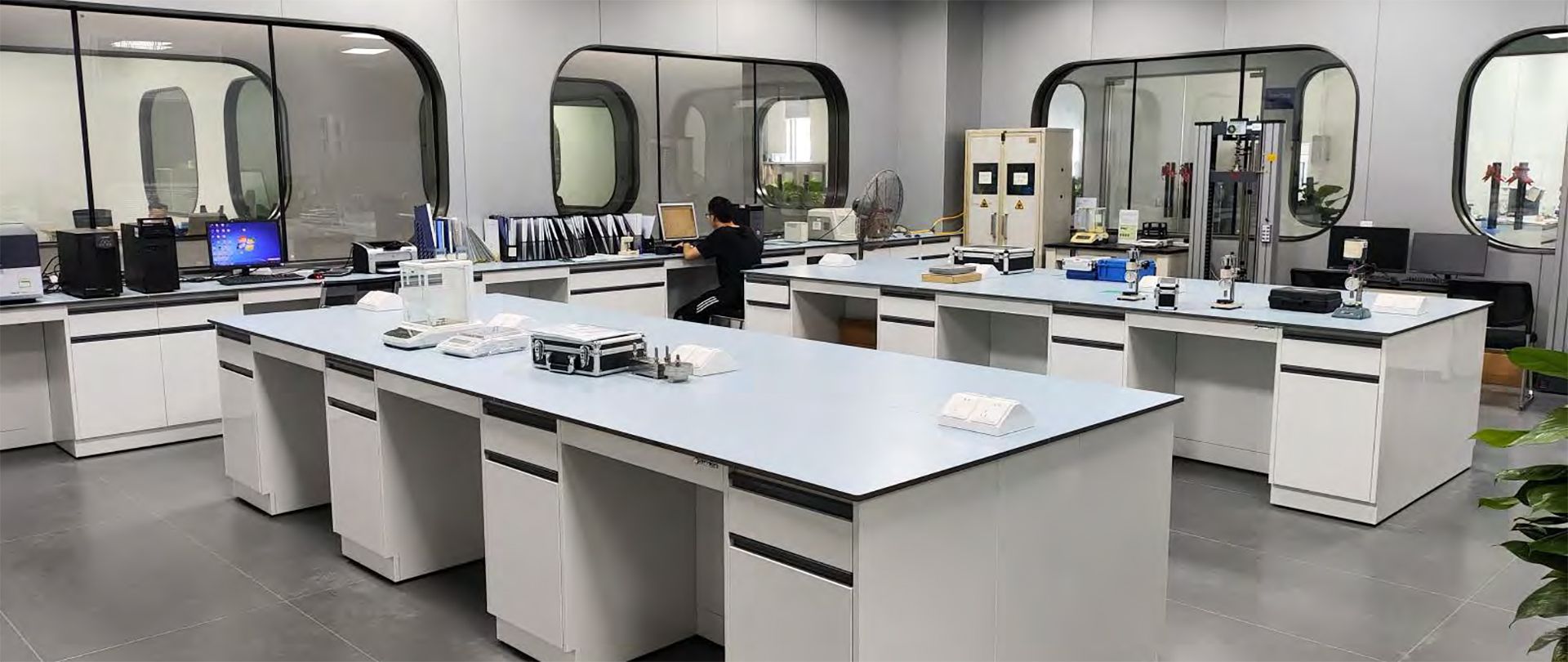
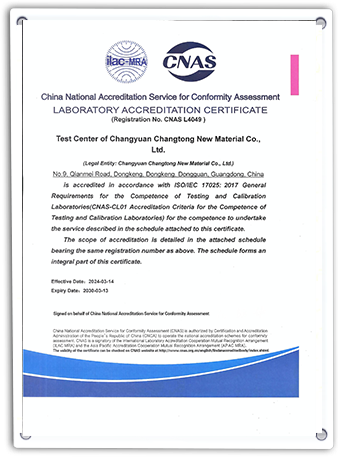
CNAS Laboratory & Research: CYCT owns leading testing and R&D capabilities, a professional R&D team, and a national CNAS-accredited laboratory, ensuring every batch meets international standards.
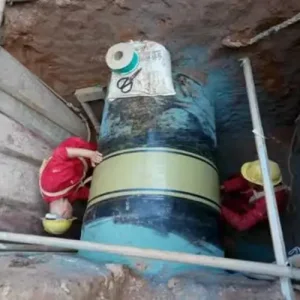
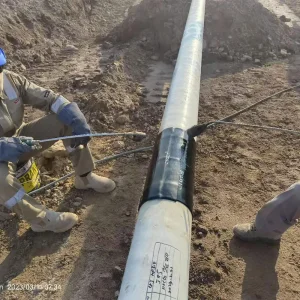
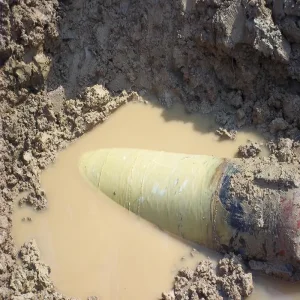
Pipeline corrosion prevention requires a deep understanding of polymer chemistry, adhesion kinetics, and soil mechanics. The interface between the factory-applied pipe coating (usually 3LPE, 3LPP, or FBE) and the field-applied joint wrapping system is the most critical link in pipeline design. Field joint coatings are applied on-site under variable weather conditions, making ease of installation and tolerance to surface preparation essential parameters for tape design.
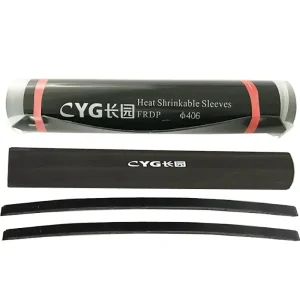
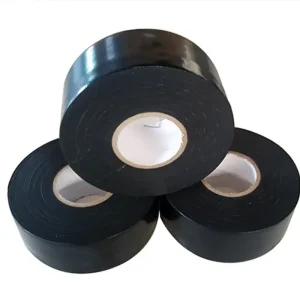
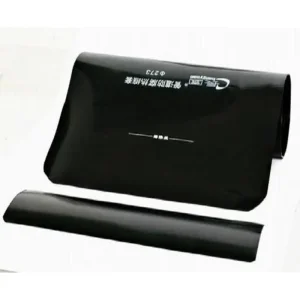
Anti-corrosion wrapping tapes are categorized by their polymer backing and adhesive composition. High-Density Polyethylene (HDPE) backings combined with heavy-duty butyl rubber adhesives are the standard for pipeline operating temperatures up to 60°C or 80°C. For extreme temperature profiles, Polypropylene (PP) based heat shrinkable sleeves or wrapping tapes are utilized to withstand temperatures reaching 110°C to 120°C.
Polypropylene has higher tensile strength, impact resistance, and lower soil stress susceptibility than polyethylene. However, PP requires higher preheating temperatures during installation to ensure proper adhesive flow. This makes quality control during field joint application vital to prevent disbondment.
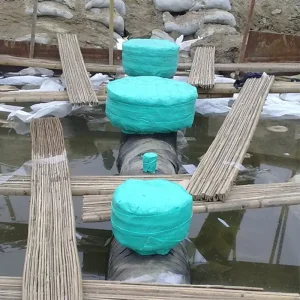
Viscoelastic coatings have transformed pipeline rehabilitation. Unlike traditional crystalline polymer adhesives, viscoelastic compounds behave like high-viscosity liquids with elastic properties. They flow into the steel surface's micro-crevices, creating an intimate, moisture-free bond. They do not cure, remain permanently tacky, and have self-healing characteristics. If the backing is punctured, the viscoelastic paste flows to seal the breach.
Furthermore, viscoelastic coatings require minimal surface preparation (often ISO 8501-1 St 2/St 3 is sufficient), eliminating the need for abrasive blasting in sensitive ecological environments or operational oil & gas stations.
Selecting the optimal wrapping system requires evaluating several operational parameters:
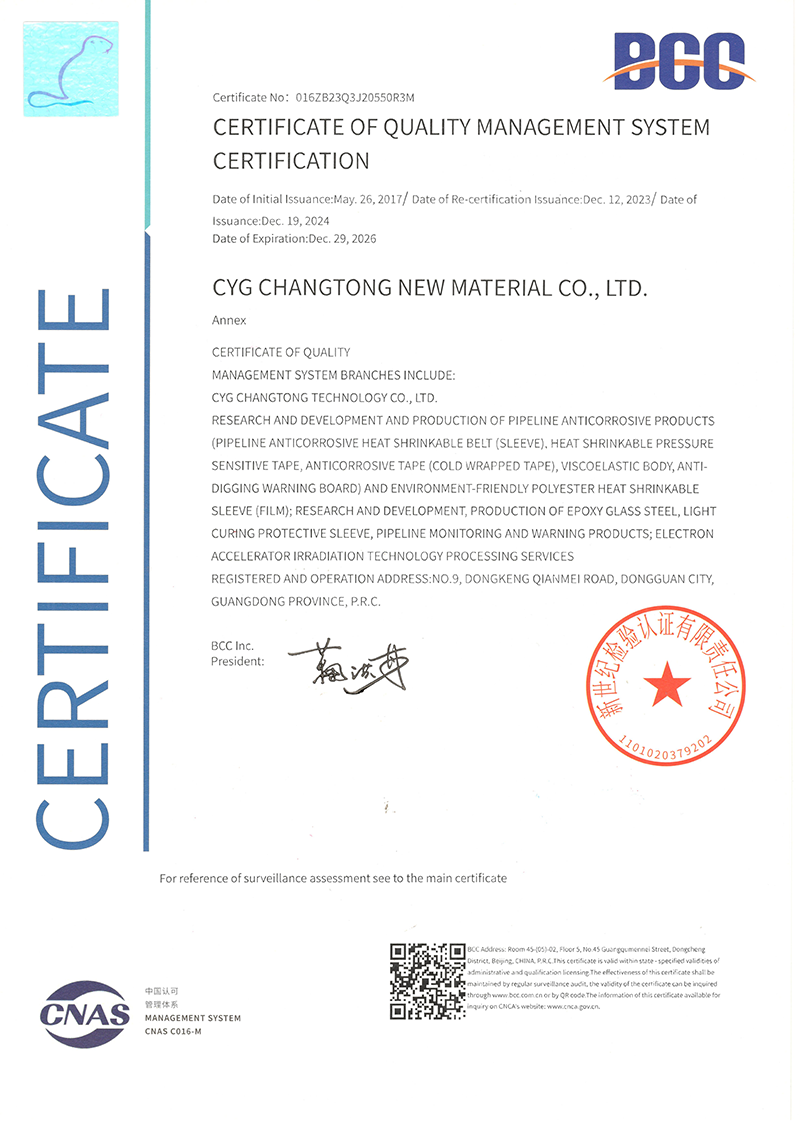
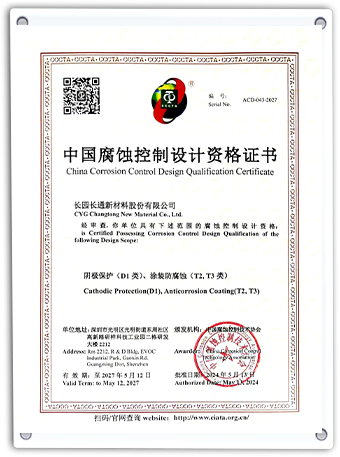
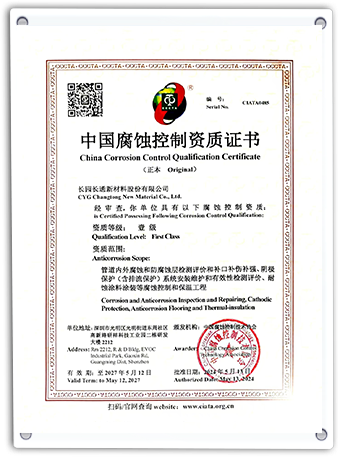
CYCT's products and factory systems are fully audited, certified, and compliant with international standards, ensuring reliable field joint performance.
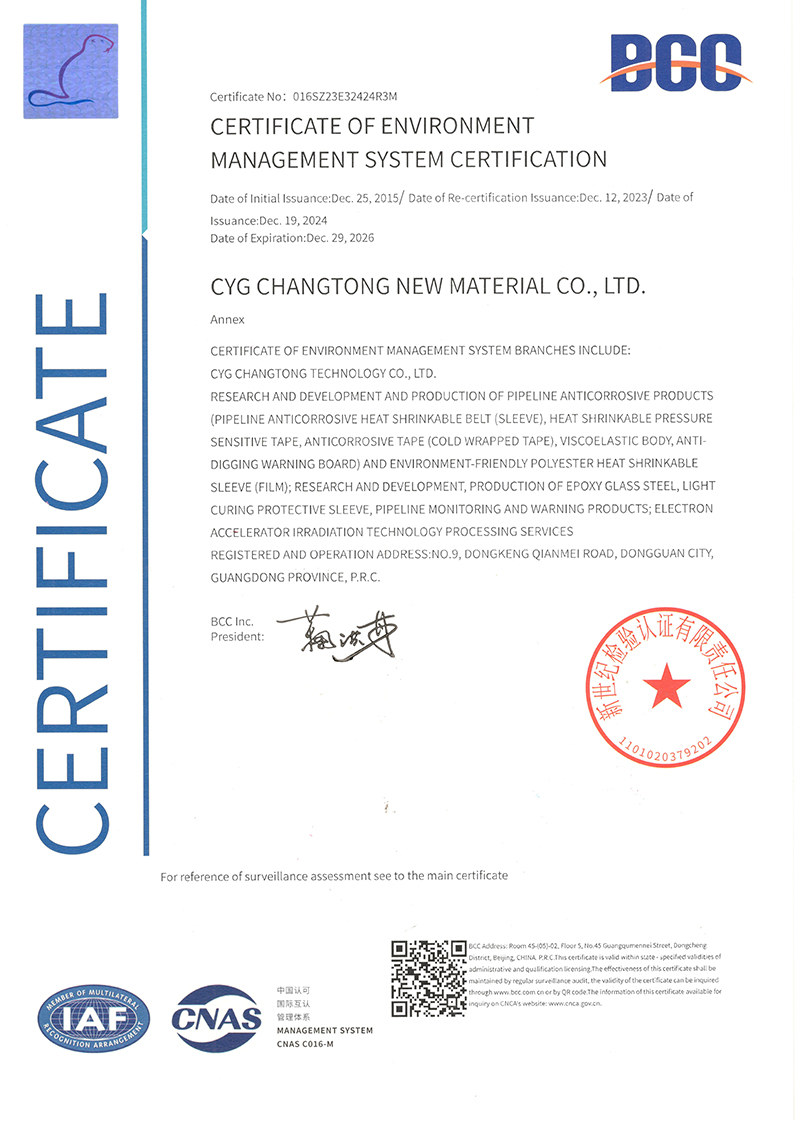
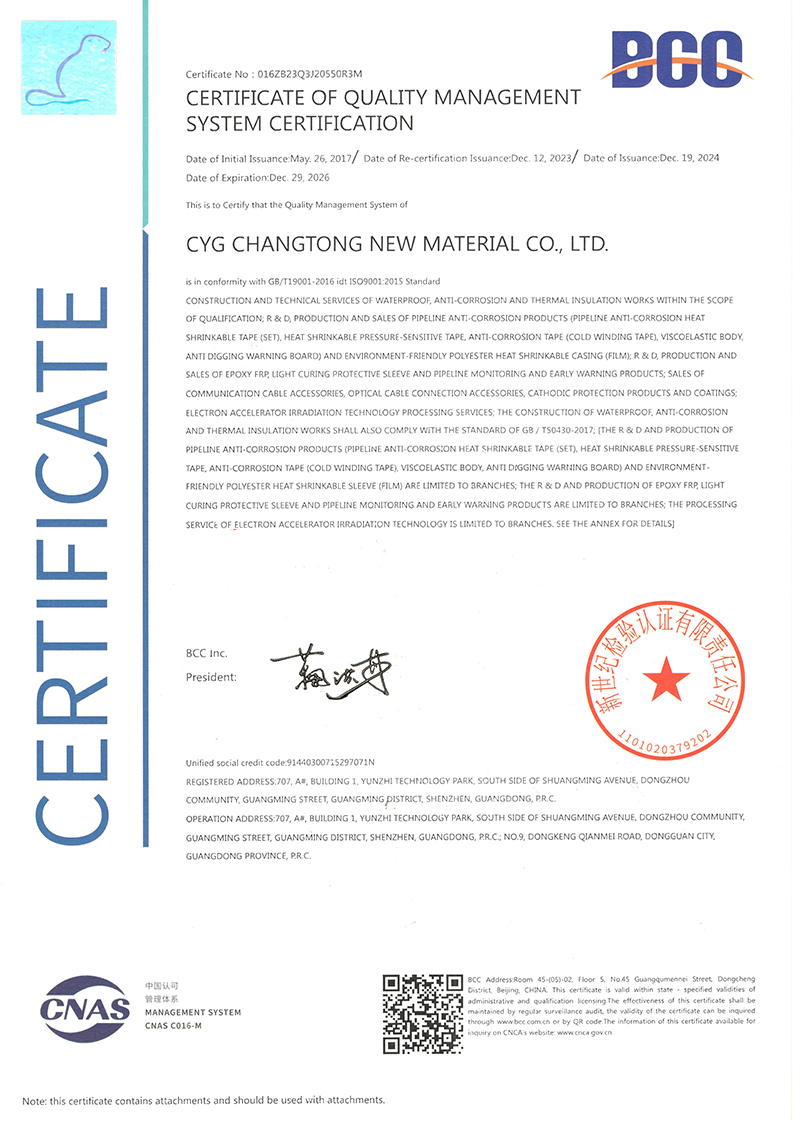
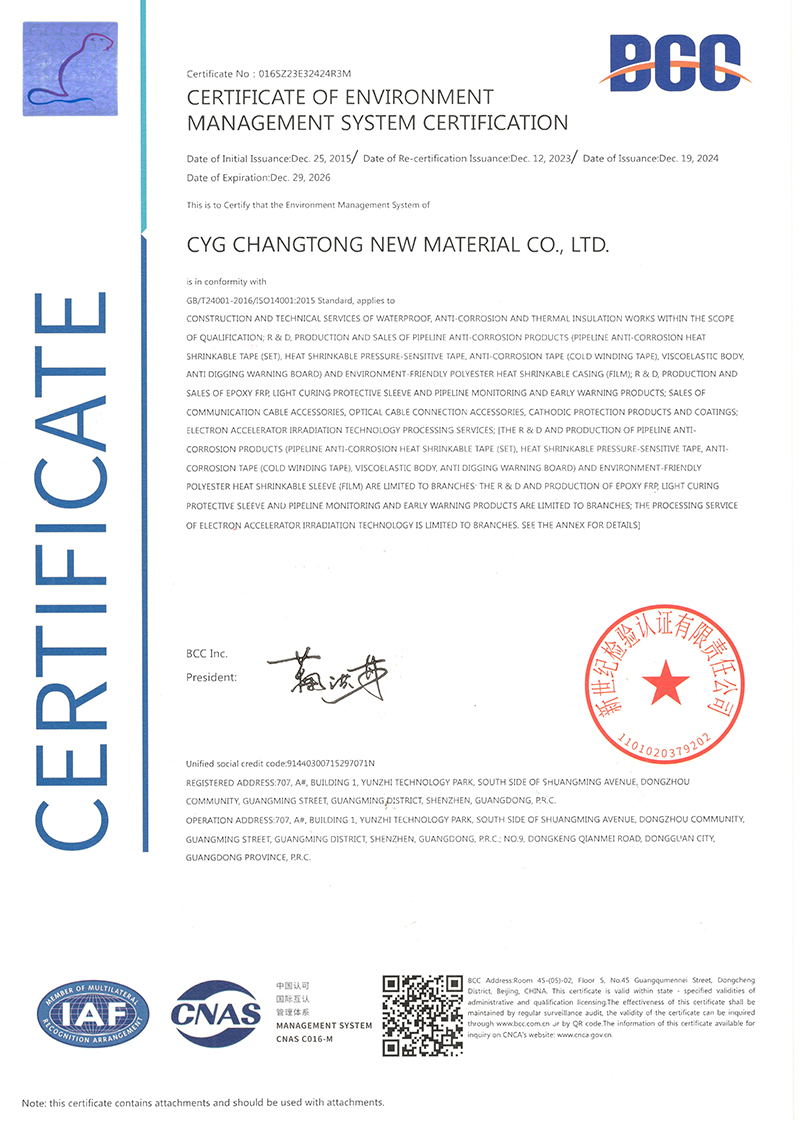
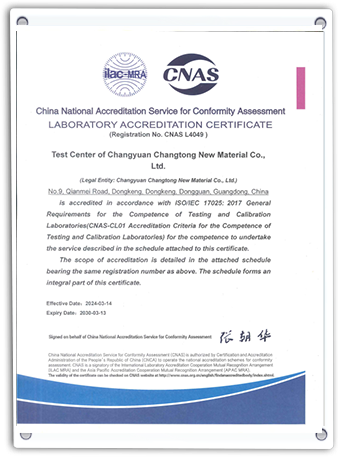
CYCT's continuous commitment to advanced R&D aligns with three major global infrastructure development trends:
As pipelines cross deep-soil clay areas and mountainous terrains, axial movement exerts high shear force on the field joints. Next-gen polymer adhesives resist shear displacement and prevent wrinkling under severe soil load changes.
Transitioning to solvent-free primer technology eliminates VOC emissions, aligning with global green building mandates. These primers establish cross-linked chemical bonds with steel surfaces and the wrapping tape's adhesive layer.
To minimize installation errors, CYCT is pioneering mechanized field wrapping systems. These systems maintain consistent tape tension, overlap width, and temperature control, eliminating human variance on the construction site.
Get expert answers to critical technical questions regarding pipeline wrapping tapes, heat shrink sleeves, and system longevity.
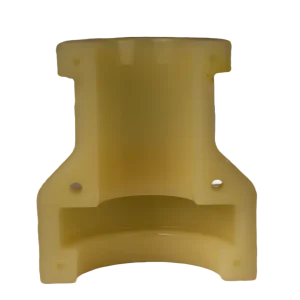
Explore our specialized field joint systems, repair systems, and structural protectors engineered for high temperature and heavy mechanical stress.
 CYCT
CYCT