Engineered to mitigate microbial and electrochemical corrosion in saturated deltaic soil conditions
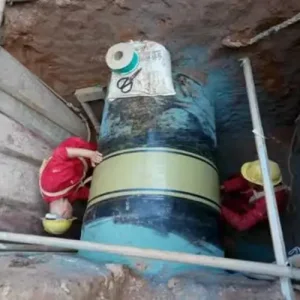
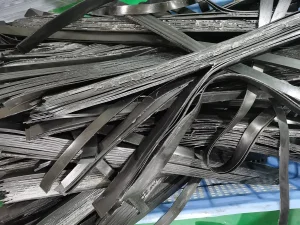
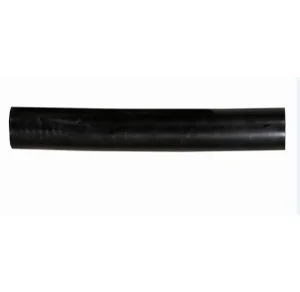
The Netherlands houses one of Europe’s most complex underground pipeline grids. Spanning across regions of dense industrialization and deltaic terrain, pipeline networks here face severe challenges due to high water tables, saline coastal aquifers, and fluctuating peat and clay soils. Protecting gas, chemical, and utility pipelines from localized structural deterioration demands specialized corrosion materials that satisfy the stringent regulatory frameworks of NEN 3650 and NEN 3651.
Subsoil settlement and mechanical stress in wet soils put extra structural load on field joint coatings and mainline repairs. Under these conditions, typical materials fail prematurely due to cathodic disbondment and water ingress. High-quality polymeric repairs and glass fiber reinforced systems (GFRP) provide essential barrier protection, keeping critical transmission pipelines safe from corrosive soil environments.
Our solutions conform to NEN 3650, ISO 21809, and EN 12068, providing long-term reliability for public utility gas lines and chemical transport pipelines throughout the Benelux region.
From GFRP reinforcement sleeves to structural repair patches, our materials allow in-service pipeline restoration, eliminating the need for costly shutdowns and line purges.
Specifically engineered to withstand maritime temperatures, high humidity, and aggressive soil conditions typical of the North Sea coastline and tidal zones.
Years of Engineering Expertise
National Certified Laboratory
Proprietary Patents & Intellectual Property
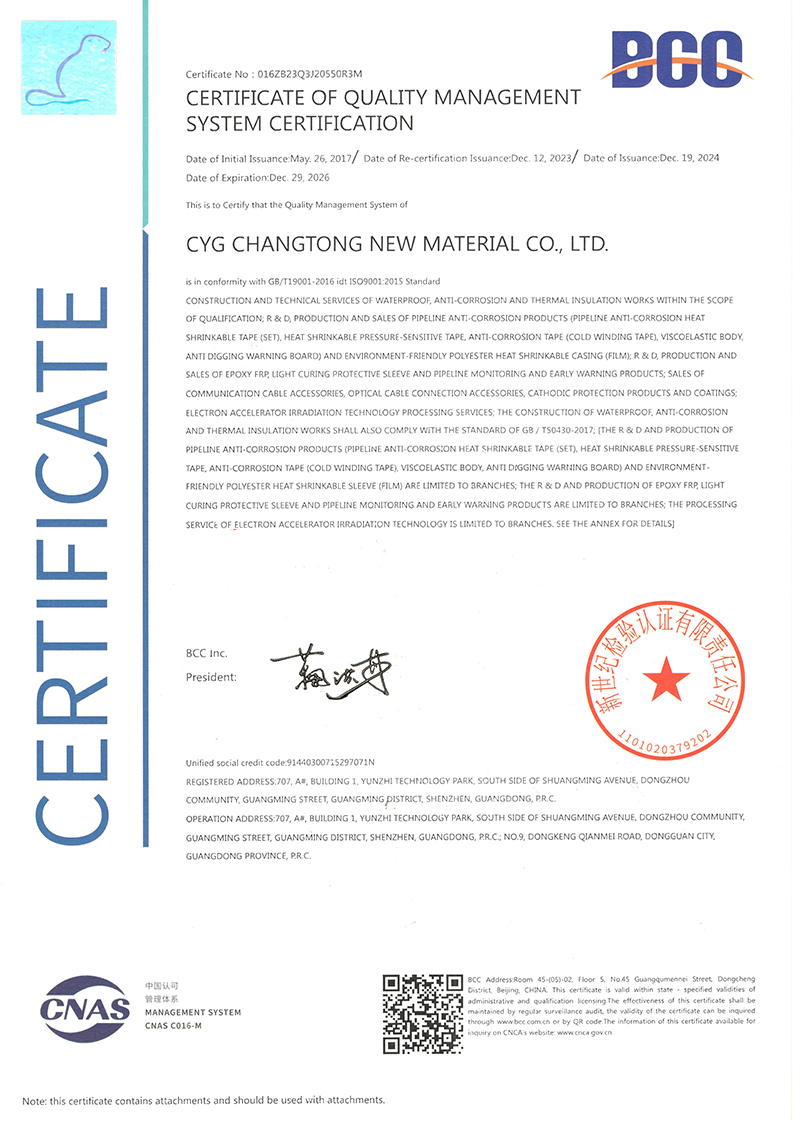
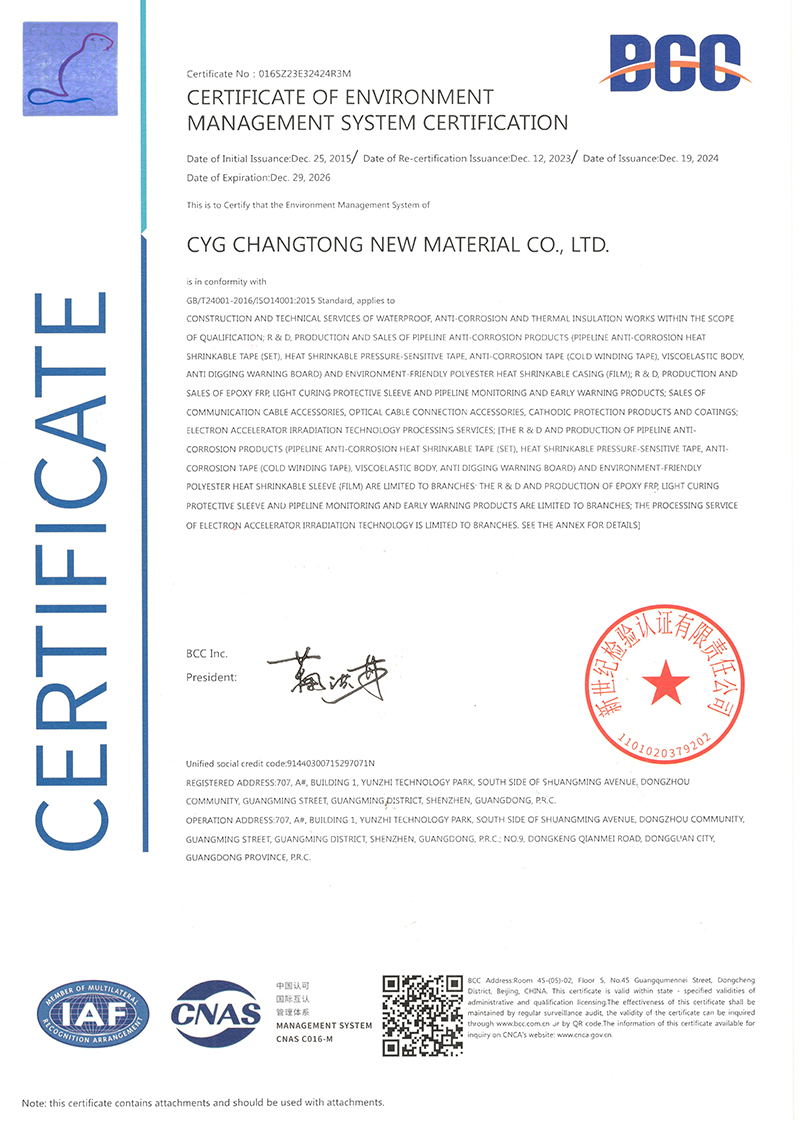
9001, 14001, 45001 Quality Assured
On a global scale, pipeline infrastructure is aging. Large portions of transmission lines built in the late 20th century are now showing signs of external corrosion and mechanical defects. Replacing these lines requires significant capital expenditure and faces complex environmental approval processes. Trenchless technology and in-situ repairs present a more cost-effective alternative for pipeline operators.
Our composite repair systems use unidirectional fiberglass combined with custom epoxy resins. This setup restores the hoop strength of pipelines without relying on heavy steel clamps. This lightweight solution is particularly beneficial in marshy areas, such as the Groningen gas field region or tidal basins, where heavy excavation machinery faces logistical constraints.
As the Netherlands transitions its national gas grid to transport hydrogen (the Waterstofnetwerk Nederland initiative), pipeline integrity assessments are changing. Hydrogen diffusion and embrittlement represent a serious concern for older steel pipes. While hydrogen affects the metal itself, the higher operating pressures and thermal cycles place additional demands on external coatings.
Our repair patches and hot melt adhesives are formulated to maintain high adhesion and elasticity across dynamic thermal cycles. The low gas-permeability index of our PE repair patches and PP outer tapes provides solid defense against moisture intrusion and oxygen diffusion, protecting pipelines during these new operational conditions.
Learn more about CYCT’s dedication to pipeline corrosion protection and technological innovation since 2000
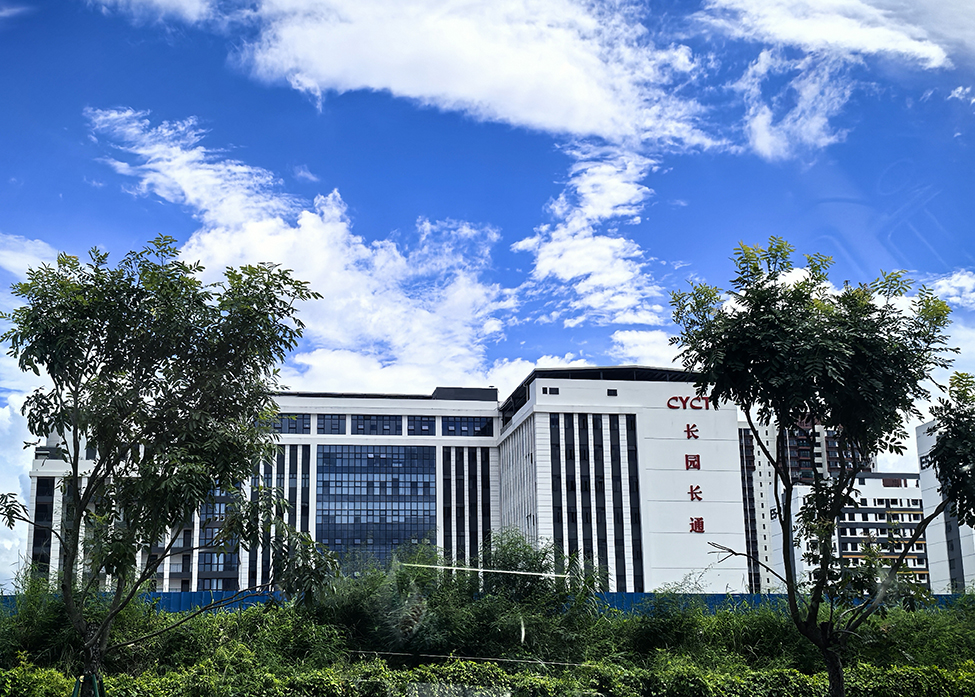
CYCT New Materials Company Limited (for short, CYCT) is a state-level high-tech enterprise integrating R&D, production and sales of pipeline corrosion protection materials as well as buried pipeline detection service and pipeline coating field application service into one. CYCT devotes itself to R&D, production and sales of pipeline corrosion protection materials for decades.
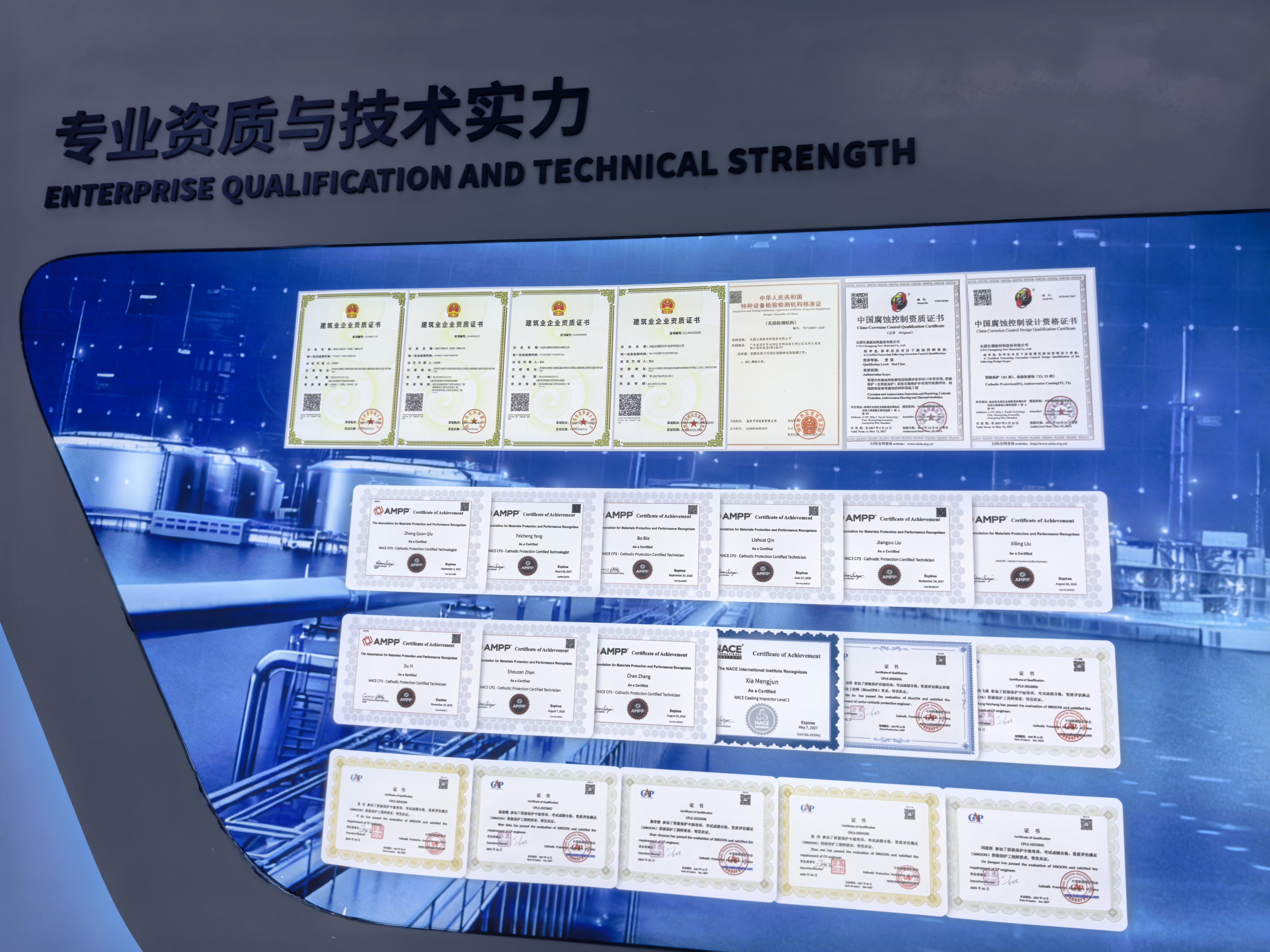
CYCT owns leading testing and R&D capabilities, a professional R&D team, and a national CNAS-accredited laboratory. Through close collaboration with leading R&D institutes such as the CNPC Pipeline Science Research Institute, CYCT is capable of providing in-service pipelines with varied technical services, including buried pipeline detection, design schemes, cathodic protection, rehabilitation projects, and integrated pipeline safety solutions.
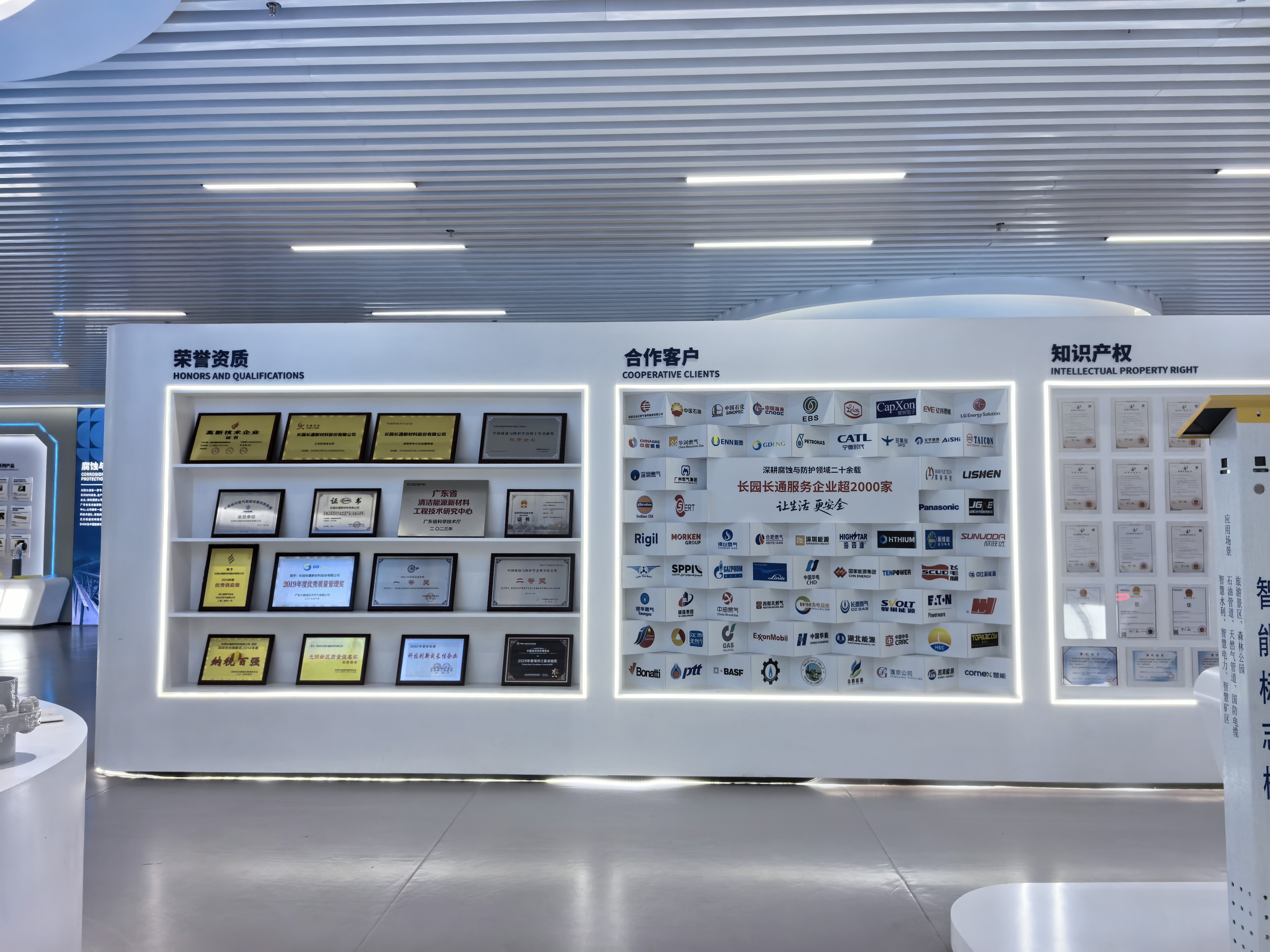
As a stable supplier of field joint coatings for years to major pipeline networks like PetroChina, Sinopec, PipeChina, and local networks, CYCT maintains a strong market share. Furthermore, CYCT has developed and introduced specialty corrosion protection materials, including visco-elastic anticorrosion materials, special photo-curing sleeves for HDD protection, and polyurea coatings.
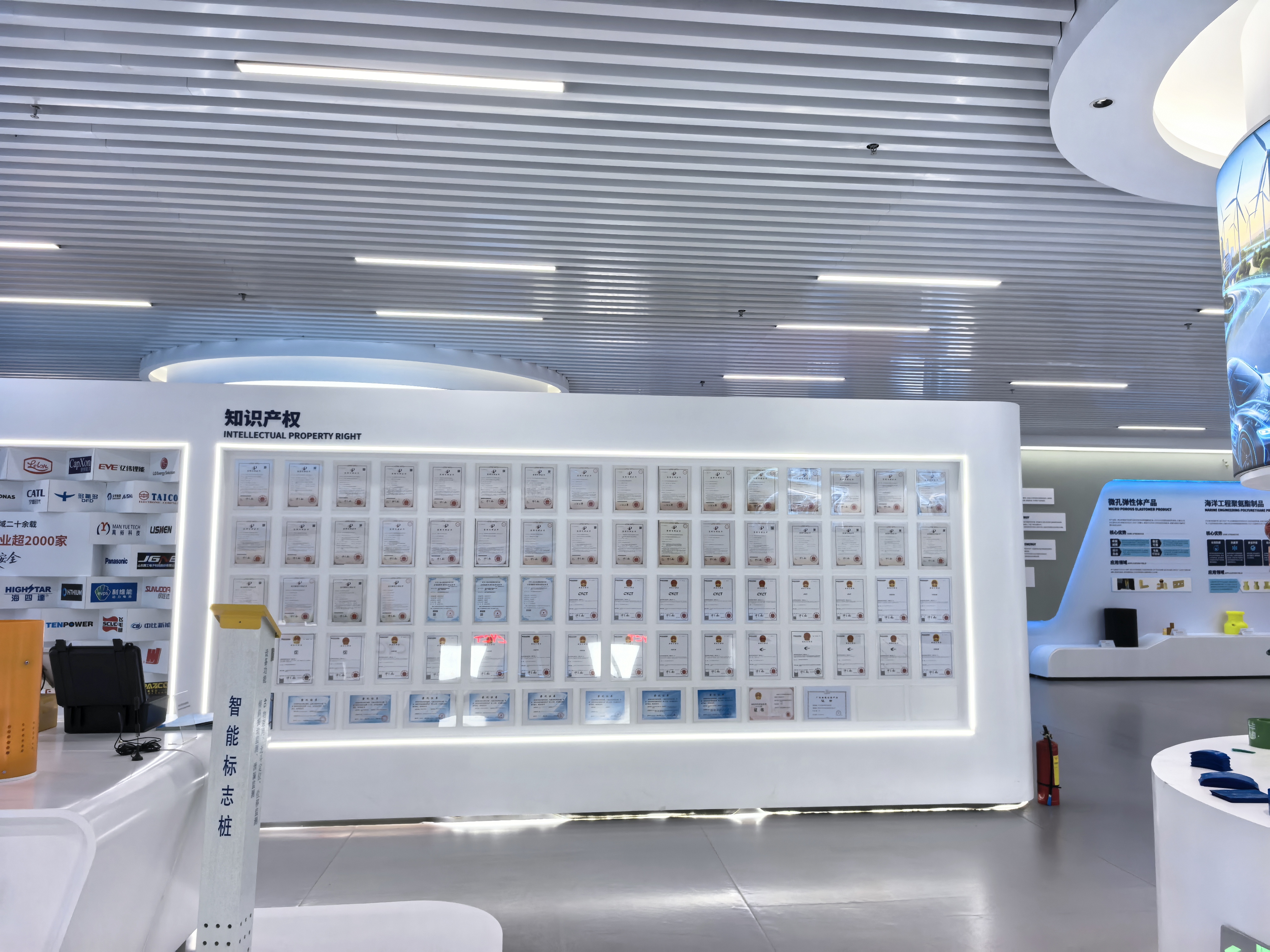
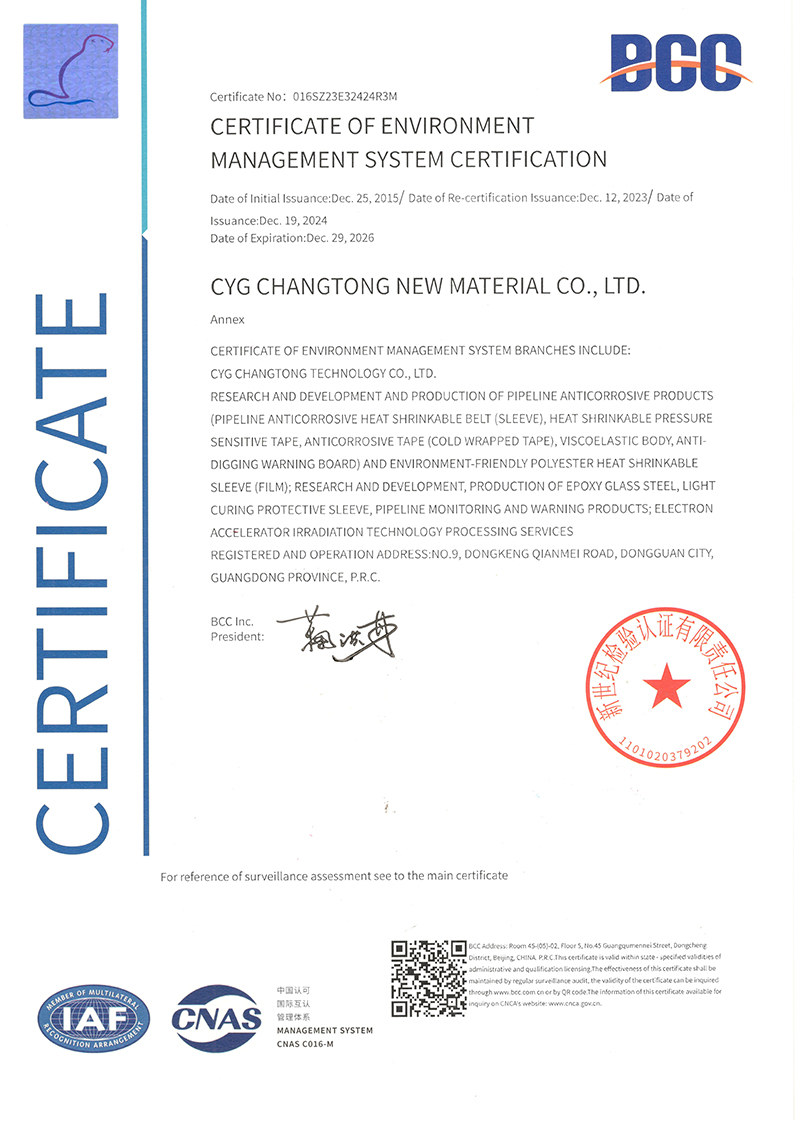
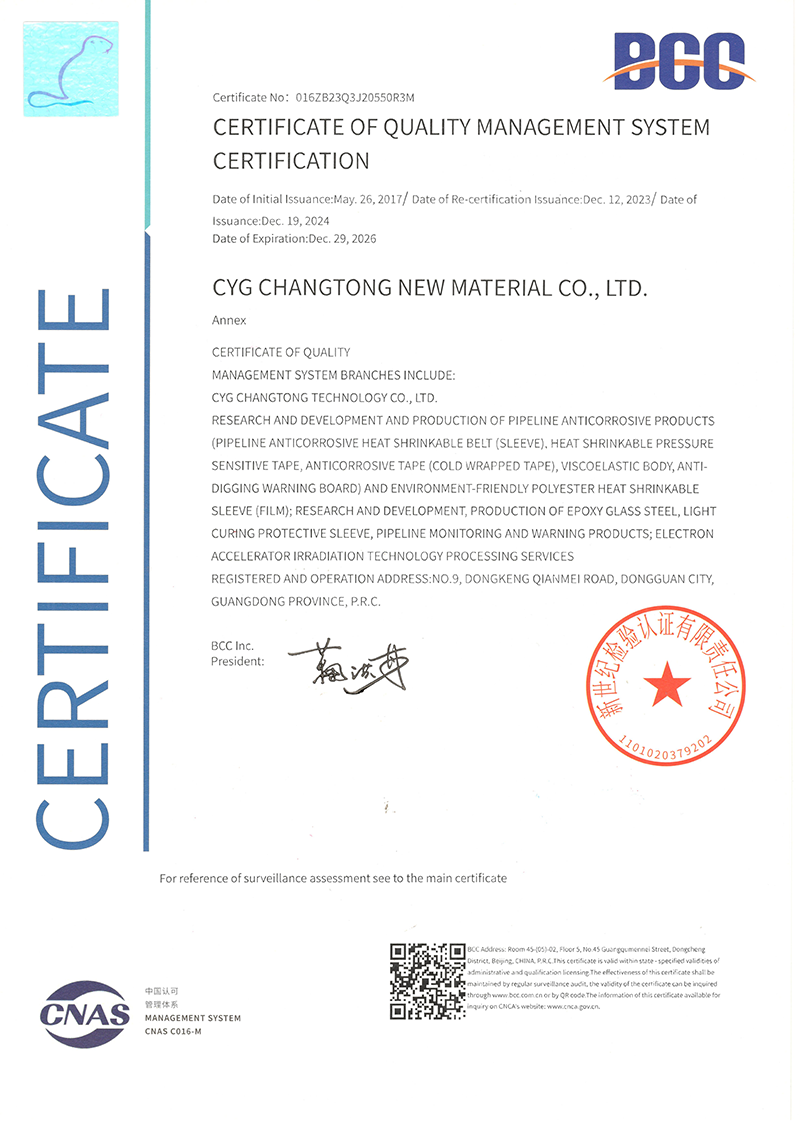
Member of Council in Chinese Society for Corrosion and Protection (CSCP), Qualification Certificate of Corrosion Protection Construction, Qualification Certificate of Pipeline Detection, Well-known Brand of Pipeline Corrosion Protection in China, Corporate Member of China Association of Petroleum Engineering Construction (CAPEC), State-Level High-Tech Enterprise with more than ten proprietary intellectual property rights, Stable supplier of PetroChina, Sinopec, China Gas Group, and supplier of Indian Oil.
High-performance protective systems designed for rapid field application and long service life
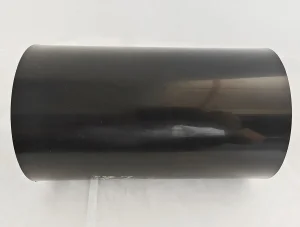
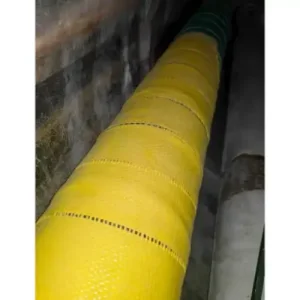
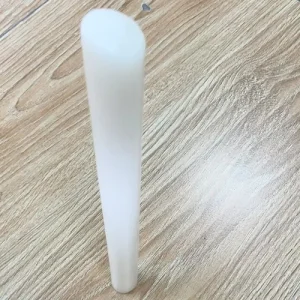
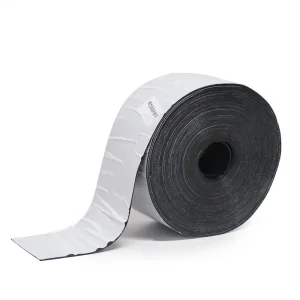
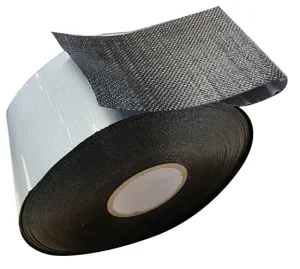
In the Netherlands, underground pipeline design, construction, and repair are governed by the NEN 3650 series (underground pipeline systems) and NEN 3651 (special provisions for crossing watercourses and dikes). These guidelines define strict mechanical limits, safety factors, and material certifications required to secure operating licenses. Field repairs must meet these same benchmarks to ensure there are no weak links in the transport network.
Our GFRP reinforcement systems are designed to satisfy these criteria by restoring structurally compromised pipes to their original pressure ratings. With high tensile modulus and minimal creep characteristics, they handle external soil loads and internal dynamic pressures without causing excessive strain at the transition joints.
Even the highest-quality corrosion materials can fail if applied incorrectly in the field. Wet coastal conditions in Northern Europe mean pipeline operators need materials that tolerate variable surface preparation and damp environments. Our moisture-curing shields and specialized primers are engineered for these field conditions, offering robust adhesion even at high humidity levels.
During rehabilitation, the pipe surface is prepared to Sa 2½ standards wherever possible, followed by the application of solvent-free epoxy primers. The PE/PP repair patches are then heat-shrunk over the defect. This process creates a continuous, high-shear barrier that prevents water ingress and resists cathodic disbondment over years of service.
Technical answers to common pipeline integrity and material questions from asset managers and engineering firms
Our pipeline repair and reinforcement materials undergo testing to verify their mechanical strength, thermal aging, and chemical resistance. Our GFRP composite repair systems meet ISO 24817 and ASME PCC-2 standards, aligning with the structural design criteria required by the NEN 3650 standard for under-pressure pipeline systems.
Our repair patches utilize high-molecular-weight polyolefin backing materials combined with shear-resistant adhesives. Once applied, they form a tough barrier that resists the shifting forces of wet soil. The adhesive layer flows into profile irregularities, preventing moisture migration and protecting against cathodic disbondment.
Yes. The polymers we select have low permeability to hydrogen gas. Since hydrogen systems often operate under high-pressure cycling, our viscoelastic fillers and outer tapes provide the necessary elastic buffer to accommodate pipe expansion and contraction without cracking or peeling.
We supply comprehensive technical datasheets, application manuals, and engineering guidelines. Our technical service team can consult on project designs and pipeline integrity requirements, helping operators verify compliance with international standards during field installation.
 CYCT
CYCT