High-efficiency coatings, joint protectors, and sealants engineered for the unique coastal conditions of Kenya, from the Mombasa Port Gateway to deep inland pipelines.
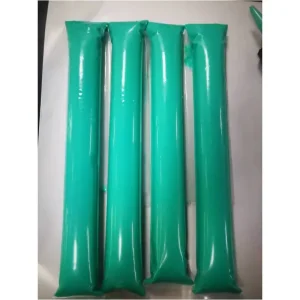
Excellent chemical resistance and adhesion for extreme marine environments.
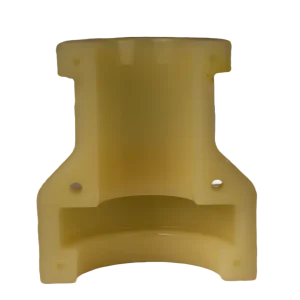
Ensures optimal cable bending radius and physical protection against sea currents.
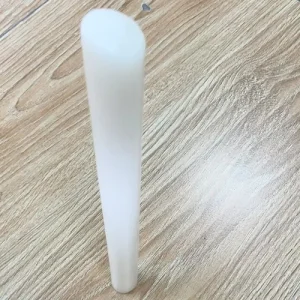
High-performance adhesive stick for polypropylene-based pipeline repair.
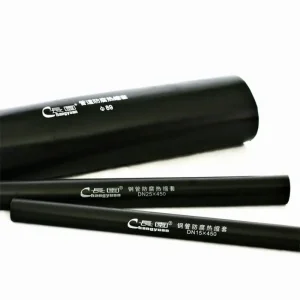
Specifically formulated for weld-joint anti-corrosion protection on major oil and water lines.
Kenya's unique geographic positioning, featuring a 536 km coastline along the Indian Ocean, makes it the dominant maritime trade hub for East and Central Africa. However, this positioning presents extreme engineering challenges. The tropical marine environment of Mombasa, Lamu, and surrounding coastal areas experiences high ambient relative humidity (often exceeding 80%), elevated temperatures averaging 27°C to 32°C, and high salinity. These conditions accelerate the rate of electrochemical corrosion, chloride-induced pitting of steel structures, and microbial-induced corrosion (MIC) on subsea pipelines and harbor installations.
Mombasa Port and the newer Lamu Port (under the LAPSSET corridor project) require structural pile protection, subsea cables, and coastal fuel conduits designed to withstand continuous wetting and drying cycles. Chloride ions penetrate standard coatings, initiating localized pitting. Specialized Vinyl Ester (VE) Putties and heavy-duty viscoelastic barrier coatings act as impermeable barriers, shielding critical steel assets from oxidation.
Pipelines carrying crude oil or refined products from coastal storage terminals to the Kenyan interior experience dramatic environment shifts. The soil-to-air transition zone at Mombasa and the shifting soils in high-temperature Rift Valley zones subject piping networks to severe soil stress, UV exposure, and moisture collection. Cross-linked PE wrapping tapes and PP heat-shrinkable sleeves are crucial to ensuring continuous dielectric insulation.
Kenya is undergoing massive infrastructure transformations. The Lokichar-Lamu Crude Oil Pipeline (LLCOP), the expansion of municipal water distribution lines under Kenya Water Security projects, and the expansion of Geothermal Power facilities in Naivasha require next-generation anti-corrosion protection. As municipal and energy infrastructure scales, the demand for localized corrosion protection moves toward systems that are easy to apply on-site, highly tolerant to surface preparation variations, and durable for 30+ year design cycles.
KenGen's geothermal fields in Olkaria require pipelines to operate at elevated temperatures. Typical field-joint coatings fail because high geothermal soil temperatures degrade standard PE/PP backings. Our Solvent-Free Epoxy Primers paired with PP heat shrink sleeves offer continuous performance at up to 85°C, ensuring robust pipeline joints.
The Kenyan government's focus on the Blue Economy has spurred maritime investments, offshore mineral extraction plans, and subsea cable routing. Solutions like Bend Restrictors protect fiber optic links and power grids from hydrodynamic drag and abrasion against reef bed surfaces off the coast of Mombasa.
Establishing the Lamu Port-South Sudan-Ethiopia-Transport (LAPSSET) corridor calls for extensive oil product terminals. Repair materials like FRDX Hot Melt Fillers and weather-resistant PE outer wraps protect large-diameter steel pipes from harsh atmospheric corrosion prior to burial.
CYCT New Materials Company Limited (CYCT) is a state-level high-tech enterprise integrating R&D, production, and sales of pipeline corrosion protection materials, as well as buried pipeline detection and coating field application services. Established in 2000, CYCT has committed more than two decades to solving the most complex challenges in structural corrosion control.
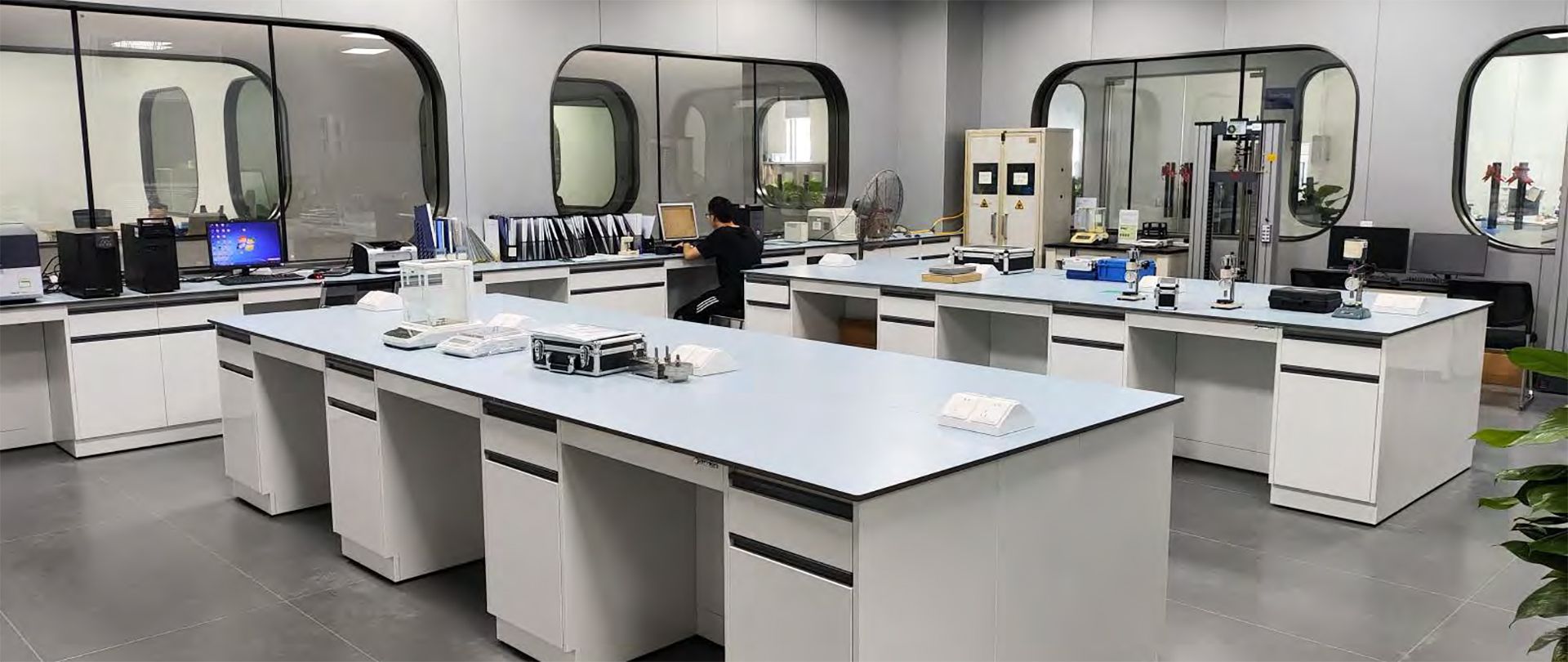
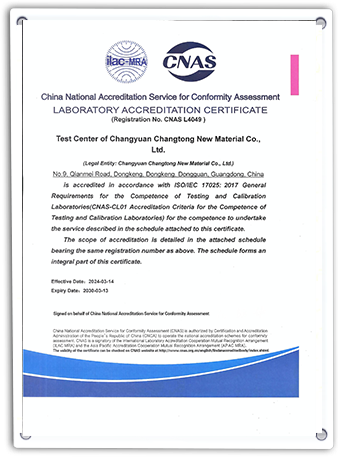
Our commitment to quality control is evidenced by our national CNAS-accredited laboratory and our specialized R&D team. We work with leading institutes such as the CNPC Pipeline Science Research Institute to provide comprehensive, in-service technical services: buried pipeline detection, custom coating design schemes, cathodic protection integration, rehabilitation engineering, and complete lifecycle protection systems.
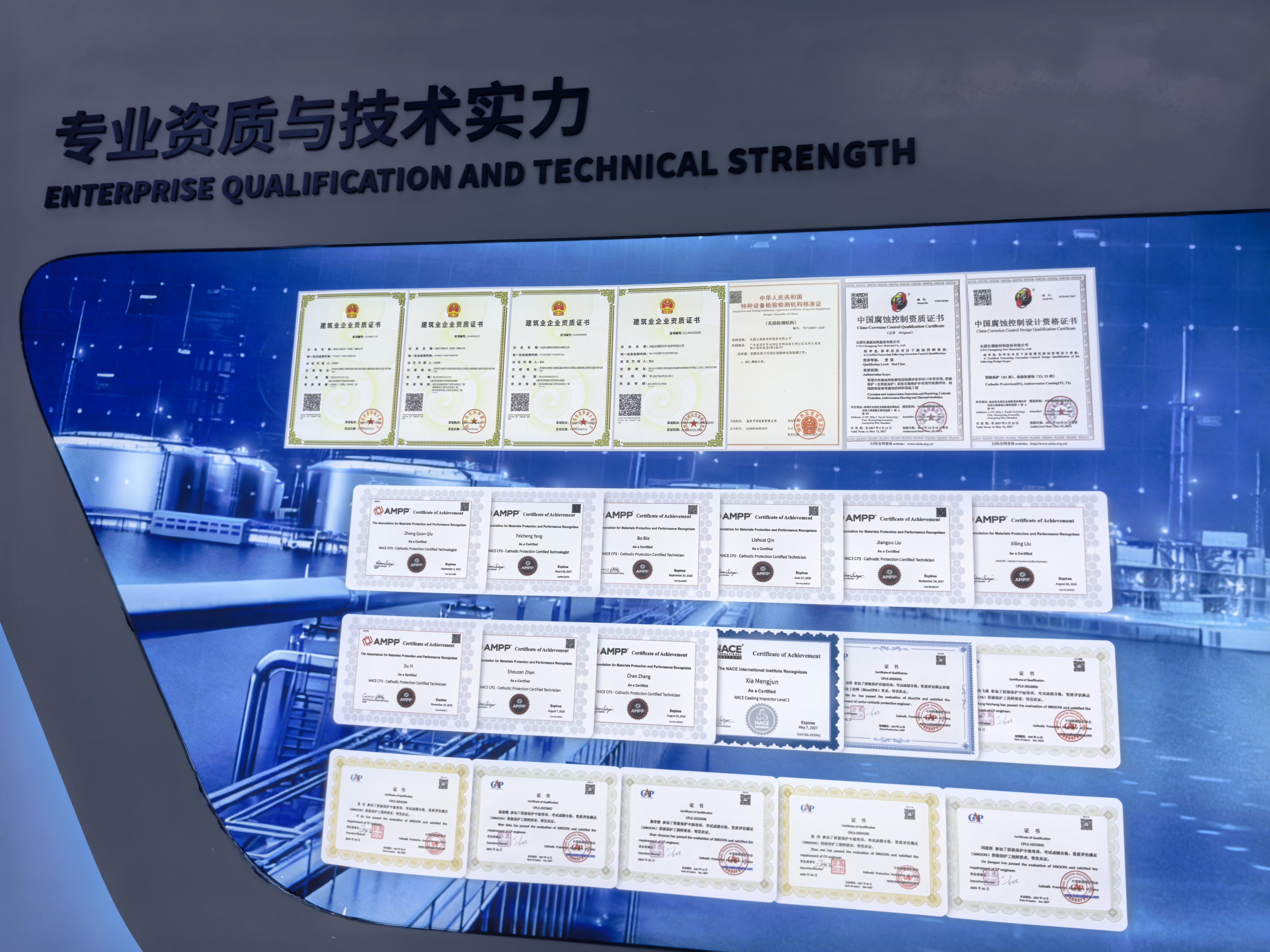
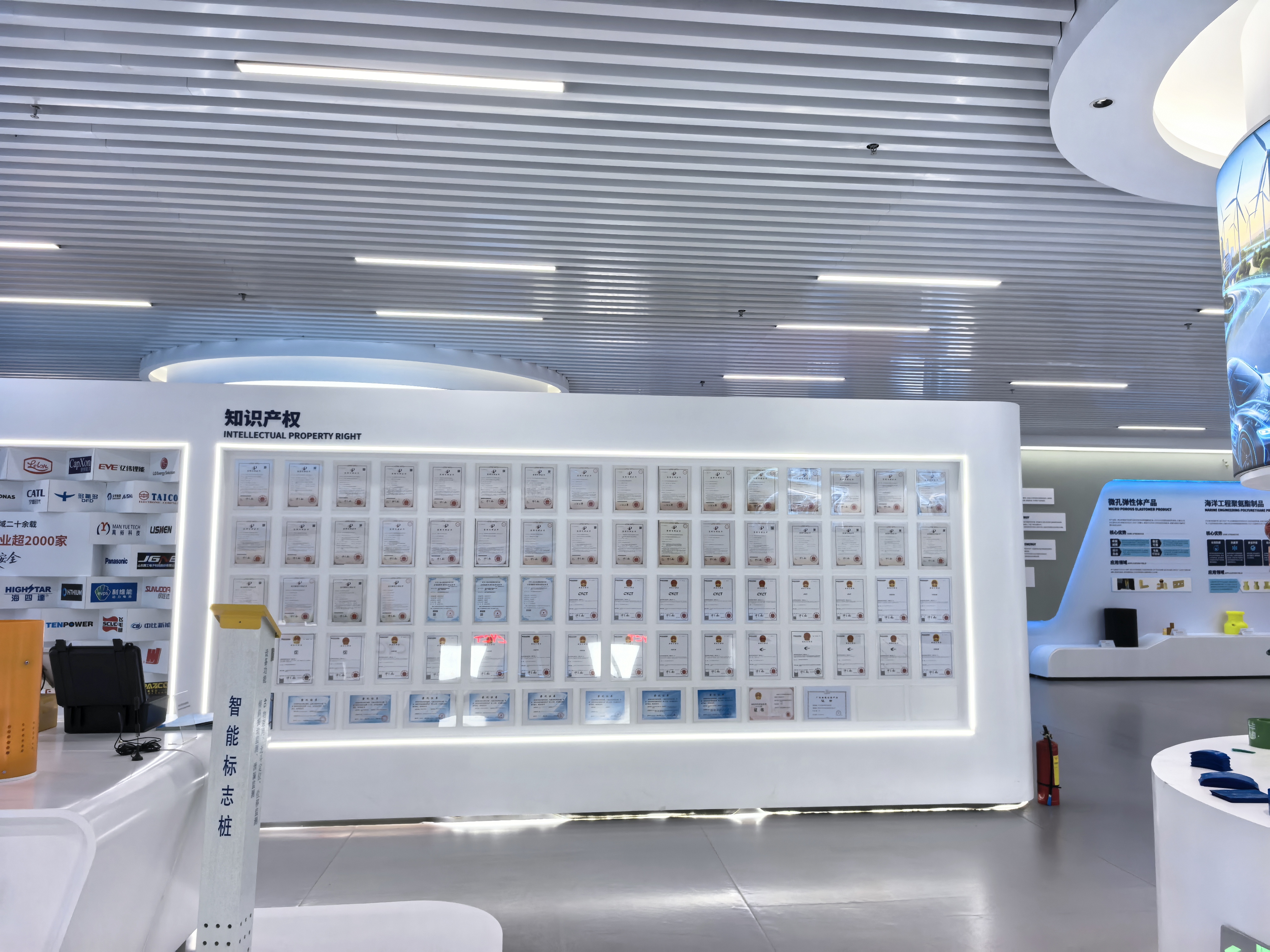
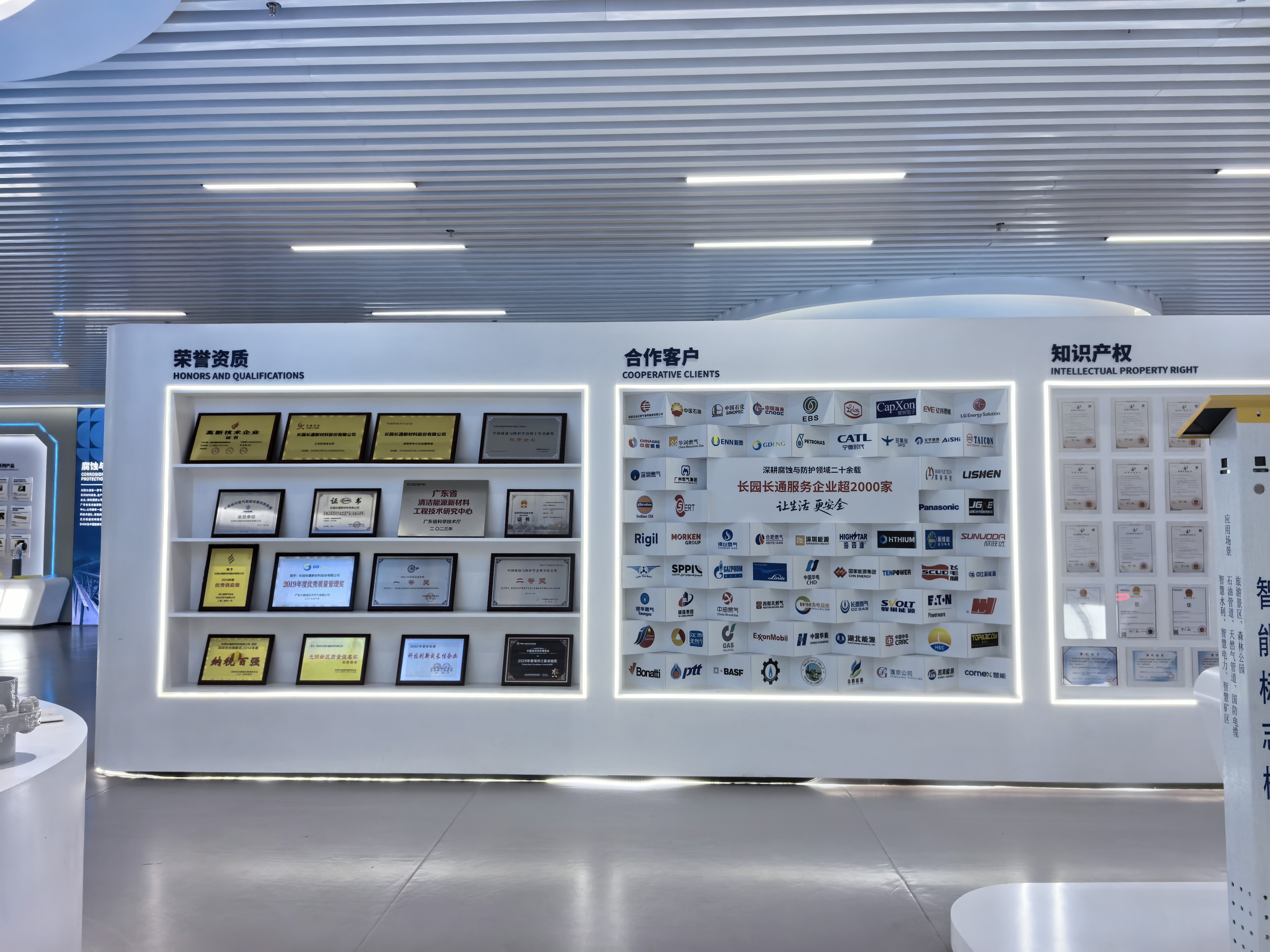
Beyond standard material production, CYCT designs, tests, and manufactures complex solutions, including visco-elastic anticorrosion materials, special photo-curing sleeves for trenchless Horizontal Directional Drilling (HDD) protection, and high-performance polyurea coatings. We help project managers and procurement offices design custom configurations matching local environmental factors, reducing installation time and post-installation repair costs.
Global procurement teams operating in East Africa require material suppliers who can ensure long-term cost stability, structural consistency, and reliable logistics. CYCT’s China Factory 4.0 infrastructure utilizes smart raw material feeding, automated thickness-controlled extrusion lines, and laser-guided polymer cross-linking systems. This advanced process minimizes human error, resulting in stable peel strength and shear resistance values across production batches.
By leveraging direct, long-standing relationships with global shipping alliances operating out of Chinese ports, CYCT guarantees streamlined logistics to the Port of Mombasa. Our scalable production capacity allows us to manufacture major project orders in short timeframes, ensuring pipeline contractors face no downtime waiting for field joint sleeves or coating wraps.
Every batch of PE/PP heat shrink products, solvent-free epoxy primers, and viscoelastic adhesives undergoes testing under simulating conditions (cathodic disbondment tests, high-temperature peel tests, impact and indentation tests) at our CNAS lab prior to shipment. This ensures compliance with international standards, including ISO 21809 and NACE SP0169.
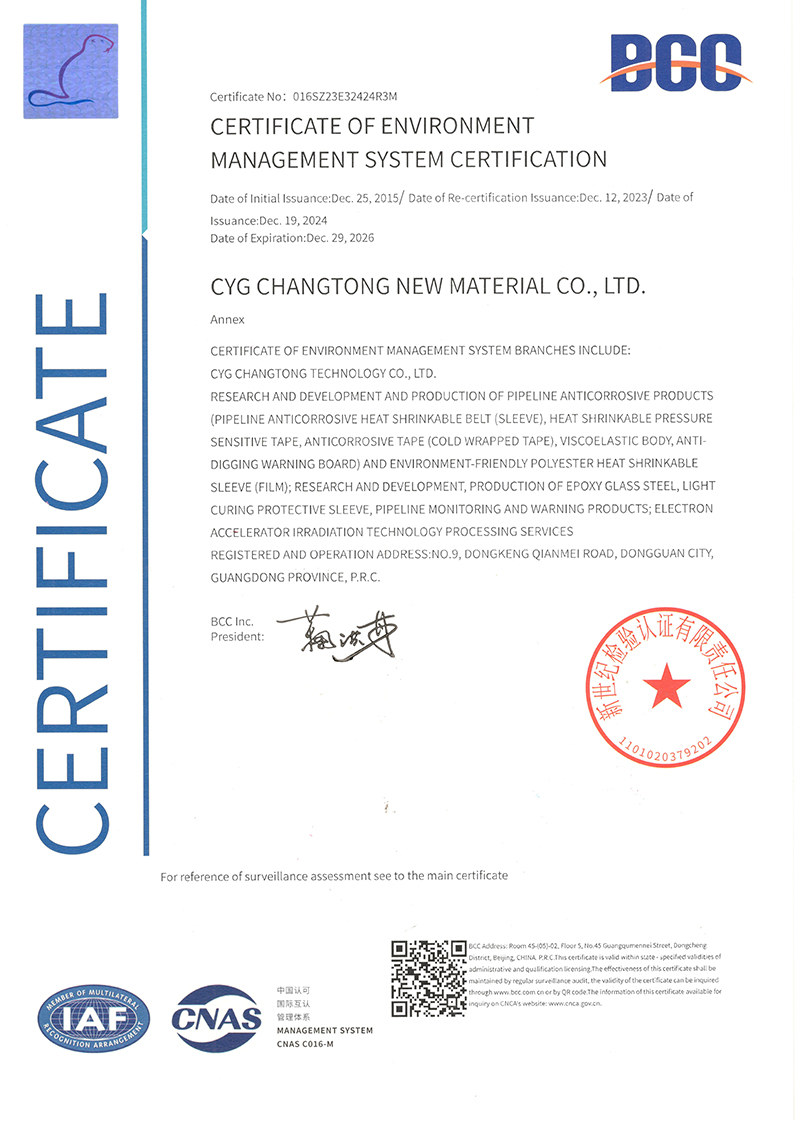
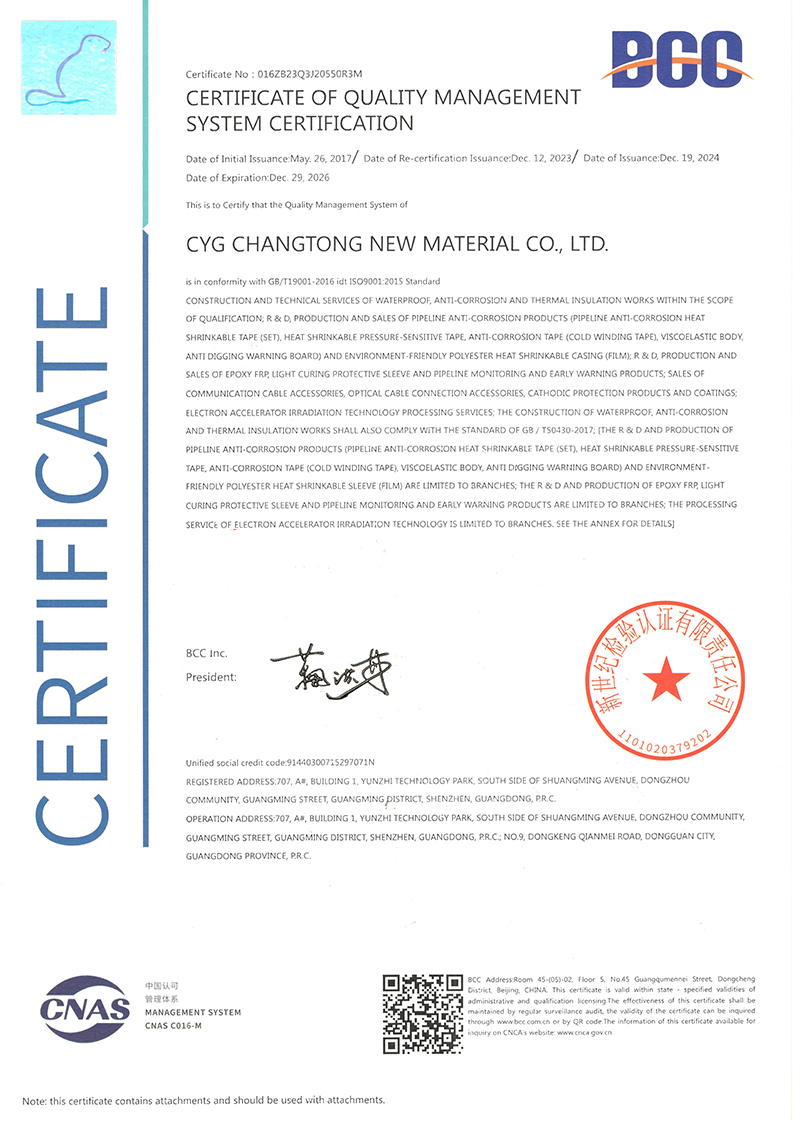
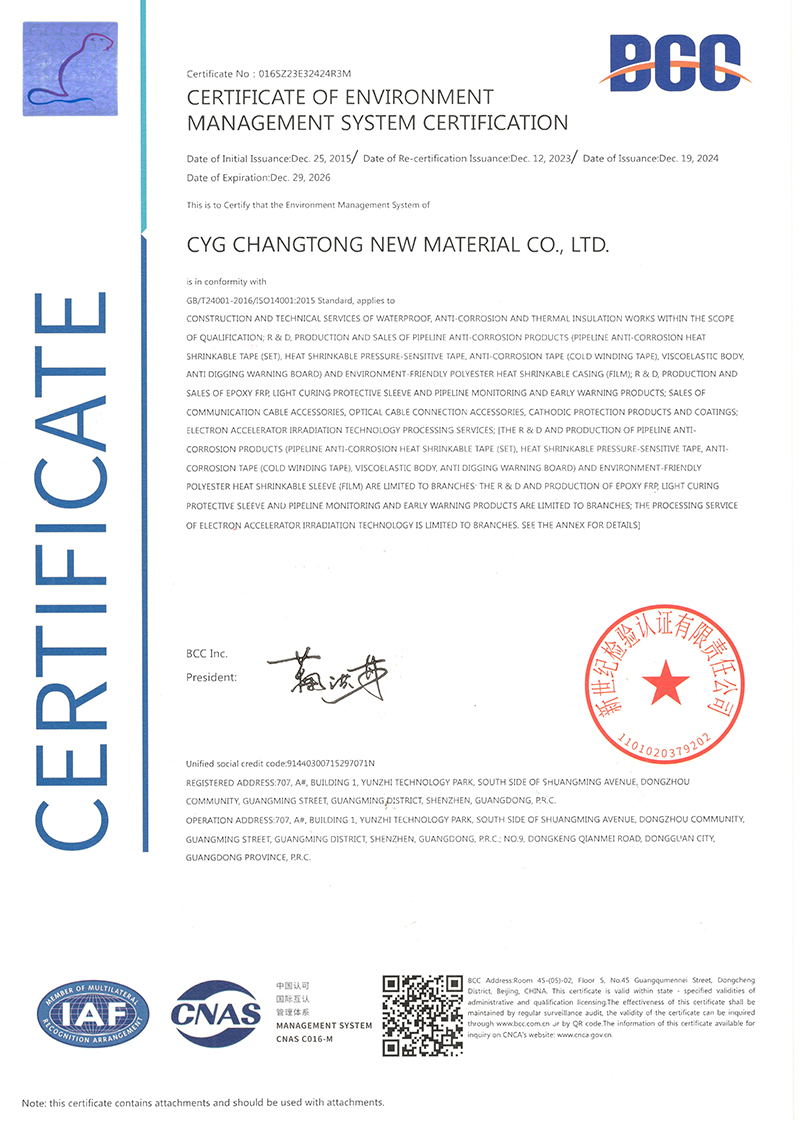
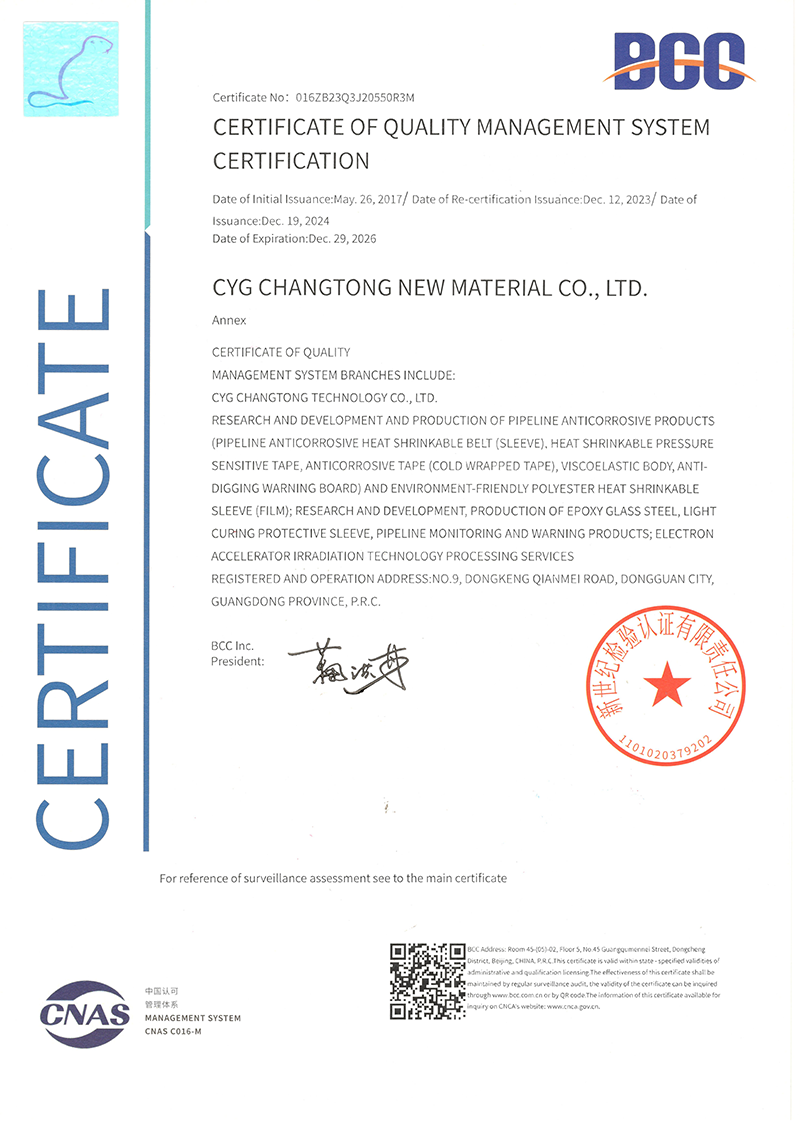
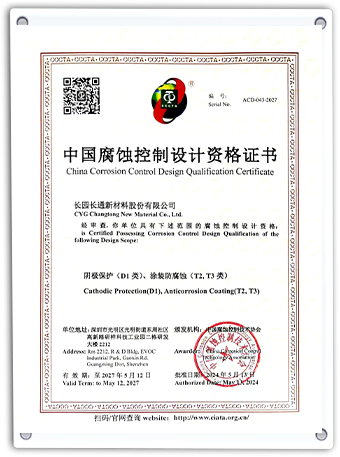
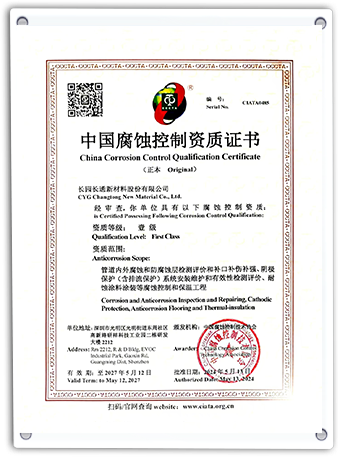
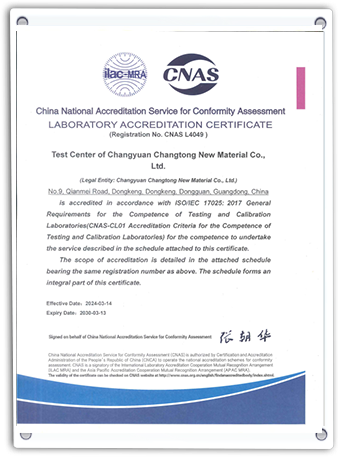
Proof of CYCT’s technical excellence and regulatory compliance in the international pipeline protection field.
High-integrity protective tapes, viscoelastic coatings, and heat-shrink systems engineered for critical infrastructure projects across Kenya and the East African Community.
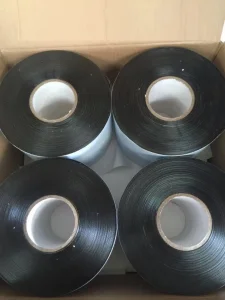
Ensures UV-shielding and heavy mechanical protection on aboveground pipelines.
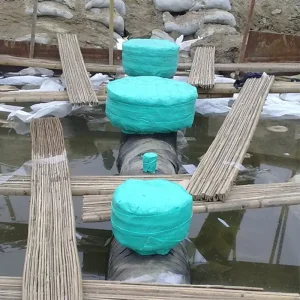
Cold-applied, self-healing polymer system for flanges, valves, and complex steel structures.
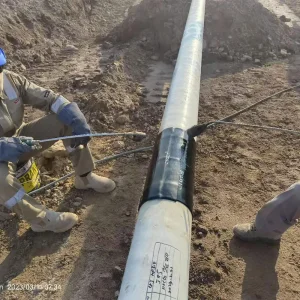
Wraparound field joint system designed for 3LPP coated high-temperature transmission lines.
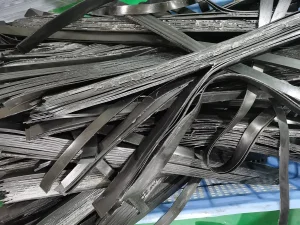
Rapid melt repair system designed for fixing minor mechanical damages in mill-applied PE coatings.
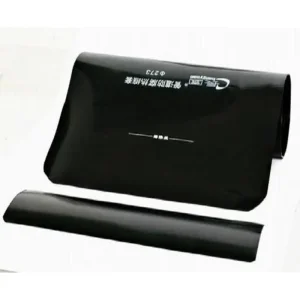
Reliable factory-engineered heat shrink wrap for pipeline joint protection up to 85°C.
Durable hot melt filler formulation for quick, on-site mechanical repairs of pipe coating defects.
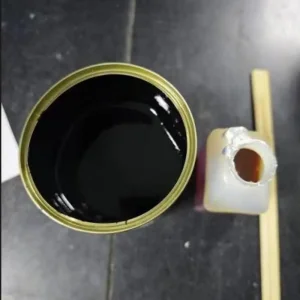
Two-component epoxy system ensuring exceptional adhesion of heat shrinkable sleeves on field joints.
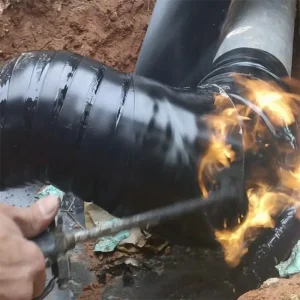
Wrap-around shrink tape system for elbow joints, bends, and general field joints.
Corrosion failure often stems not from material failure, but from poor application techniques under challenging field conditions. In high-humidity coastal zones like Mombasa, air humidity, salt deposition, and morning dew can create thin moisture films on sandblasted steel surfaces. If coated over, these films lead to flash rusting and rapid blistering. Below is our engineered protocol for applying field joint protection coatings in East Africa's tropical zones:
Blast clean the steel surface of the joint zone to Sa 2½ grade. For wet-blast environments or places where dry-blasting is restricted by municipal laws, use high-pressure freshwater washes first to reduce soluble salt contamination below 2 µg/cm², preventing osmotic blistering of the epoxy primers.
Warm the steel pipe to the recommended application temperature (usually 60°C to 80°C depending on the sleeve adhesive formulation). Apply CYCT's high-temperature solvent-free epoxy primer. The wet film thickness must be uniform (between 100-150 microns) to prevent runs and sags that create air gaps under the heat shrink sleeve.
Wrap the pre-cut heat shrink sleeve around the primed joint zone while the primer is still tacky. Apply a propane torch flame evenly, starting from the center and moving outward. Maintain uniform heating to drive out air and activate the hot-melt adhesive, showing sealant flow at all borders.
Perform holiday detection testing (using high-voltage holiday detectors calibrated to 15-25kV depending on the sleeve thickness) to ensure no pinholes exist. The peel strength test should confirm adhesive transfer to both the steel substrate and the adjacent line pipe coating.
Expert answers addressing user intent, technical specifications, and logistics regarding marine corrosion protection in the East African market.
Viscoelastic coatings exhibit cold-flow properties, meaning they remain viscous and liquid-like throughout their operational life. They require minimal surface preparation (standard wire-brushing to St 2/St 3 is sufficient) and automatically self-heal minor mechanical damage. In high-humidity coastal zones like Mombasa, they provide an absolute barrier against oxygen and moisture migration, preventing galvanic corrosion on complex shapes like valves, tees, and flanges.
Kenya's clay soils expand and contract dramatically with alternating wet and dry seasons, exerting high shear stresses on buried pipeline coatings. CYCT's heat-shrinkable sleeves are manufactured with cross-linked high-density polyethylene backing, paired with structural shear-resistant copolymer hot-melt adhesives. This combination resists soil deformation, preventing the sleeve from shifting or tearing at the weld joint area.
Yes. CYCT’s Solvent-Free Epoxy Primers are formulated without VOC solvents, reducing moisture susceptibility during application. However, the substrate temperature must be maintained at least 3°C above the dew point during surface preparation and primer application to prevent condensation, which can affect adhesive bonding.
Bend Restrictors protect underwater cables and pipelines from over-bending at transition zones, such as where a cable joins a terminal shore structure or goes over rocky ledges. Made of high-grade polyurethane, they lock when bent to a predetermined radius, preventing internal strain and physical structural damage from strong ocean currents off the East African coast.
CYCT is certified to ISO 9001, ISO 14001, and ISO 45001 standards. Our pipeline field joint systems are tested at our national CNAS-accredited laboratory and verified according to ISO 21809-3 and EN 12068 criteria. We are also active members of AMPP (NACE/SSPC) and the Chinese Society for Corrosion and Protection (CSCP).
Standard manufacturing for major orders takes 10 to 15 days. Ocean shipping transit time from Chinese ports to Mombasa Port typically ranges between 18 to 25 days. We provide complete logistical support, including export documentation, custom packaging to prevent shipping damage, and quality compliance certificates for fast customs clearing in Kenya.
FRDP represents wrap-around style heat shrinkable sleeves, which are supplied with a separate patch closure, allowing installation on lines that are already welded together. FRDS is tape-form heat shrinkable wrap used for spiral wrapping smaller diameter pipes, bends, and fittings where standard pre-cut tubular or wraparound sleeves cannot fit easily.
We provide comprehensive digital resources, including detailed video manuals, technical data sheets (TDS), and field checklists. For major infrastructure projects, we offer online video-consulting training and on-site engineering supervision to ensure local contractors understand the specific pre-heating, priming, and shrinking requirements of our material lines.
 CYCT
CYCT