Engineered specifically to survive hyper-arid soil conditions, high salinity, and ambient temperatures exceeding 50°C in Qatar's infrastructure networks.
Doha, the powerhouse of Qatar's rapid infrastructure and gas expansion, experiences one of the world's most aggressive corrosivity indexes. With major megaprojects like the North Field Expansion (NFXP) and Kahramaa’s continuous potable water expansion pipelines, engineering long-term integrity for steel structures under the sand and subsea is paramount. Standard pipeline coatings face severe stress from ambient summer heat that routinely surpasses 50°C and soil temperatures peaking above 40°C.
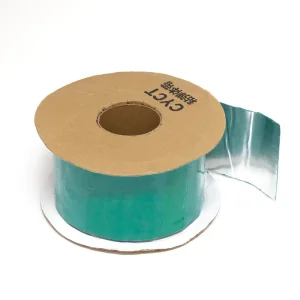
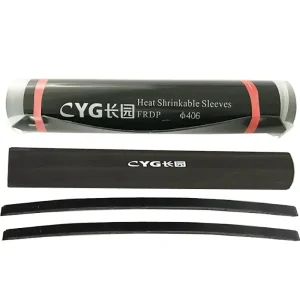
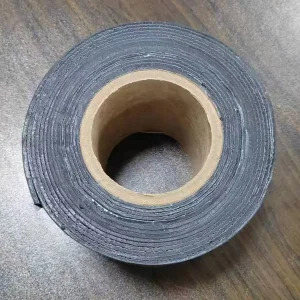
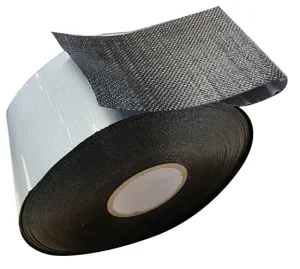
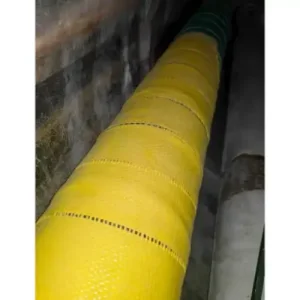
These severe conditions trigger fast cathodic disbondment and chemical degradation in lower-tier pipeline coatings. High salinity levels in Doha's sabkha soils contain massive concentrations of chlorides and sulfates, accelerating localized galvanic corrosion. The application of heat shrinkable tape, polypropylene joint sleeves, and viscoelastic wraps acts as the primary defense system, providing a robust, impermeable barrier against moisture ingress and chemical attacks.
To support Qatar's National Vision 2030, municipal utility networks and industrial gas conduits require anti-corrosive materials designed for at least 30 to 50 years of maintenance-free service. High shear strength, resistance to soil stress, and ease of field application are key criteria that QA/QC engineers in Doha demand from global anti-corrosion suppliers.
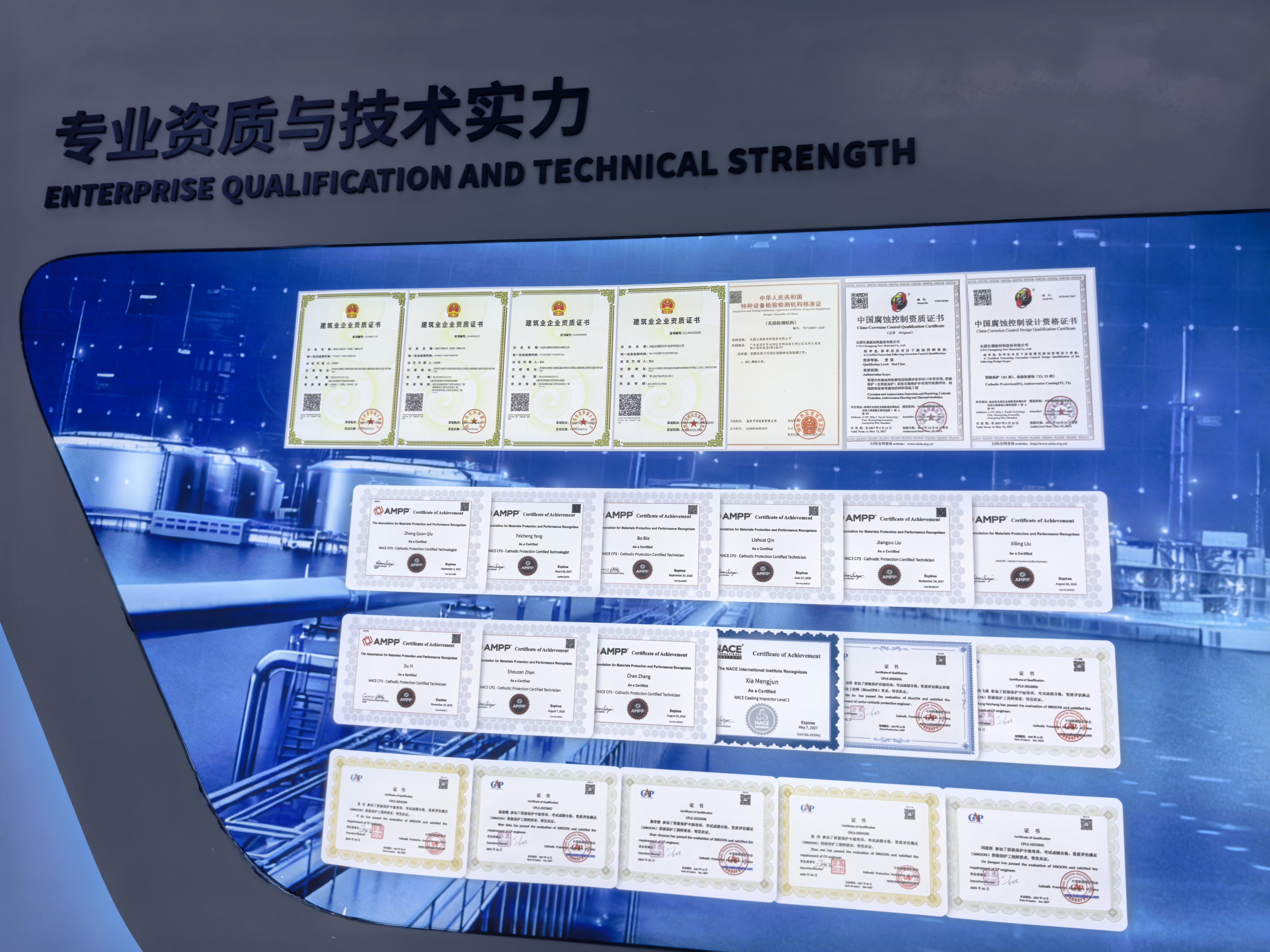
CYCT New Materials Company Limited: A State-Level High-Tech Enterprise Redefining Pipeline Integrity Since 2000.
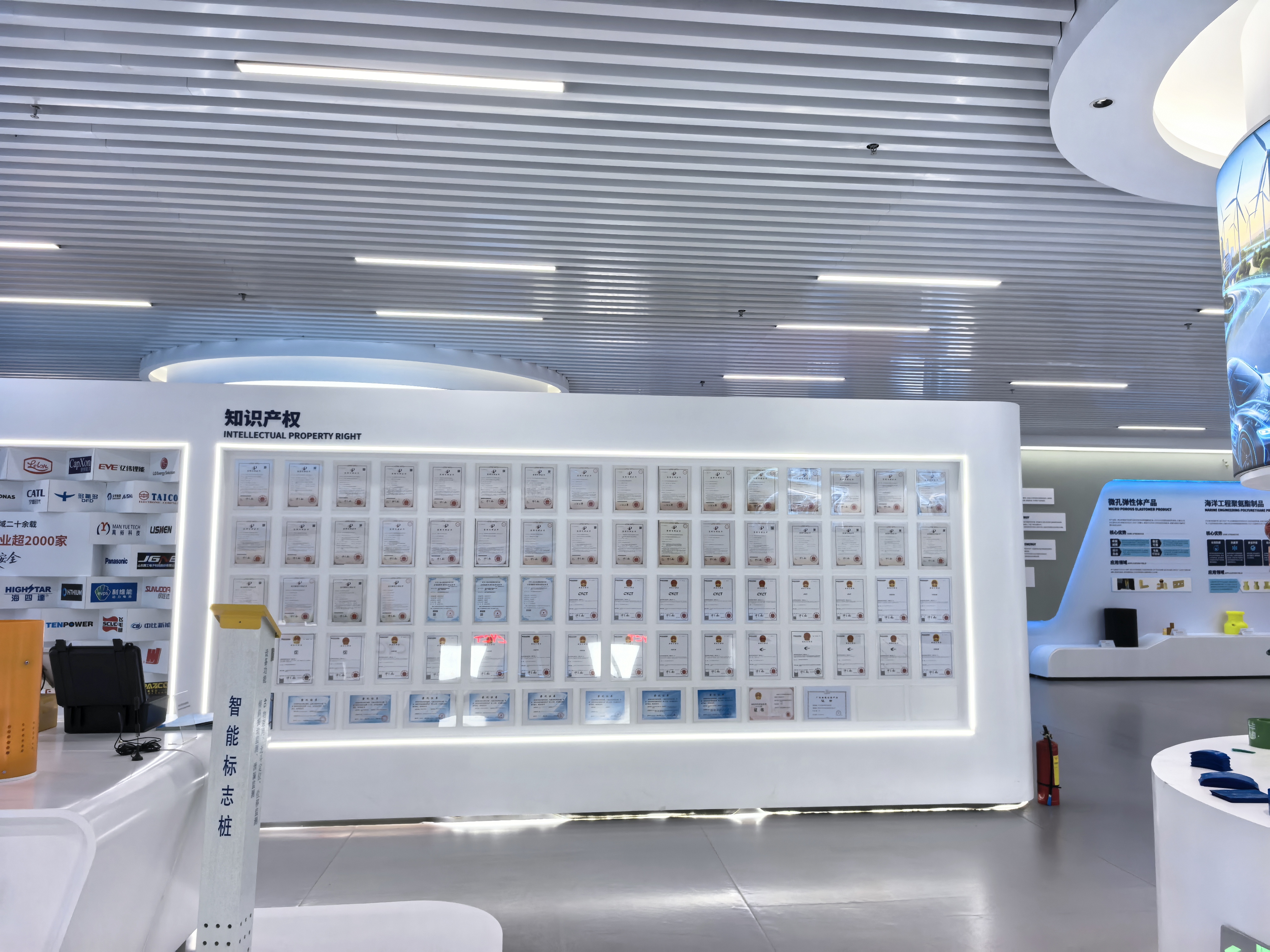
CYCT New Materials Company Limited (for short, CYCT) is a state-level high-tech enterprise integrating R&D, production, and sales of pipeline corrosion protection materials as well as buried pipeline detection service and pipeline coating field application service into one. Established in 2000, CYCT has dedicated itself to the development and fabrication of state-of-the-art field joint coatings, serving critical national and international energy pathways.
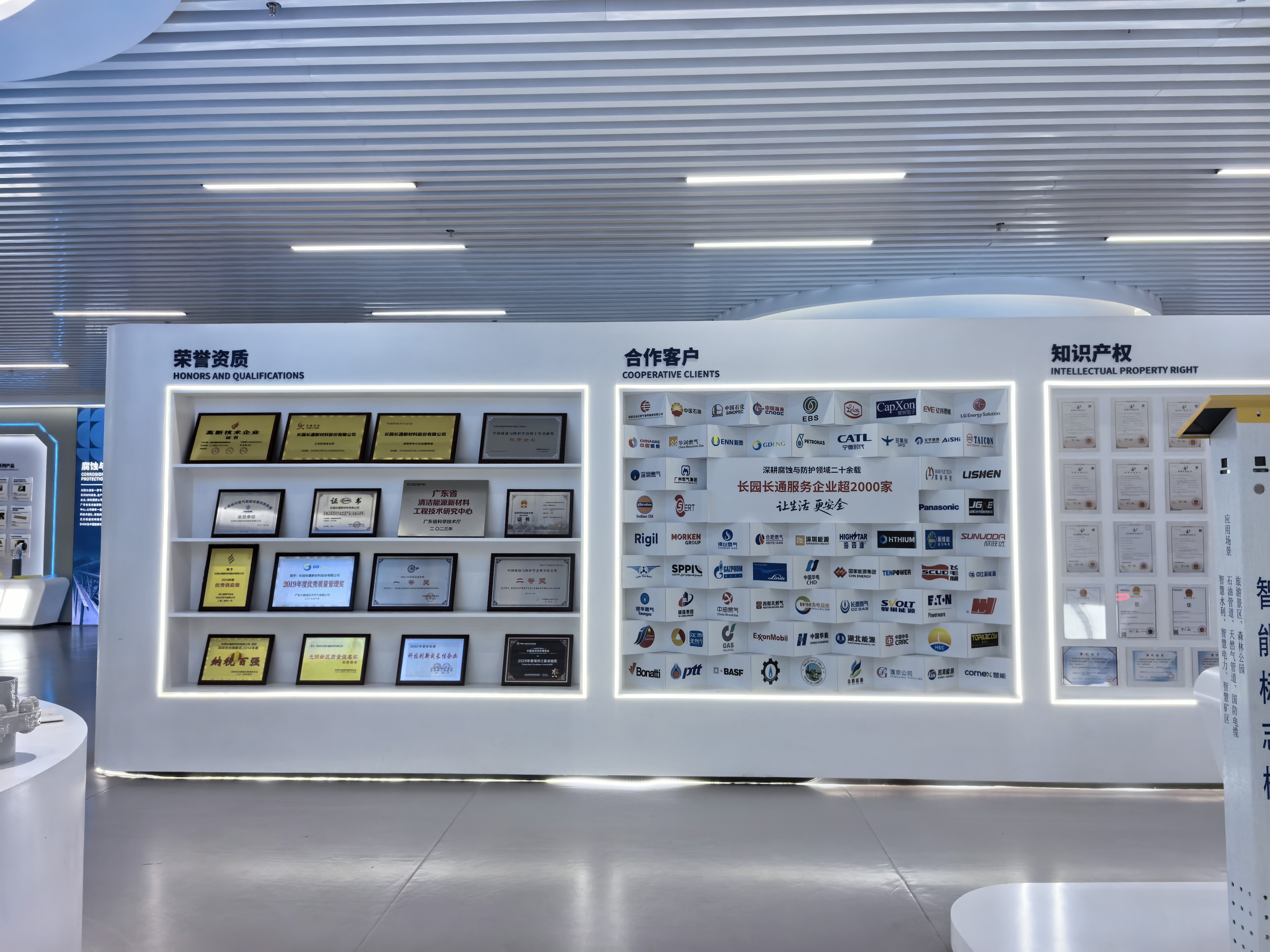
Through robust collaboration with top-tier science centers such as the CNPC Pipeline Science Research Institute, CYCT delivers advanced engineering protection tailored for municipal, industrial, and subsea pipelines. Over the decades, CYCT has built a reputation as a stable, long-term supplier of field joint coatings for oil and gas conglomerates like PetroChina, Sinopec, PipeChina, and local gas distributors, securing a massive market share. The company has also expanded its footprint globally, becoming a qualified vendor for major international pipeline networks, including the Indian Oil Corporation and various Middle Eastern utility operators.
Our infrastructure contains leading-edge testing and R&D centers, including a national CNAS-accredited laboratory. This high-standard testing site enables us to perform intensive analyses on peel strength, thermal aging, water absorption, shear resistance, and cathodic disbondment to ensure all products delivered to Doha match the stringent requirements of international pipeline codes (such as ISO 21809-3 and EN 12068).
An in-depth review of polymer cross-linking and adhesive technology designed to prevent pipeline corrosion.
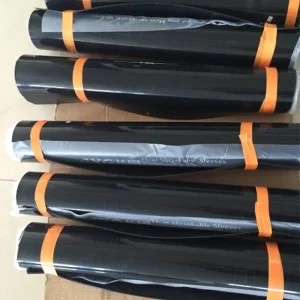
Our backing material consists of high-density polyolefin (PE or PP) subjected to high-energy electron beam radiation. This creates stable, cross-linked intermolecular bonds that introduce "elastic memory". When heat is applied in the field, the backing shrinks to press tightly onto the pipe joints, forming a robust mechanical shield.
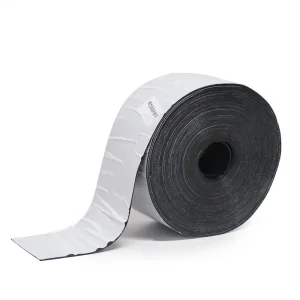
Equipped with hot-melt copolymer adhesives or viscoelastic layers, our products guarantee total sealing. At high temperatures, the adhesive flows into steel microscopic crevices, creating strong chemical and mechanical adhesion to prevent moisture or corrosive soils from passing through.
Imposed cathodic currents can cause conventional coatings to separate at defects. CYCT’s heat shrinkable sleeves are formulated to resist cathodic disbondment at high temperatures, preventing coating failures even under severe operating conditions.
Selecting the correct material depends on the operating temperature, mechanical loads, and soil conditions. The table below lists the technical differences between our primary pipeline joint coating materials:
| Material Class | Maximum Design Temp. | Peel Strength (to Steel) | Cathodic Disbondment | Primary Doha Application |
|---|---|---|---|---|
| Polypropylene (3LPP Sleeve) | 110°C | ≥ 80 N/cm at 23°C | < 5 mm at 95°C (28 days) | High-temp crude lines, deep sabkha soil structures |
| FRDP 60C (PE Sleeve) | 60°C | ≥ 35 N/cm at 23°C | < 8 mm at 60°C (28 days) | Potable water grids, gas transmission systems |
| Viscoelastic Tape | 85°C | Cohesive failure (Self-healing) | 0 mm (highly passive) | Irregular fittings, valve vaults, wet coastal pipelines |
| GRF Moisture Shield | 75°C | Superior mechanical armor | N/A (Outer protection layer) | Offshore piles, HDD crossings, marsh zones |
For procurement officers and project managers representing developers in Doha (such as QatarEnergy, Kahramaa, and Ashghal), securing qualified, reliable materials is critical. Material delays or failures can result in massive financial penalties. CYCT streamlines this process by offering direct factory pricing, comprehensive technical documentation, and certified logistics support for fast delivery to the Hamad Port.
Our quality management matches the high standards of global EPC giants (e.g., Saipem, McDermott, TechnipFMC). We support customers with third-party inspections (TPI) from organizations like SGS, TÜV, or BV to verify physical parameters before shipping. From factory-direct manufacturing to local storage, we ensure our products arrive at the construction site in Doha fully compliant and ready for installation.
In addition, CYCT provides dedicated field service training. We supply detailed application guidelines, and our field technicians can travel to Doha to train and certify local crews on joint surface preparation (ISO Sa 2.5), preheating methods, and testing parameters. This on-site training minimizes installation errors and ensures optimal coating performance.
Explore our full line of corrosion prevention tapes, repair patches, and specialty sleeves manufactured under rigorous quality control standards.
Developing next-generation smart pipeline coatings to survive high salinity and deep underground environments.
CYCT is developing experimental coatings that incorporate micro-encapsulated indicator dyes and responsive sensors. If moisture or a physical breach occurs at the field joint, the system can alert maintenance teams before galvanic corrosion begins.
To support global carbon-neutral goals, CYCT is researching plant-based raw materials for PE/PP backings. These materials reduce the carbon footprint of production while retaining high mechanical strength and thermal stability.
Heavy desert sands can shift and slide, causing soil stress that strips away joint coatings. Our next-generation adhesives are engineered to maintain high shear strength even under continuous soil movement at high operating temperatures.
Expert technical answers for procurement directors, corrosion specialists, and pipeline engineers in Doha.
Field joints are the most vulnerable parts of a pipeline system. In Doha, high ambient heat, desert sand movement, and saline groundwater create an aggressive environment for steel. Heat shrinkable tape provides an impermeable seal and high mechanical strength, protecting the underlying steel from localized pitting corrosion and moisture ingress.
Doha's shallow burial depths and hot climate can drive soil temperatures up to 40°C–50°C. Standard PE coatings with a maximum design temperature of 50°C operate at their limit here, risking degradation. For high-temp lines, we recommend PP (polypropylene) sleeves or high-temperature cold-applied tapes designed to withstand temperatures up to 100°C+ without losing peel or shear strength.
Viscoelastic tape is a cold-applied, self-healing material that never hardens. It flows into irregular metal shapes, making it perfect for valves and tees. Heat shrinkable sleeves feature a cross-linked backing that shrinks under heat, forming a tough, semi-rigid shield. Heat shrink sleeves offer higher mechanical protection, while viscoelastic tape excels in self-healing properties and chemical passivity.
CYCT maintains a national CNAS-accredited laboratory and manufactures in strict compliance with ISO 21809-3, EN 12068, and AMPP standards. We provide complete material test reports (MTR) and work with third-party inspection firms (SGS, BV, TÜV) to verify quality before shipping to Doha.
Installing a PP repair patch requires preheating the steel pipe and parent coating to at least 200°C–220°C using an induction heater or propane torch. A high-temperature hot-melt adhesive is applied, followed by the PP patch. Firm pressure with a silicone roller helps eliminate air bubbles and ensures a strong, void-free bond.
We offer direct factory-to-port logistics, shipping products to Hamad Port. We handle export documentation, certificates of origin, and custom packaging. For urgent projects, we maintain inventory of standard sleeve sizes to reduce lead times, helping you keep your installation schedules on track.
 CYCT
CYCT