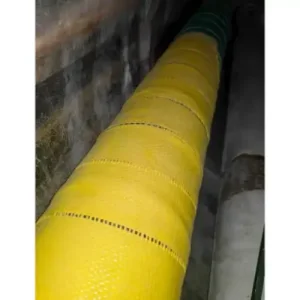
Engineered to protect critical pipeline field weld joints. Certified to perform reliably under high-stress conditions and extreme arctic temperatures.
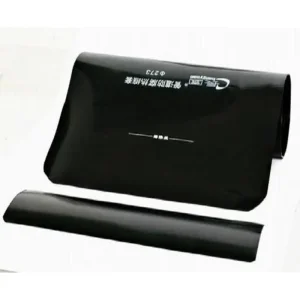
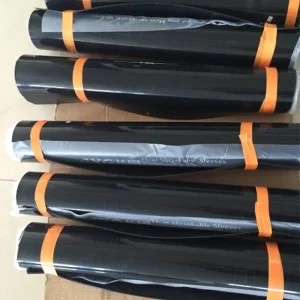
The Russian Federation holds some of the world's most extensive natural gas and crude oil pipeline networks, stretching across thousands of kilometers of challenging geographical terrains, including vast Siberian permafrost regions, marshlands, and high-salinity coastal areas. Under these circumstances, pipeline integrity is of paramount importance. Corrosion at field weld joints represents one of the single greatest structural risks to transmission systems such as the Power of Siberia, ESPO (Eastern Siberia-Pacific Ocean), and regional distribution grids managed by major oil and gas players.
In Russia, pipelines frequently experience ground temperature drops to -50°C during winter installation and operation, alongside cyclic thermal expansions when carrying heated hydrocarbons up to 80°C. Conventional anti-corrosion coatings fail under these sharp, localized stress transitions. High-durability FRDP (Fiber Reinforced Dual-layer Polyolefin / Polypropylene) heat shrinkable sleeves are explicitly formulated to provide an impenetrable mechanical and chemical shield against such environmental hazards.
Russian engineering codes demand rigorous testing for corrosion-protection materials before they can be certified for field use. The key domestic specifications emphasize:
| Performance Properties Required | Standard Reference | CYCT FRDP Sleeve Typical Values |
|---|---|---|
| Tensile Strength (Backing) | ASTM D638 / GOST 11262 | ≥ 18 MPa |
| Peel Strength to Pipe Surface (3LPE) | EN 12068 / ISO 21809-3 | ≥ 80 N/cm at 23°C | ≥ 20 N/cm at 80°C |
| Cathodic Disbondment Resistance | ASTM G8 / GOST 9.602 | ≤ 5 mm radius at 23°C, 28 days |
| Impact Resistance | EN 12068 | ≥ 15 J |
| Low Temperature Flexibility | ASTM D2671 | No cracking at -40°C |
On a global scale, the pipeline construction industry is transitioning away from traditional cold-applied tapes toward highly engineered thermal-recovery systems. With energy companies tapping into deepwater offshore reserves, highly corrosive desert soils, and sub-zero arctic fields, standard protection is no longer sufficient. Modern specifications increasingly mandate 3LPE (Three-Layer Polyethylene) and 3LPP (Three-Layer Polypropylene) factory coatings. Consequently, field joint systems must replicate this high performance.
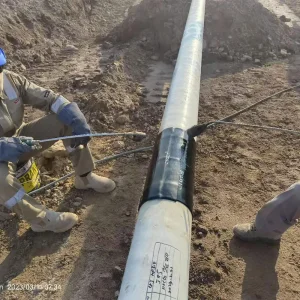
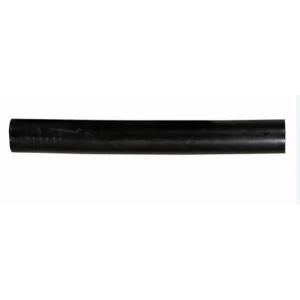
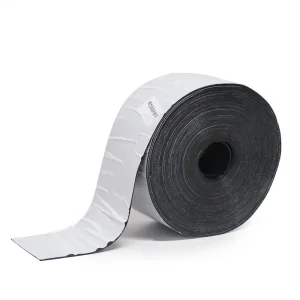
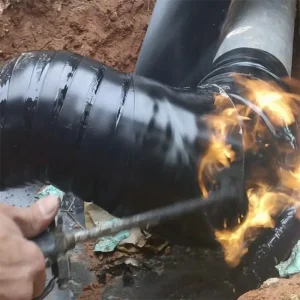
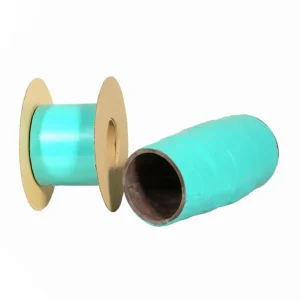
FRDP sleeves are leading this evolutionary charge. They utilize a thick, radiation-crosslinked polyolefin backing combined with a semi-crystalline hot-melt copolymer adhesive. When heated, the backing shrinks, tightly drawing the molten adhesive over the weld seam and adjacent factory coatings. This chemical bond, coupled with the structural crosslinking, achieves a monolithic barrier equal in lifespan and toughness to the parent pipe coating itself.
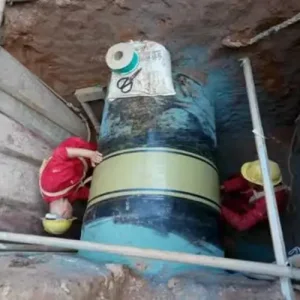
Complete project portfolios ensuring complete pipeline integrity from primary joints to mechanical shieldings and minor coating repairs.
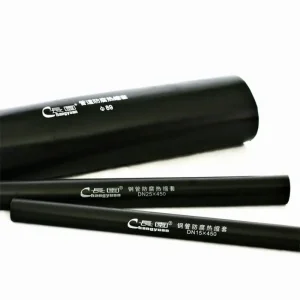
The performance of the FRDP Heat Shrinkable Sleeve relies on two proprietary materials-science components developed in CYCT’s laboratories:
Unlike standard PE, which melts and flows freely when heated, radiation-crosslinked high-density polyethylene possesses a "molecular memory." The crosslinking structure chemically binds polymer chains into a three-dimensional network. When reheated during installation, the backing shrinks to a predetermined dimension without tearing or melting. This provides a steady, uniform compressive force (hoop stress) that drives out all air pockets, pushing the underlying adhesive into the irregularities of the steel substrate and weld bead profile.
The adhesive layer must perform two contrasting functions: it must flow easily when heated to wet the steel and factory coating, yet set rapidly into a tough, highly shear-resistant elastomer once cooled. For the Russian market, CYCT engineers have altered the polymer ratio to ensure that the adhesive retains its ductile, viscoelastic properties down to -40°C, absorbing soil movements without cracking or losing adhesion.
In Russia, pipelines frequently cross rivers, wetlands, and highways using HDD technology. The friction, shearing forces, and impact stresses encountered during pipe-pullback can tear standard pipeline coatings. For these extreme applications, CYCT provides specialty photo-curing protective sleeves and GFRP reinforcement wraps. Applied over the FRDP heat-shrink sleeve, these reinforcement systems create a rigid outer armor that withstands rocks, gravel, and high abrasion forces without sacrificing the underlying anti-corrosion barrier.
As the pipeline industry embraces digitalization and strict environmental regulations, CYCT is investing in the future of smart corrosion protection. Our current R&D efforts are focused on:
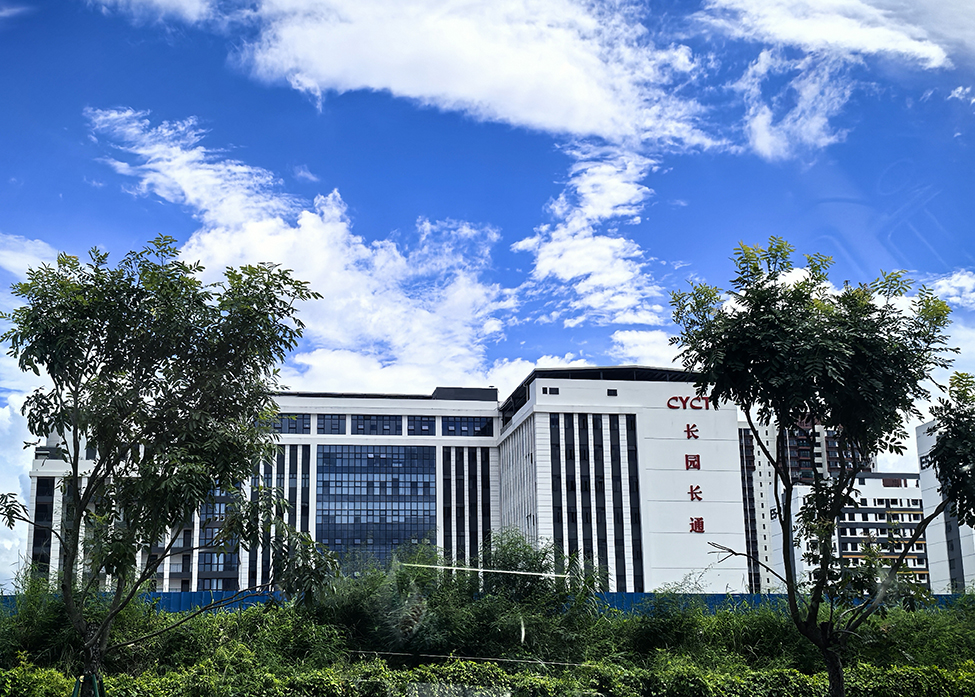
State-level high-tech enterprise integrating R&D, production, sales, pipeline detection, and specialized coating field services.
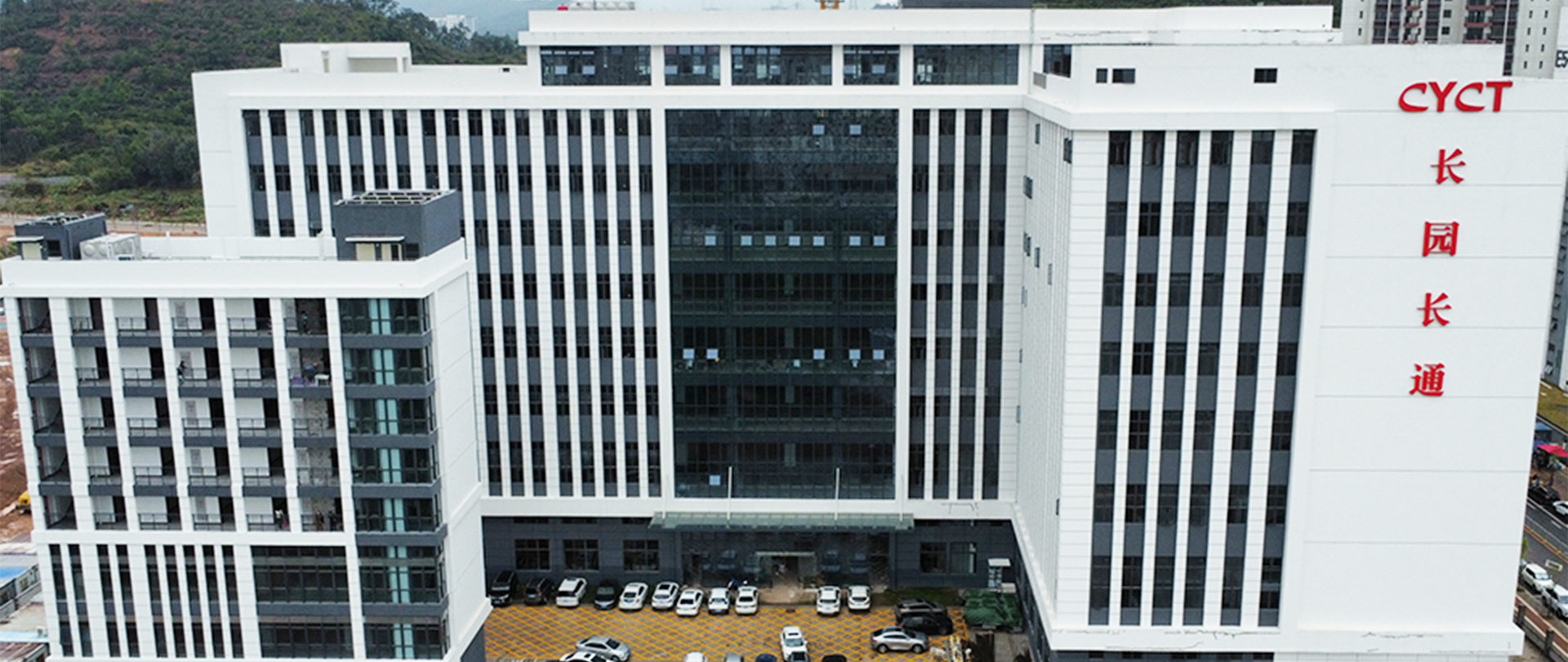
CYCT New Materials Company Limited (for short, CYCT) is a premier technology-driven developer of pipeline anti-corrosion products. By partnering with leading scientific research institutes, such as the CNPC Pipeline Science Research Institute, we provide comprehensive buried pipeline integrity assessments, cathodic protection optimization, coating design, and complete pipeline rehabilitation solutions.
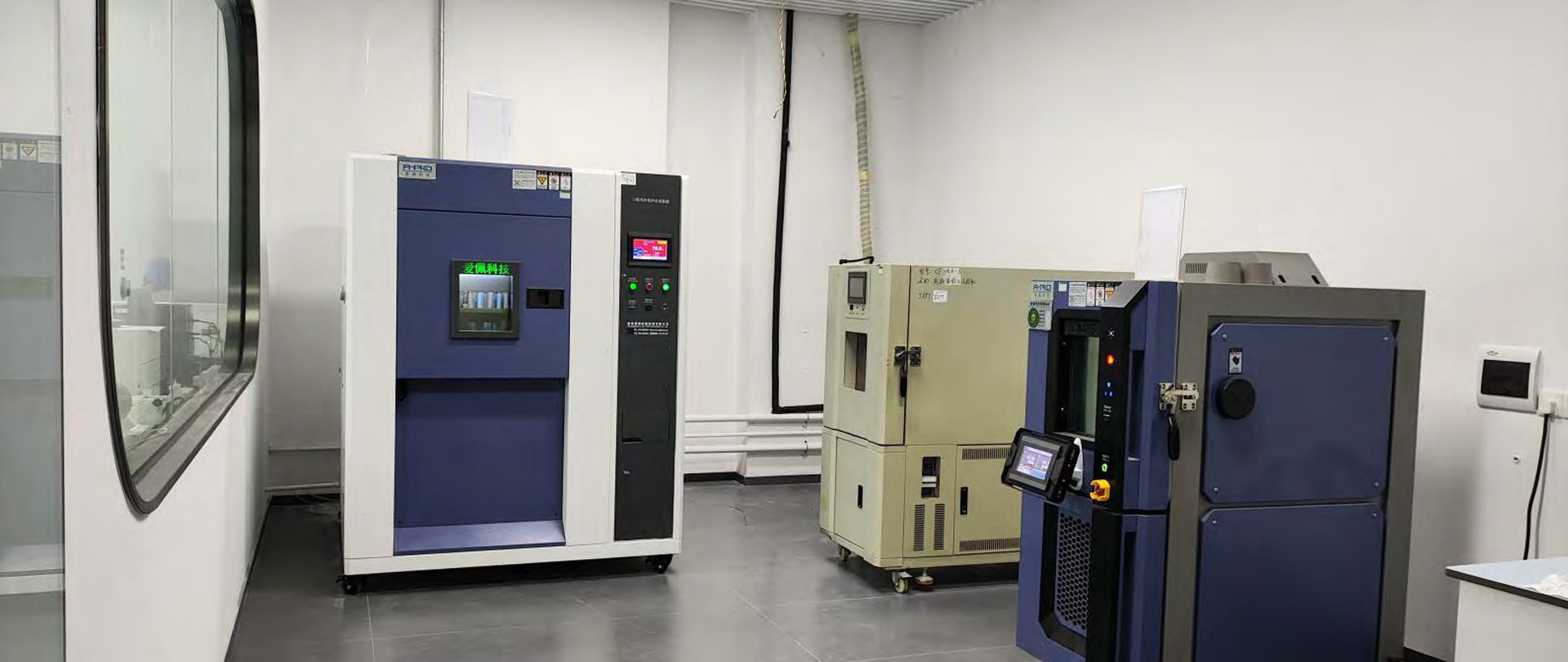
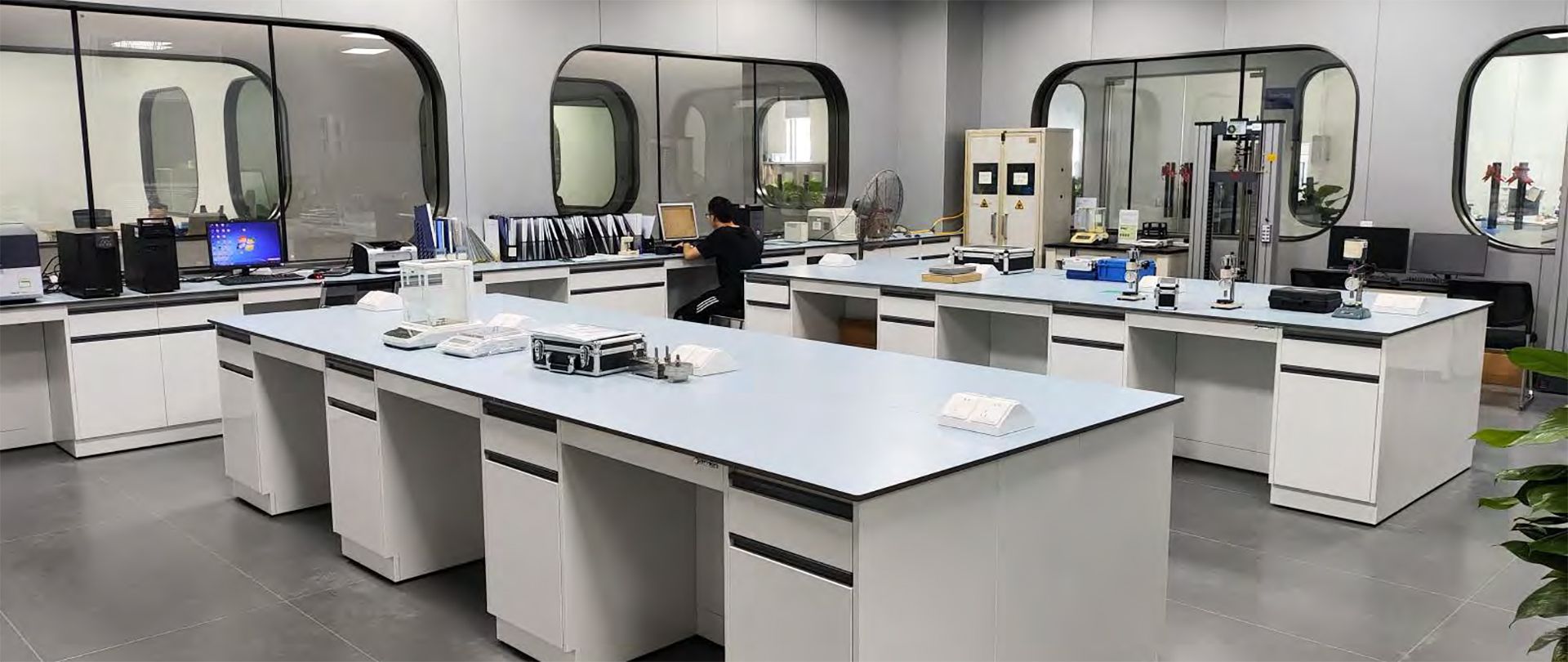
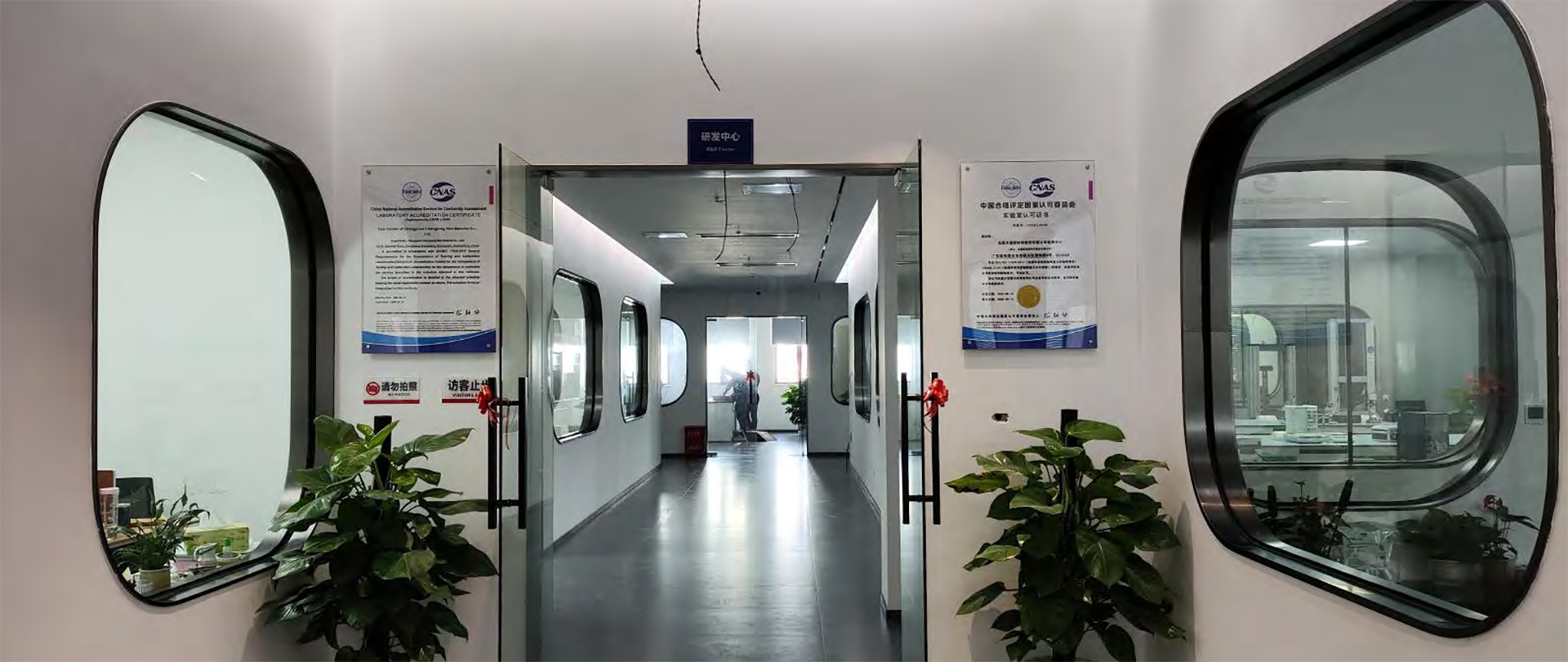
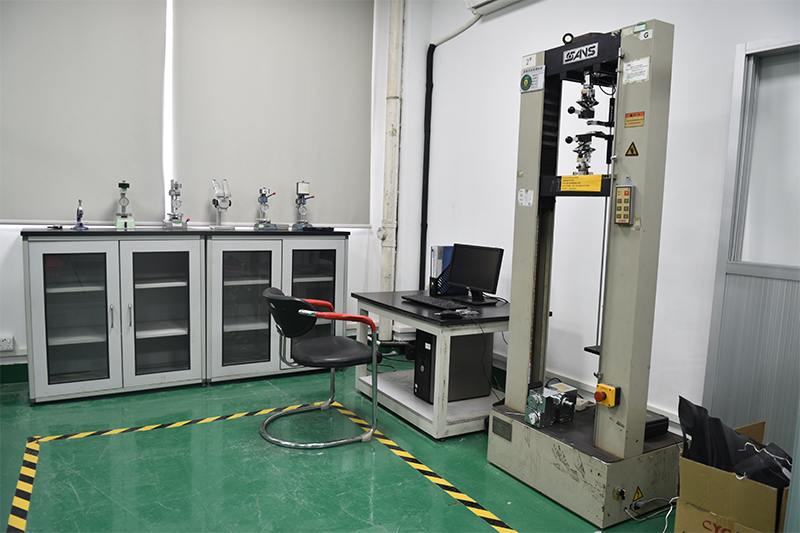
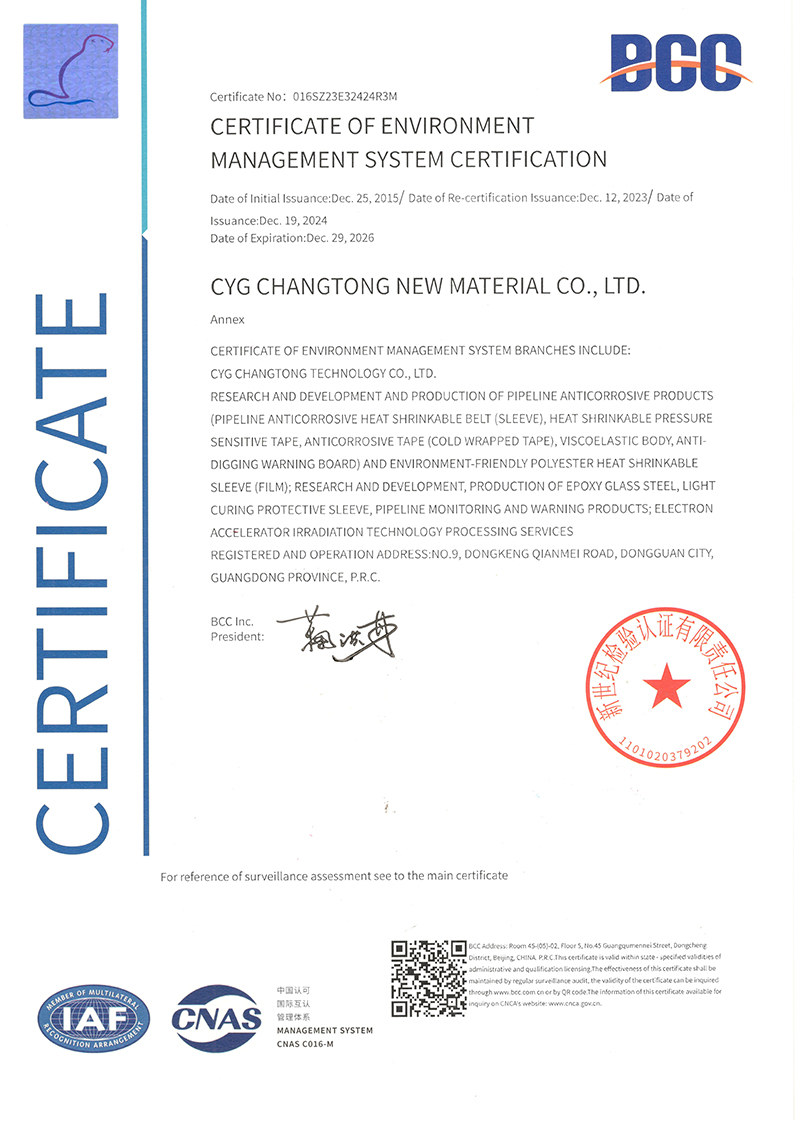
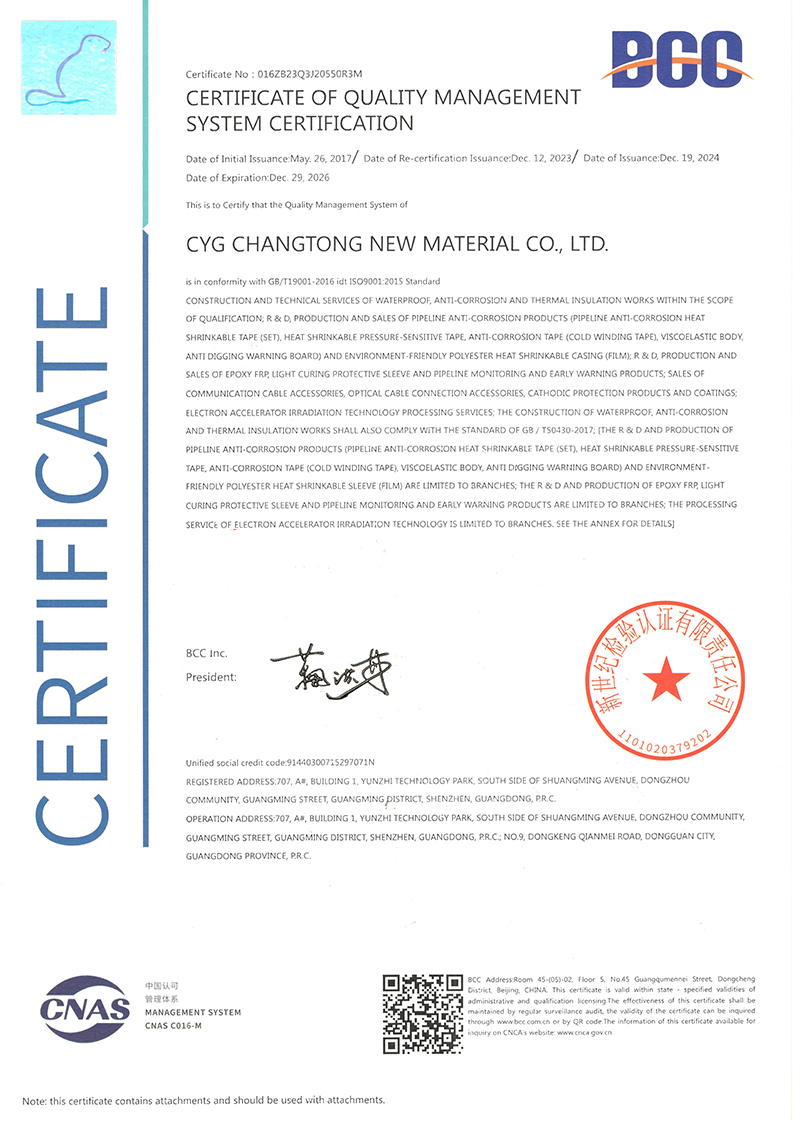
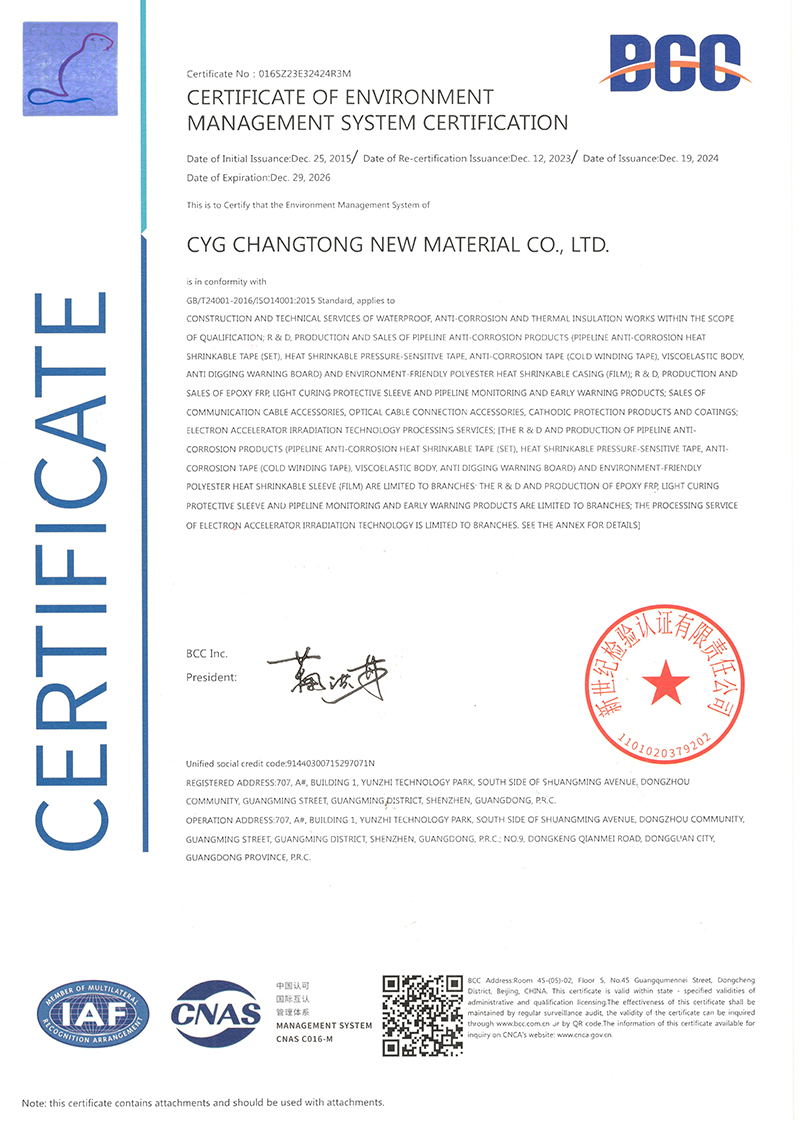
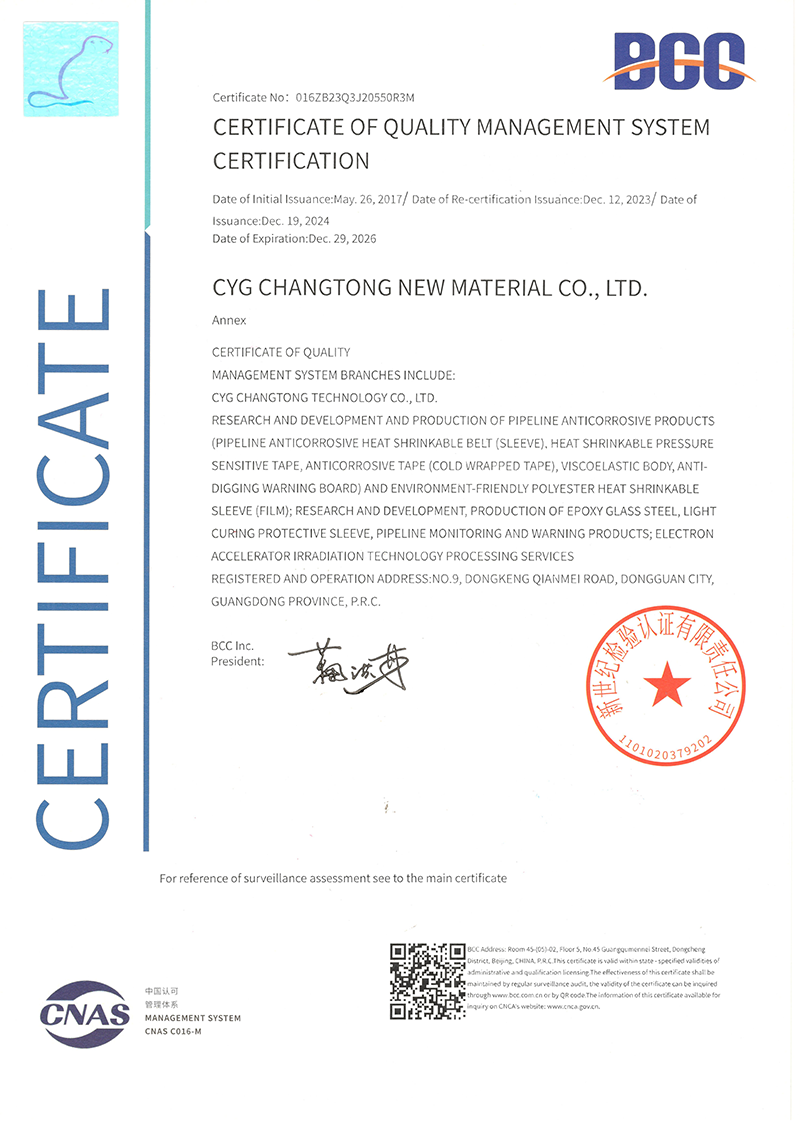
Over the years, CYCT has become a stable supplier of field joint coatings for leading energy developers including PetroChina, Sinopec, PipeChina, and various international networks. Our professional R&D teams operate within a national CNAS-accredited laboratory, ensuring that every batch of material leaving our factory complies with international standards (such as ISO 21809-3, EN 12068, and NACE RP0303).
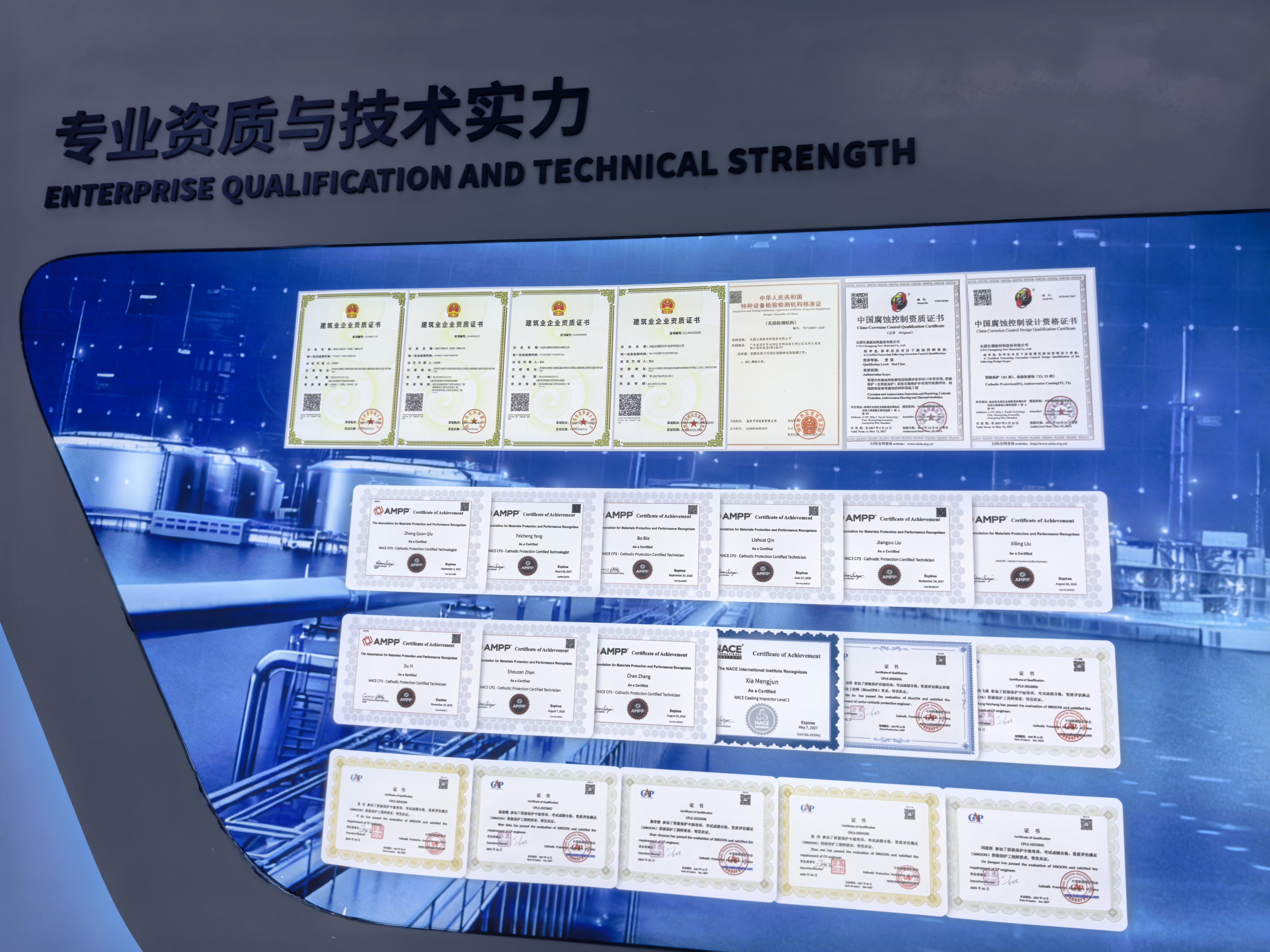
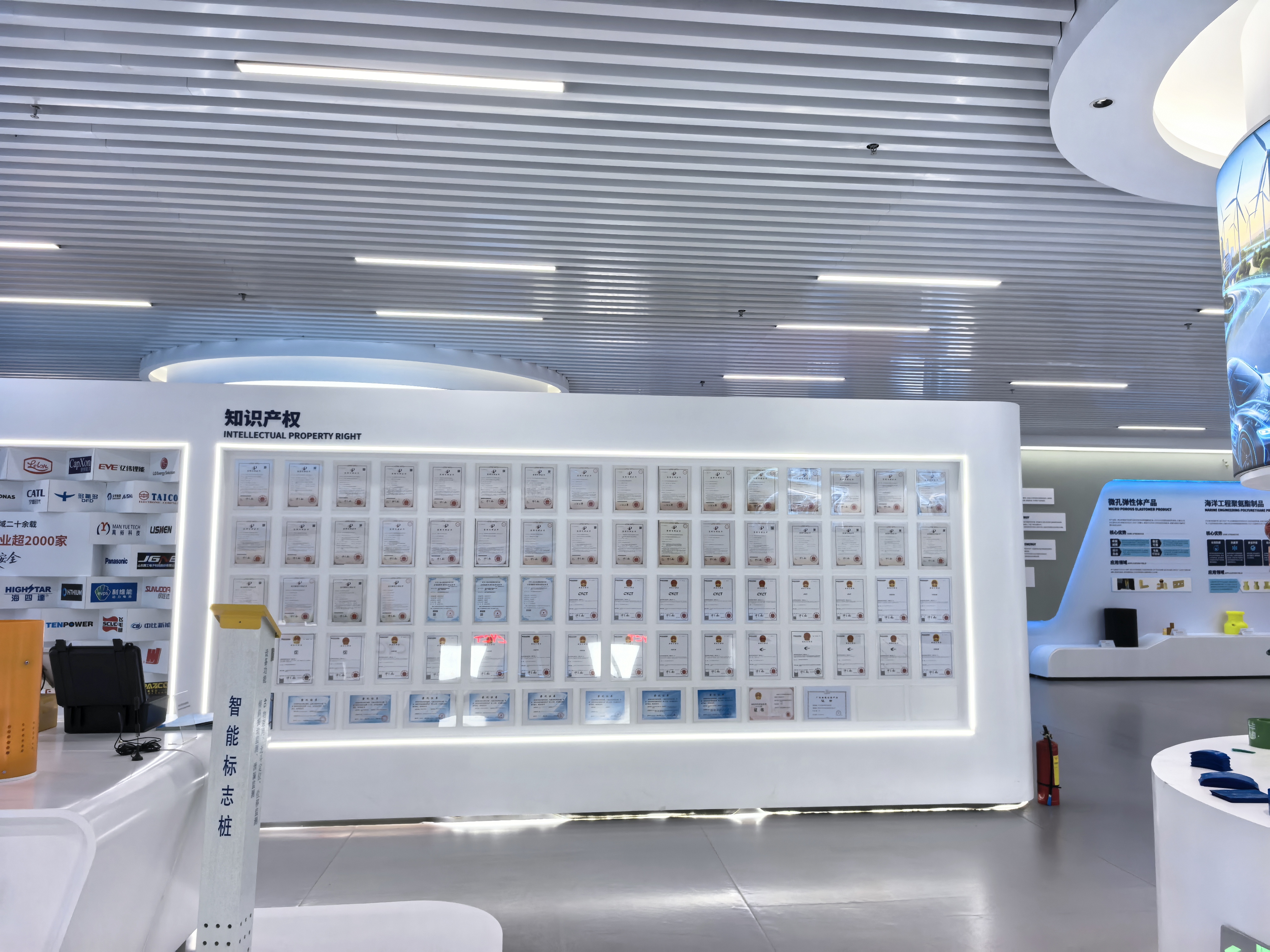
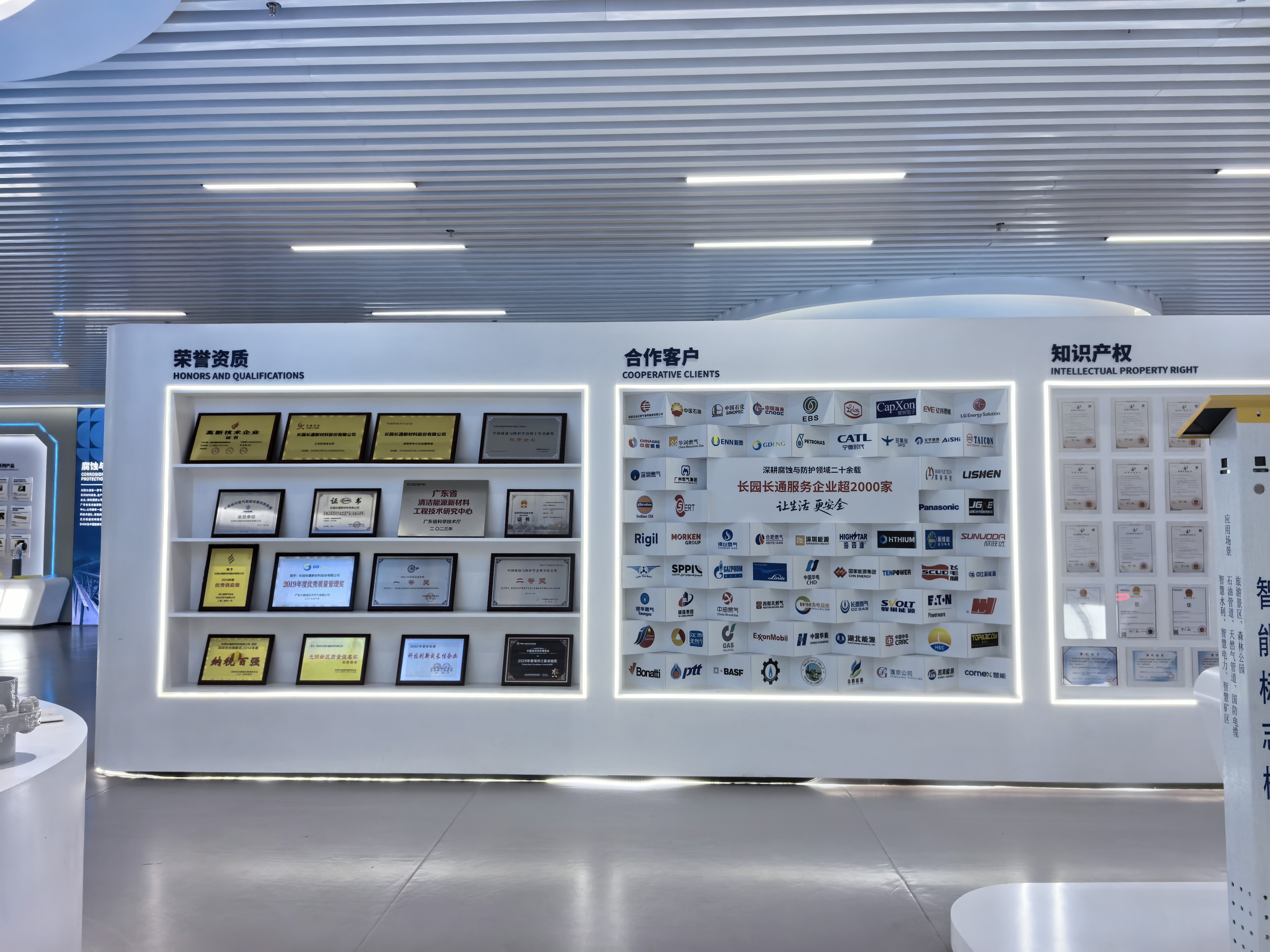
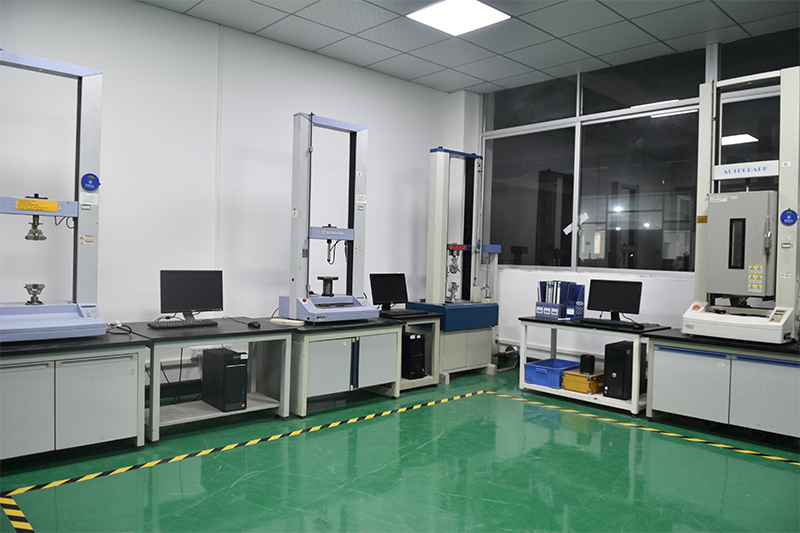
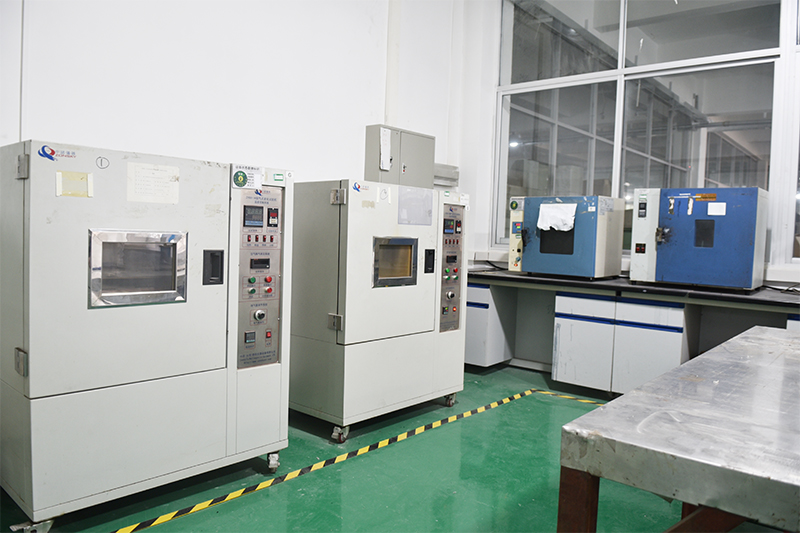
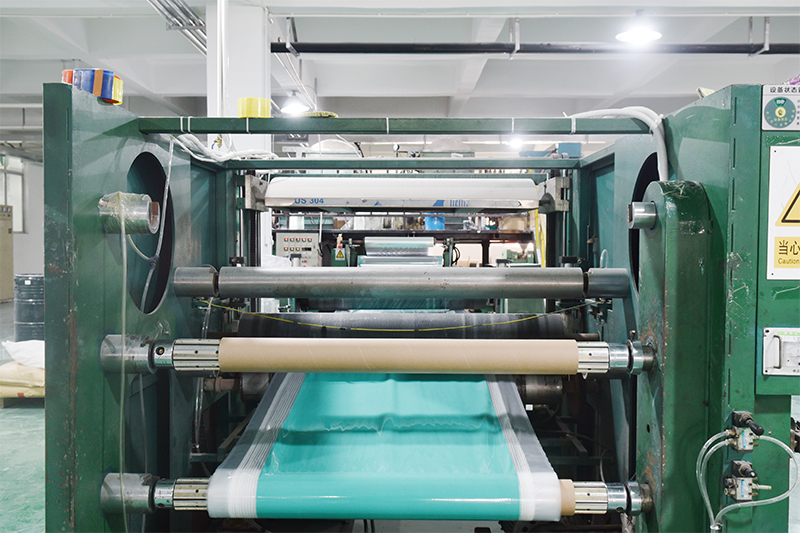
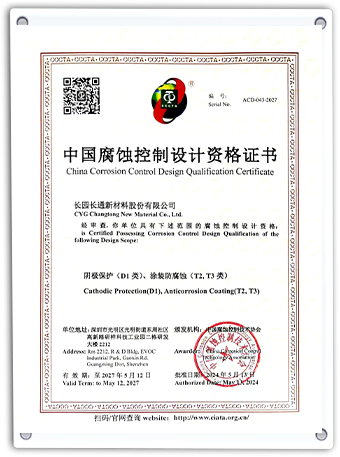
Council Member of Chinese Society for Corrosion and Protection (CSCP). Qualified supplier for CNPC, Sinopec, China Gas, and Indian Oil.
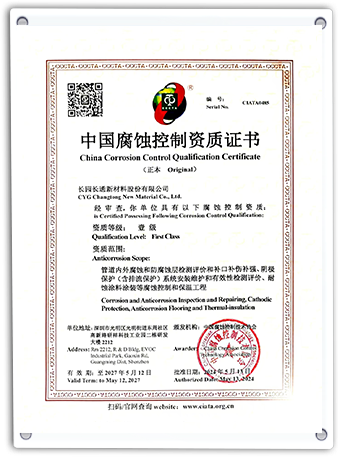
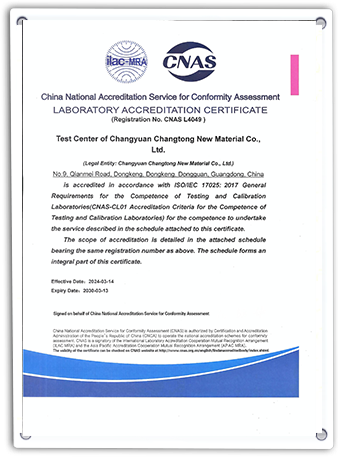
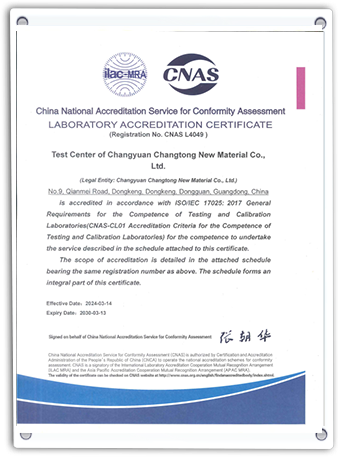
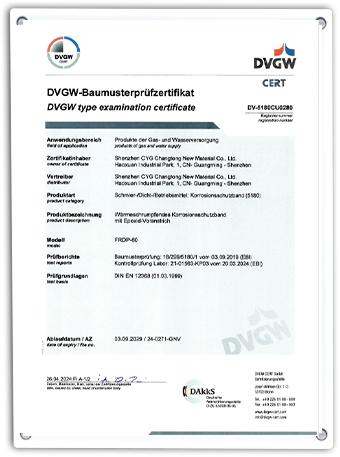
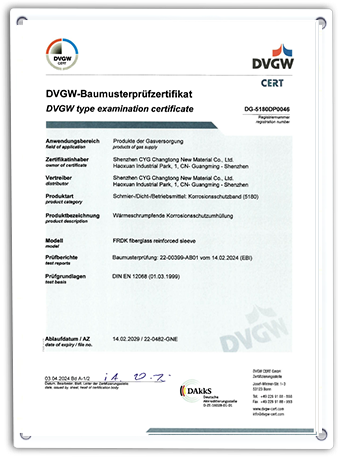
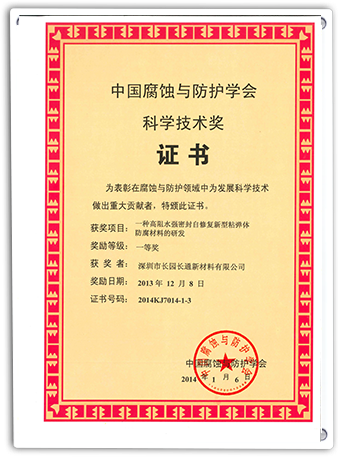
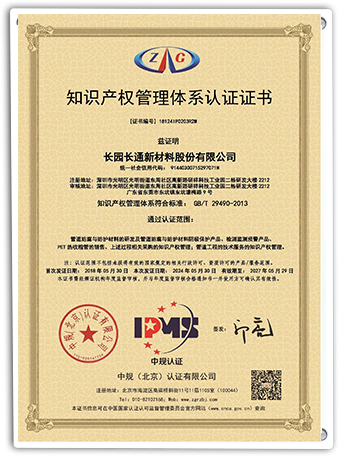
Direct technical explanations on performance, installation, and climate suitability of FRDP Heat Shrink Sleeves.
Explore our complete catalog of field joint coatings, repair patches, and specialty sealing systems tailored for the Russian pipeline market.
Get in touch with CYCT's engineering department to obtain customized technical specifications, test reports, and factory price quotes for your project.
Send Inquiry Now CYCT
CYCT