Explore our field-proven portfolio of corrosion-mitigating products, certified under global pipeline integrity standards.
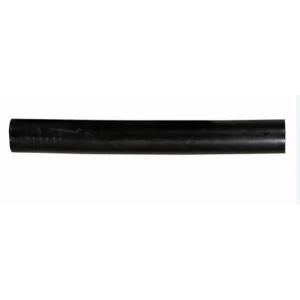
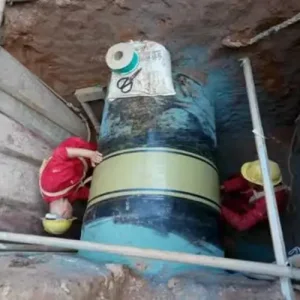
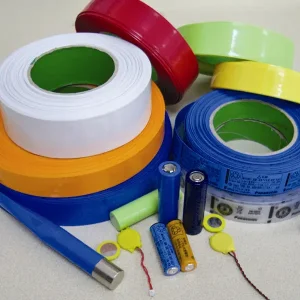
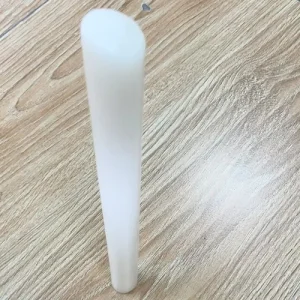
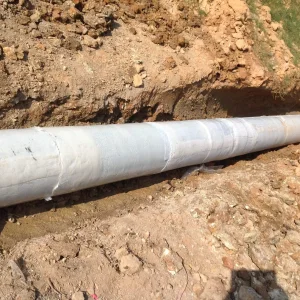
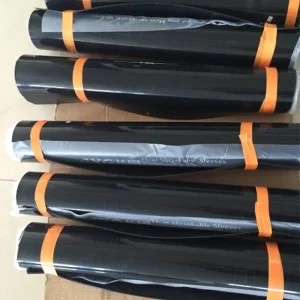
In modern pipeline infrastructure networks, the structural integrity of steel transmission conduits represents one of the most critical variables governing environmental safety and operational continuity. Pipeline networks, transferring crude oil, natural gas, refined petroleum products, and now hydrogen, traverse vast geological expanses. While the main body of a pipe is comprehensively shielded by mill-applied corrosion protection systems (such as 3-Layer Polyethylene - 3LPE, or 3-Layer Polypropylene - 3LPP), the welding joints executed in the field during construction remain highly vulnerable. These field joints, often termed field joint coatings (FJC), require seamless, robust, and durable localized application solutions. This is where welding sleeves (heat shrinkable wraparound sleeves, UV-curing protective sleeves, and viscoelastic tapes) act as the primary defense vector against soil stress, moisture ingress, cathodic disbondment, and chemical degradation.
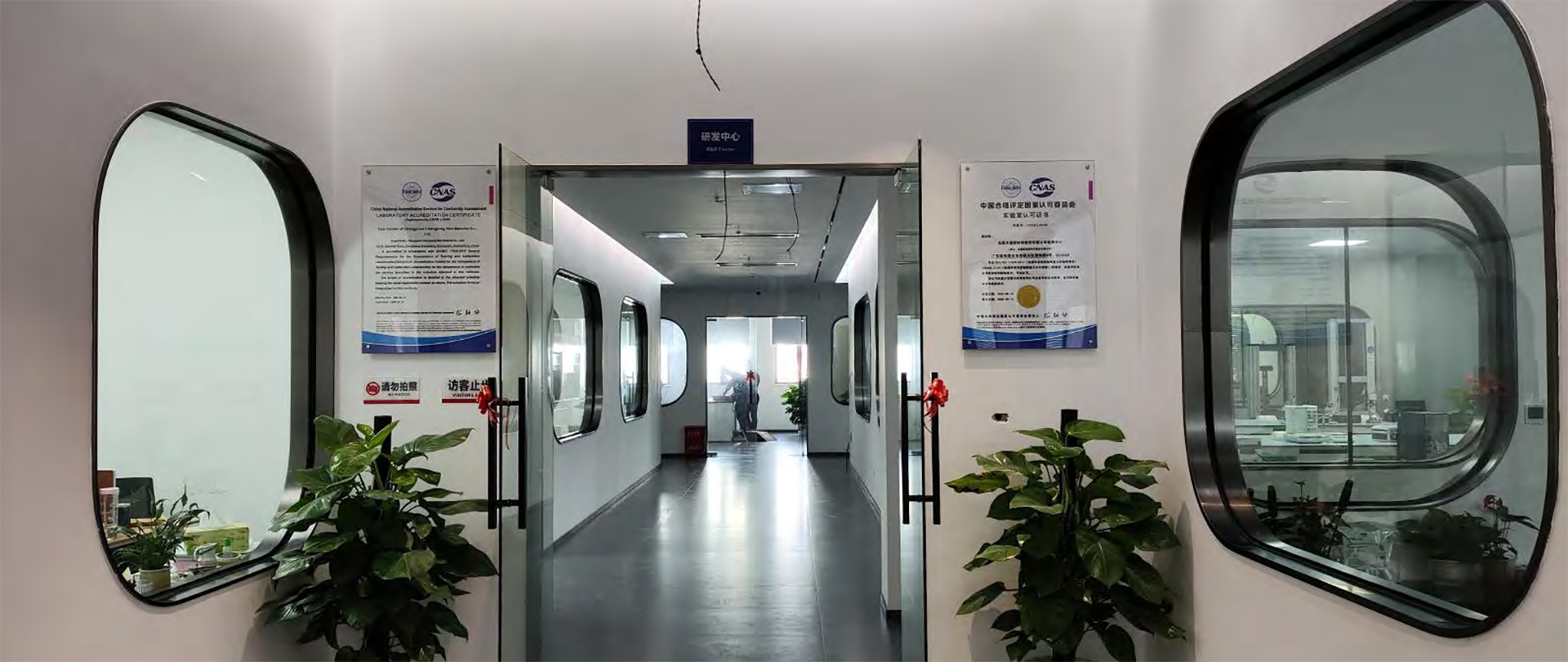
CYCT New Materials Company Limited (CYCT), a state-level high-tech enterprise founded in 2000, has dedicated over two decades to the research, development, and high-volume manufacture of state-of-the-art field joint coating solutions. By maintaining strategic research alliances with industry leaders like the CNPC Pipeline Science Research Institute and housing a national CNAS-accredited laboratory, CYCT has engineered advanced materials that comply with strict international regulatory metrics, including ISO 21809-3, EN 12068, and AMPP (formerly NACE) protocols.
When engineering procurement construction (EPC) contractors and pipeline operators source high-performance field joint coatings, the selection of an OEM (Original Equipment Manufacturer) factory is paramount. China has evolved into the epicenter of advanced macromolecular material synthesis, offering an unmatched combination of raw material availability, scientific research depth, and massive production capacity.
At the core of a premium heat-shrinkable welding sleeve is the compounding of the backing material. Standard polyethylene (PE) is inherently prone to environmental stress cracking and structural sagging when exposed to elevated operational temperatures. To mitigate this, CYCT utilizes advanced electron-beam radiation cross-linking technology. In our sterile factory environment, the PE backing is formulated with specialized antioxidant packages, UV stabilizers, and carbon black. Subsequent irradiation alters the molecular structure from a linear thermoplastic into a three-dimensional cross-linked network. This molecular modification endows the backing with "elastic memory," enabling it to shrink tightly onto the pipe joint when heat is applied while preserving its structural memory and resistance to shear stresses.
The backing represents only half of the performance equation. The functional layer is the adhesive—typically a heavy-duty copolymer hot-melt or a viscoelastic mastic. CYCT's OEM factories run dedicated chemical reactors that compound proprietary adhesives optimized for varying operating temperatures (ranging from sub-zero arctic pipelines to high-temperature oil pipelines operating at up to 85°C, and specialty systems designed for even higher thresholds). The adhesive must display exceptional shear resistance, high peel strength, and minimal cathodic disbondment to ensure the long-term integrity of the pipeline.
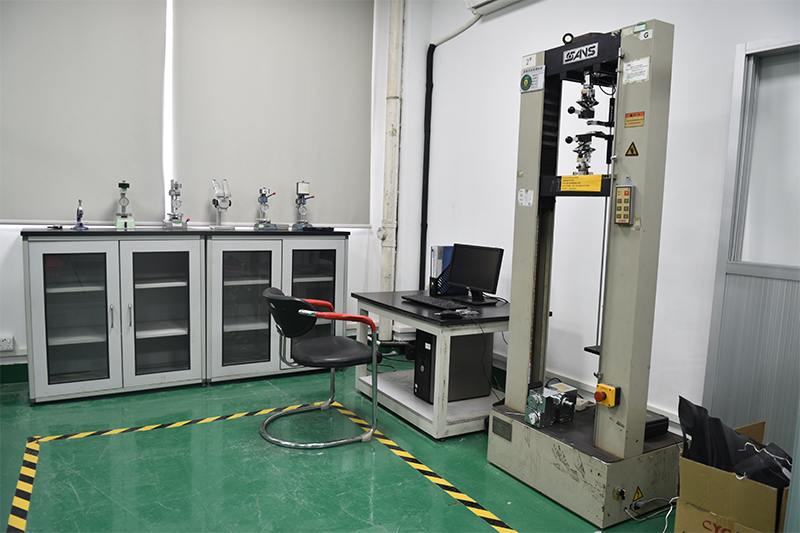
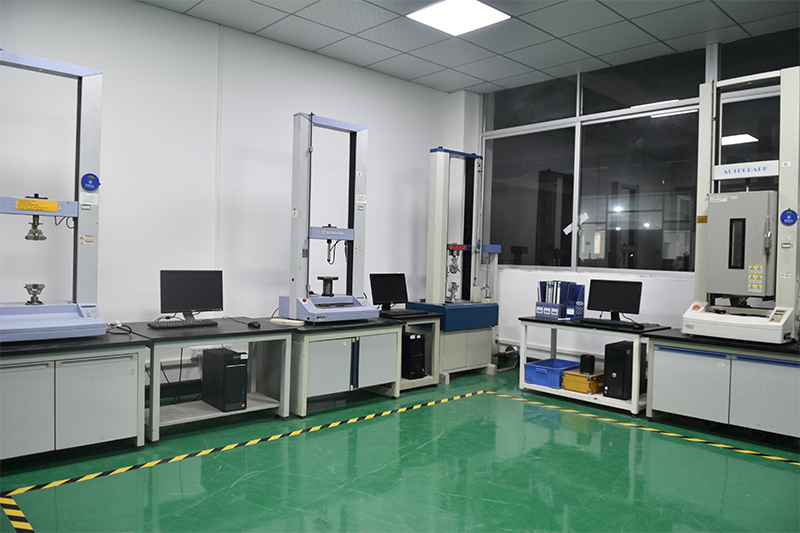
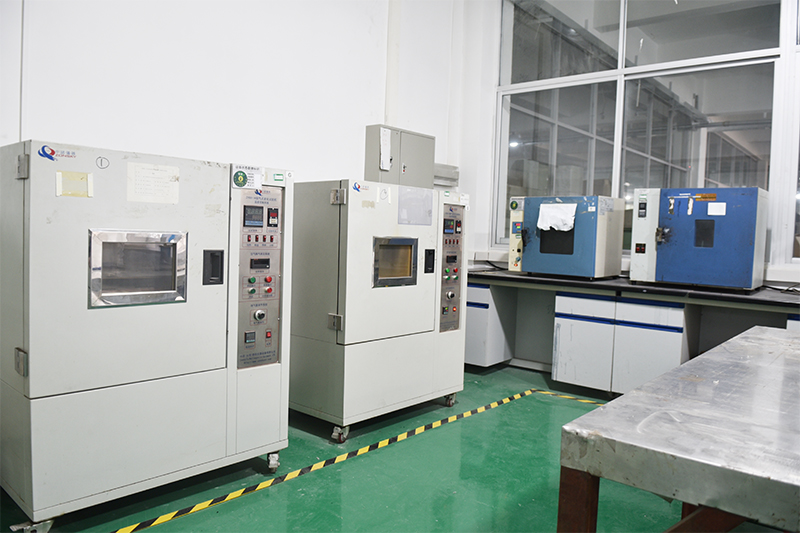
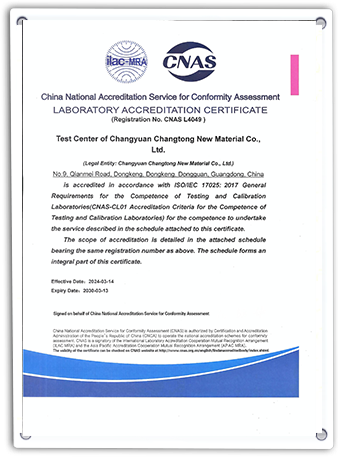
Operating a national CNAS-accredited laboratory means that every batch of raw polymer, mastic, and cross-linked backing undergoes rigorous testing. Our QA/QC protocols include Differential Scanning Calorimetry (DSC) to confirm polymer crystallinity, carbon black dispersion analysis, tensile strength mapping, and simulated long-term soil stress tests. CYCT provides fully traceable material test reports (MTR) for international EPC projects, securing compliance with global project requirements.
A singular anti-corrosion system cannot satisfy all geological and physical operational requirements. As a premier OEM factory network, CYCT supplies a multi-layered portfolio of technologies, each optimized for distinct performance criteria.
| Technology System | Primary Substrate Material | Adhesive Mechanism | Max Operating Temp | Primary Application Scenario |
|---|---|---|---|---|
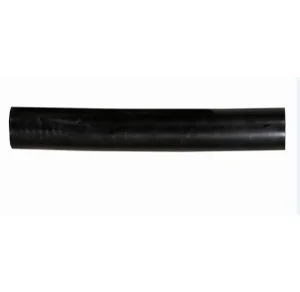
| Heat Shrinkable Wraparound Sleeves | Radiation Cross-linked HDPE | Copolymer Hot-Melt Adhesive | Up to 80°C - 85°C | Standard onshore pipelines, 3LPE field joint coatings |
| PP Heat Shrinkable Sleeves | Radiation Cross-linked Polypropylene | PP-based hot melt alloy | Up to 110°C - 120°C | High-temperature gas/crude lines, 3LPP field joints |
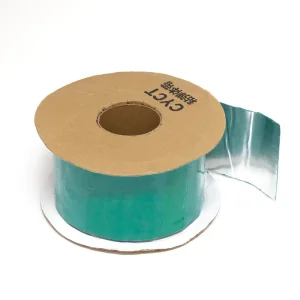
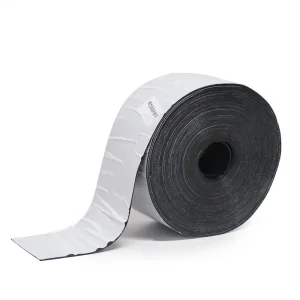
| Visco-Elastic Tapes & Putty | Non-crystalline non-cross-linked polyolefin | Viscoelastic cold-flow compound | Up to 60°C - 70°C | Rehabilitation, complex valves, flanges, irregular fittings |
| UV-Curing GRP Sleeves | Glass Fiber Reinforced Plastics (GRP) | Photo-curable vinyl ester/epoxy resin | Up to 120°C | Horizontal Directional Drilling (HDD), mechanical protection |
With the deeper extraction of crude oil and natural gas, transport temperatures have escalated, demanding field joint coatings that survive continuous operating conditions above 100°C. Standard PE-based sleeves fail under these thermal conditions due to material softening and subsequent shear creep. CYCT's PP heat shrinkable sleeves utilize radiation cross-linked polypropylene backings coupled with proprietary high-temperature hot-melt adhesives. These systems match the thermal and mechanical characteristics of the mill-applied 3LPP parent coating, creating a continuous barrier against moisture and aggressive chemical soils.
Horizontal Directional Drilling (HDD) is the primary technique used to cross rivers, highways, and environmentally sensitive areas. During the pull-back process, the pipeline is subjected to severe abrasive forces, rock gouging, and shear stresses. Standard heat-shrinkable sleeves can suffer mechanical damage or be sheared off completely under these conditions. CYCT's photo-curing protective sleeves incorporate high-strength glass fiber reinforced plastics (GRP) pre-impregnated with UV-reactive resins. Wrapped over the primary anti-corrosion sleeve, they cure within minutes under exposure to natural sunlight or artificial UV lights. The result is a rock-hard, impact-resistant outer armor that protects the underlying anti-corrosion barrier from physical damage during installation.
Viscoelastic materials represent a self-healing paradigm in pipeline joint protection. Consisting of a non-crystalline, non-crosslinked polyolefin paste or tape, these materials exhibit cold-flow properties. They never cure, remaining permanently flexible and capable of flowing into the microscopic surface roughness of the steel substrate. This ensures complete wetting of the steel, preventing moisture ingress. Viscoelastic systems require minimal surface preparation (often SSPC-SP2/SP3 hand tool cleaning is sufficient), making them excellent solutions for pipeline rehabilitation, field maintenance, and protecting complex shapes like flanges and tee-joints.
To successfully integrate field joint coatings into large-scale energy infrastructure, EPC contractors must evaluate local environmental stresses and long-term operational criteria.
Desert oil lines operate at elevated temperatures and are surrounded by high-saline soils. CYCT's FRPD-PP and PE systems are optimized to resist cathodic disbondment and prevent moisture permeation under high thermal stresses.
Using GRP UV-curing sheets prevents coating failures caused by drag forces and rock friction. Our UV-curing systems act as sacrificial outer wraps, protecting the inner corrosion barrier from damage.
For live pipeline repairs where sandblasting is impossible, our PE cold-wrapped tapes and viscoelastic putties allow maintenance crews to seal localized defects and welds quickly, minimizing downtime.
The global transition towards green energy is reframing the pipeline sector. As the industry prepares to carry hydrogen and carbon dioxide (via CCUS networks), the performance requirements for pipeline coatings are shifting.
Hydrogen molecules are incredibly small and can easily permeate typical polymer matrices, leading to steel embrittlement and coating failure. CYCT's research team is developing next-generation polyolefin matrices modified with nano-clays and graphene barriers to reduce hydrogen permeation rates, preparing our OEM pipeline sleeves for the upcoming hydrogen economy.
Older anti-corrosion systems often relied on coal tar or volatile organic solvents, which pose environmental and health risks. Modern specifications prioritize green chemistry. CYCT's viscoelastic coatings and VE putties are non-toxic, solvent-free, and safe for installers and the surrounding environment, ensuring project compliance with stringent global environmental standards.
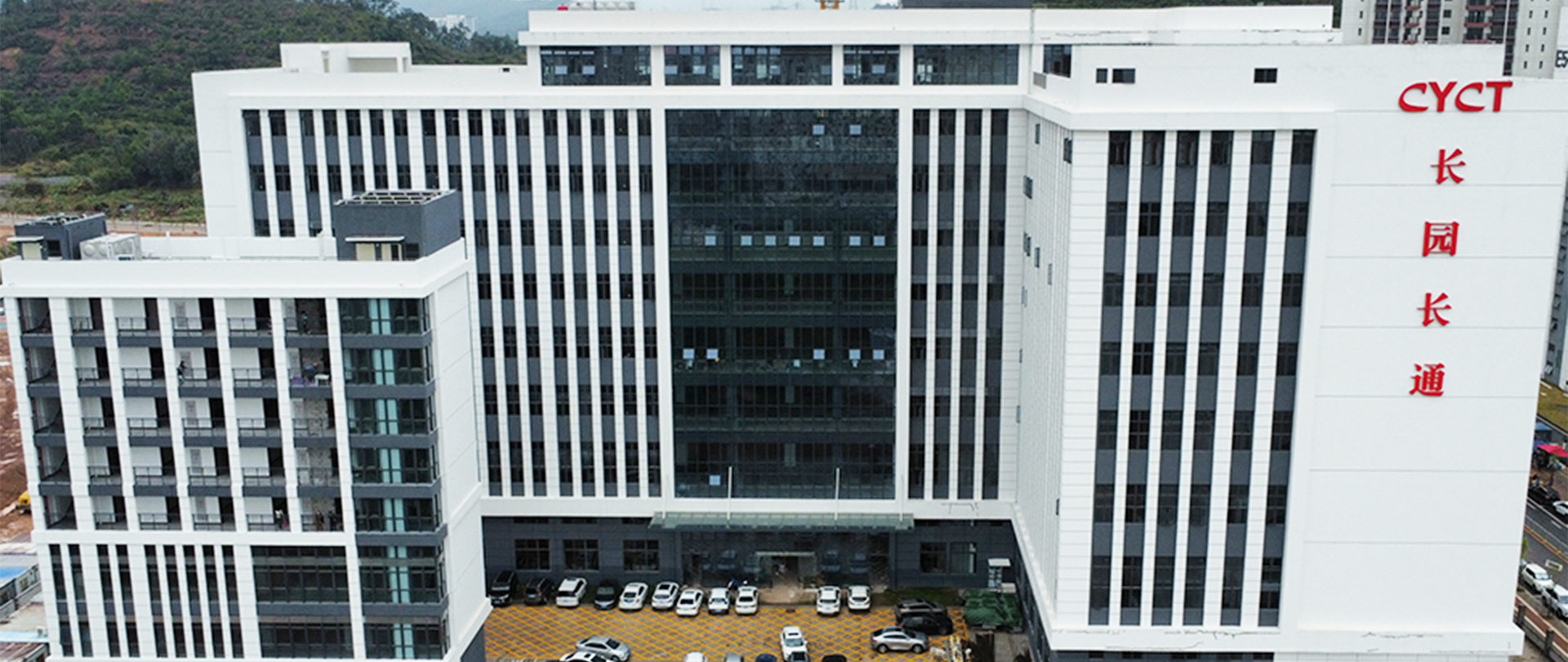
CYCT New Materials Company Limited is a state-level high-tech enterprise integrating R&D, manufacturing, sales of pipeline corrosion protection materials, and specialized technical services. Since our founding in 2000, we have served as a trusted partner for national pipeline operators and global contractors.
CYCT maintains a significant market share as a qualified supplier to PetroChina, Sinopec, PipeChina, and various local gas distribution networks. Our credentials extend globally, including registrations with Indian Oil and major international operators. Additionally, we are active members of the Chinese Society for Corrosion and Protection (CSCP) and the China Association of Petroleum Engineering Construction (CAPEC).
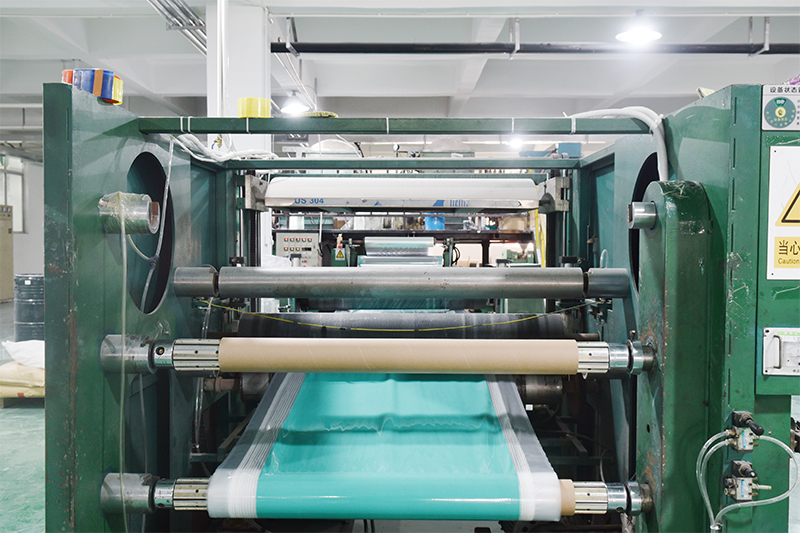
Our manufacturing and testing facilities are designed to deliver consistent product quality across every production run. Here is a look at our operations and advanced production environment:
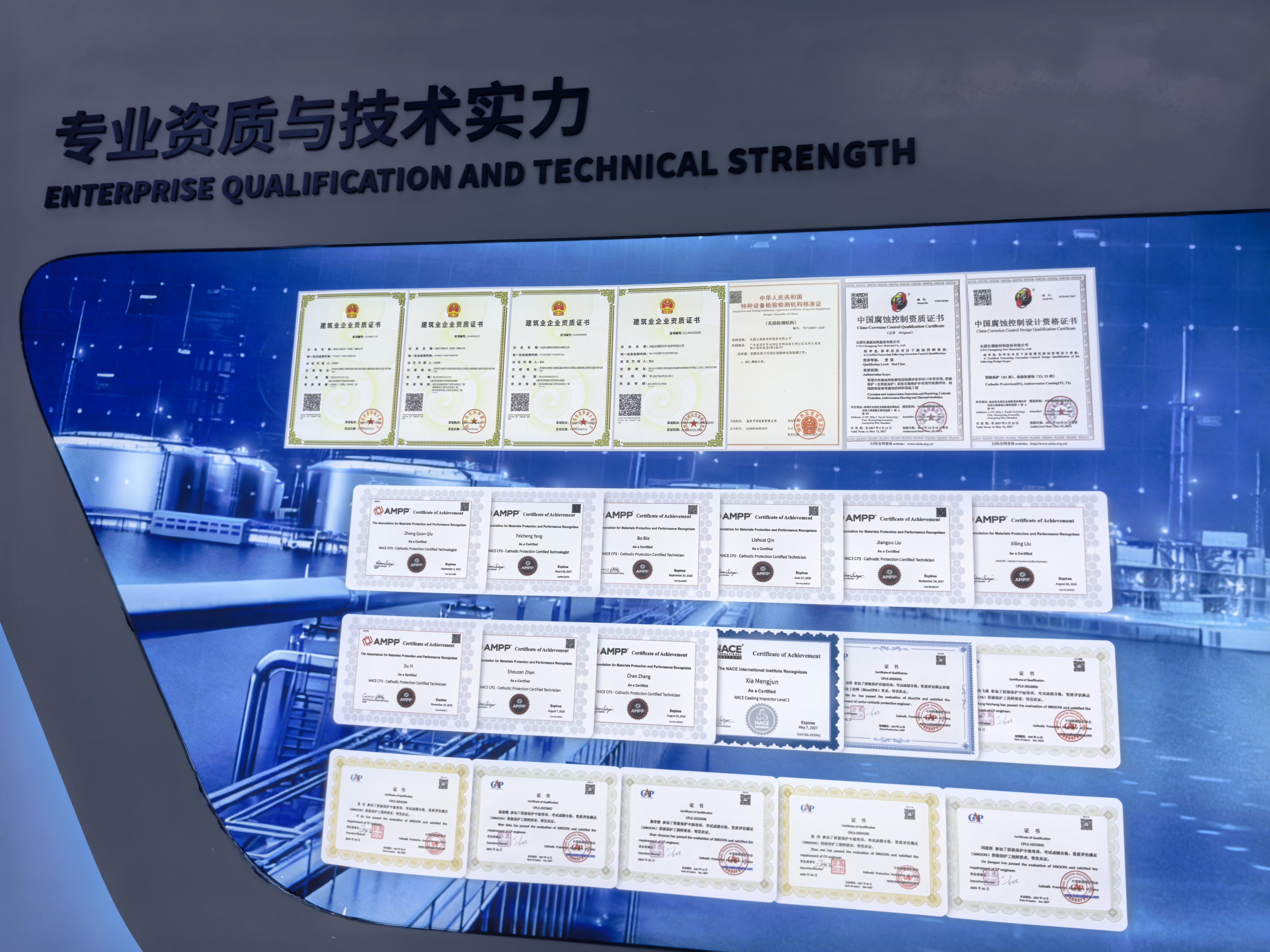
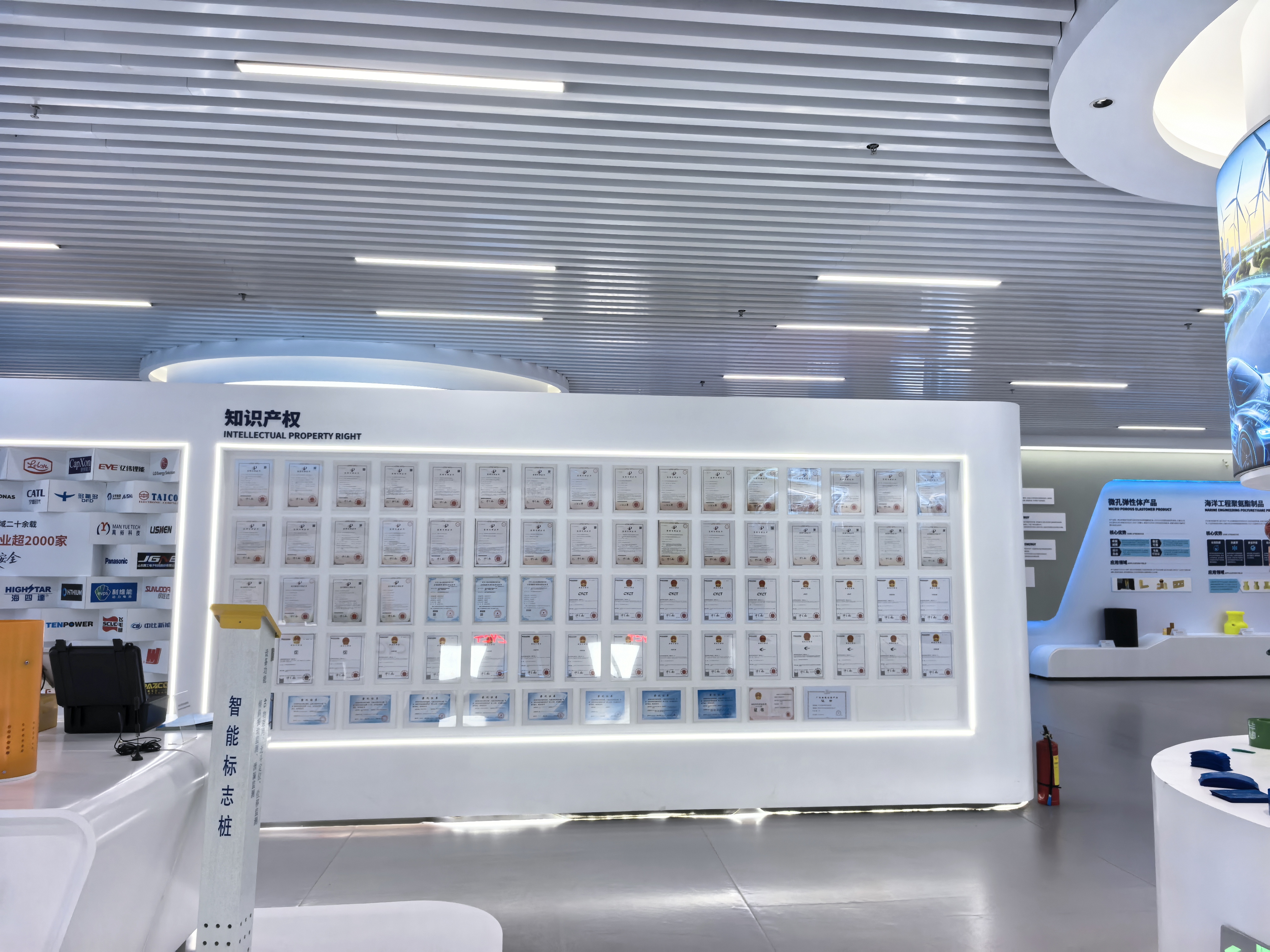
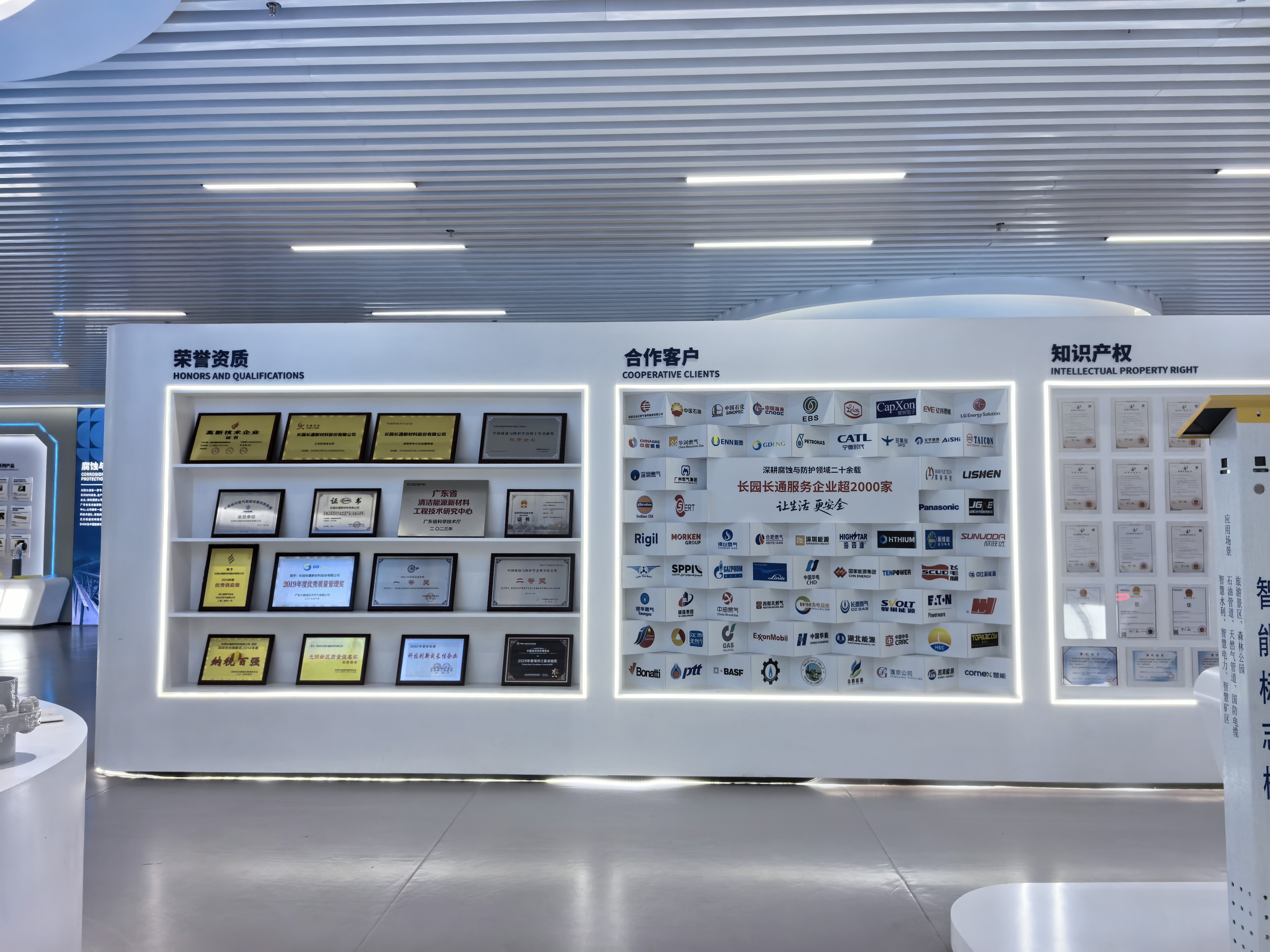
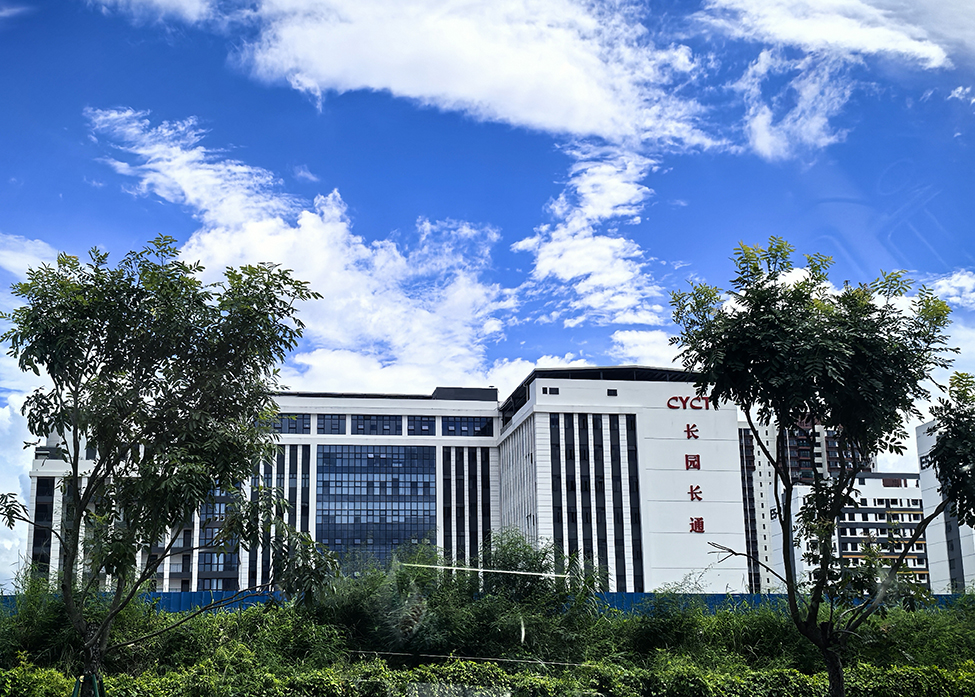
By working closely with institutes like the CNPC Pipeline Science Research Institute, we provide comprehensive technical support, including pipeline integrity assessments, cathodic protection design, and custom coating rehabilitation services.
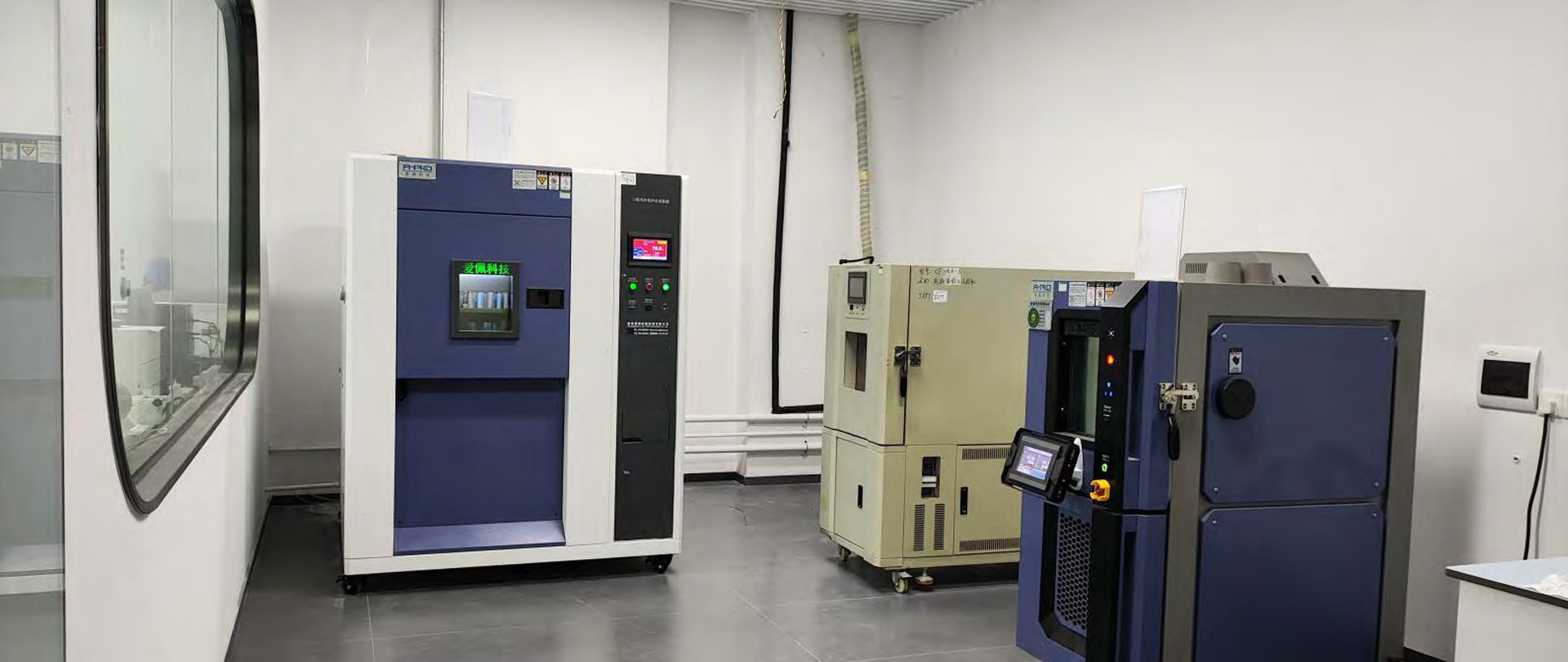
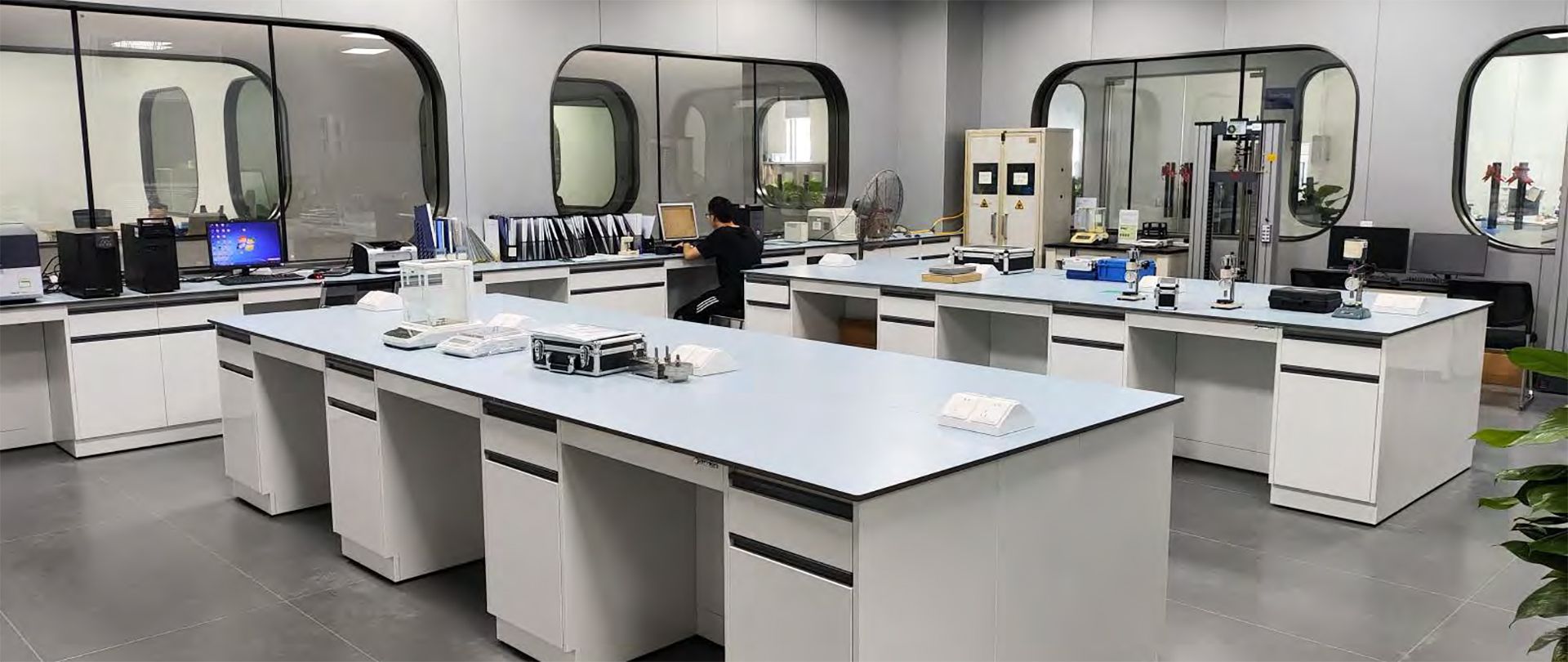
Our factories leverage automated production lines to compound, extrude, and cross-link high-durability polymer sleeves at scale, ensuring consistent thickness and physical performance.
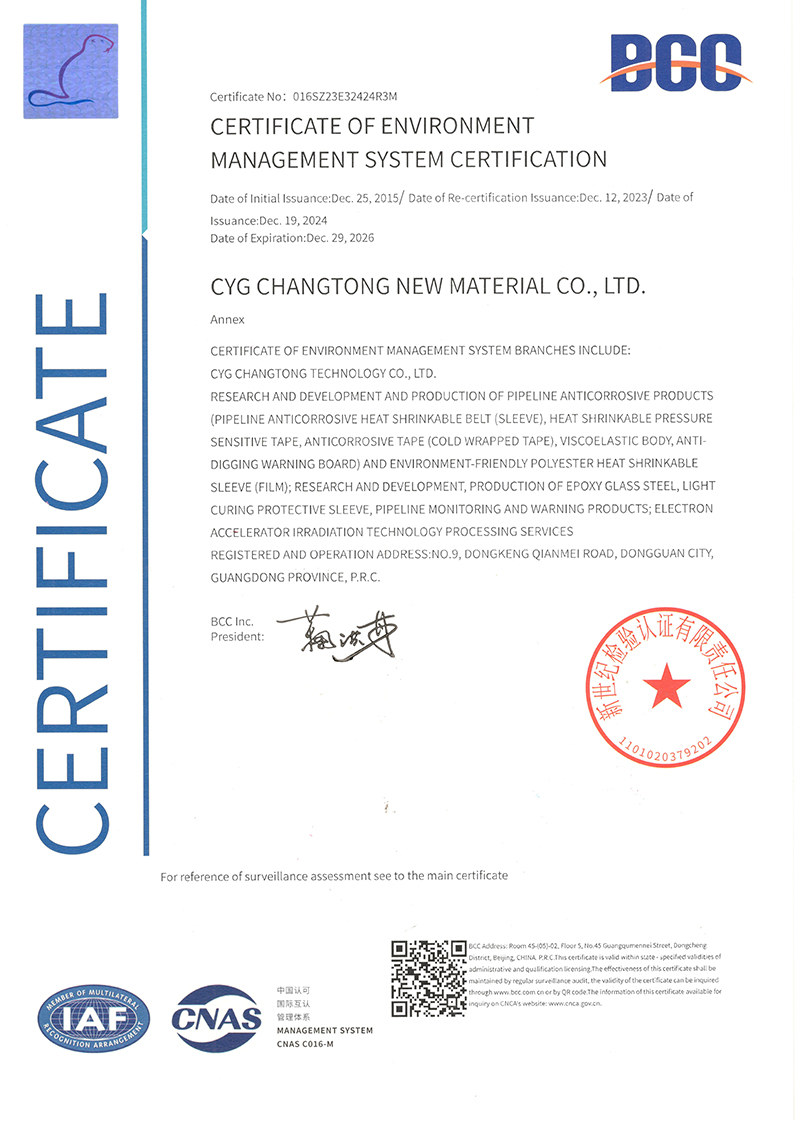
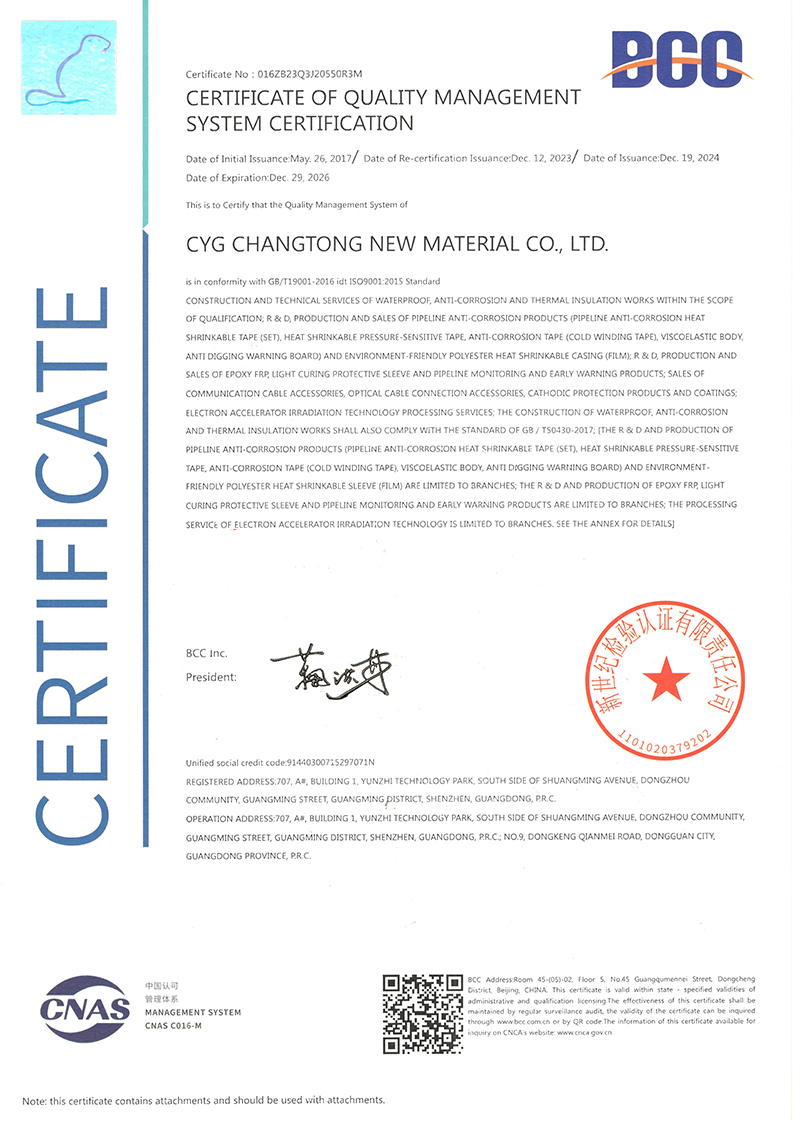
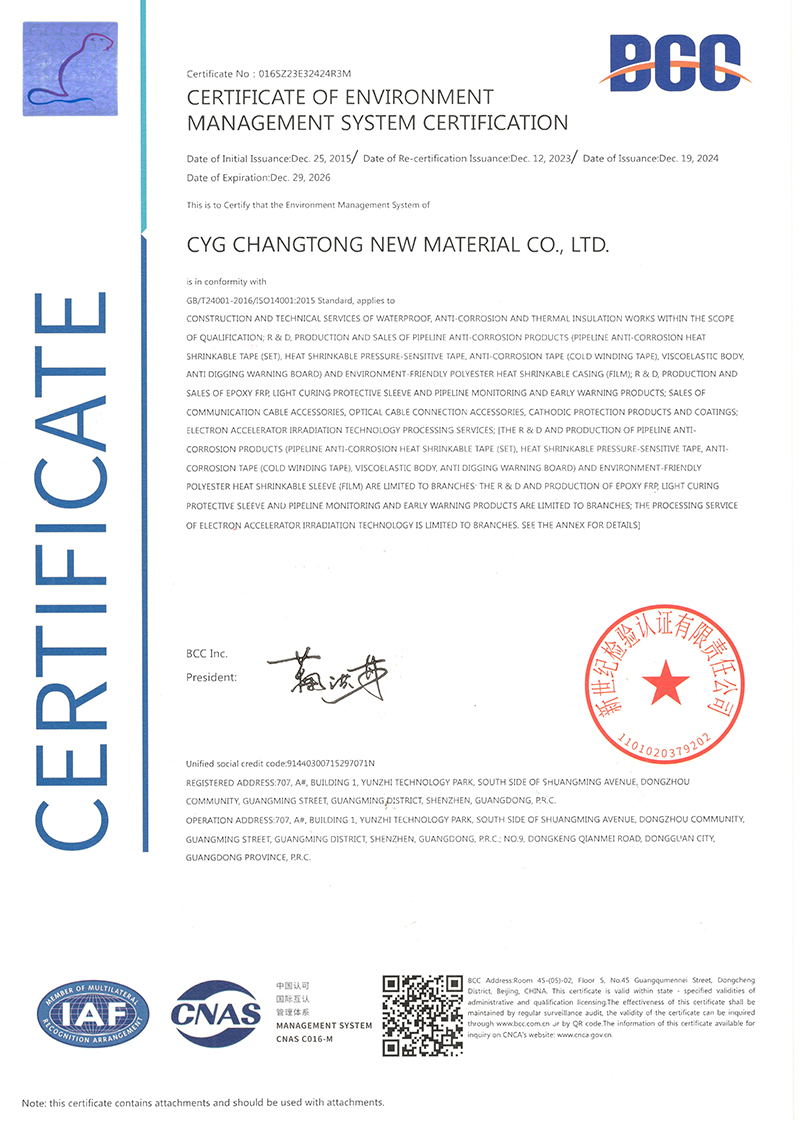
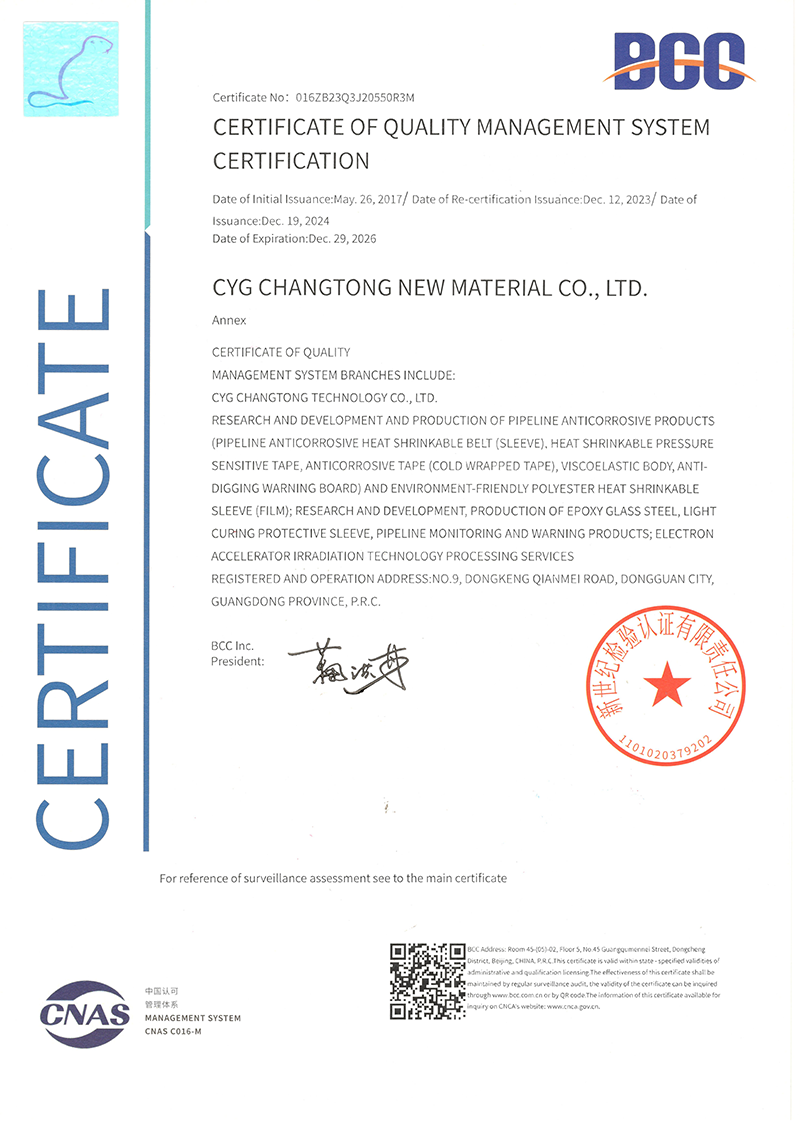
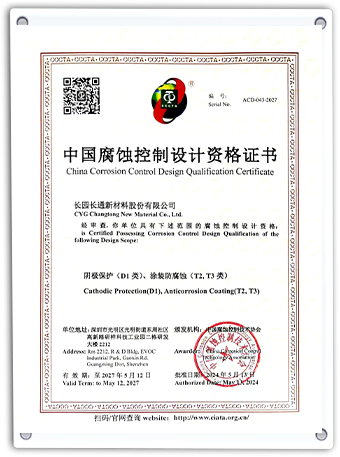
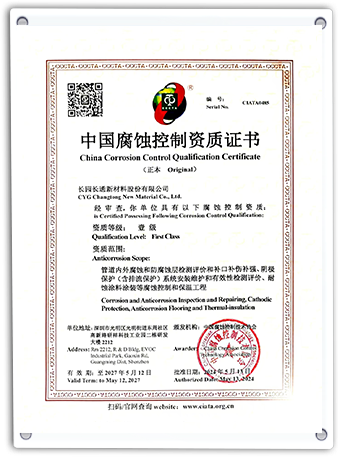
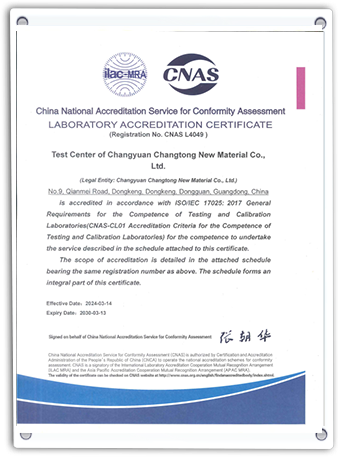
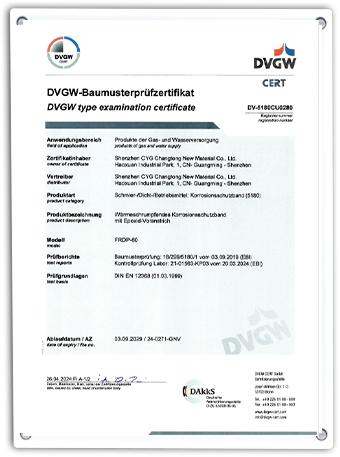
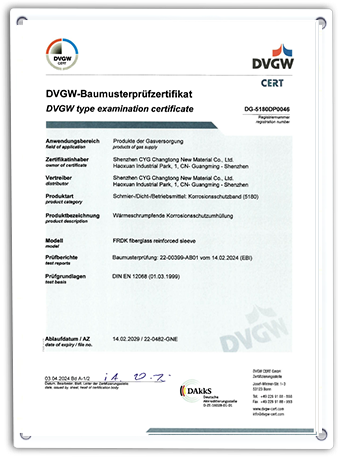
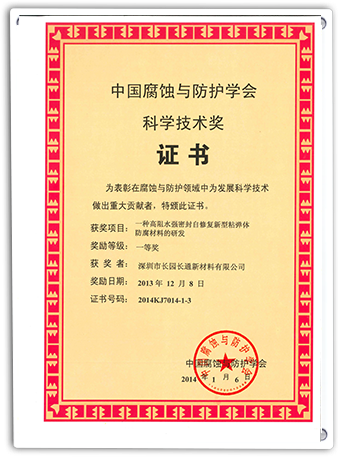
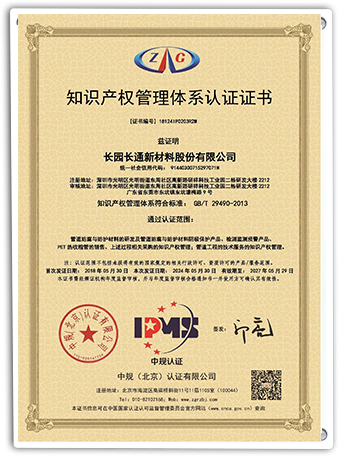
CYCT's products conform to international quality and environmental management standards, backed by third-party testing and certification.
Engineered for challenging environments, including high-temperature, offshore, and trenchless pipeline systems.
 CYCT
CYCT