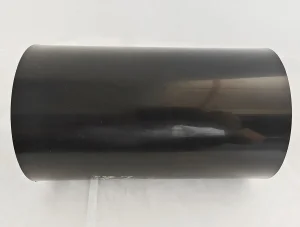
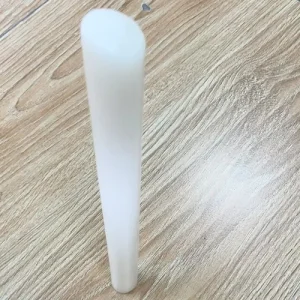
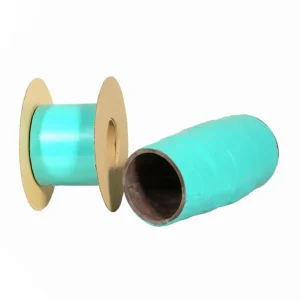
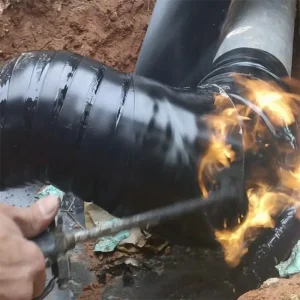
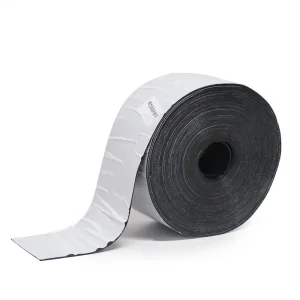
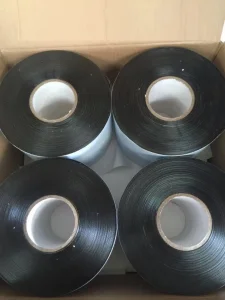
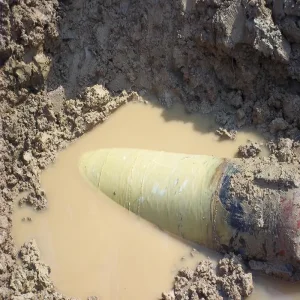
Explore our high-performance solutions engineered for comprehensive pipeline rehabilitation, steel structure protection, and high-integrity coating repairs.
Pipeline corrosion mitigation requires materials that can isolate steel surfaces from environmental electrolytes under extreme physical and chemical stress. Traditional coating repairs, such as hot-applied bituminous tapes or liquid epoxies, suffer from application complexity, sensitivity to moisture, and susceptibility to cathodic disbondment. Visco-elastic sealants address these challenges through their unique thermodynamic and rheological properties.
Viscoelastic materials behave simultaneously as a high-viscosity liquid and an elastic solid. Based on low-molecular-weight polyisobutene (PIB) technology, these coatings exhibit a low glass transition temperature (approx. -65°C), allowing them to remain amorphous and flow under minimum pressure. Under low shear rates, the sealant behaves like a liquid, wetting the micro-irregularities of the steel profile down to the microscopic level. This achieves 100% surface wetting without the need for chemical primers or heating.
Unlike epoxy or polyurethane, viscoelastic sealants do not crosslink or cure. They maintain constant plastic flow characteristics, guaranteeing permanent flexibility and contact resistance without cracking over decades.
When subjected to minor mechanical punctures, the internal cohesive forces of the polymer allow it to flow back into the defect area, automatically repairing minor damage and maintaining barrier integrity.
Because the material has extremely high electrical resistance and prevents moisture ingress, it works alongside cathodic protection (CP) systems, avoiding CP shielding and safeguarding vulnerable areas.
| Property Parameter | Standard Test Method | Typical Visco-Elastic Tape Value | Engineering Advantage |
|---|---|---|---|
| Drip Resistance (Flow) | ISO 21809-3 Annex I | < 0.5 mm at 70°C | No sagging or pooling at high service temperatures |
| Peel Strength (Steel) | ISO 21809-3 Annex D | Cohesive failure at all testing speeds | Interfacial adhesion exceeds internal cohesive strength |
| Cathodic Disbondment | ISO 21809-3 Annex G | 0 mm (tested at 23°C & 50°C) | Zero degradation around intentional defects under CP current |
| Specific Electrical Resistance | EN 12068 / ISO 21809-3 | > 108 Ω·m² | High dielectric barrier prevents galvanic corrosion cells |
| Water Vapor Permeability | ASTM E96 | < 0.05 g/m²/24h | Virtually impermeable to moisture and gaseous corrosive agents |
The versatility of viscoelastic sealants is demonstrated across diverse regional environments and demanding installations. Unlike standard heat-shrink sleeves or liquid coatings, viscoelastic sealants require minimal surface preparation (typically St 2 mechanical wire brushing, rather than Sa 2.5 abrasive blasting), making them highly suitable for challenging field joint coating (FJC) projects and in-service pipeline rehabilitation.
Riser pipes entering the soil are exposed to high oxygen levels, UV exposure, and moisture fluctuations. Viscoelastic wraps, shielded with UV-stabilized polyurethane outer wraps, seal the steel surface from oxygen while accommodating the thermal expansion and contraction of the riser without cracking.
Pipes pulled through boreholes encounter severe mechanical friction and shear stresses. Viscoelastic inner layers provide corrosion protection, while outer protective wraps, such as glass-fiber reinforced plastic (FRP) or heavy-duty photo-curing sleeves, absorb mechanical forces, preventing damage during pull-back.
Marine environments combine constant saltwater exposure with cyclical wetting. The high salinity speeds up galvanic corrosion. Viscous sealants form an adhesive barrier that displaces surface moisture, sealing out chloride ions and preventing under-film creep.
As global energy networks shift toward hydrogen blending and carbon capture, transport pipelines are operating under new thermal and chemical conditions. The R&D department at CYCT has established a strategic roadmap for next-generation viscoelastic sealants.
High-Temperature Formulations: Conventional viscoelastic sealants are limited to maximum operating temperatures of 50°C to 70°C. CYCT is currently optimizing a crosslinked viscoelastic matrix designed for continuous service at up to 95°C and 120°C (VT95 & HT series). This development prevents cold flow sagging under high heat, allowing use on high-throughput gas transmission lines and hot oil systems.
Bio-based Carbon Footprint Reduction: Moving away from petrochemical-derived polymers, our lab is testing bio-synthetic polyolefins. These alternative formulations maintain the required low-shear flow and high-dielectric properties of viscoelastic systems while reducing the carbon footprint of production by up to 35%.
Enhancing cohesive strength through polymeric modifiers, ensuring no dripping at high operating temperatures.
Integrating specific nano-clays into the elastomer matrix to reduce molecular gas diffusion through the barrier.
Embedding micro-sensors within the polymer layer to transmit real-time coating health data to cathodic protection monitoring systems.
As a global provider of anti-corrosion coatings, CYCT uses China's integrated industrial infrastructure to offer supply chain stability. From the synthesis of raw polyisobutene to the extrusion of backing films, our supply chain is structured to resist global market fluctuations.
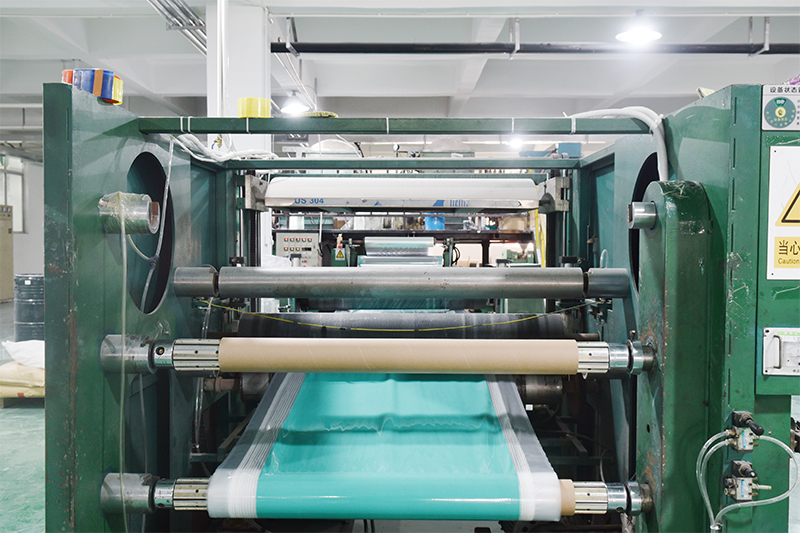
Our factory's production capability is backed by partnerships with major domestic petrochemical producers, ensuring a steady supply of raw elastomers even during global shortages. By maintaining dual-production lines and fully automated mixing and extrusion plants, CYCT can scale production up to 5,000 square meters of viscoelastic tape daily. This allows us to fulfill large orders for national infrastructure projects on time.
Viscoelastic sealants are used worldwide across various sectors, including oil, gas, chemical processing, municipal water distribution, and maritime logistics. The demand is driven by the rehabilitation of aging pipeline networks, where field surface preparation using sandblasting is difficult due to environmental regulations. In regions like Europe and North America, viscoelastic systems are selected for their safety profile: they contain zero volatile organic compounds (VOCs), require no open flames, and reduce hazardous dust on-site.
Local Support & Field Engineering: Technical support at CYCT extends beyond supply. We provide on-site engineering training, qualification programs, and installation validation. Our technical team works alongside project owners in the Middle East, Central Asia, South Asia, and South America, ensuring that site engineers apply the materials in accordance with ISO 21809-3 and EN 12068 standards.
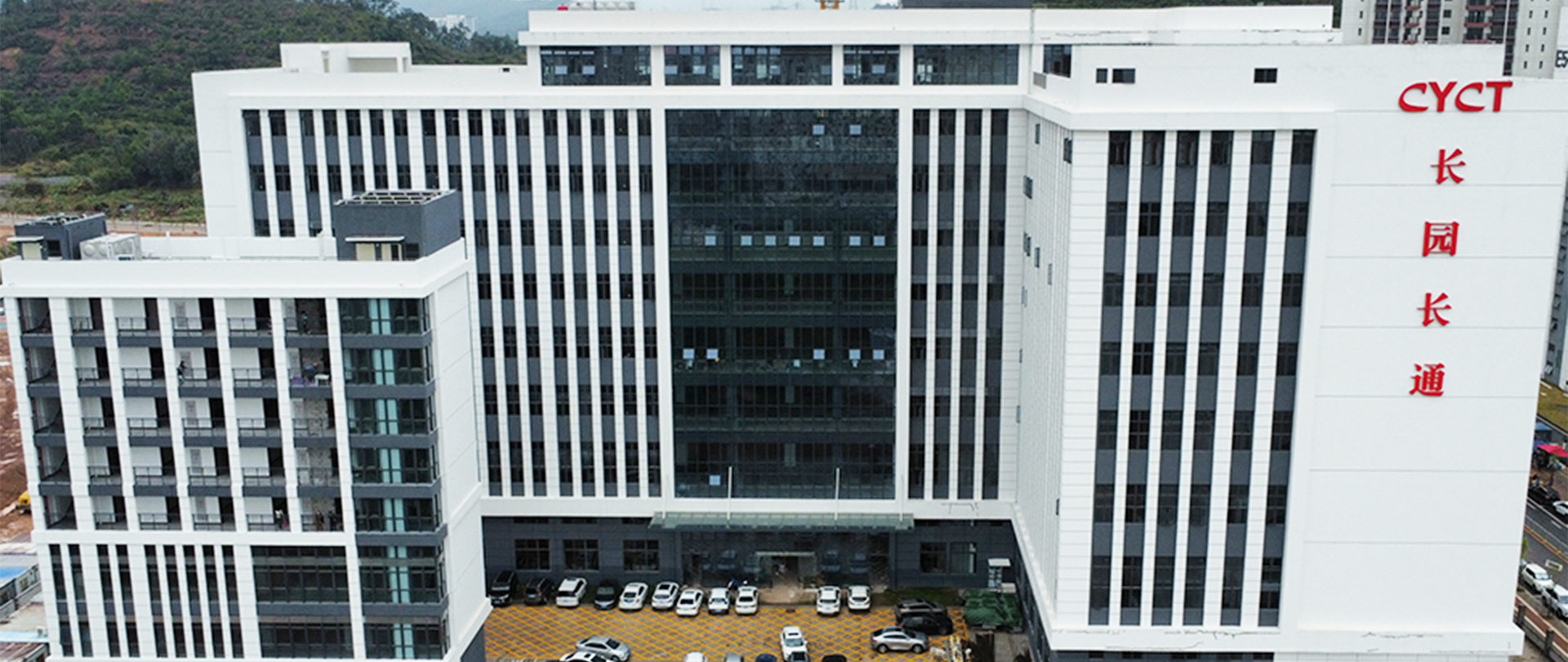
CYCT New Materials Company Limited (for short, CYCT), founded in 2000, is a state-level high-tech enterprise integrating R&D, production and sales of pipeline corrosion protection materials, as well as buried pipeline detection services and pipeline coating field application services into one. CYCT has dedicated itself to the R&D, production, and sales of pipeline corrosion protection materials for decades.
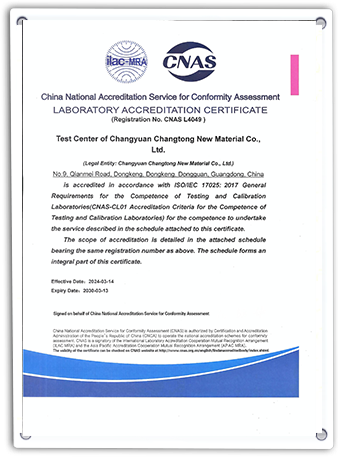
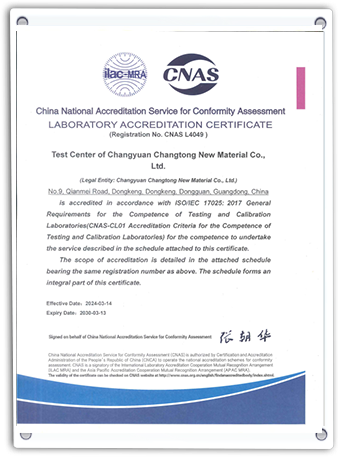
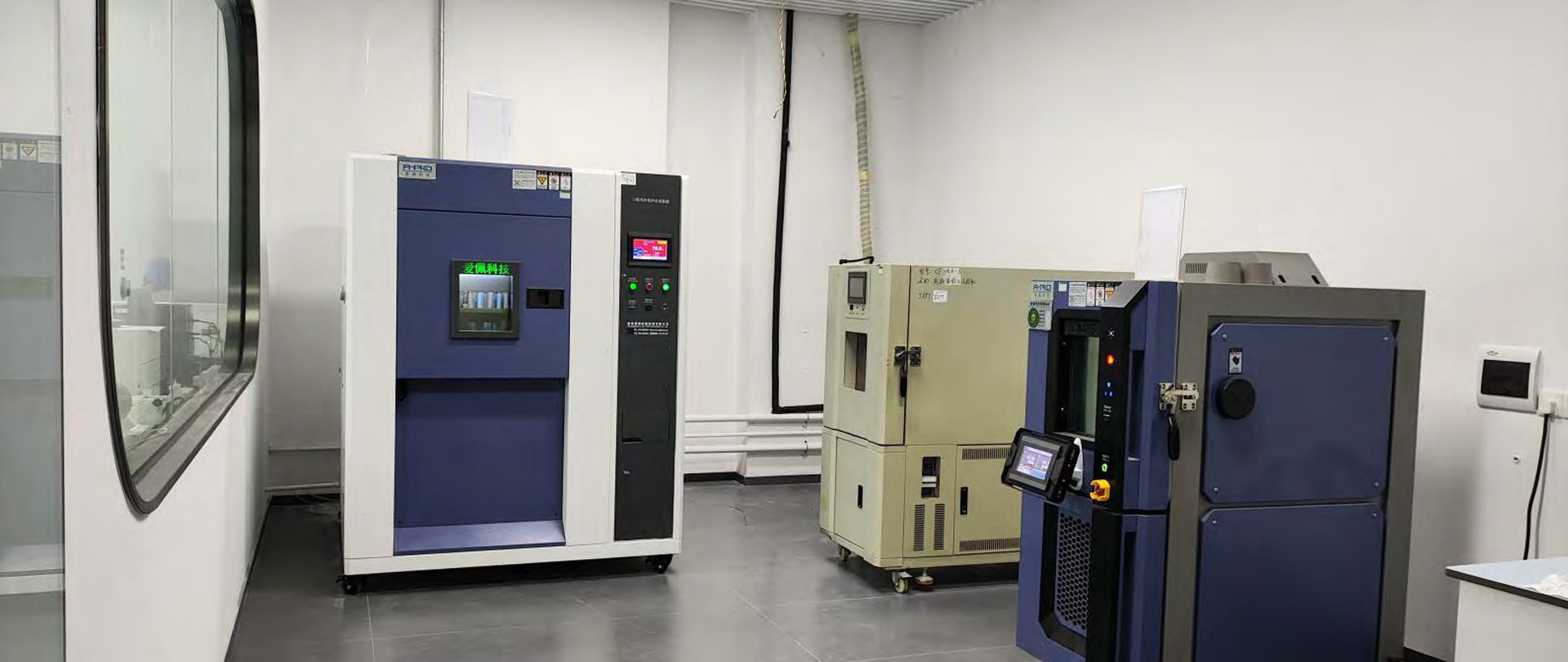
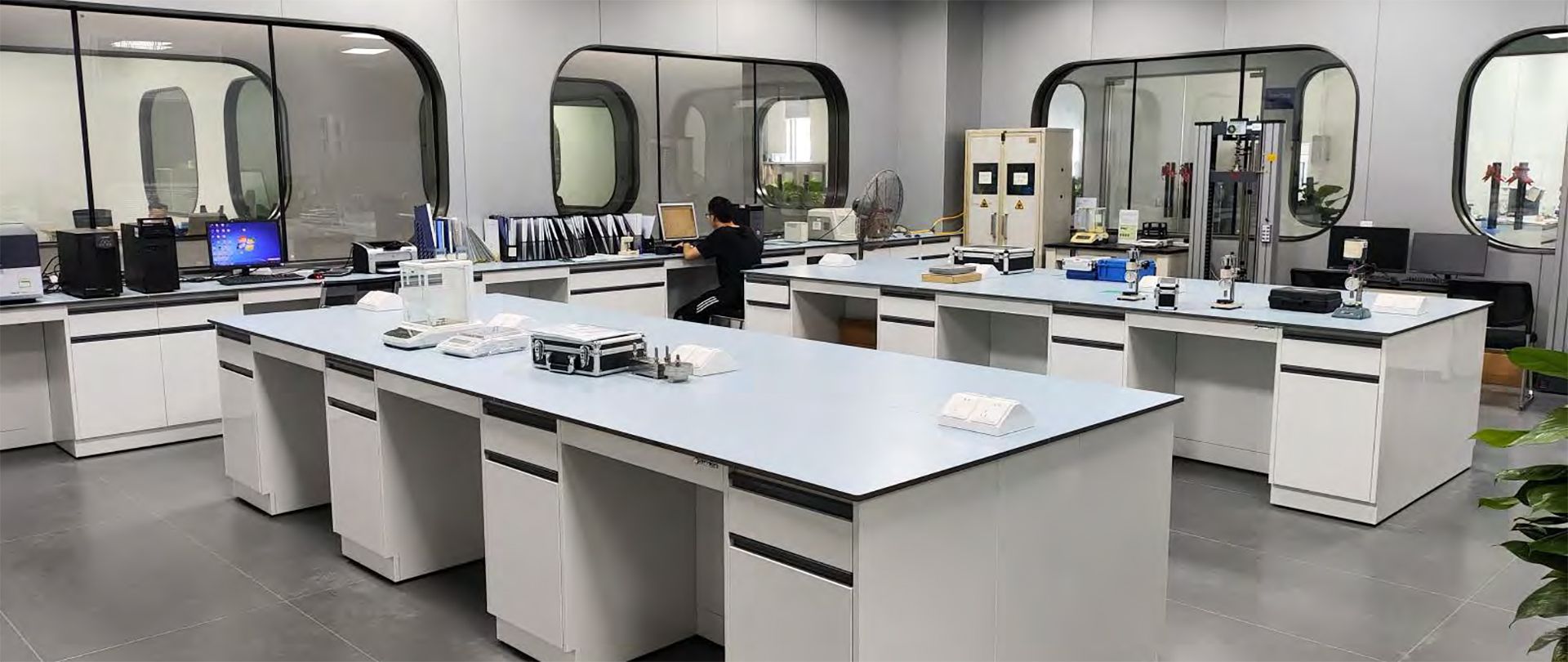
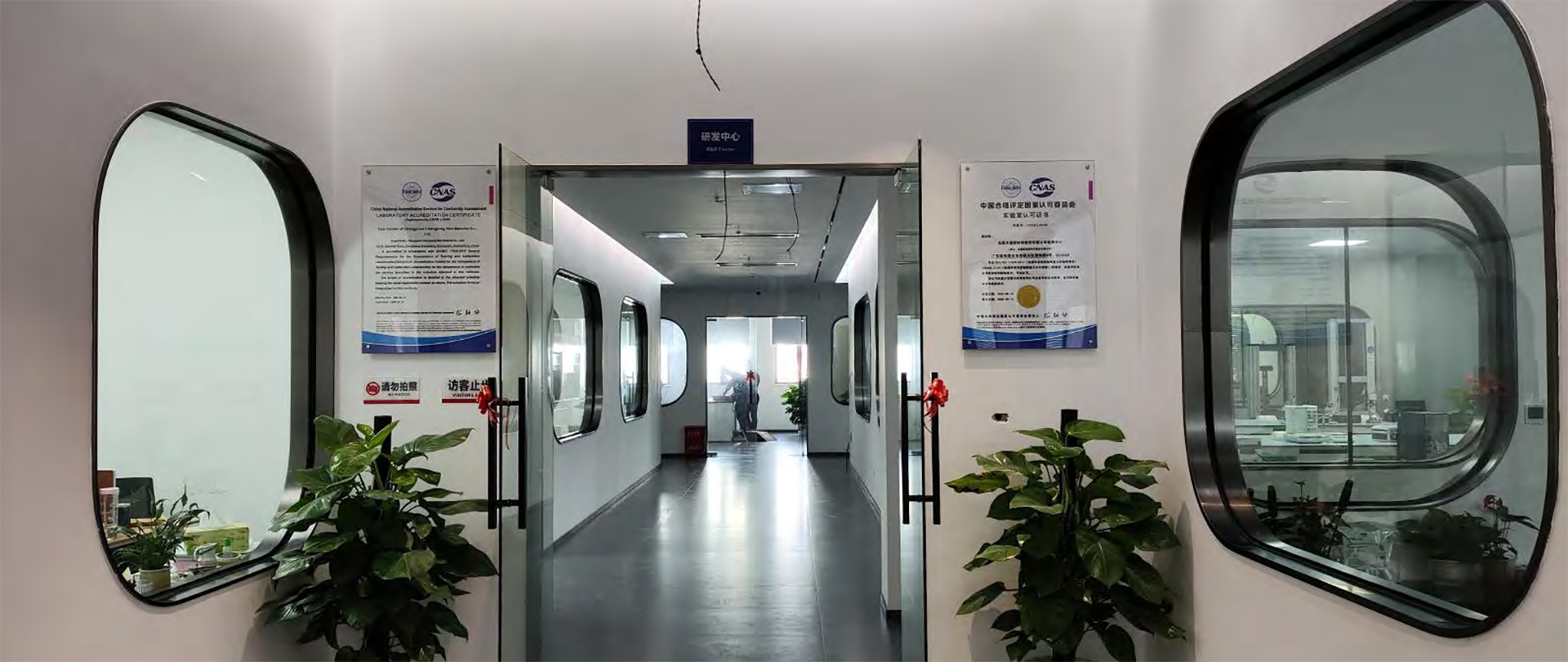
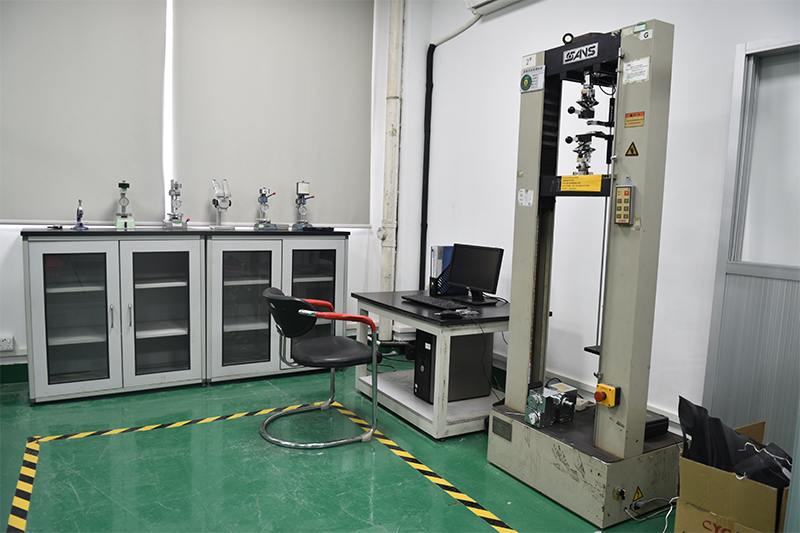
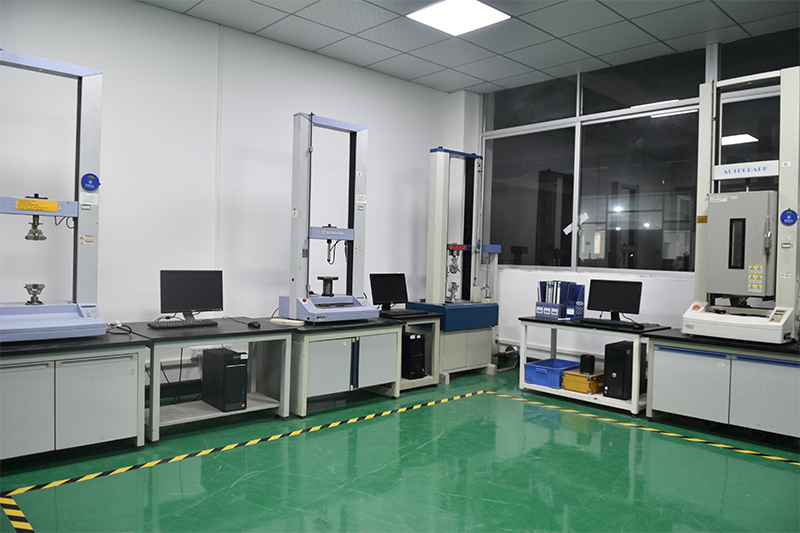
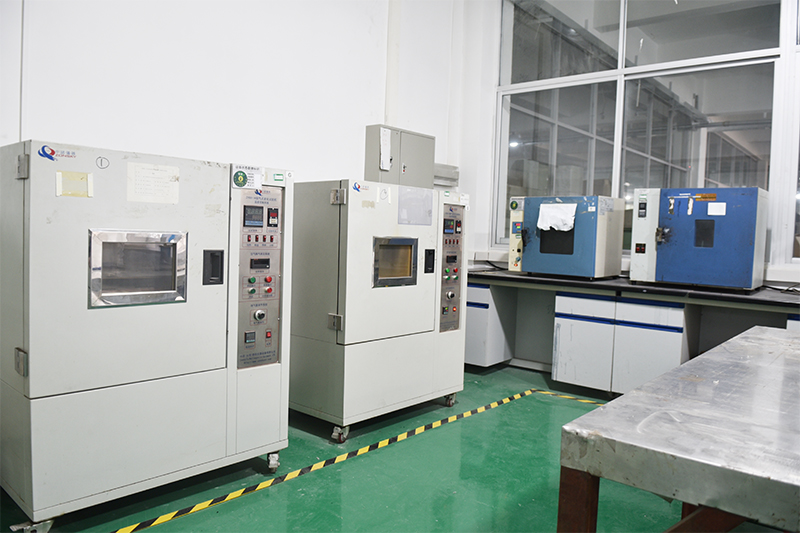
CYCT has established testing and R&D facilities, a professional R&D team, and a national CNAS-accredited laboratory. By collaborating with leading research institutes such as the CNPC Pipeline Science Research Institute, CYCT is capable of providing in-service pipelines with technical services including buried pipeline detection, design schemes, cathodic protection, rehabilitation projects, and integrated solutions for pipeline safety.
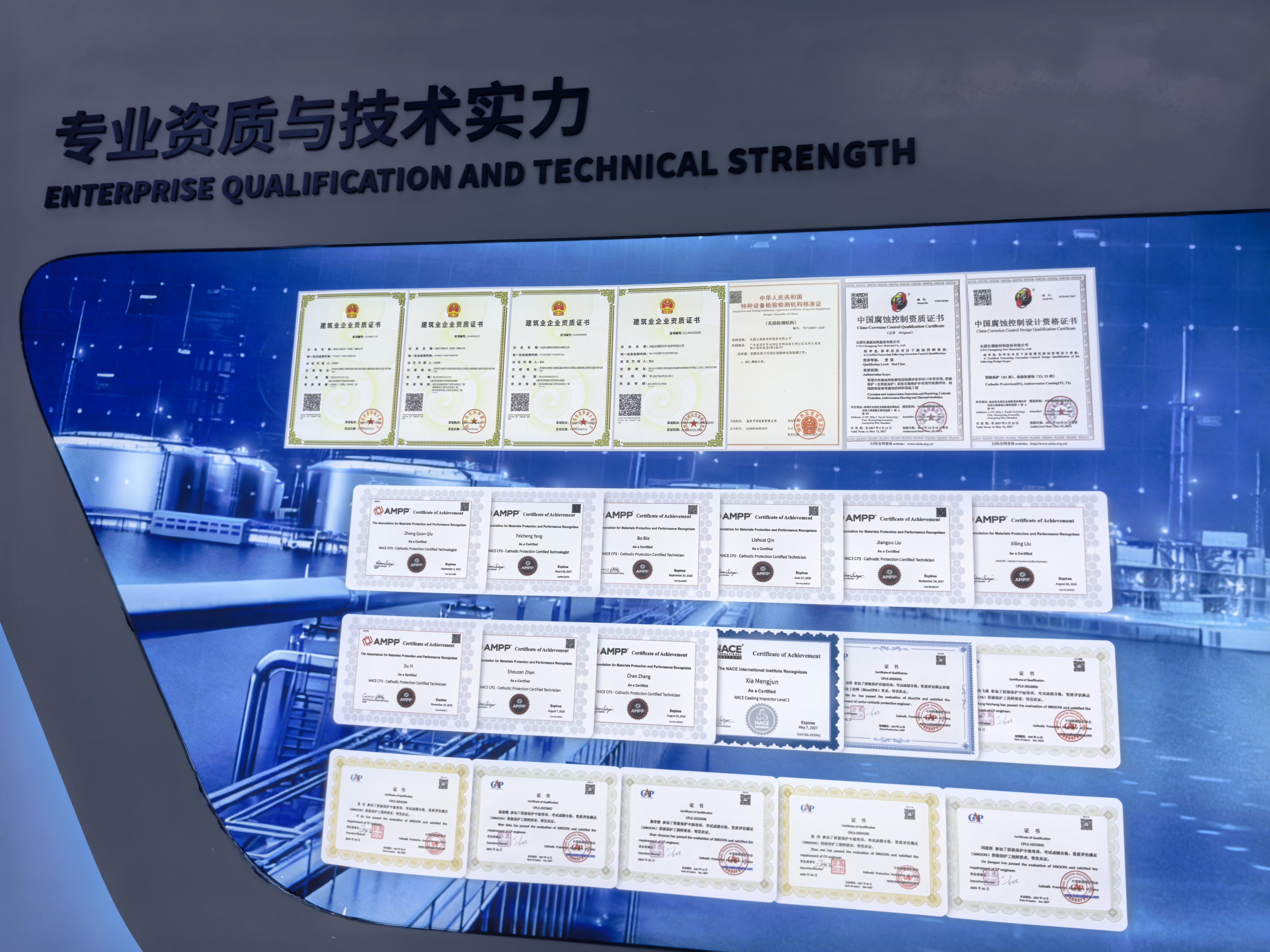
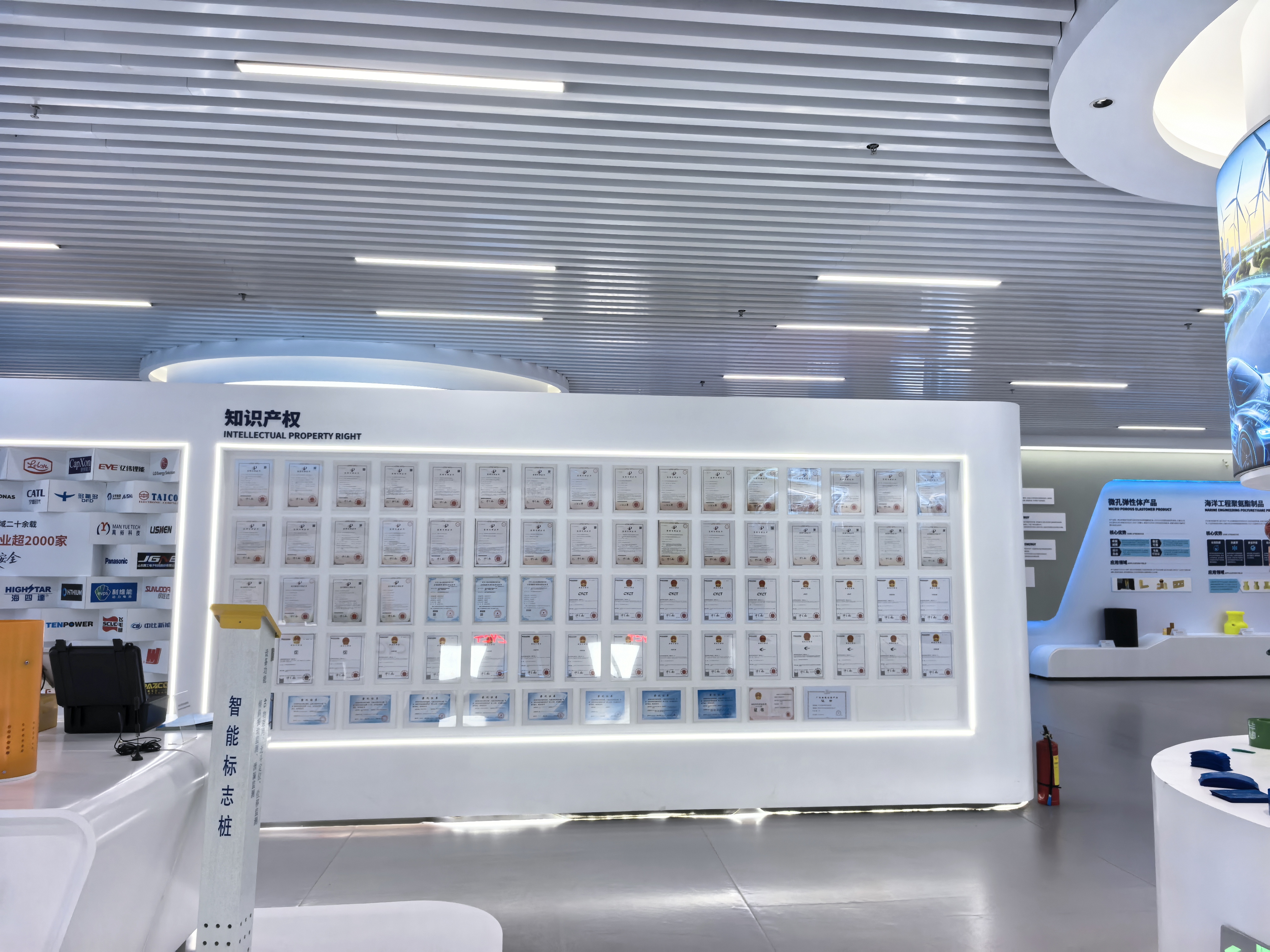
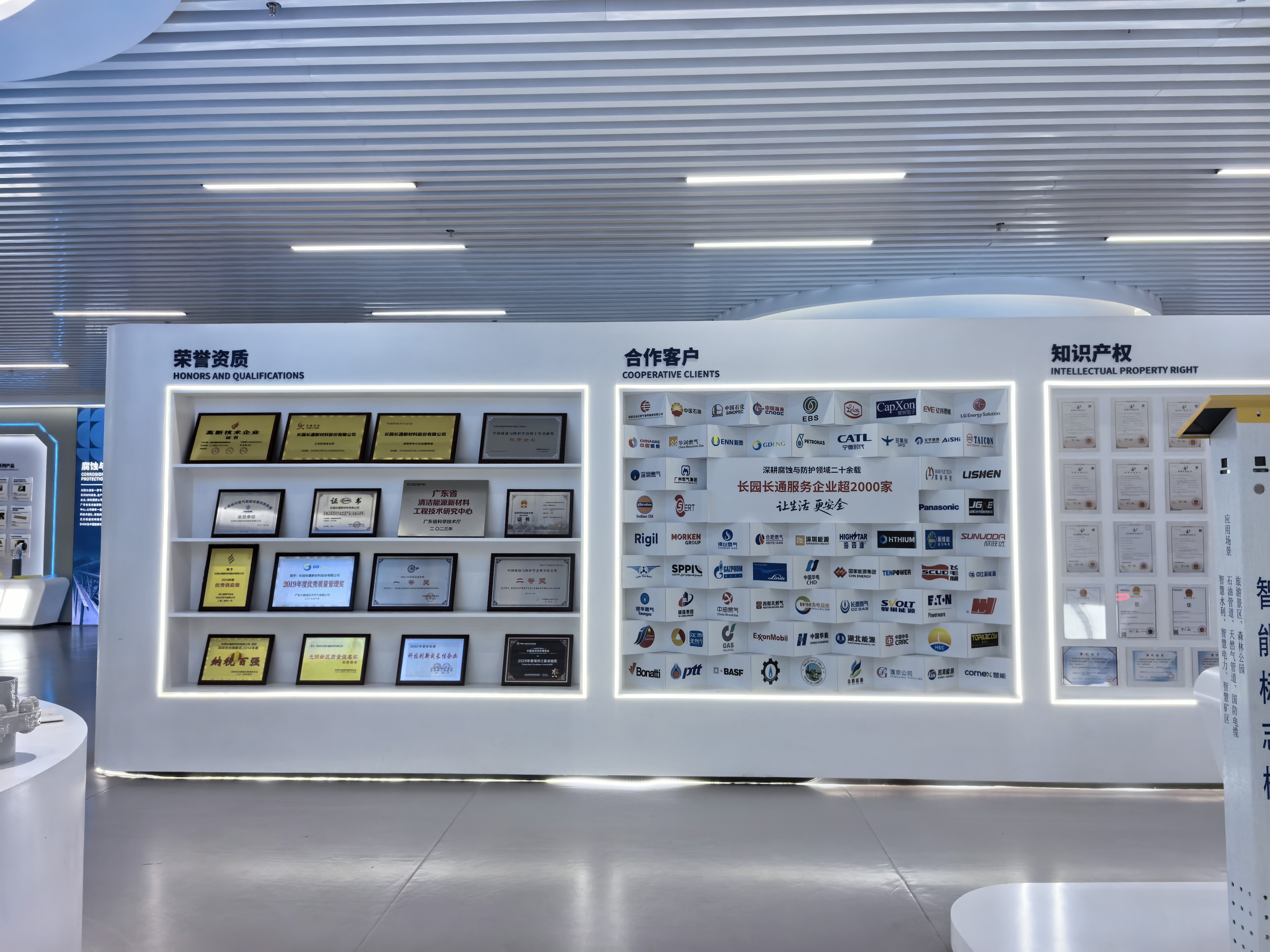
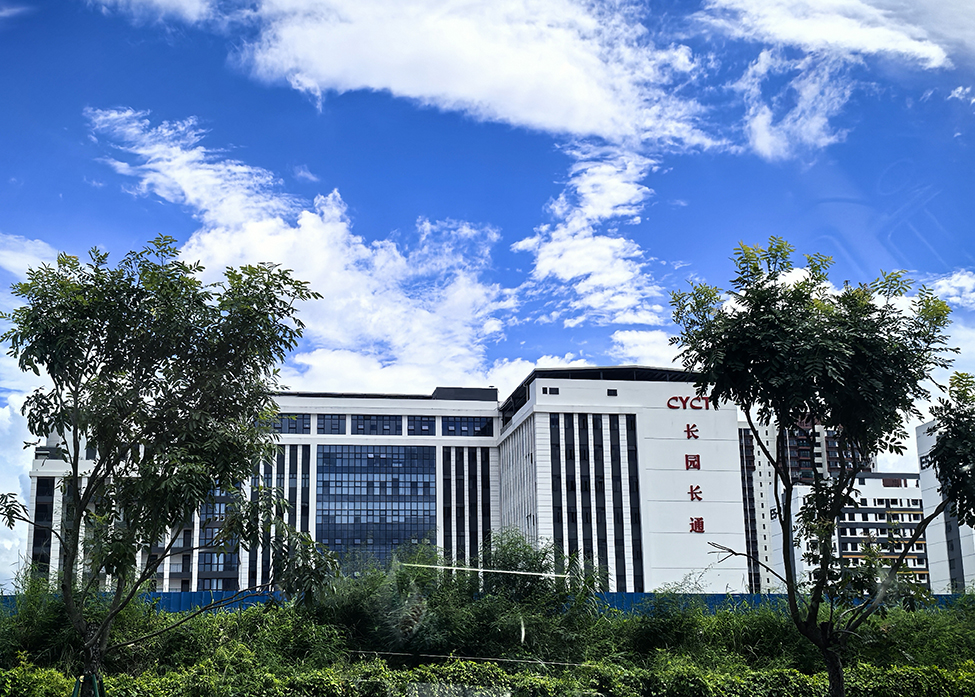
CYCT is an approved supplier of field joint coatings for PetroChina, Sinopec, PipeChina, and local pipeline operators. Over the years, the company has introduced a range of specialty corrosion protection materials, such as viscoelastic anticorrosion materials, photo-curing sleeves for HDD protection, and polyurea coatings.
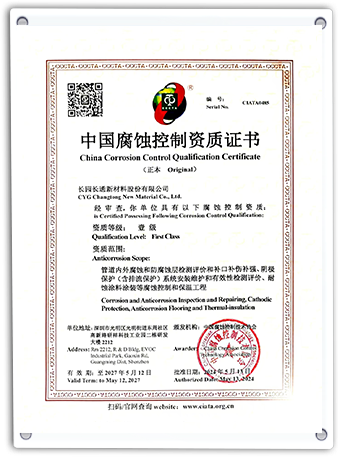
CYCT is a Council Member of the Chinese Society for Corrosion and Protection (CSCP) and holds qualifications in corrosion protection construction and pipeline detection. Recognized as an established brand in China's pipeline protection industry, CYCT is also a corporate member of the China Association of Petroleum Engineering Construction (CAPEC) and an active member of the Association for Materials Protection and Performance (AMPP, formerly NACE). CYCT is an approved supplier for major energy companies, including PetroChina, Sinopec, China Gas Group, and Indian Oil.
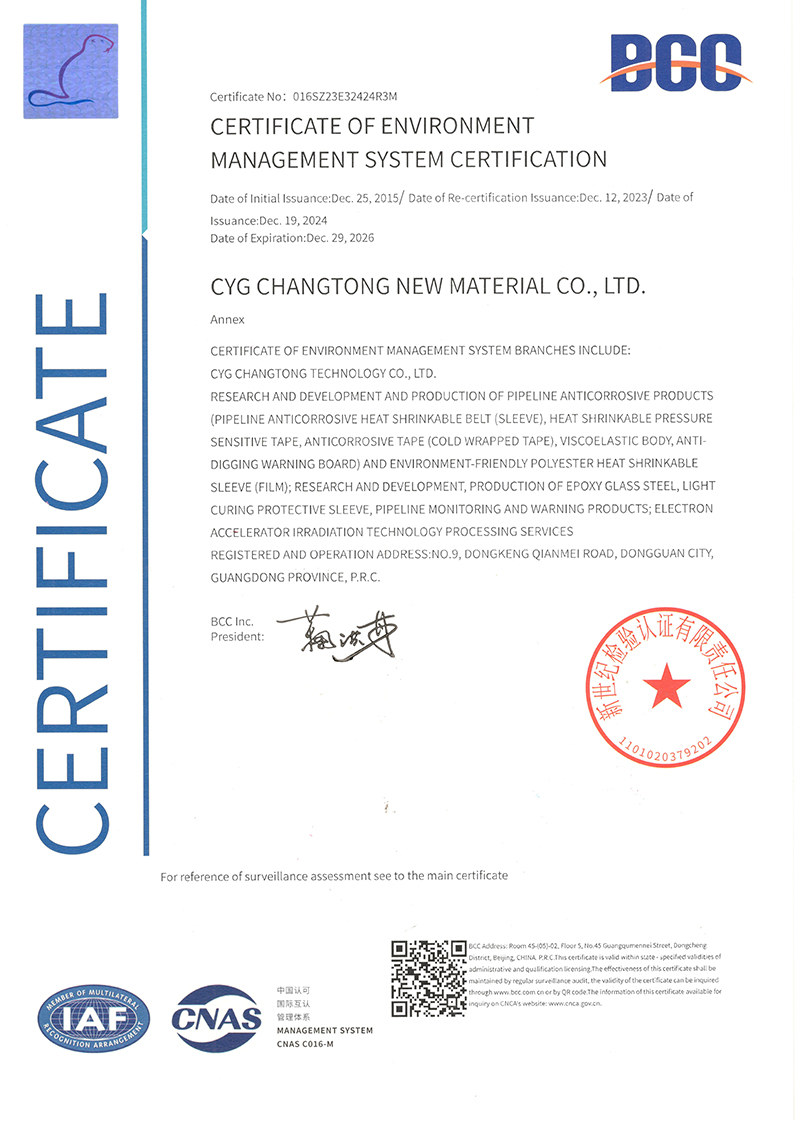
Company Certificate
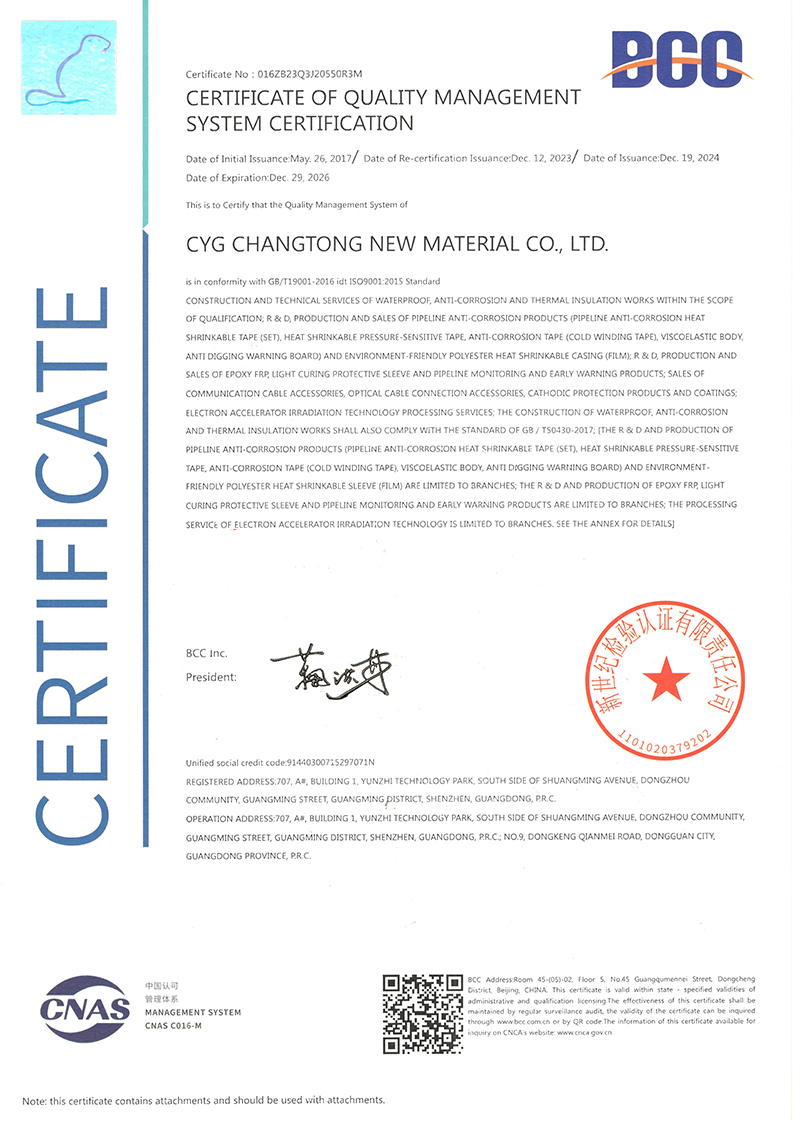
Company Certificate
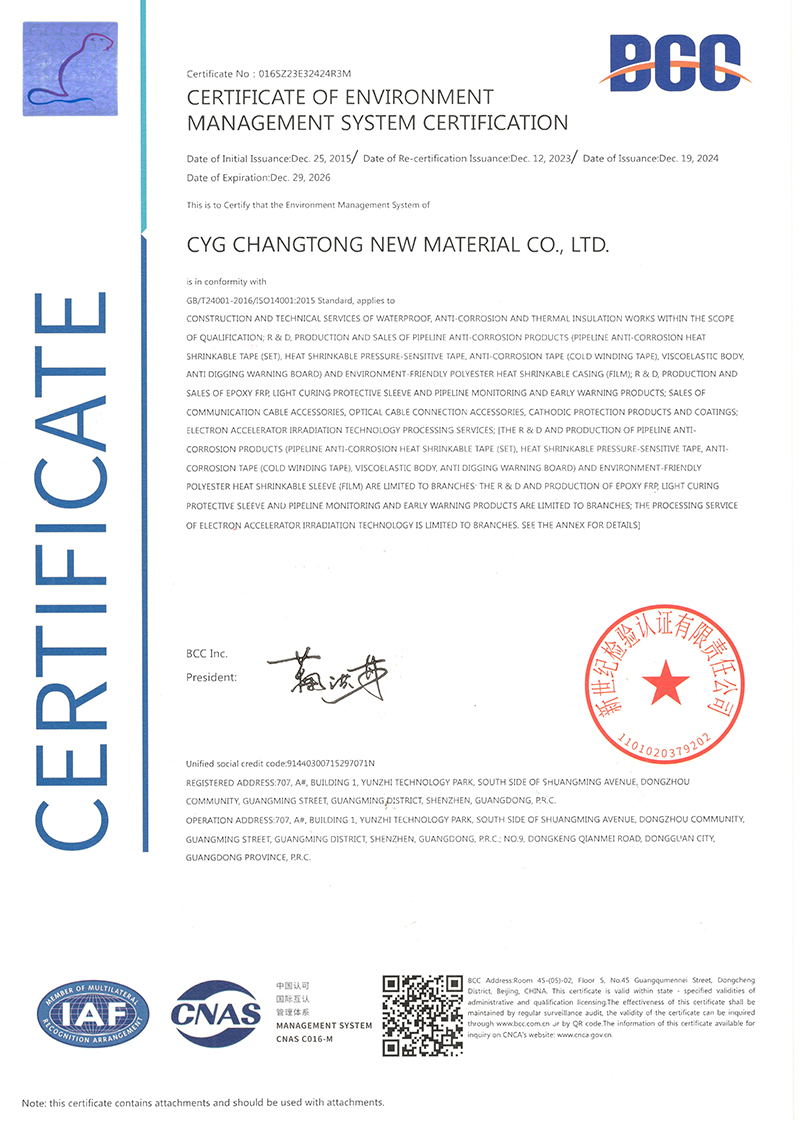
Company Certificate
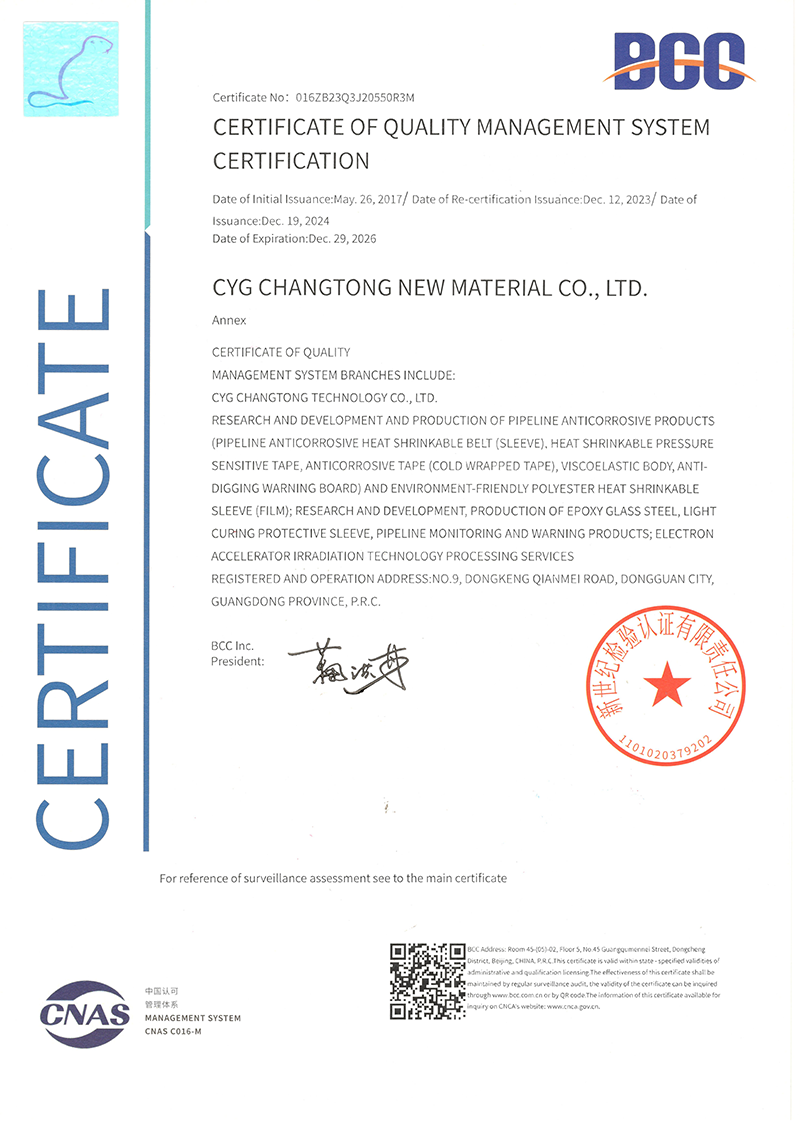
Company Certificate
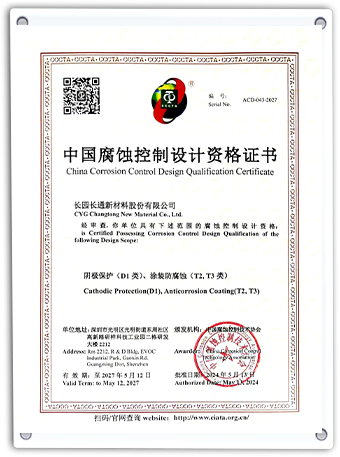
Company Certificate
Company Certificate
Company Certificate
Company Certificate
Company Certificate
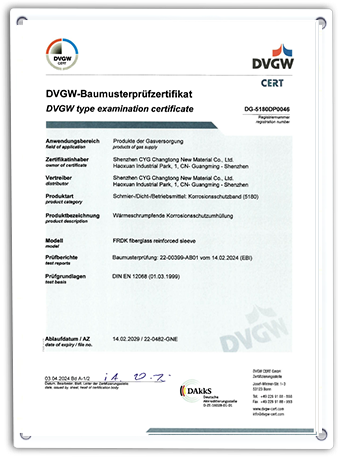
Company Certificate
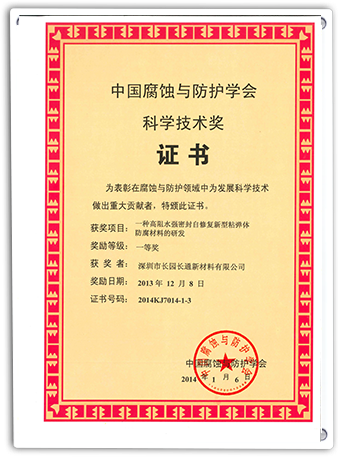
Company Certificate
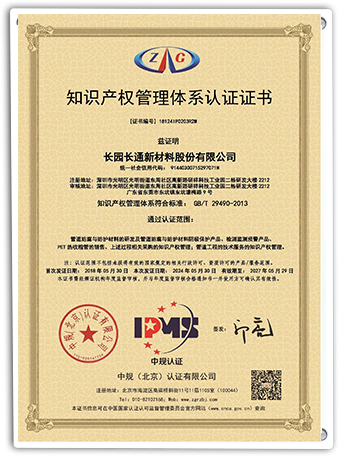
Company Certificate
Honored Council Member of CSCP | Qualification Certificate of Corrosion Protection Construction & Pipeline Detection | AMPP Corporate Member.
Find technical answers regarding the application, properties, and performance limits of viscoelastic pipeline sealants.
Browse our full range of pipeline cold tapes, repair patches, hot melt adhesives, and heavy-duty protective outer wraps.
 CYCT
CYCT