Premium OEM and factory-engineered products certified to international pipeline durability standards.
A comprehensive research whitepaper on corrosion mitigation, global procurement landscapes, and high-performance polyolefin architectures.
Modern global logistics and energy transmission channels depend heavily on buried or submerged pipelines. Transnational pipelines routing crude oil, natural gas, chemical raw materials, and municipal water require insulation barriers that can withstand extreme environmental challenges. Historically, simple coal tar or basic polymer wraps were standard; however, soil load stresses, fluctuating underground temperatures, microbiological degradation, and cathodic disbondment severely reduced their service life.
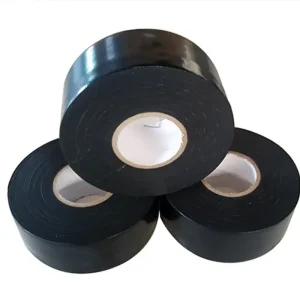
Today, the global pipeline industry demands advanced multi-layer systems. The modern standard centers on cold-applied polymeric tapes, viscoelastic coatings, and heat-shrinkable sleeves. Among these, polyolefin-based (Polyethylene/PE and Polypropylene/PP) tape wrapping systems dominate because of their outstanding mechanical toughness, excellent dielectric strength, and minimal moisture permeability. Finding a verified OEM tape wrapping factory capable of customizing thicknesses, adhesive backing properties, and roll dimensions is key for engineering procurement contractors (EPCs) looking to guarantee a 30-to-50-year pipeline design life.
According to the Association for Materials Protection and Performance (AMPP), pipeline corrosion costs global industries billions of dollars annually. Modern multi-layer protection systems, when applied with high-quality factory coatings and robust field joint tapes, reduce catastrophic failure rates by up to 94%.
Material science is driving three major trends in the tape wrapping market:
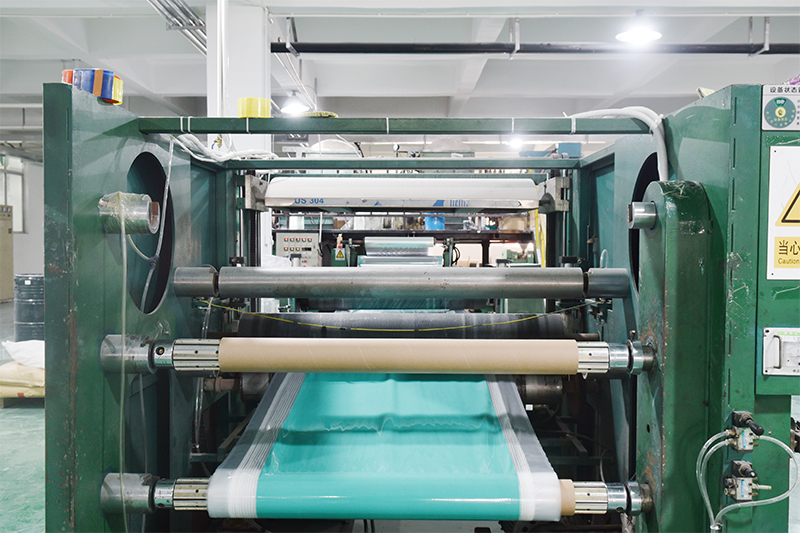
The global energy infrastructure market demands supply chain resilience. Large pipeline projects require massive volumes of corrosion protection materials delivered on tight schedules, with zero tolerance for batch-to-batch variance. This is where China’s Factory 4.0 infrastructure excels, combining advanced raw polymer compounding, high-speed co-extrusion technology, and automated adhesive coating lines with strict quality assurance programs.
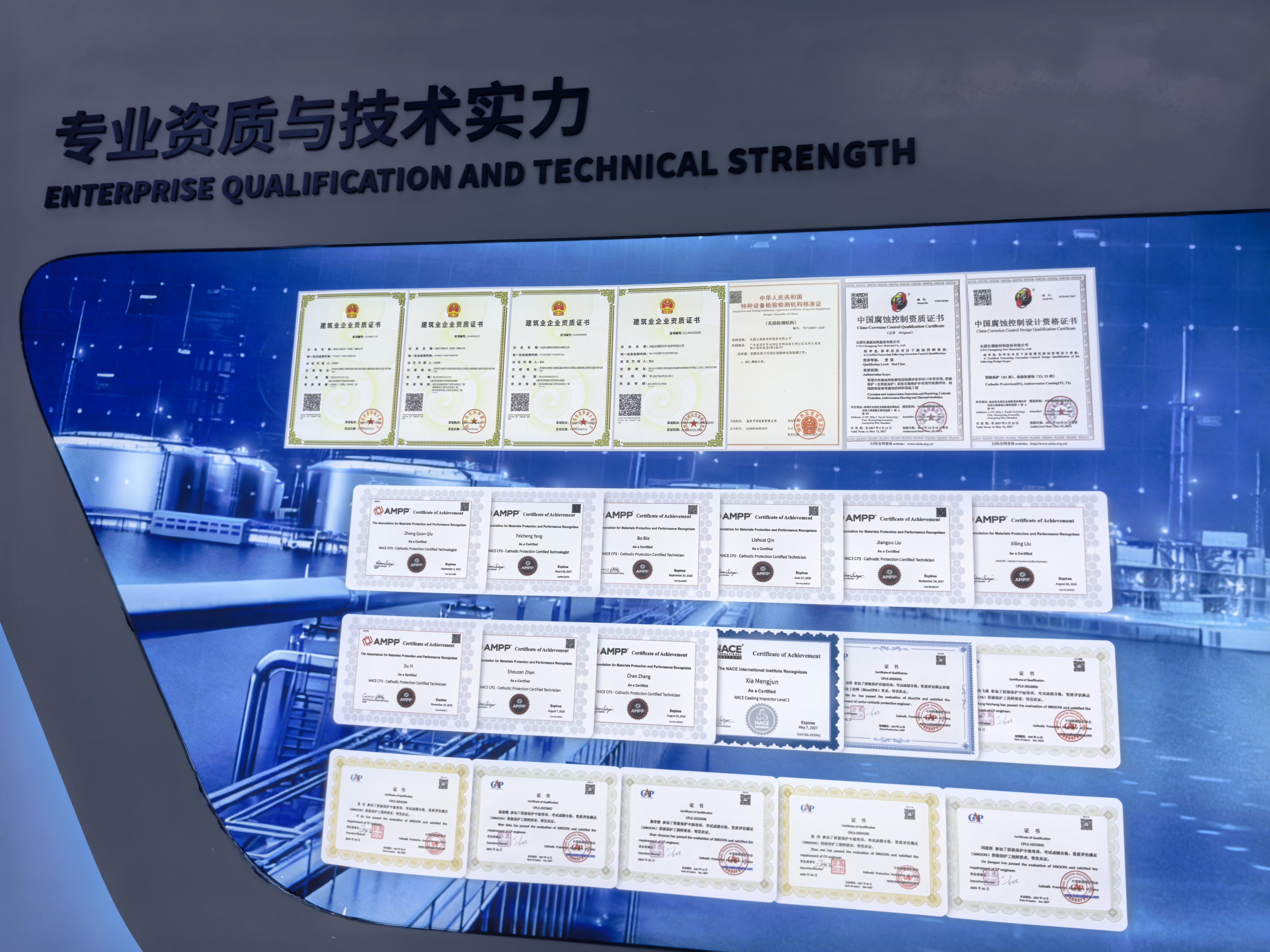
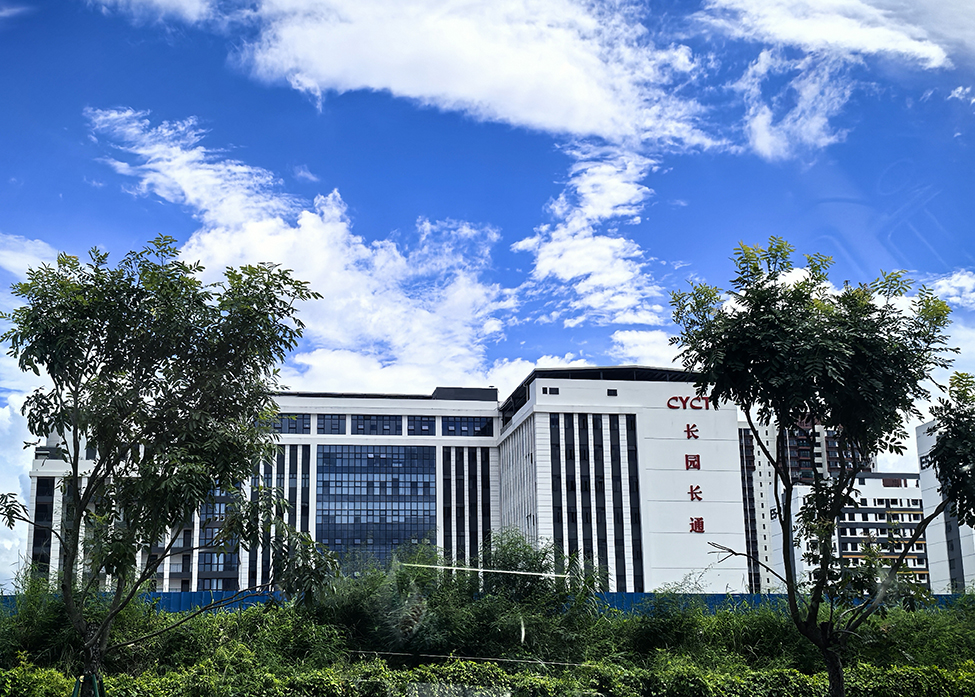
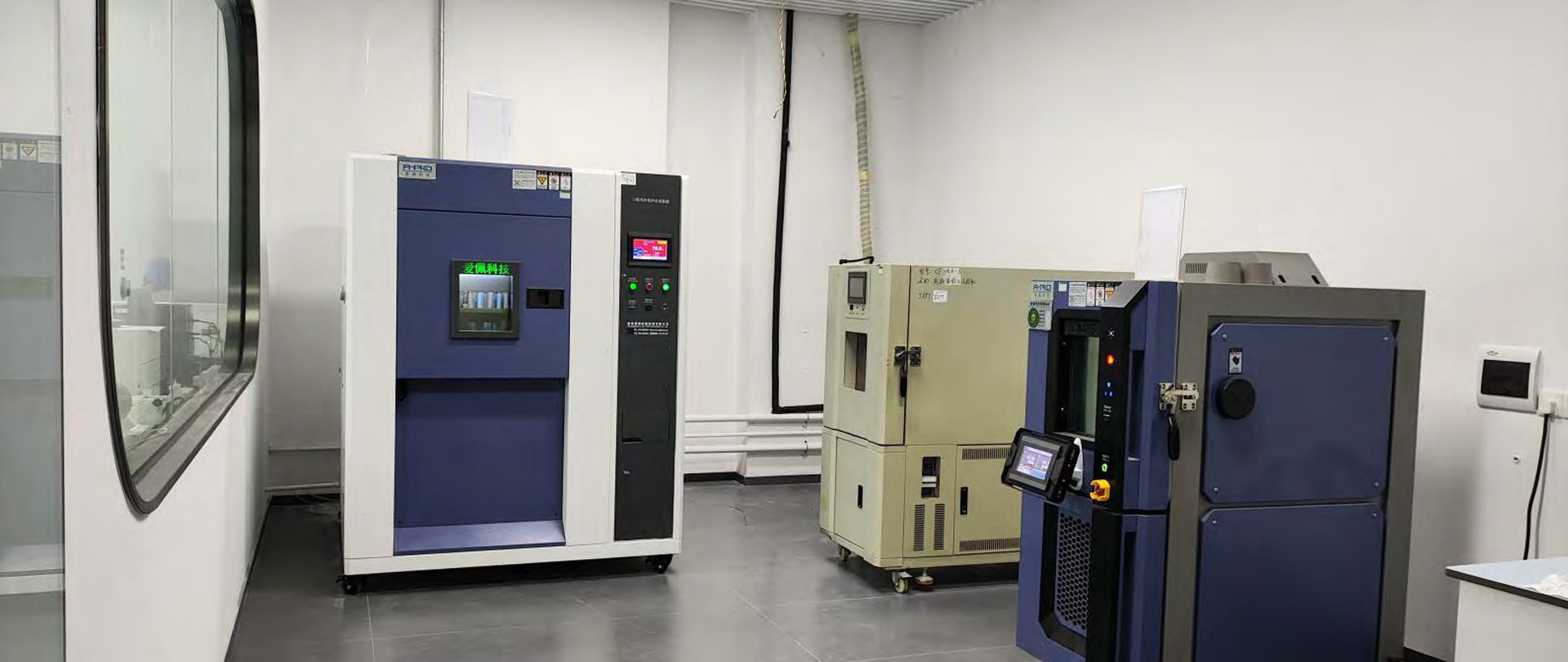
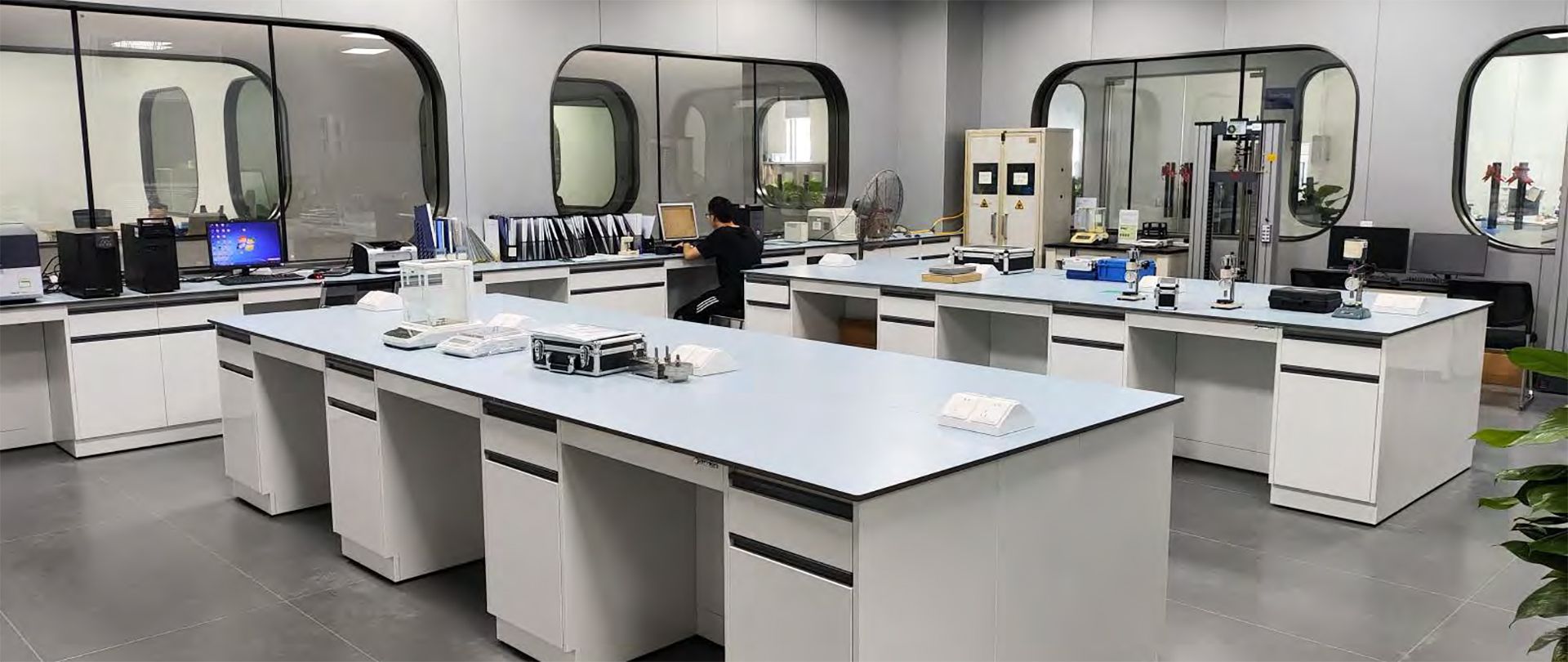
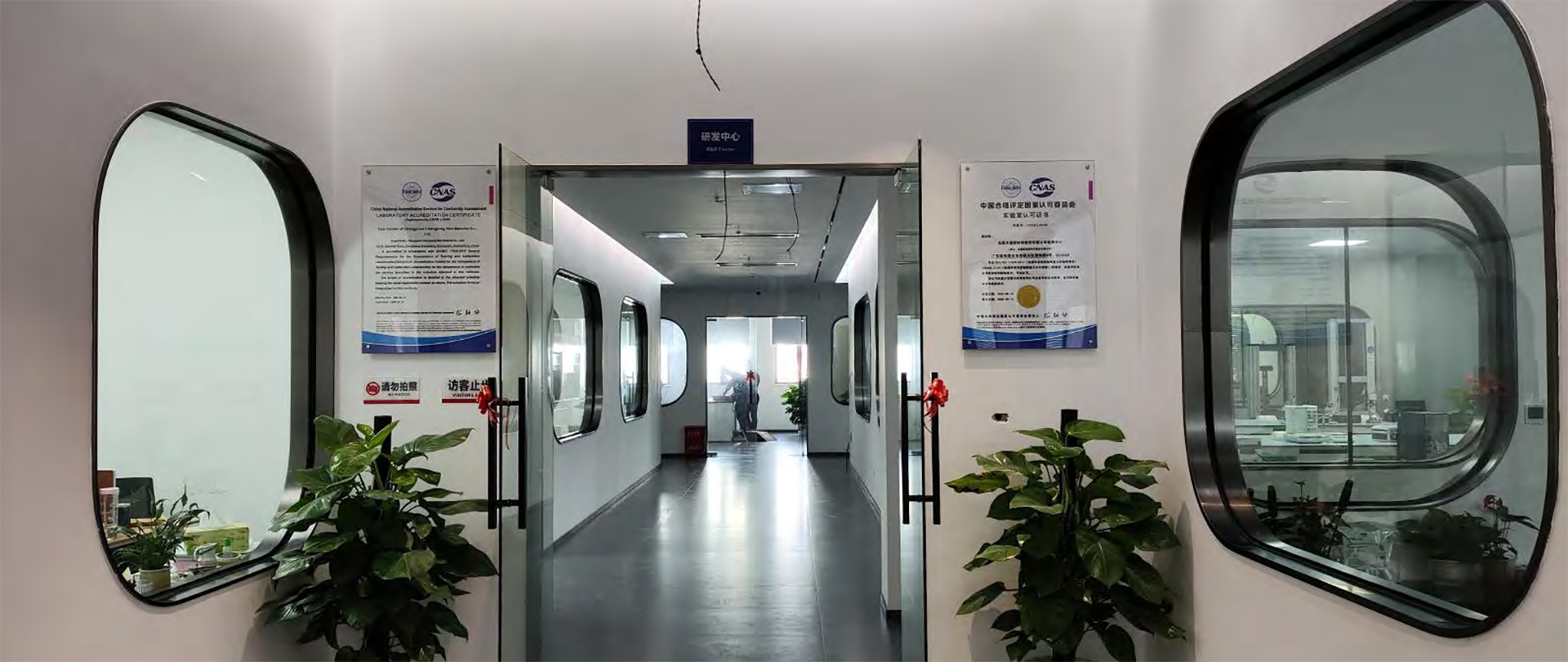
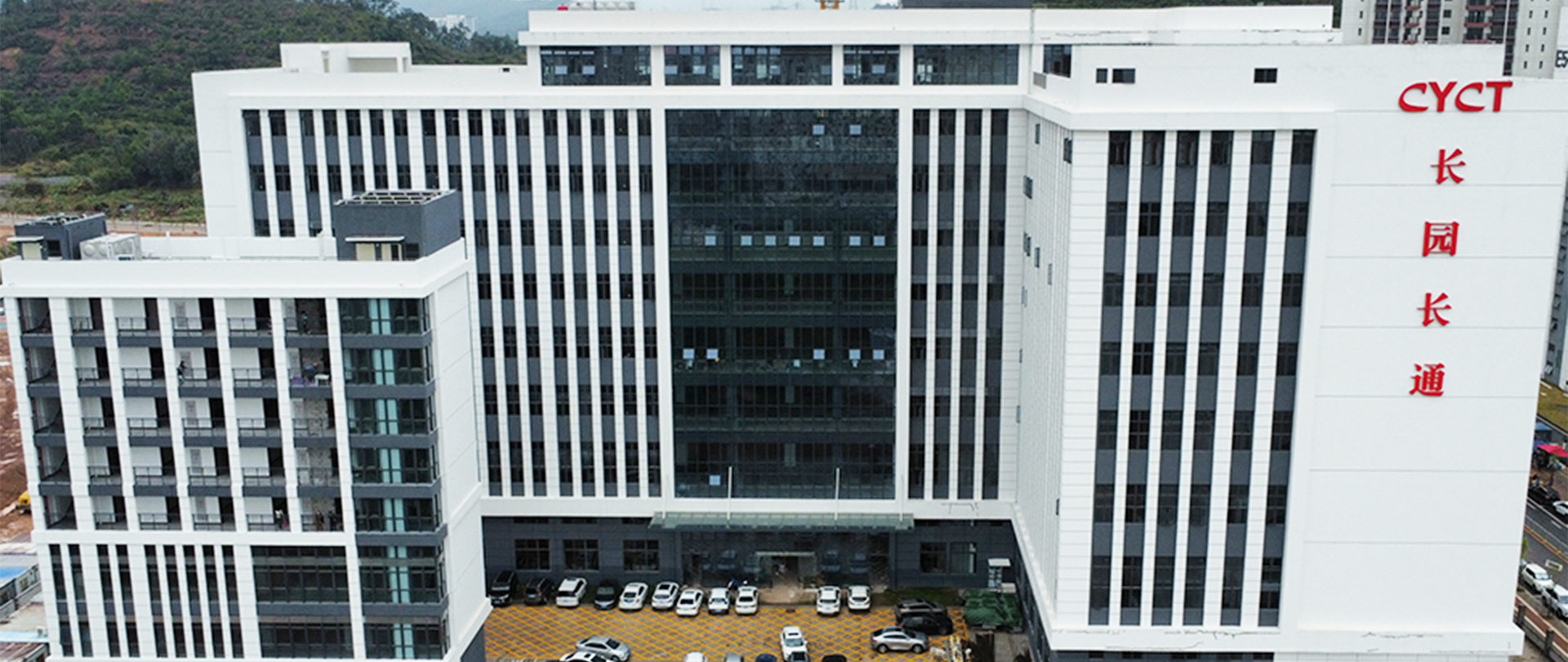
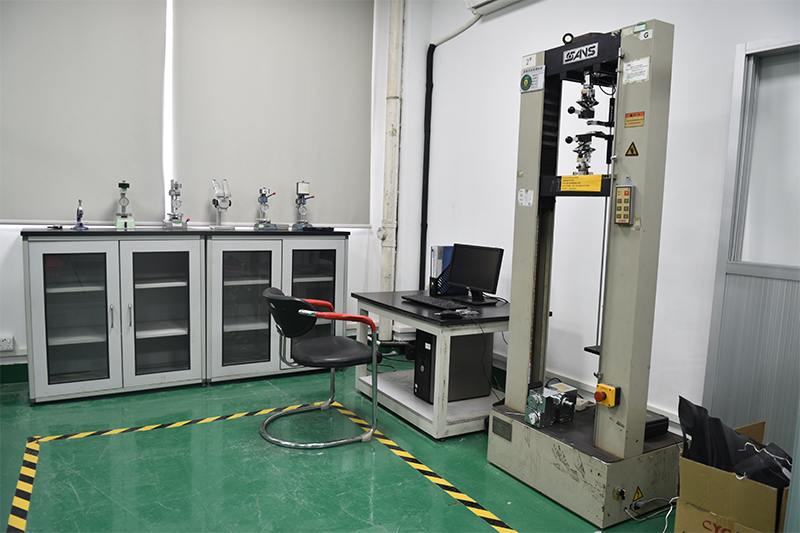
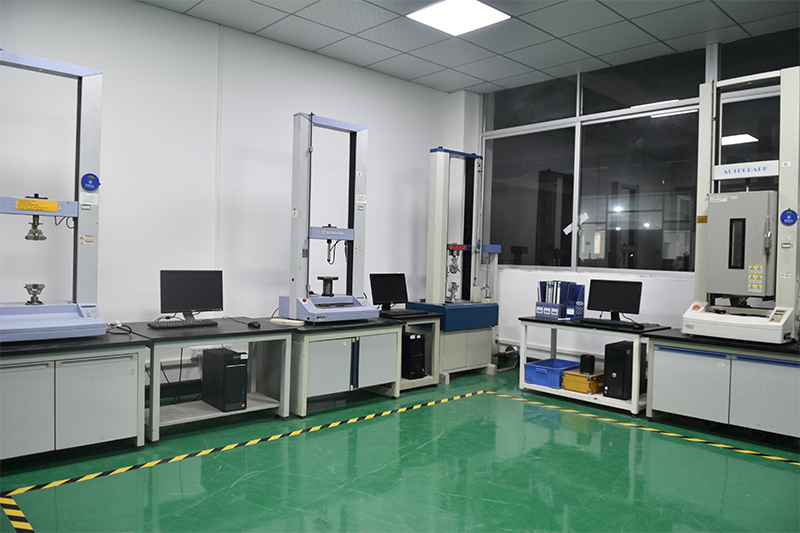
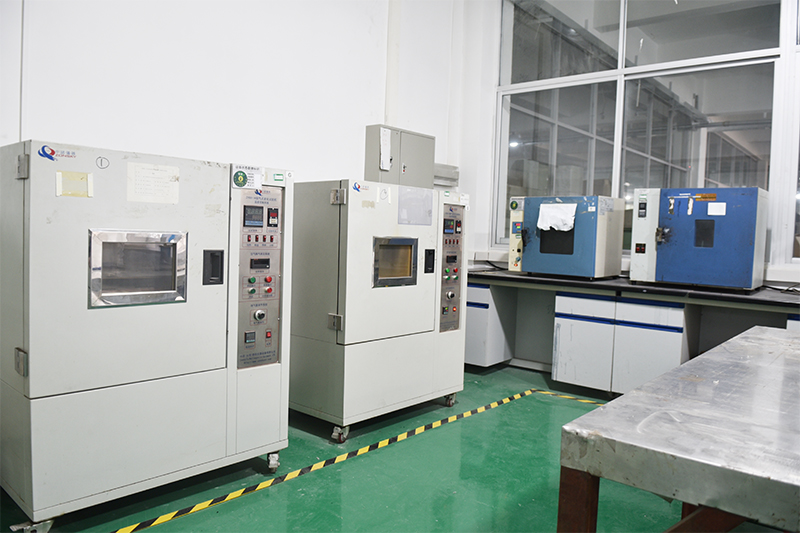
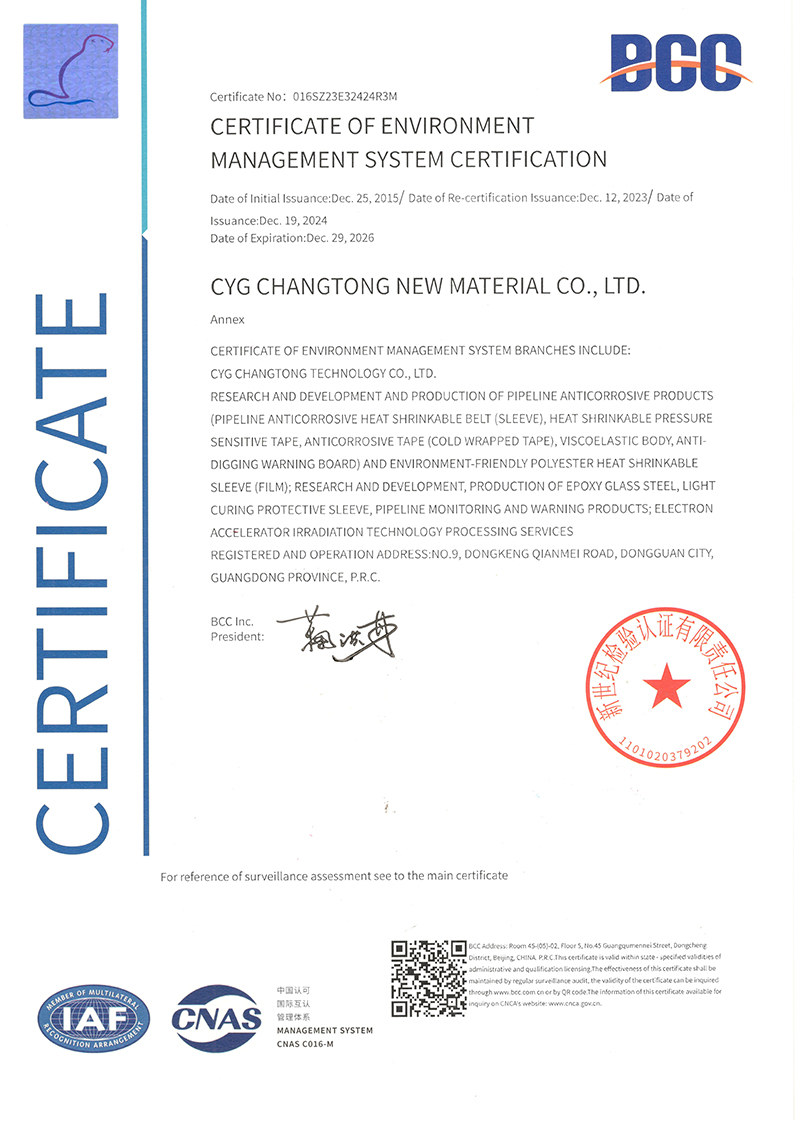
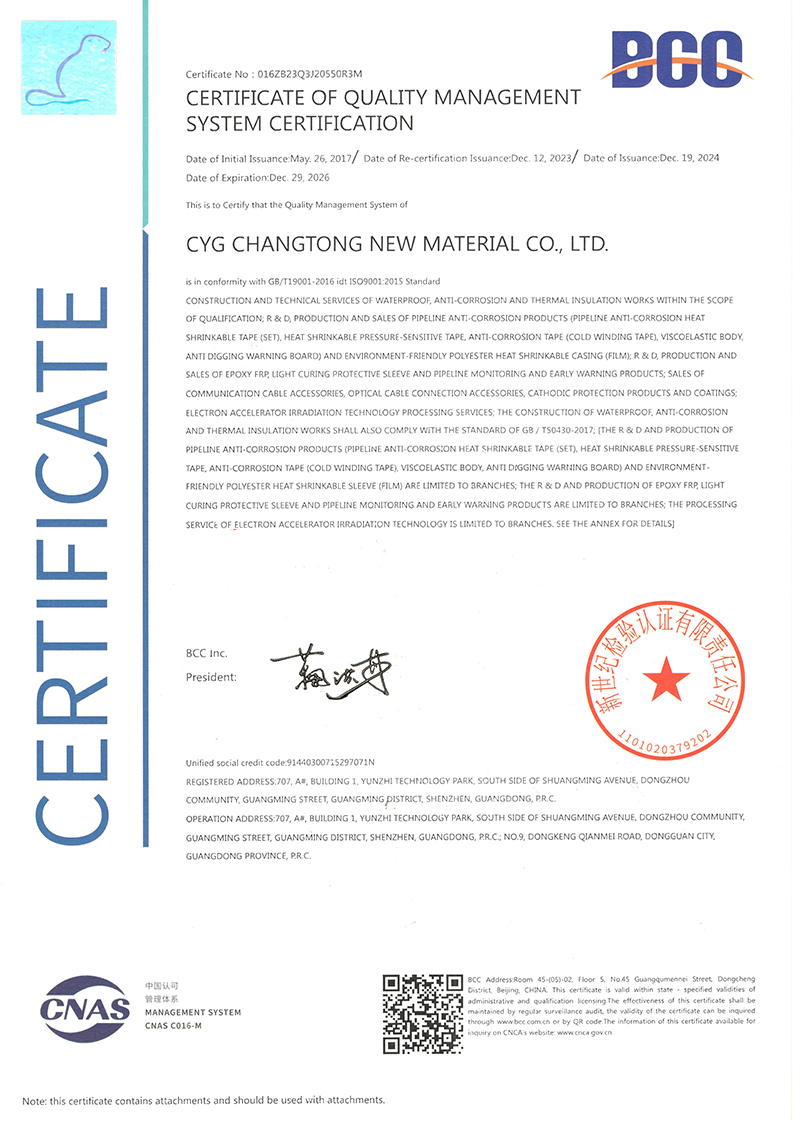
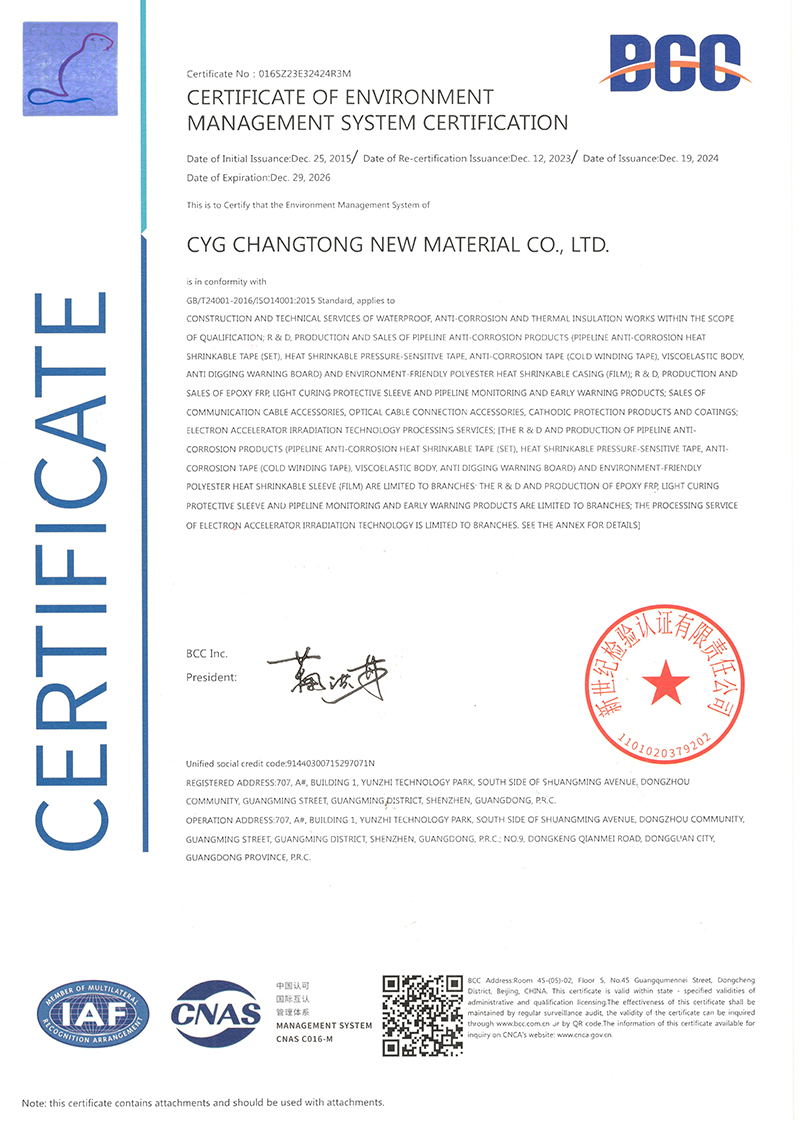
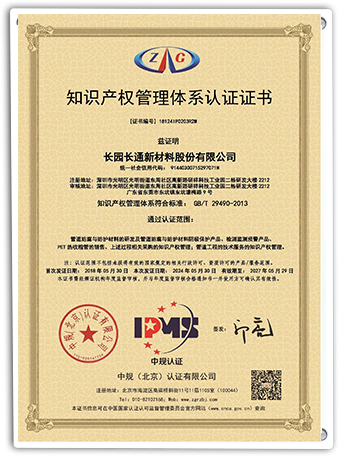
At state-level high-tech manufacturing facilities like CYCT New Materials, production is backed by national CNAS-accredited laboratories. Testing includes checking peel strength to steel, heat aging resistance, cathodic disbondment resistance under high temperatures, and tensile properties after exposure to chemical solutions. Utilizing intelligent SCADA systems on production lines ensures that parameters like adhesive thickness, backing density, and tension are monitored and logged in real time. This level of traceability is essential for meeting international standards like ISO 21809-3, EN 12068, and NACE SP0169.
When purchasing engineers source tape wrapping systems and heat-shrinkable materials, they evaluate specific technical criteria to minimize site-application risks:
CYCT New Materials: Pioneering innovative solutions in corrosion prevention and pipeline protection since 2000.
CYCT New Materials Company Limited (for short, CYCT) is a state-level high-tech enterprise integrating R&D, production, and sales of pipeline corrosion protection materials as well as buried pipeline detection services and pipeline coating field application services into one.
CYCT has dedicated itself to the R&D, production, and sales of pipeline corrosion protection materials for decades. The company is a stable supplier of field joint coatings for years to major energy enterprises including PetroChina, Sinopec, PipeChina, and local networks, securing a significant market share. Furthermore, CYCT has successfully developed and introduced a number of specialty corrosion protection materials such as viscoelastic anticorrosion materials, special photo-curing sleeves for HDD protection, and polyurea coatings.
Through close cooperation with leading research institutes like the CNPC Pipeline Science Research Institute, CYCT provides in-service pipelines with varied technical services including buried pipeline detection, design schemes, cathodic protection, rehabilitation projects, and integrated solutions for pipeline safety protection.

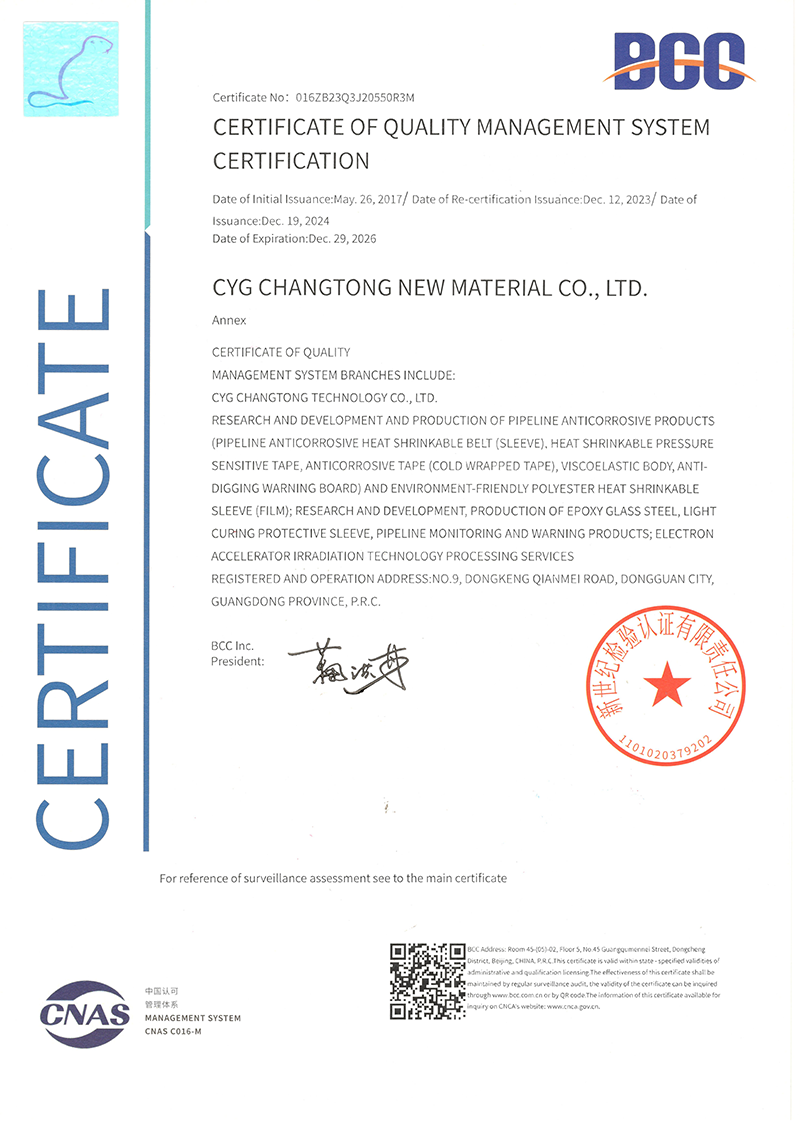
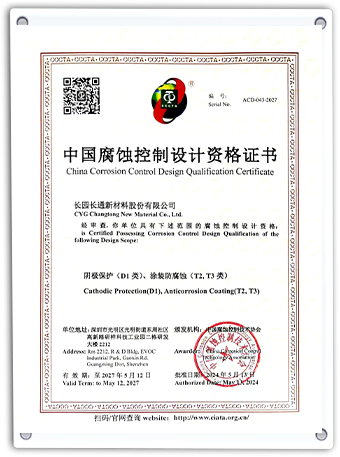
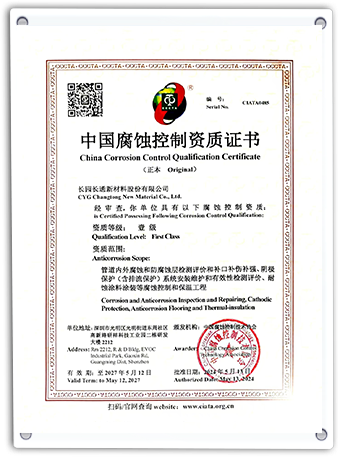
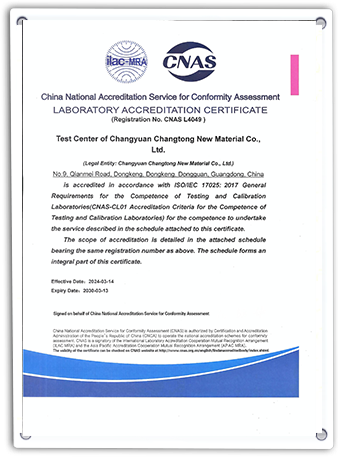
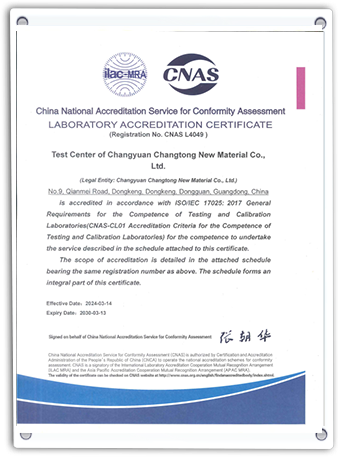
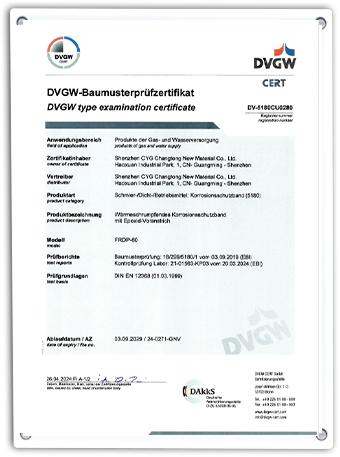
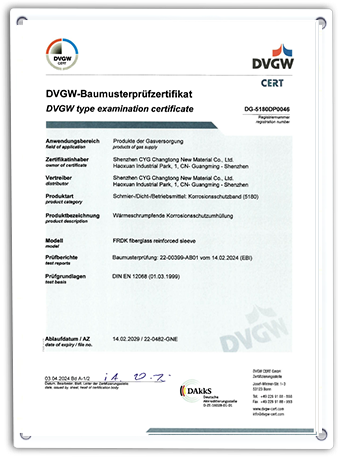
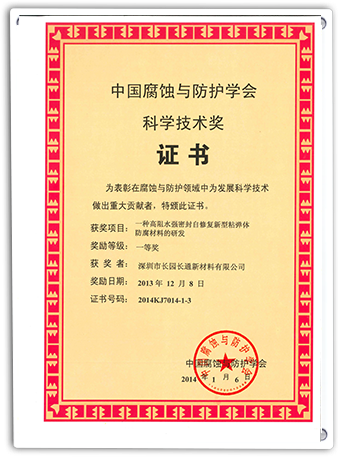
Adapting tape wrapping technologies to distinct environmental zones, geological terrains, and structural geometries.
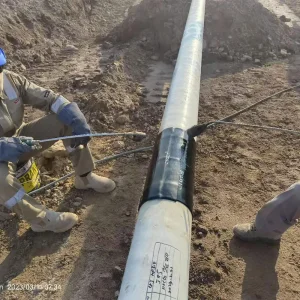
Onshore pipelines cross varied terrains, from dry deserts to damp wetlands. In these settings, pipeline coatings face risks from soil movement (soil stress), rock impacts during backfilling, and moisture ingress. Polyethylene-based cold-applied tapes are widely used here because they remain flexible under changing outdoor temperatures. Using a two-tape system—a butyl rubber-based primer/inner tape for corrosion protection and a tough polypropylene outer tape for mechanical defense—creates a reliable barrier against cathodic disbondment and chemical degradation.
Installing pipelines under rivers, highways, or existing infrastructure via Horizontal Directional Drilling (HDD) subjects coatings to high friction and shear forces from surrounding rock and soil. Traditional polymeric wraps can peel off during pull-back. To address this, designers specify High-Strength Fiberglass solutions like Epoxy FRP or specialized moisture-curing shields. These materials cure into rock-hard outer layers that protect the underlying corrosion-prevention coatings during installation.
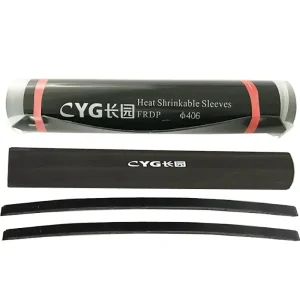
Subsea pipelines operate under high hydrostatic pressures and are exposed to saltwater. Under these conditions, any holiday (coating defect) can lead to rapid corrosion. Heavy-duty PP heat shrink sleeves and moisture-curing polyurethane coatings are ideal for these environments. Their high density prevents water molecules from migrating to the steel surface, maintaining insulation performance even at the high operating temperatures of deepwater extraction lines.
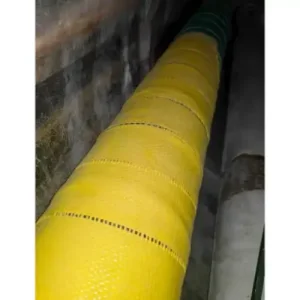
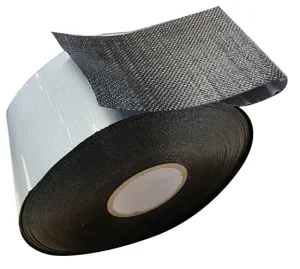
For aging municipal water and energy networks, excavation and complete pipe replacement is often cost-prohibitive. Rehabilitation teams instead excavate localized sections and apply repairs. Viscoelastic wrap-around tapes and high-temperature hot melt PE repair patches are ideal for this. They require minimal surface preparation, conform easily to irregular shapes like tees, valves, and elbows, and can be applied without shutting down the pipeline.
Clear, direct answers to common engineering, procurement, and installation questions regarding pipeline corrosion protection.
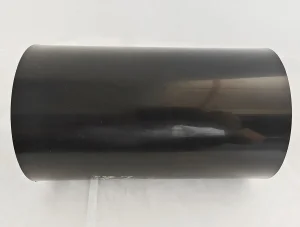
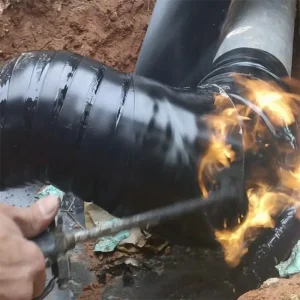
Complete pipeline protection, including field joint sleeves, repair patches, and specialized heavy-duty wraps.
 CYCT
CYCT