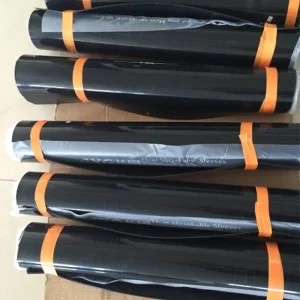
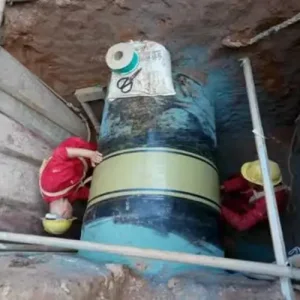
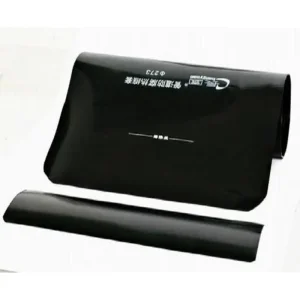
In the demanding world of pipeline infrastructure, selecting the optimal corrosion mitigation material is paramount. High-performance field joints represent the most critical interface in buried transmission lines. Polyolefin and polypropylene structures, tailored under OEM engineering processes, provide the physical, thermal, and chemical barrier properties necessary to survive harsh underground environments. The chemistry relies on cross-linked high-density polyethylene (HDPE) or polypropylene (PP) backings integrated with advanced copolymer or visco-elastic adhesives.
Radiation cross-linking of the polyolefin backing alters the molecular chain structure from a linear configuration to a robust three-dimensional matrix. This shape-memory modification enables the tubing or sleeve to shrink uniformly upon thermal activation, exerting continuous hoop stress on the pipeline joint. The polymer backing functions as an impermeable shield against moisture ingress, aggressive soil bacteria, and ionic migration.
The pipeline corrosion protection sector is undergoing rapid evolution. Traditional single-layer paint and basic tape wrapping systems no longer satisfy the extended service lives required for modern multi-billion dollar oil, gas, and municipal water pipeline networks. The sector is moving toward 3-Layer Polyethylene (3LPE) and 3-Layer Polypropylene (3LPP) configurations, driving the market demand for matching high-integrity heat shrinkable field joint sleeves.
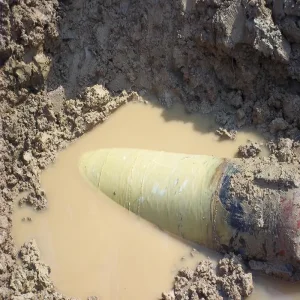
Horizontal Directional Drilling (HDD) subjects coatings to extreme shear stress and physical abrasion. Specialized epoxy glass-reinforced plastic (GRP) and photo-curing protective sleeves are vital to prevent damage.
Heavy crude oil and industrial processes necessitate fluid transport at temperatures from 80°C up to 120°C. Polypropylene copolymer systems are replacing standard polyethylene to ensure thermal stability.
Asset owners now specify operational lifespans exceeding 30 to 50 years. This demand forces manufacturers to improve raw material purity and cross-linking indices to resist oxidative aging.
To address global requirements, OEM manufacturers must design and supply highly customized formulations. These systems must resist cathodic disbondment, demonstrate excellent peel strength, and withstand environmental stress cracking (ESCR). As infrastructure spreads into freezing arctic soils and scorching desert sands, localized compatibility through flexible, targeted OEM options is crucial.
CYCT New Materials Company Limited (for short, CYCT) was founded in 2000. It is a state-level high-tech enterprise integrating the R&D, production, and sales of pipeline corrosion protection materials, buried pipeline detection services, and pipeline coating field application services. Over several decades of focused development, CYCT has built a reputation for high-integrity protective coatings.
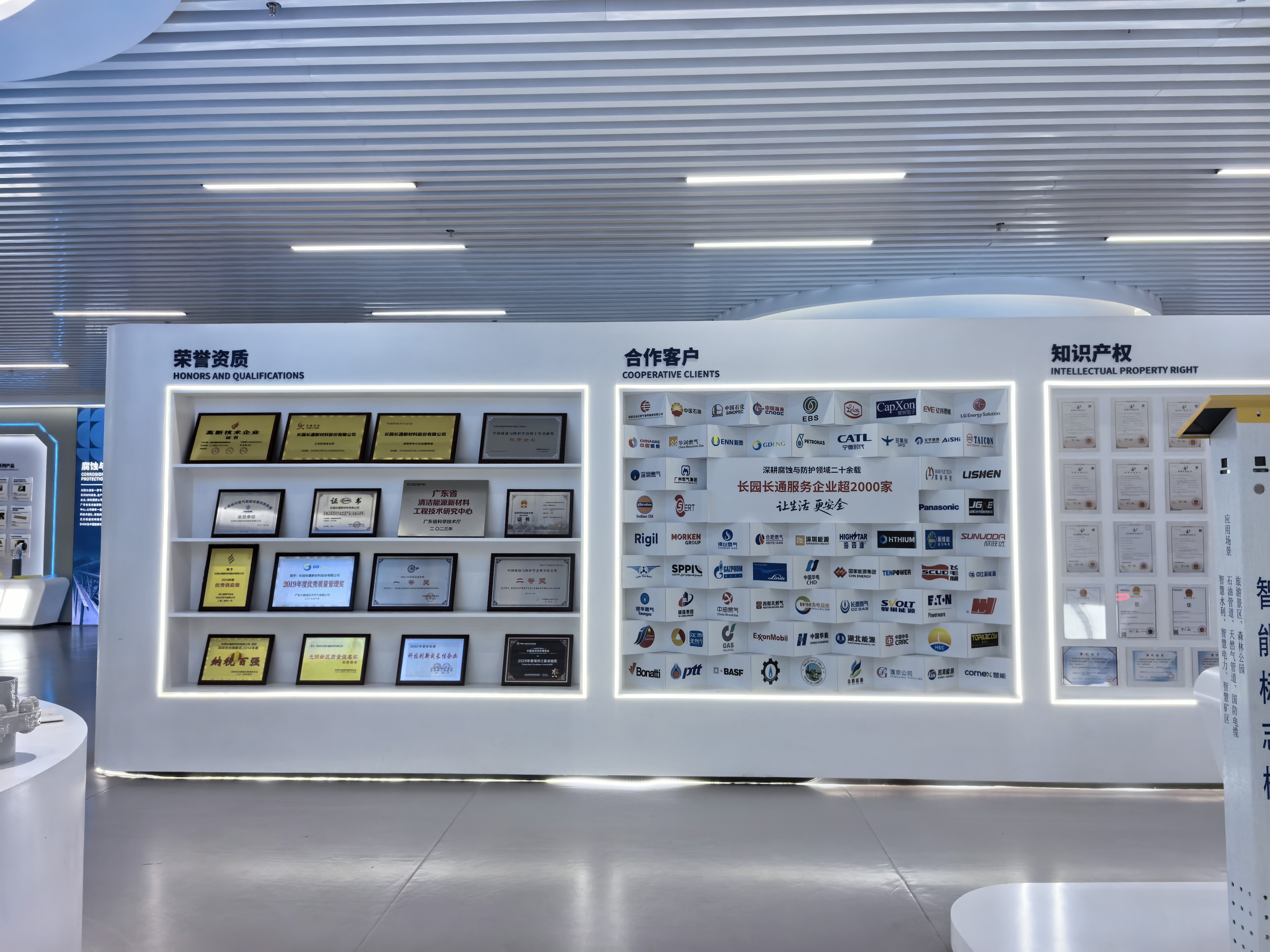
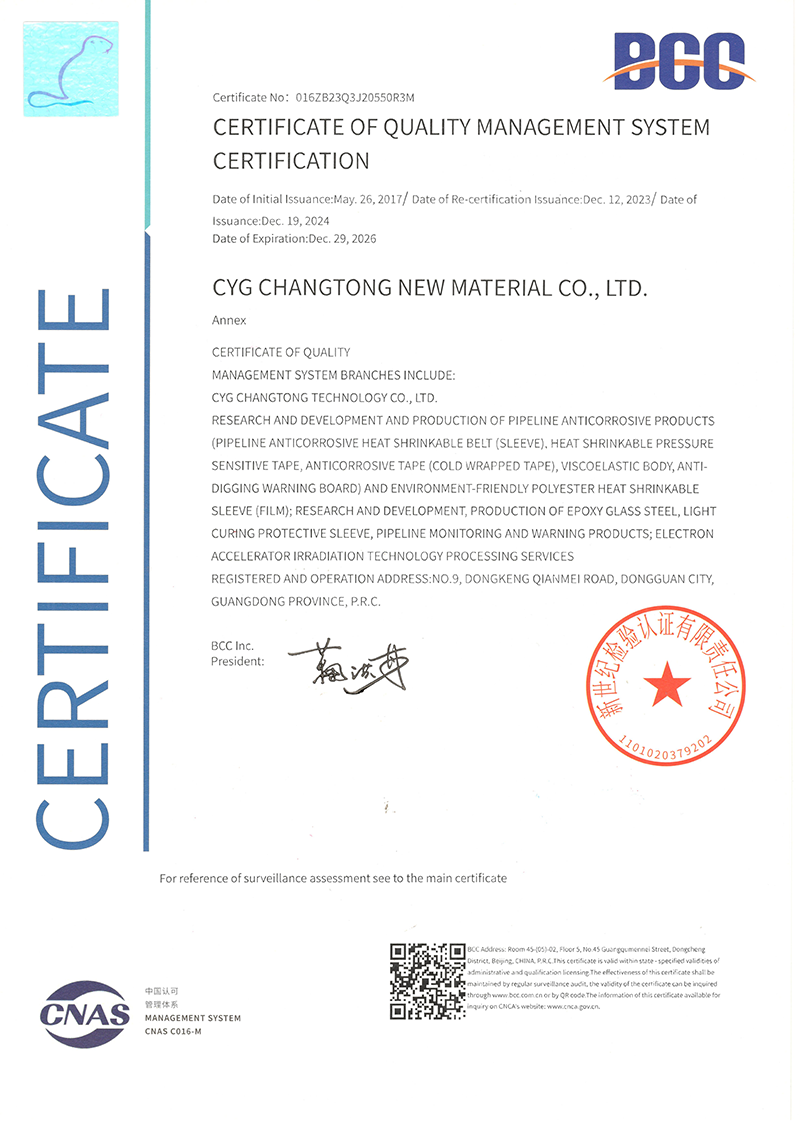
CYCT owns advanced testing and development facilities, including a professional R&D team and a national CNAS-accredited laboratory. In collaboration with research institutes like the CNPC Pipeline Science Research Institute, CYCT delivers buried pipeline detection, design schemes, cathodic protection, rehabilitation, and integrated safety systems.
As a stable supplier of field joint coatings to PetroChina, Sinopec, PipeChina, China Gas Group, and Indian Oil, CYCT has established itself as an industry leader. The company also manufactures specialty solutions, including visco-elastic coatings, photo-curing sleeves for HDD protection, and polyurea options.
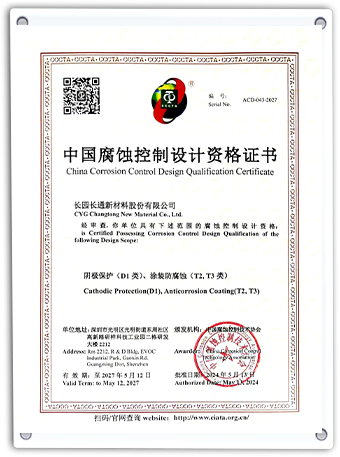
CYCT is a Council Member of the Chinese Society for Corrosion and Protection (CSCP), holds Qualification Certificates for Corrosion Protection Construction and Pipeline Detection, and is recognized as a Well-Known Brand of Pipeline Corrosion Protection in China. The company is a Corporate Member of the China Association of Petroleum Engineering Construction (CAPEC) and maintains more than ten proprietary intellectual property rights.
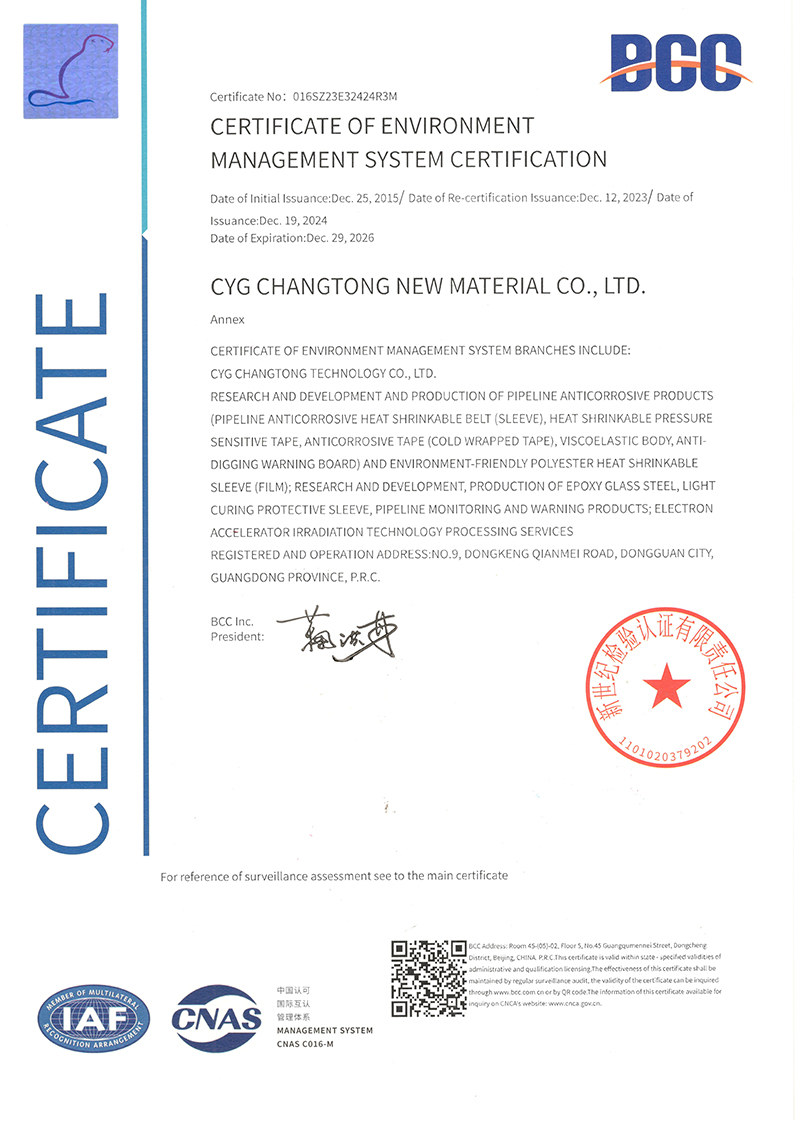
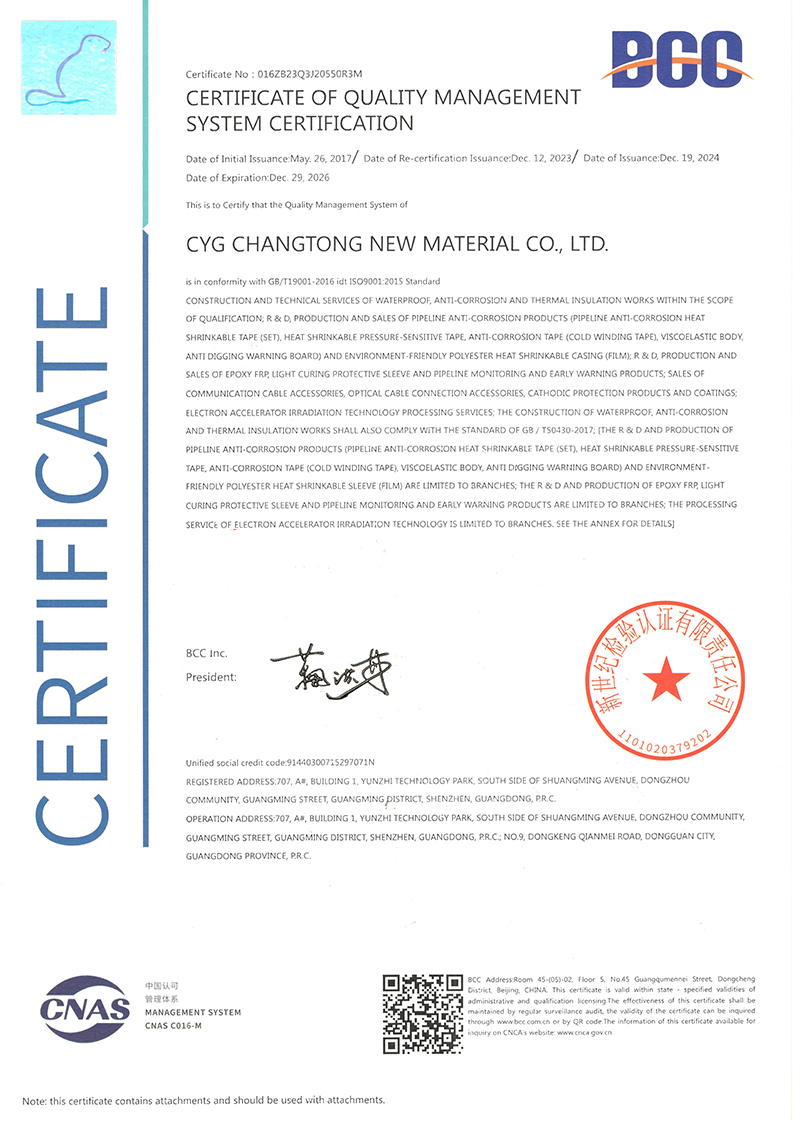
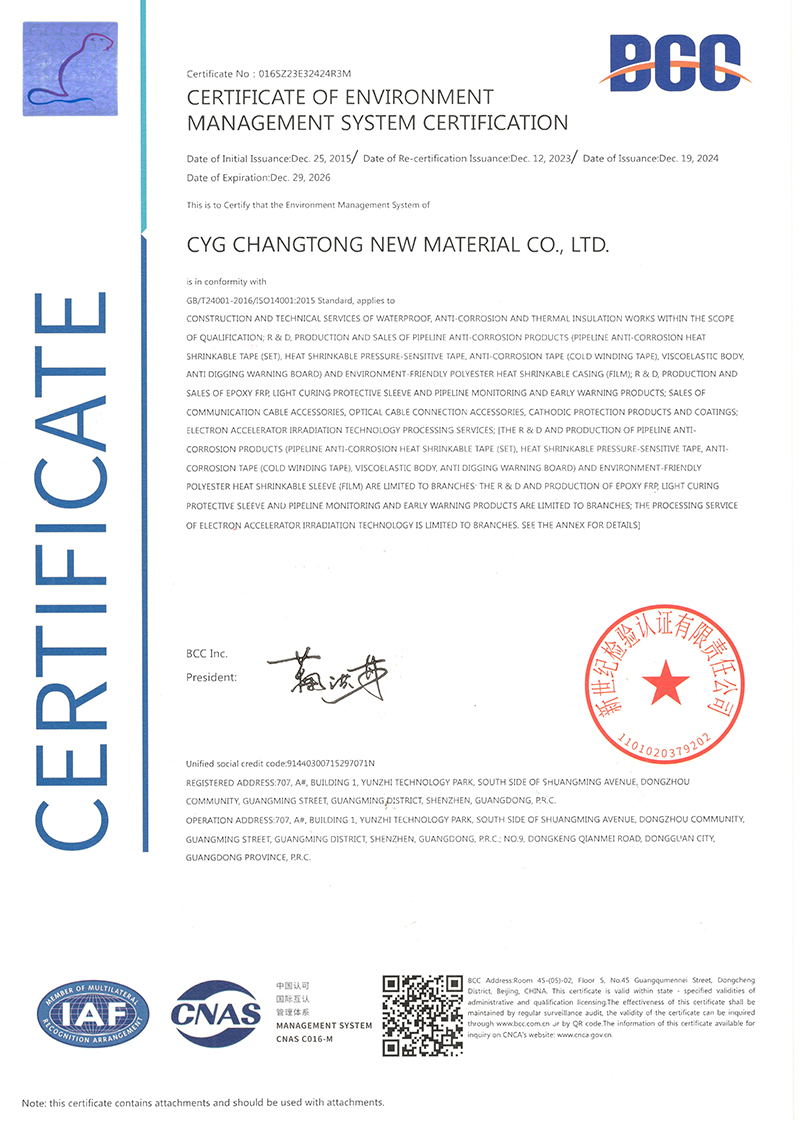
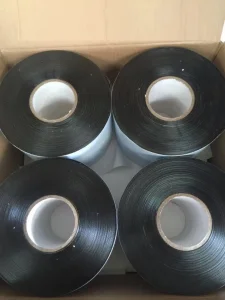
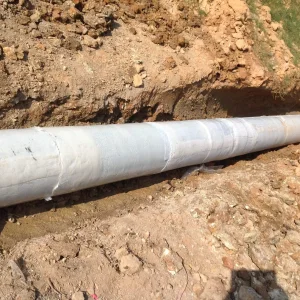
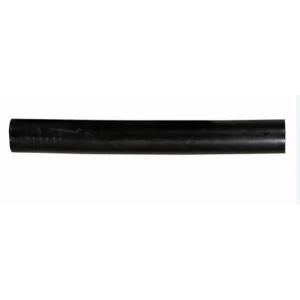
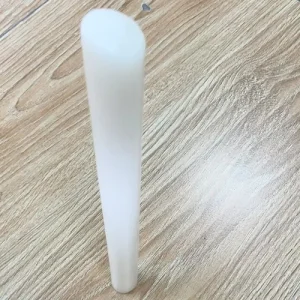
Protecting pipelines requires a comprehensive system-level approach. CYCT works beyond product supply to engineer complete anti-corrosion systems for critical industries:
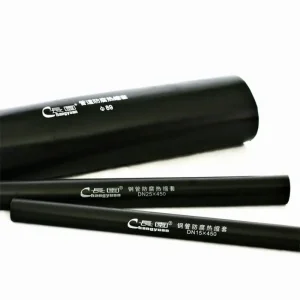
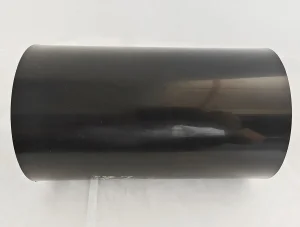
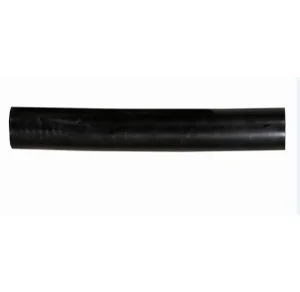
Field joints represent the most vulnerable areas on a pipeline. Standard pipeline coatings are removed at the ends to allow for welding. The field joint coating (FJC) must reconstruct the protective barrier structure. Our FRDP and FRPD-PP heat-shrinkable sleeves provide matching chemical structures for parent pipeline coatings, including 3LPE and 3LPP, preventing structural mismatches.
During Horizontal Directional Drilling, pipes are pulled through rocky, abrasive soil. Conventional heat-shrinkable sleeves can suffer peel-back or wear. CYCT's Photo-Curing GRP Sheets and UV-curing protective sleeves form a hard, impact-resistant outer shell. This shielding maintains the integrity of the primary corrosion coating under high pulling loads.
Damages incurred during transport, handling, or service require rapid, reliable repair. CYCT offers FRDX PE Repair Patches, PP Repair Patches, and specialized Hot Melt Sticks. These repair systems bond to the parent coating, reinstating the corrosion barrier without requiring complete sleeve replacement.
High-pressure pipeline installations must conform to international safety regulations. Operating companies and EPC contractors require materials certified to strict benchmarks. CYCT's product line complies with international standards, including ISO 21809-3, EN 12068, and NACE RP0303.
Our national CNAS-accredited laboratory performs continuous batch testing to verify critical performance metrics, including:
Ensures the sleeve adhesive resists disbondment under cathodic protection currents, even at elevated temperatures.
Verifies mechanical adhesion to both bare, grit-blasted steel and factory-applied line coatings.
Accelerated aging tests verify the polymer backing retains tensile strength and elongation over the design life.
CYCT's technical roadmap focuses on developing materials that meet the challenges of next-generation energy networks:
Polyethylene (PE) sleeves are suitable for pipeline operating temperatures up to 60°C or 80°C (such as our FRDP sleeves). Polypropylene (PP) sleeves, like our FRPD-PP series, are engineered for high-temperature systems reaching 110°C to 120°C, providing higher mechanical resistance and shear strength under thermal loading.
For Horizontal Directional Drilling, we apply a photo-curing protective sleeve (UV-curing GRP sheet) over the heat-shrinkable sleeve. This creates a hard outer casing that absorbs mechanical shear and impact forces, preventing the under-layer sleeve from peeling or slipping off the pipe.
While PP repair patches bond to PE backings, it is best practice to match the repair chemistry to the parent coating. We recommend using the FRDX PE Repair Patch for 3LPE coatings, and the PP Repair Patch specifically for 3LPP systems to ensure thermal and mechanical compatibility.
For optimal adhesion, steel joints must be grit-blasted to Sa 2.5 cleanliness with a profile of 50-75 microns. The parent PE/PP coating must be chamfered and abraded. Pre-heating the steel substrate to the specified temperature (typically 60°C - 70°C for PE, higher for PP) is required before sleeve application.
CYCT's heat-shrinkable materials should be stored in a dry, ventilated warehouse, out of direct sunlight, at temperatures below 35°C. When stored correctly, our materials have a shelf life of up to 2 years from the date of manufacture.
 CYCT
CYCT