Premium solutions for joint protection, coating repairs, and structural integrity across global gas, oil, and water networks.
Modern industrial pipeline infrastructures form the baseline of global energy transmission. Operating under dynamic, harsh environments—ranging from deep-sea high pressure fields to sub-zero continental terrains—these structures are continuously exposed to severe mechanical, chemical, and electrochemical stressors. The integrity of these pipelines dictates not only commercial viability but environmental safety. Any failure at a linepipe joint or coating interface directly translates to catastrophic operational down-times and immense environmental liabilities.
At the center of mitigating this structural deterioration is the technology behind OEM Pipe Sealing and Anti-Corrosion Systems. Field Joint Coatings (FJCs), PE Cold-Applied Tapes, Viscoelastic systems, and Polypropylene/Polyethylene heat-shrinkable sleeves serve as the localized barrier blocking moisture, oxygen, aggressive soil components, and mechanical abrasion. As leading suppliers and an advanced factory, we understand that a complete pipeline sealing system is only as strong as its weakest field application. The shift toward higher operating temperatures (such as 3LPP systems running up to 110°C to 120°C) demands polymer formulations capable of preventing cathodic disbondment and thermal degradation over a planned 30-to-50-year service life.
Information Gain: Traditional pipeline engineering treated corrosion prevention as a standardized, post-design addition. Today, semantic integration of localized climatic conditions, geothermal activities, soil chemistry, and cathodic protection compatibility dictate custom polymer blends. Leading OEM factories are shifting towards co-extruded multi-layer systems that function dynamically with the substrate.
Understanding which material chemistry applies to specific thermal and mechanical conditions is vital for design engineers and EPC (Engineering, Procurement, and Construction) companies. Our factory produces diverse sealing technologies designed to address distinct environment types:
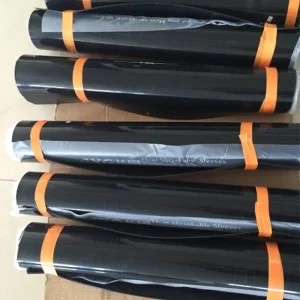
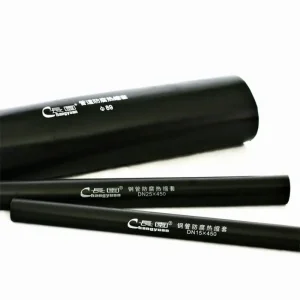
Heat-shrinkable sleeves represent the pinnacle of field joint protection for 3-Layer Polyethylene (3LPE) and 3-Layer Polypropylene (3LPP) coated pipelines. Using radiation cross-linked polyolefin backing combined with high-performance hot melt adhesives, systems like the FRPD-PP Heat Shrinkable Sleeves align directly with factory-applied polypropylene linepipe coatings. During installation, heat applied via torch or induction coil triggers the backing's elastic memory, causing it to shrink snugly around the joint. At the same time, the internal hot melt adhesive melts, filling surface profiles and chemical-bonding with the factory coating to form a solid, monolithic barrier resistant to soil stress, shear forces, and cathodic disbondment.
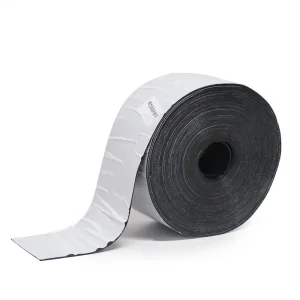
For applications where sandblasting or high-temperature preheating is impossible, viscoelastic coating systems offer a powerful alternative. Made of non-crystalline, low-viscosity, non-crosslinked synthetic polyolefins, viscoelastic materials display continuous cold-flow properties. This physical state allows the coating to flow into microscopic steel surface crevices, providing total wetting. Because the material remains viscously liquid throughout its lifespan, it heals itself if minor mechanical damage occurs. Coupled with an aluminum foil backing (as seen in wide-temperature viscoelastic tapes), it blocks water vapor transmission and oxygen diffusion completely, offering corrosion protection over a broad operational temperature range.
Analyzing the operational and logistics scale that positions CYCT as a primary supplier for key pipeline operators globally.
We manage the entire production chain in-house, from base resin formulation and compounding to radiation cross-linking and adhesive coating. This integration ensures quality control, direct raw material traceability, and flexible OEM customization.
Partnering with organizations like the CNPC Pipeline Science Research Institute, our factory quickly develops custom protective designs. We match specific requirements for shear resistance, peel strength, and installation times to project specs.
We maintain raw material reserves and operate high-capacity production lines. This setup helps global buyers counter raw material price swings, offering stable prices for multi-year pipeline construction projects.
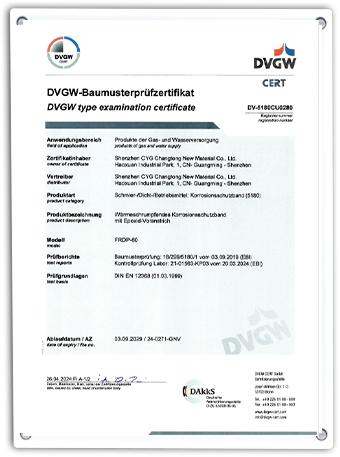
To qualify as a tier-1 supplier for petrochemical complexes and public utility networks, complying with global standards is essential. Industrial pipeline designers must follow strict regulations set by the Association for Materials Protection and Performance (AMPP, combining former NACE and SSPC standards), ISO, and local standardization bodies. Our factory designs and manufactures all anti-corrosion tapes, patches, and sleeves to meet or exceed international benchmarks such as ISO 21809-3, EN 12068, and NACE SP0169.
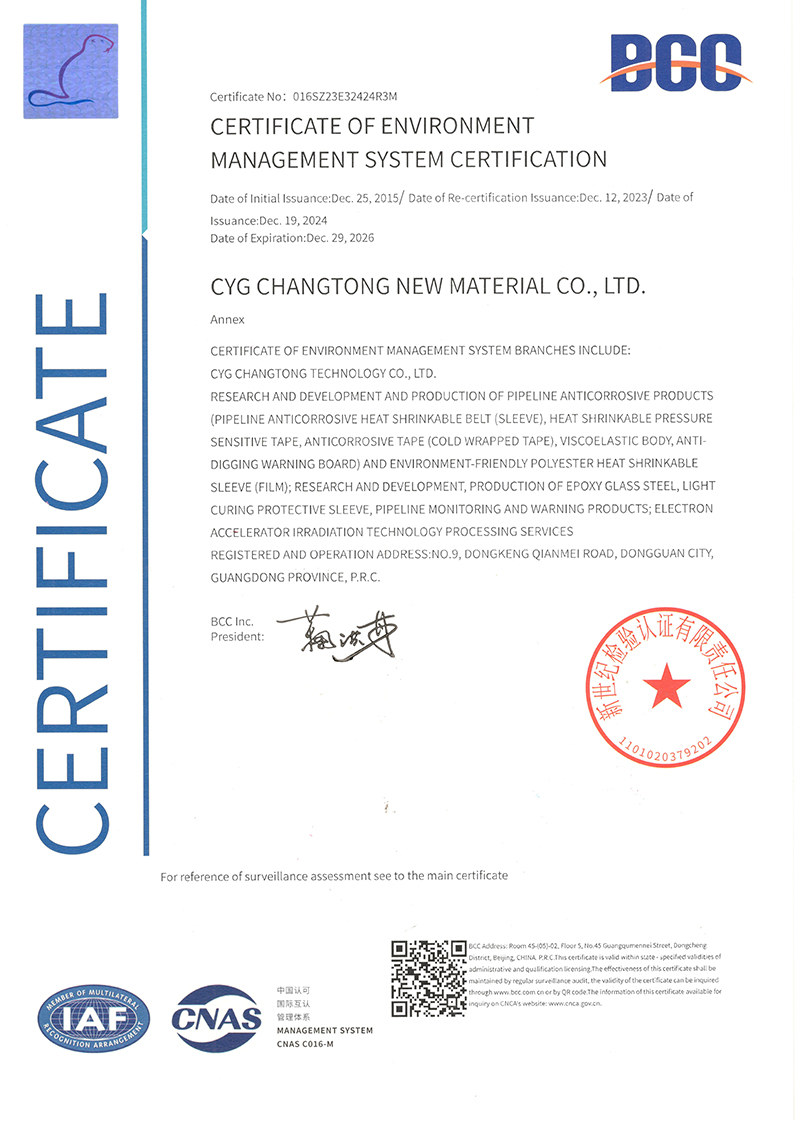
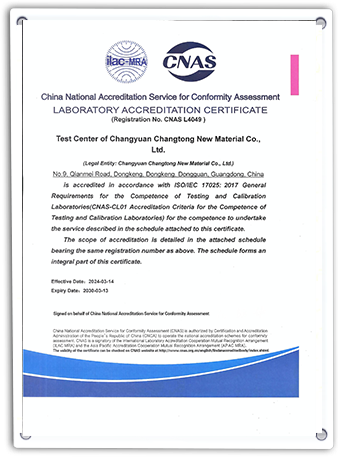
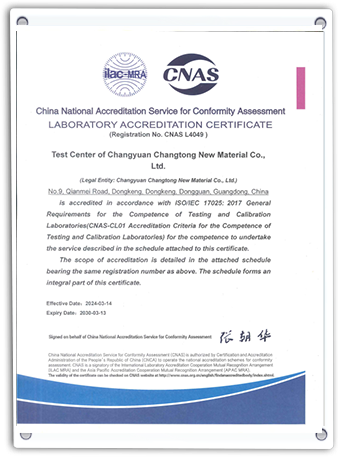
Additionally, our in-house test center is a national CNAS-accredited laboratory. This accreditation means every production run undergoes rigorous tests for properties like cathodic disbondment resistance, hot-water immersion durability, lap shear strength at maximum rated temperatures, and impact resistance. We support field installation teams with detailed instructions and localized assistance. This guarantees that workers of various skill levels can achieve reliable, void-free joint coatings, reducing installation errors and premature failures.
E-E-A-T Principle Action: Choosing a manufacturer with a CNAS laboratory and active AMPP participation minimizes project risk. It ensures your material certificates are verified under strict laboratory settings, backed by decades of proven field performance with operators like PetroChina, Sinopec, and Indian Oil.
A State-Level High-Tech Enterprise Leading Pipeline Protection Technology Since 2000
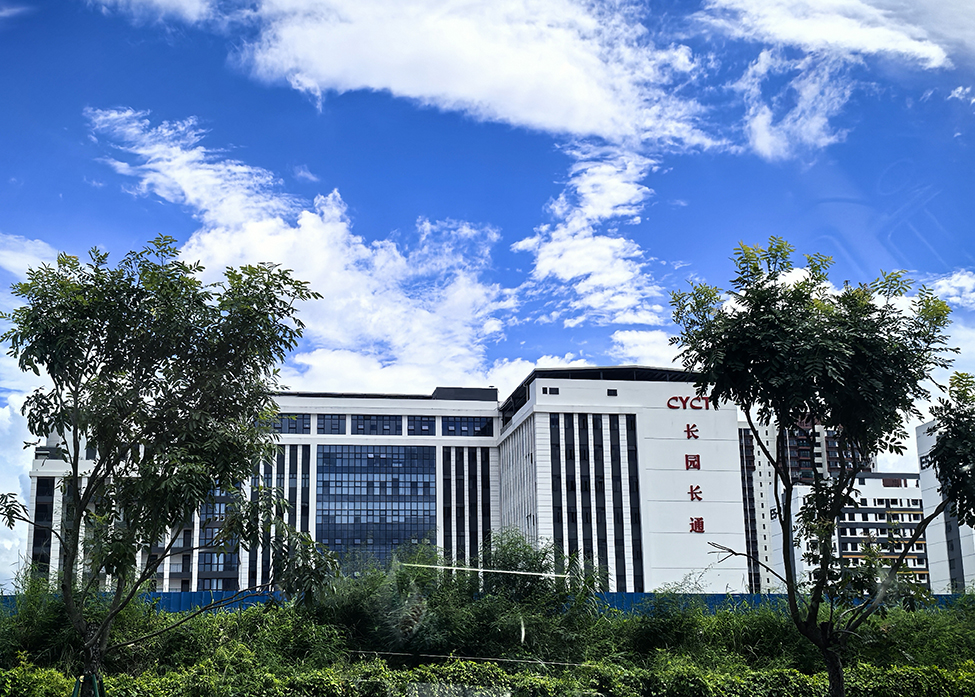
CYCT New Materials Company Limited (for short, CYCT) is a state-level high-tech enterprise integrating R&D, production, and sales of pipeline corrosion protection materials. We also provide buried pipeline detection services and pipeline coating field application services.
CYCT has dedicated decades to the R&D, production, and sales of pipeline corrosion protection materials. We own advanced testing and R&D capabilities, support a professional R&D team, and operate a national CNAS-accredited laboratory.
Over the years, CYCT has become a stable supplier of field joint coatings for PetroChina, Sinopec, PipeChina, and local networks, securing a very high market share. We have also developed and introduced specialty corrosion protection materials, including viscoelastic anticorrosion materials, special photo-curing sleeves for HDD protection, and polyurea coatings.
Through close cooperation with leading research bodies like the CNPC Pipeline Science Research Institute, CYCT provides in-service pipelines with varied technical services. These include buried pipeline detection, design schemes, cathodic protection, rehabilitation projects, and integrated solutions for pipeline safety.
Anti-corrosion materials must adapt to the mechanical installation method of the pipeline. Different installation conditions present unique challenges:
During trenchless pipeline installation via Horizontal Directional Drilling (HDD), the pipeline is pulled through long, underground drilled paths. This process subjects the field joint coatings to extreme shear stress, soil abrasion, and contact with rock edges. Standard heat shrinkable sleeves can peel or tear under these forces. To prevent this, we offer the OEM Epoxy FRP (Fiber Reinforced Plastic) system. This solution adds a mechanical protection layer over the primary anti-corrosion coating, safeguarding the pipeline's integrity during pull-through operations.
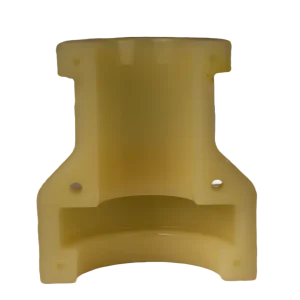
Offshore environments require high resistance to dynamic marine currents, hydrostatic pressure, and saltwater corrosion. At vital junctions and riser connections, dynamic bending must be controlled to prevent fatigue failure. Our polyurethane-based OEM High-Performance Bend Restrictors limit the bending radius of cables and pipes, providing reliable protection for subsea installations.
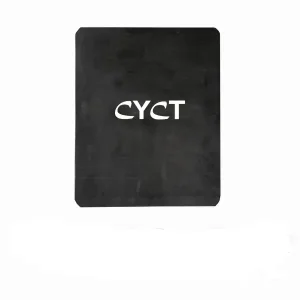
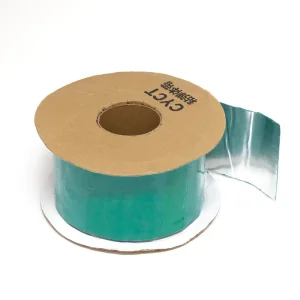
Petrochemical facilities and refineries handle warm fluid streams that keep pipeline temperatures high. High-temperature conditions speed up electrochemical corrosion and can degrade poor-quality adhesives. Using high-temperature PE cold tapes and 3LPP-compatible PP repair patches ensures the pipeline remains protected even during continuous thermal cycling.
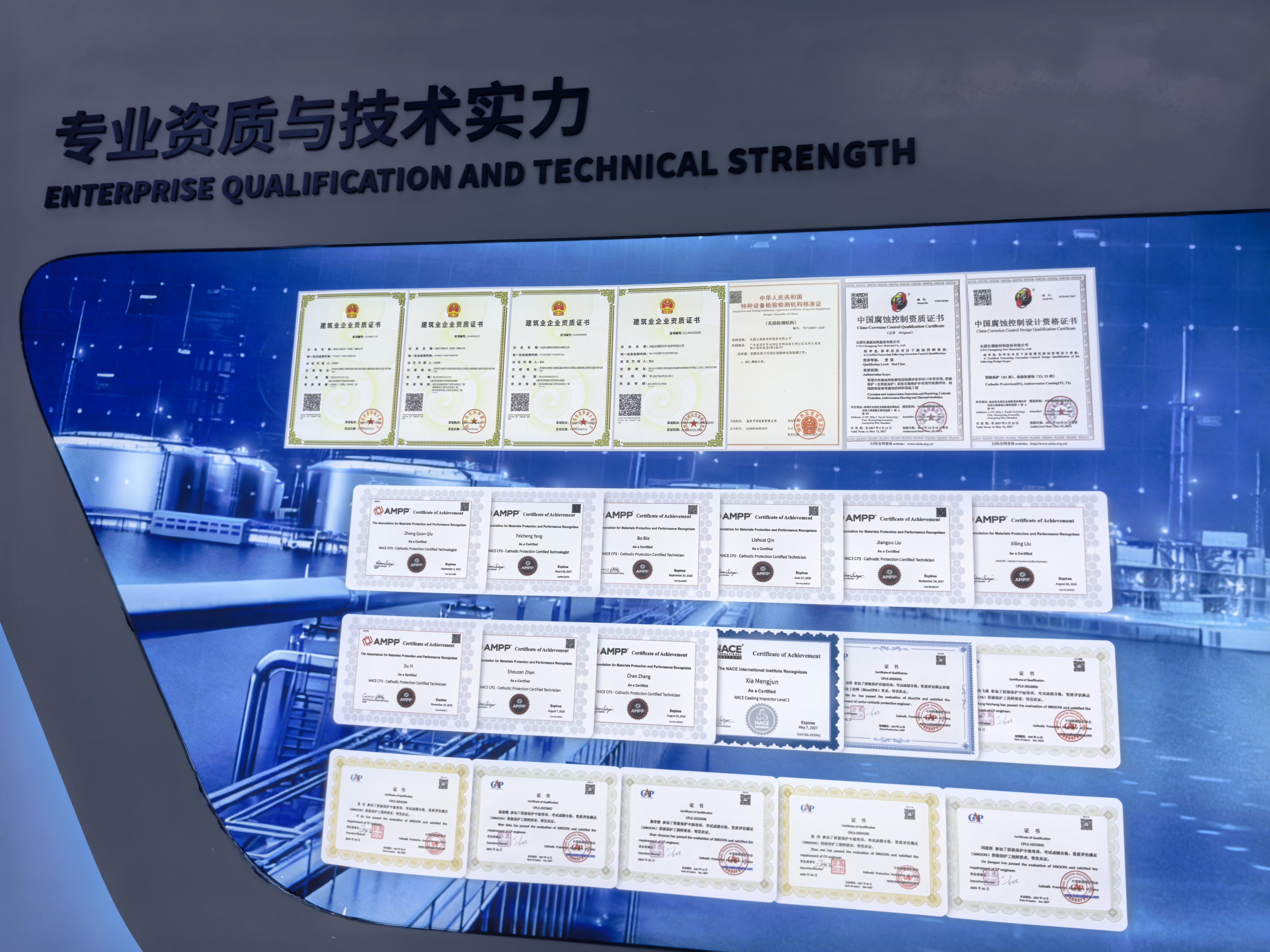
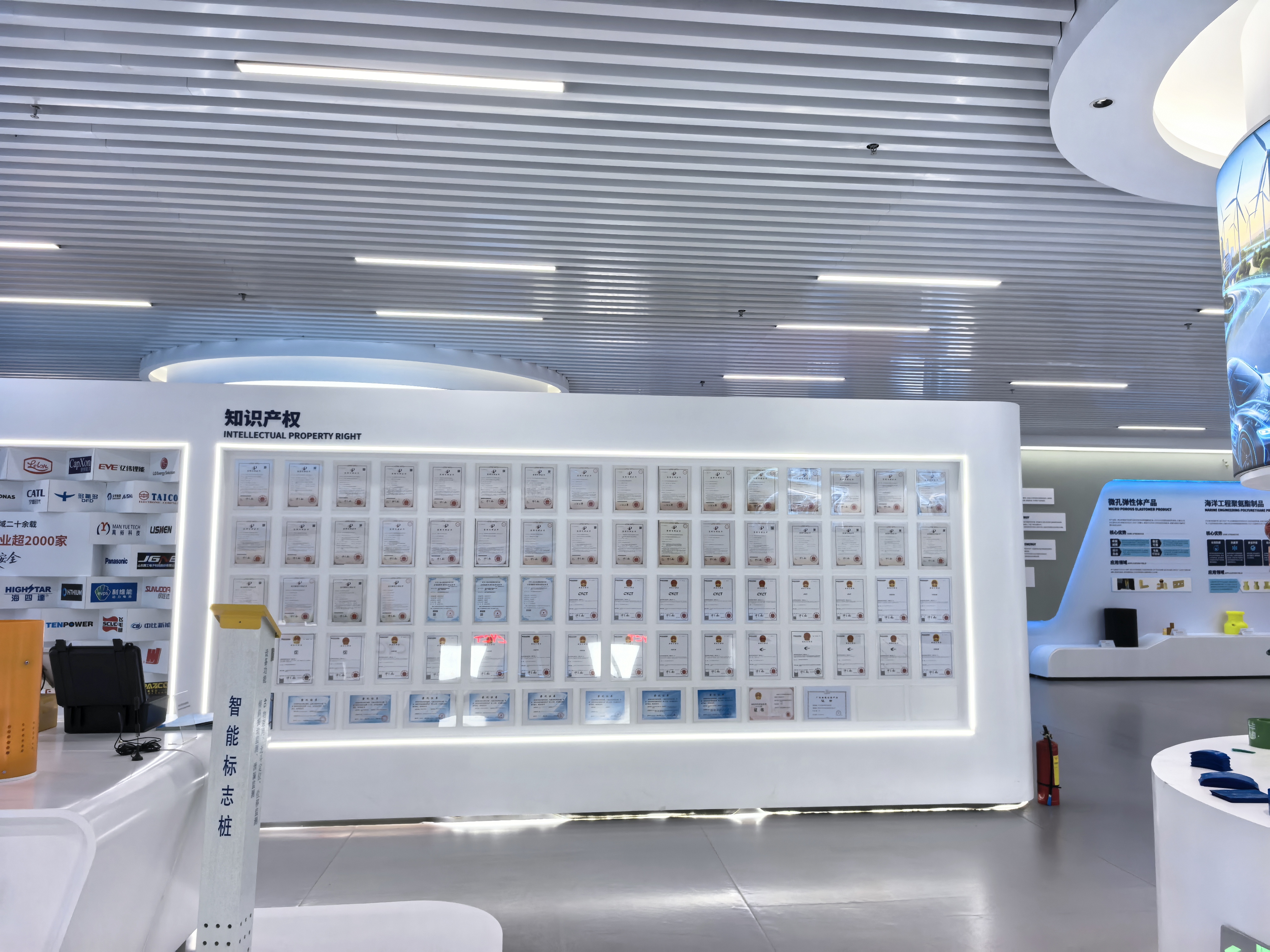
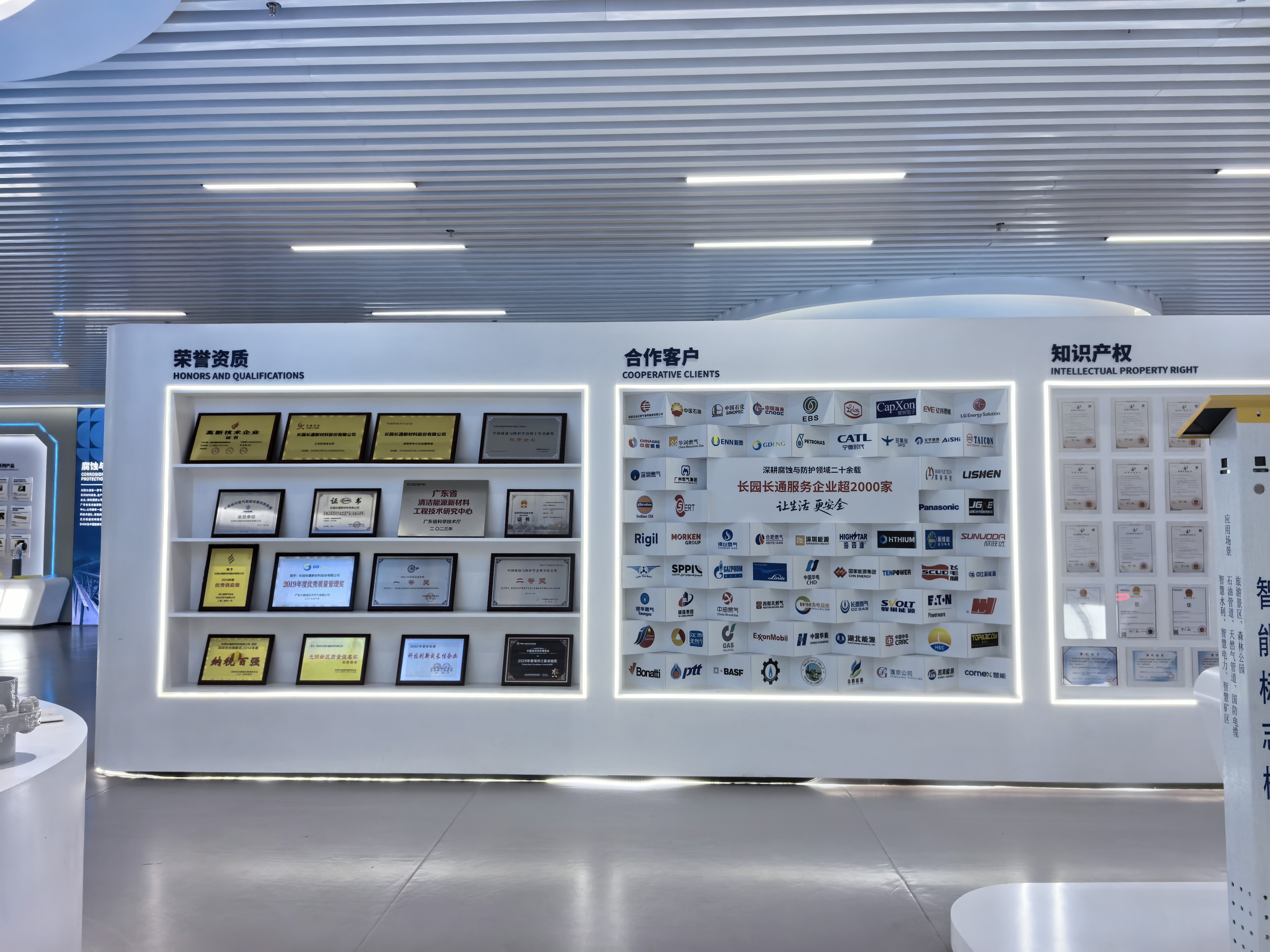
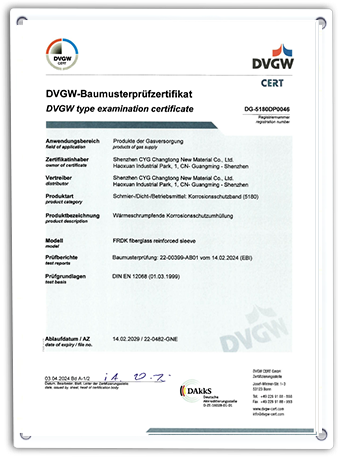
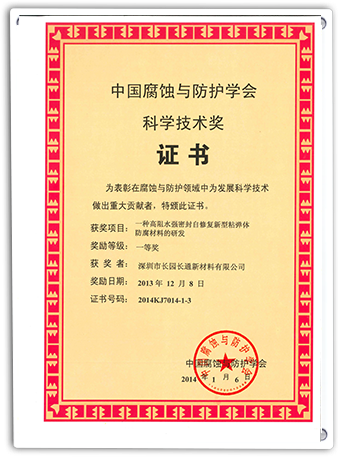
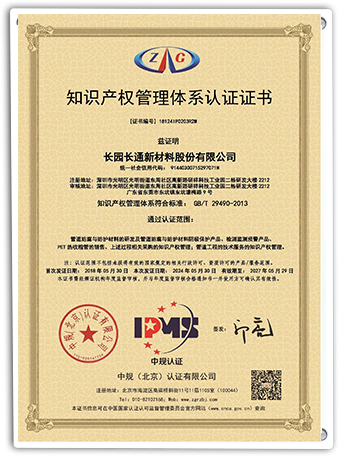
Verified compliance with international pipeline safety standards and structural engineering institutions.
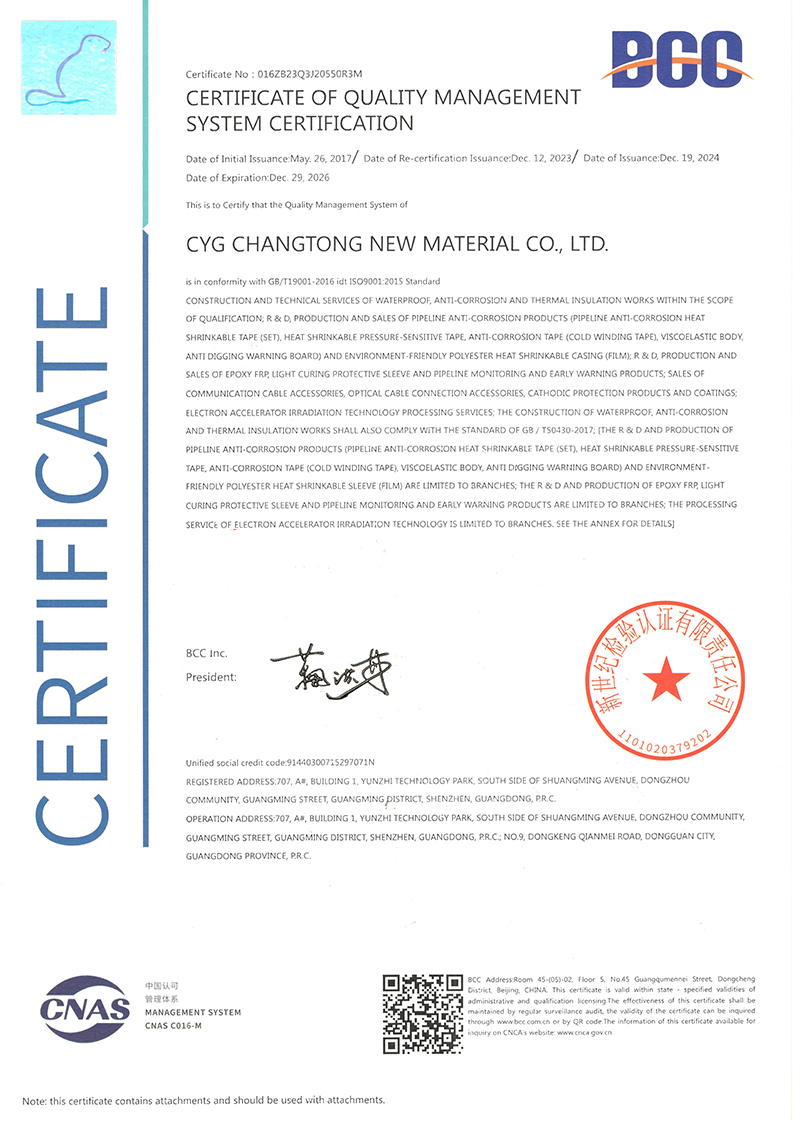
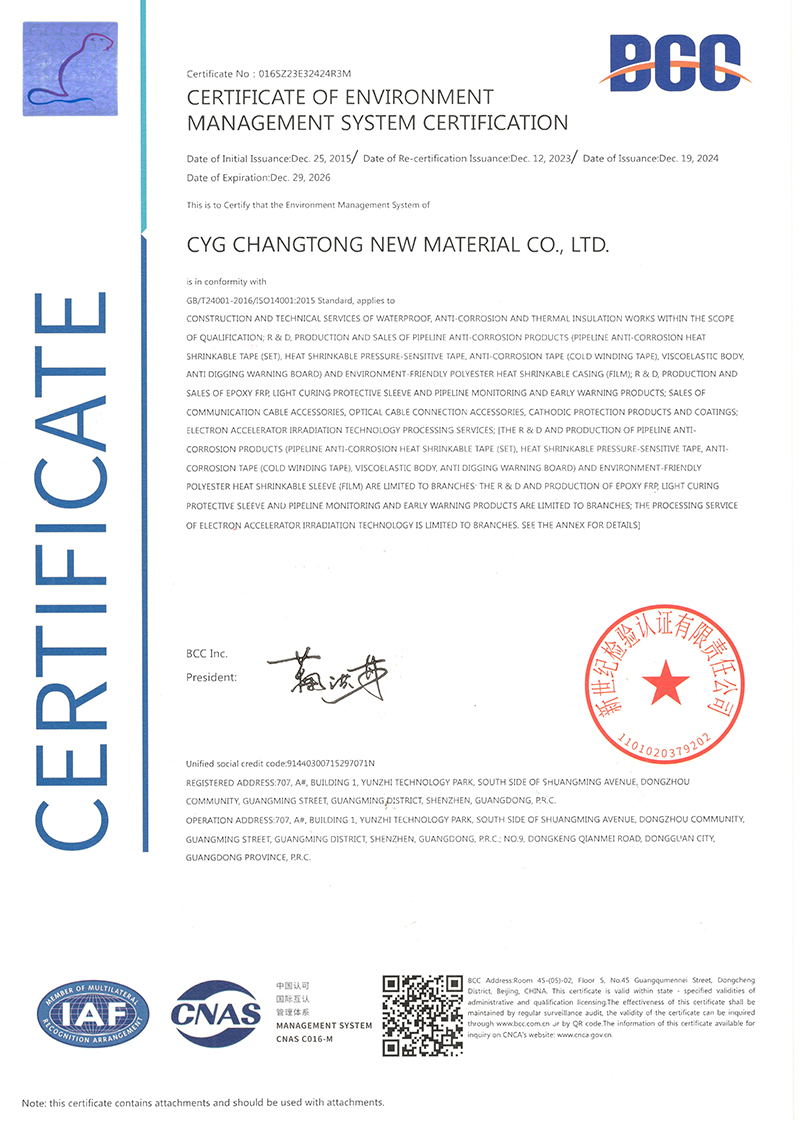
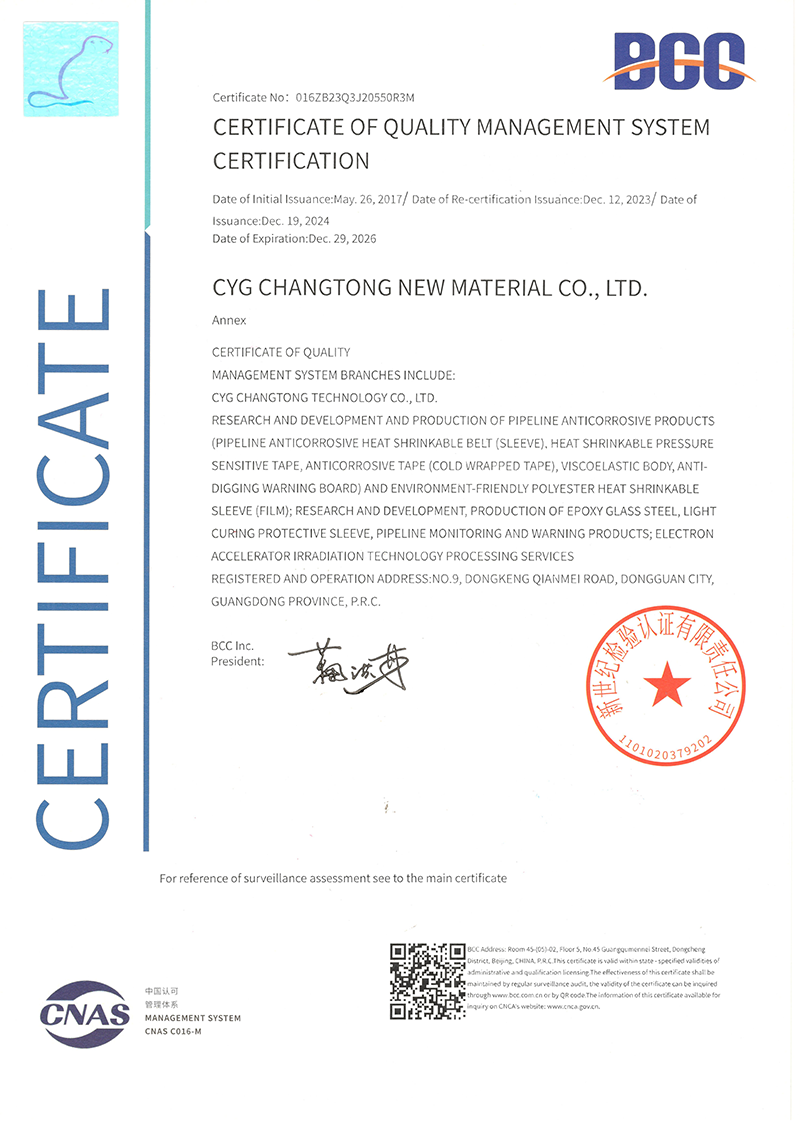
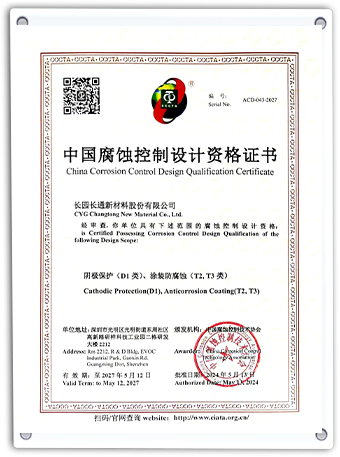
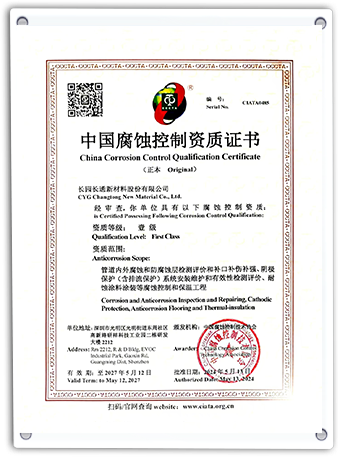
Our Industry Credentials: Member of Council in Chinese Society for Corrosion and Protection (CSCP), Qualification Certificate of Corrosion Protection Construction, Qualification Certificate of Pipeline Detection, Well-known Brand of Pipeline Corrosion Protection in China, Corporate Member of China Association of Petroleum Engineering Construction (CAPEC), State-Level High-Tech Enterprise with more than ten proprietary intellectual property rights, Stable supplier of PetroChina, Stable supplier of Sinopec, Stable supplier of China Gas Group, Supplier of Indian Oil, and active participant in AMPP.
As the energy landscape transitions toward hydrogen blends and carbon capture storage (CCS) networks, pipeline operating parameters are changing. The pipeline sealing industry is shifting focus to address these emerging trends:
Technical guidance regarding field applications, material characteristics, and OEM custom solutions.
Explore our complete range of specialized joint coatings, structural sleeves, and pipeline repair solutions.
 CYCT
CYCT