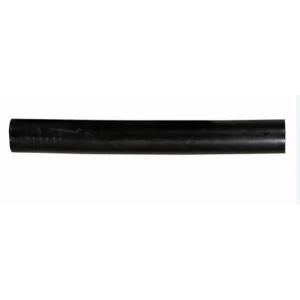
Engineered for extreme environments, delivering unmatched pipeline integrity and high shear protection.
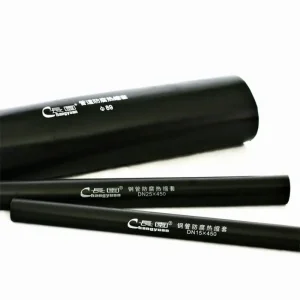
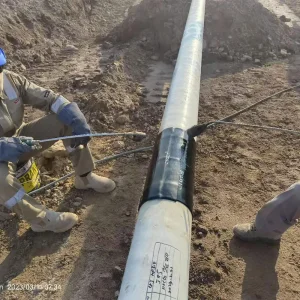
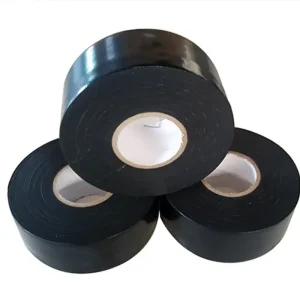
In critical infrastructure sectors—particularly oil and gas transmission, municipal water networks, petrochemical processing plants, and marine environments—pipeline integrity is paramount. Underground and underwater pipelines represent billions of dollars in capital expenditure, which is continuously threatened by corrosion, soil stress, environmental variations, and mechanical wear. Heat shrink materials, specifically cross-linked polyolefin sleeves and wraps, serve as the definitive first line of defense for field joints, elbows, bends, and damaged coatings.
As a leading global category of protective solutions, OEM heat shrink materials are engineered to establish an impenetrable barrier against moisture permeation, oxygen migration, and chemical ingress. In the context of modern pipeline engineering, these materials are not merely plastic covers; they are highly structured polymer blends utilizing radiation chemistry to achieve thermal memory and high shear resistance. By cooperating with certified global manufacturers, EPC contractors, and pipeline operators, we guarantee that field joint coatings match the lifespan of factory-applied coatings, ensuring uninterrupted structural durability.
How materials science is evolving to support high-performance industrial operations globally.
Modern extraction technologies require pipelines to operate at higher temperature thresholds. Traditional polyolefin systems capped out at 50°C. Current trends demand heat shrink sleeves capable of sustained operation at 85°C to 120°C, utilizing highly customized copolymer hot-melt adhesives paired with cross-linked polypropylene (PP) outer backings.
Horizontal Directional Drilling (HDD) is standard in urban and waterway crossings. Pulling pipe strings through abrasive rock and soil requires extreme shear and tear resistance. Incorporating fiberglass-reinforced matrices directly into the heat-shrinkable matrix has dramatically reduced protective coating failures during installation pullbacks.
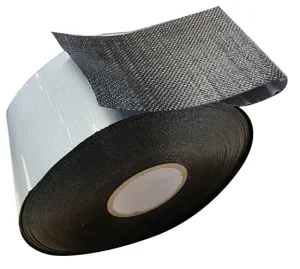
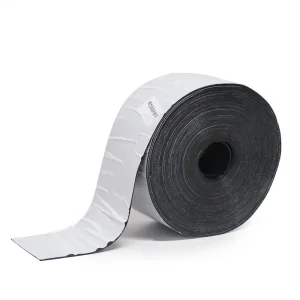
The industry is moving toward hybrid protection solutions. Viscoelastic tapes, such as our VT95, maintain a permanent liquid-like flow, ensuring the material flows into micro-fissures and dynamically heals minor mechanical scratches, preventing water ingress even if the outer protective shell is compromised.
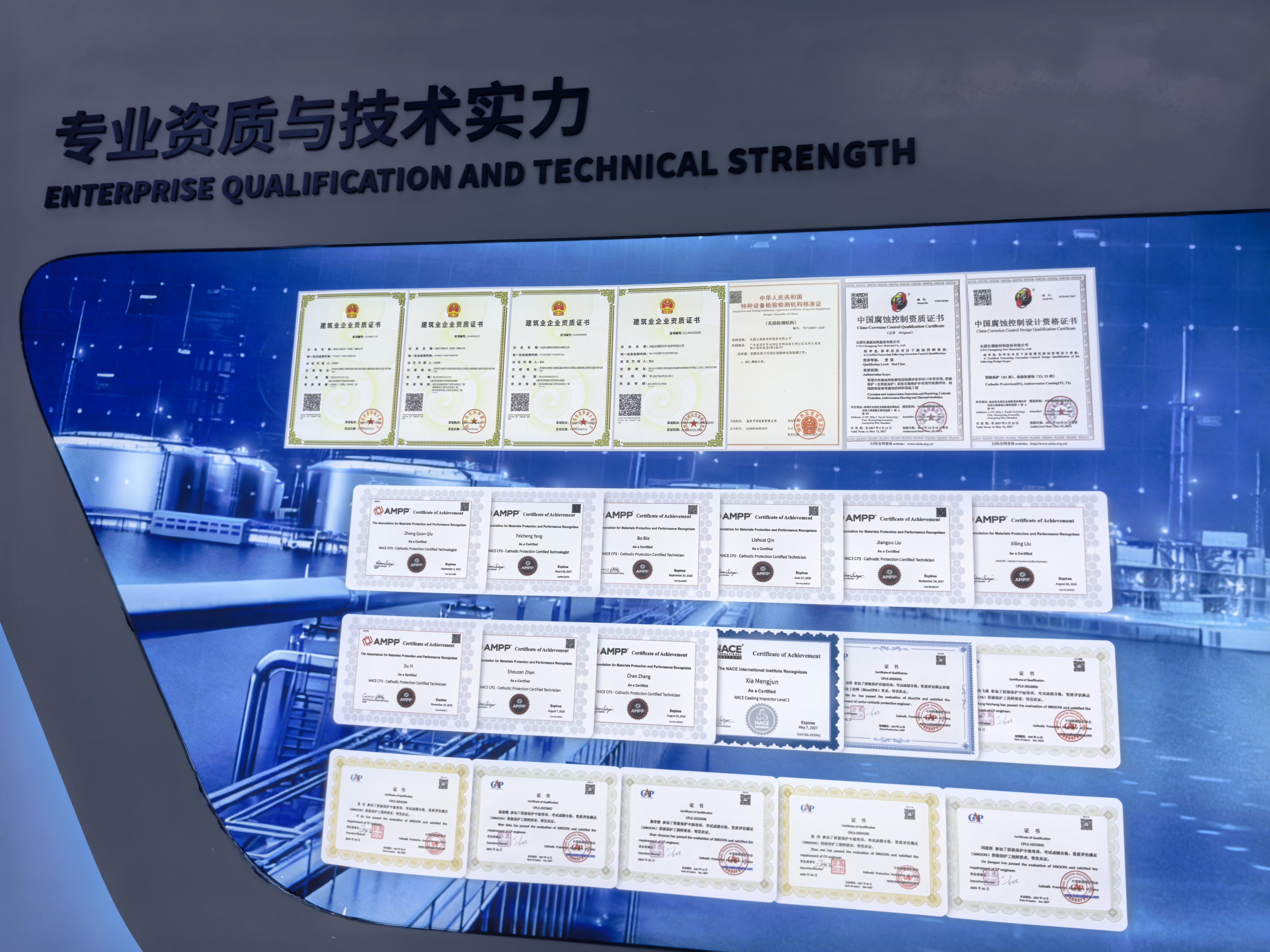
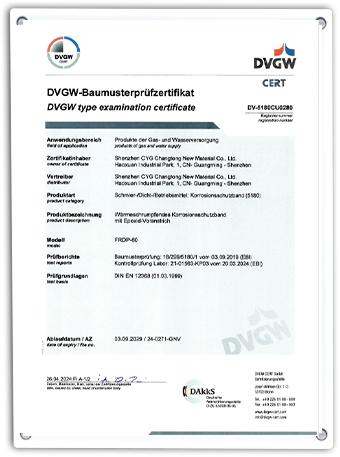
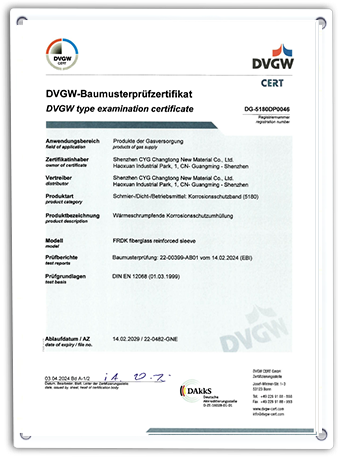
For international procurement managers, sourcing OEM heat shrink materials requires careful balancing of regulatory standards, regional environmental factors, and reliable logistical fulfillment. Standardized certifications such as AMPP (formerly NACE/SSPC) are essential. Buyers must verify that products undergo testing in independent laboratories to assure field joints don't become the weakest link in pipeline infrastructure.
Furthermore, customized sizing is critical. Offshore pipelines require continuous wrap-around sleeves optimized for rapid installation, while municipal gas connections might require custom-cut repair patches and localized hot-melt filler sticks. Meeting these demands requires an OEM manufacturer with deep in-house engineering and production flexibility.
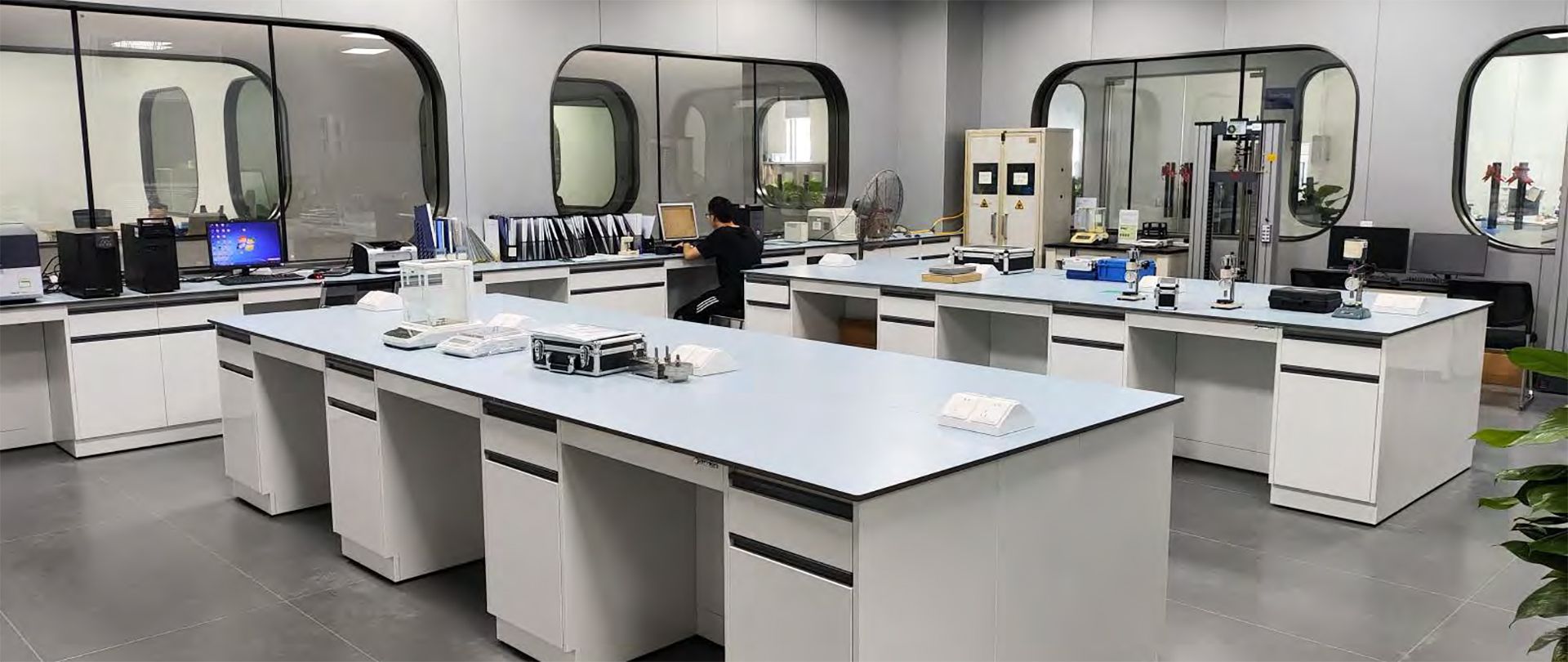
The global narrative of "Made in China" has evolved. In modern pipeline protection materials, the focus is now on advanced engineering, smart supply chains, and consistent quality under Industry 4.0 frameworks. As a state-level high-tech enterprise, CYCT New Materials operates automated extrusion lines, electron beam cross-linking accelerators, and automated compounding plants.
This automated approach ensures that every batch of polyolefin backing receives a uniform radiation dose, resulting in consistent heat shrink performance. Our supply chain integration minimizes dependence on third-party chemical processors, allowing us to manage costs effectively and maintain stable delivery timelines even during global logistics disruptions.
Additionally, CYCT collaborates closely with scientific research institutes like the CNPC Pipeline Science Research Institute, bridging the gap between raw chemical compounding and field application challenges. This partnership supports rapid R&D and ensures field application services remain aligned with laboratory insights.
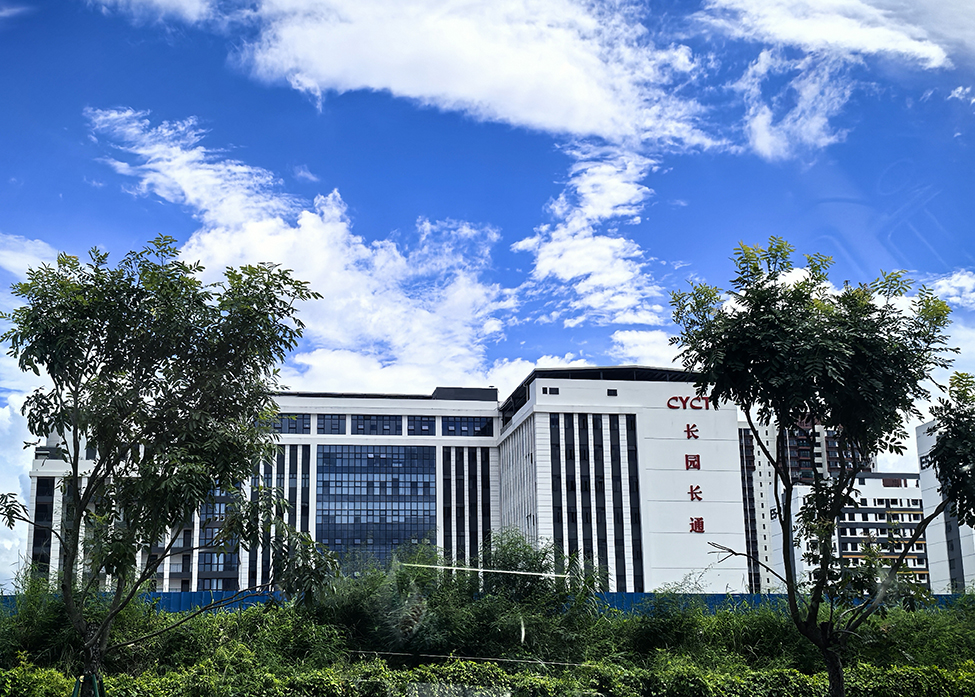
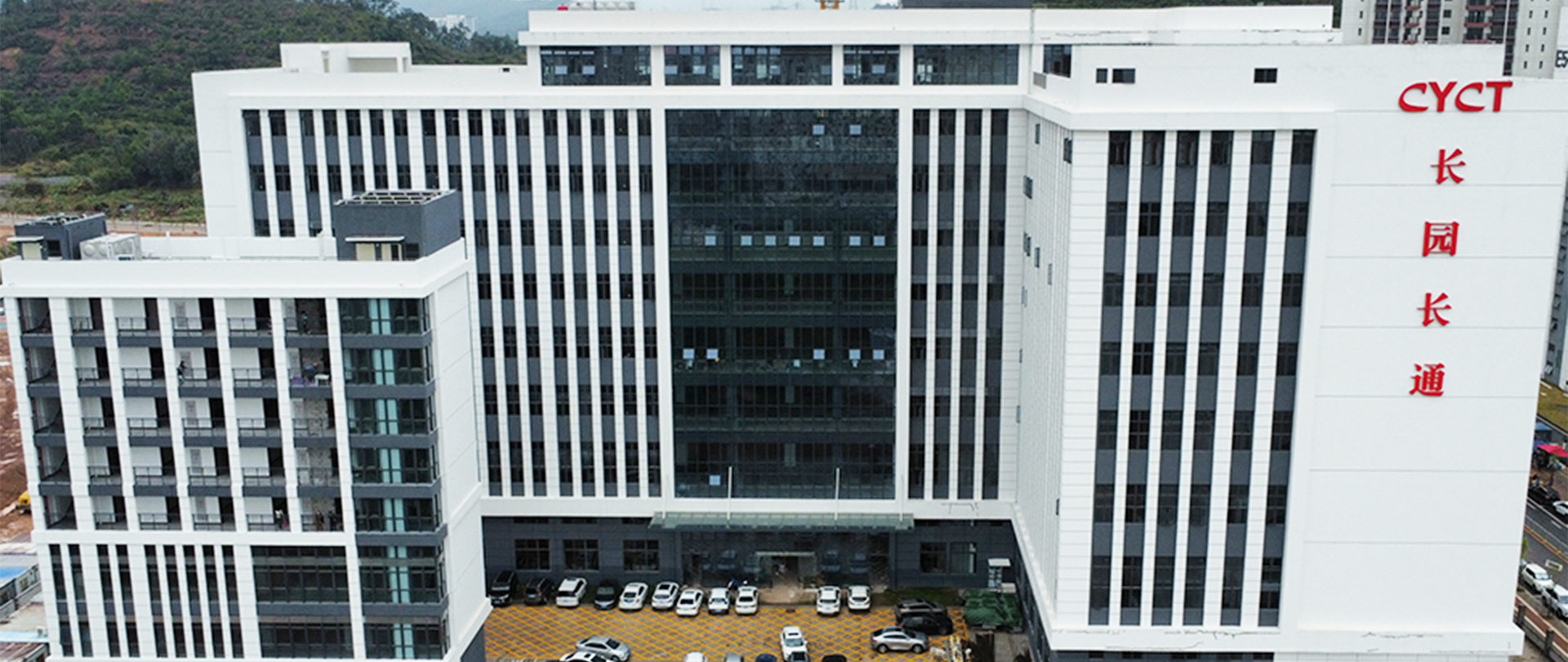
CYCT New Materials Company Limited (for short, CYCT) is a state-level high-tech enterprise integrating R&D, production and sales of pipeline corrosion protection materials as well as buried pipeline detection service and pipeline coating field application service into one. CYCT devotes itself to R&D, production and sales of pipeline corrosion protection materials for decades.
Manufacturing Center
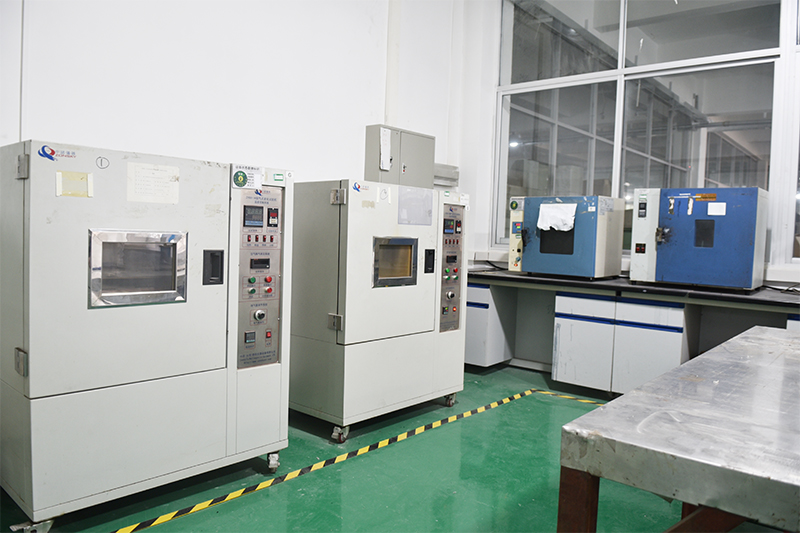
Quality Inspection Area
Automated Production
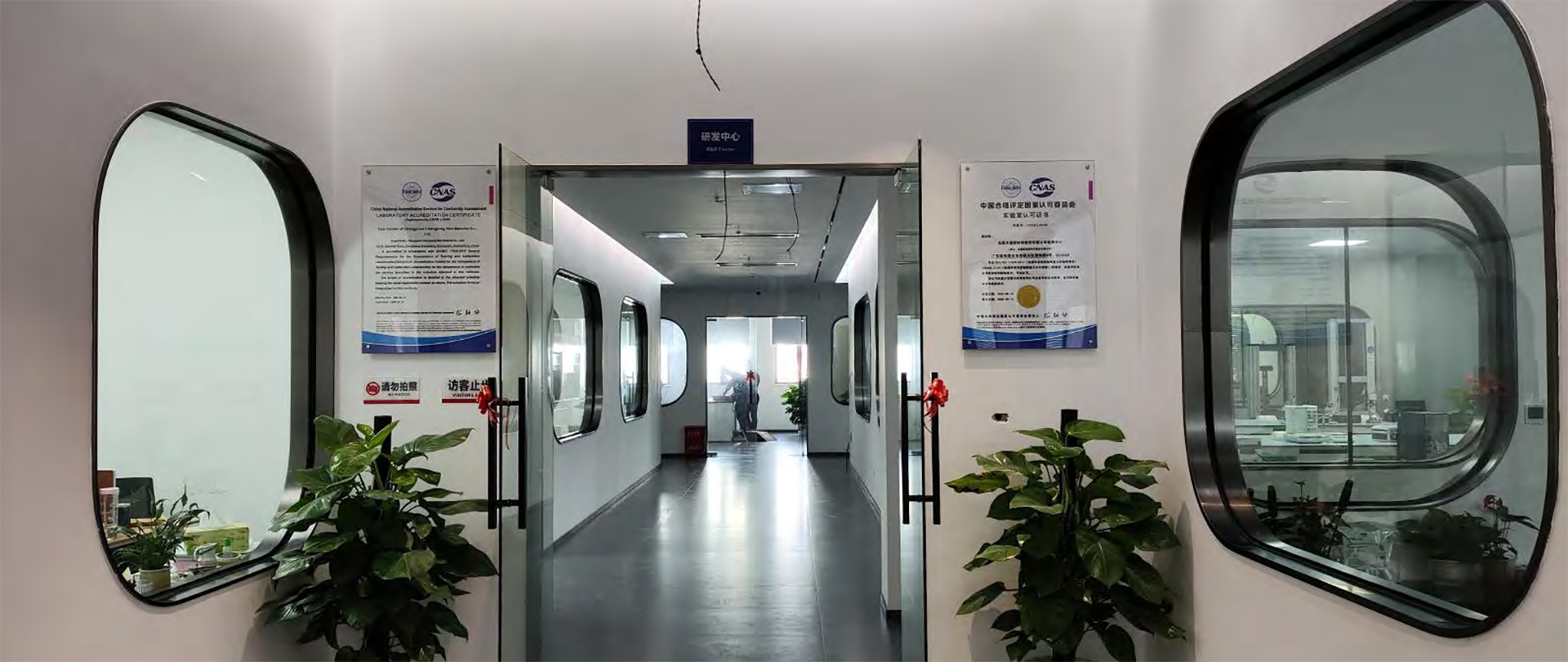
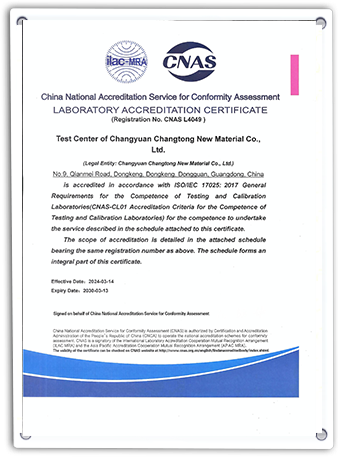
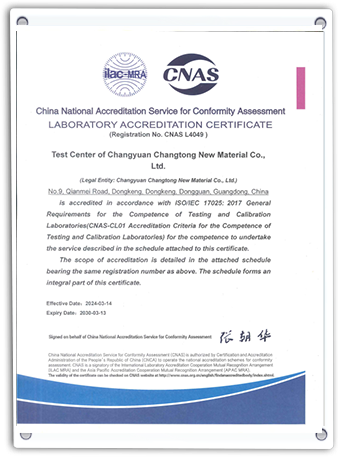
CNAS Accredited Lab
CYCT owns leading testing and R&D capabilities, a professional R&D team, and a national CNAS-accredited laboratory. The company has become a stable supplier of field joint coating for years in PetroChina, Sinopec, PipeChina and local pipelines and holds a high market share. Furthermore, CYCT has successfully developed and introduced a number of specialty corrosion protection materials such as visco-elastic anticorrosion materials, special photo-curing sleeves for HDD protection and polyurea coatings.
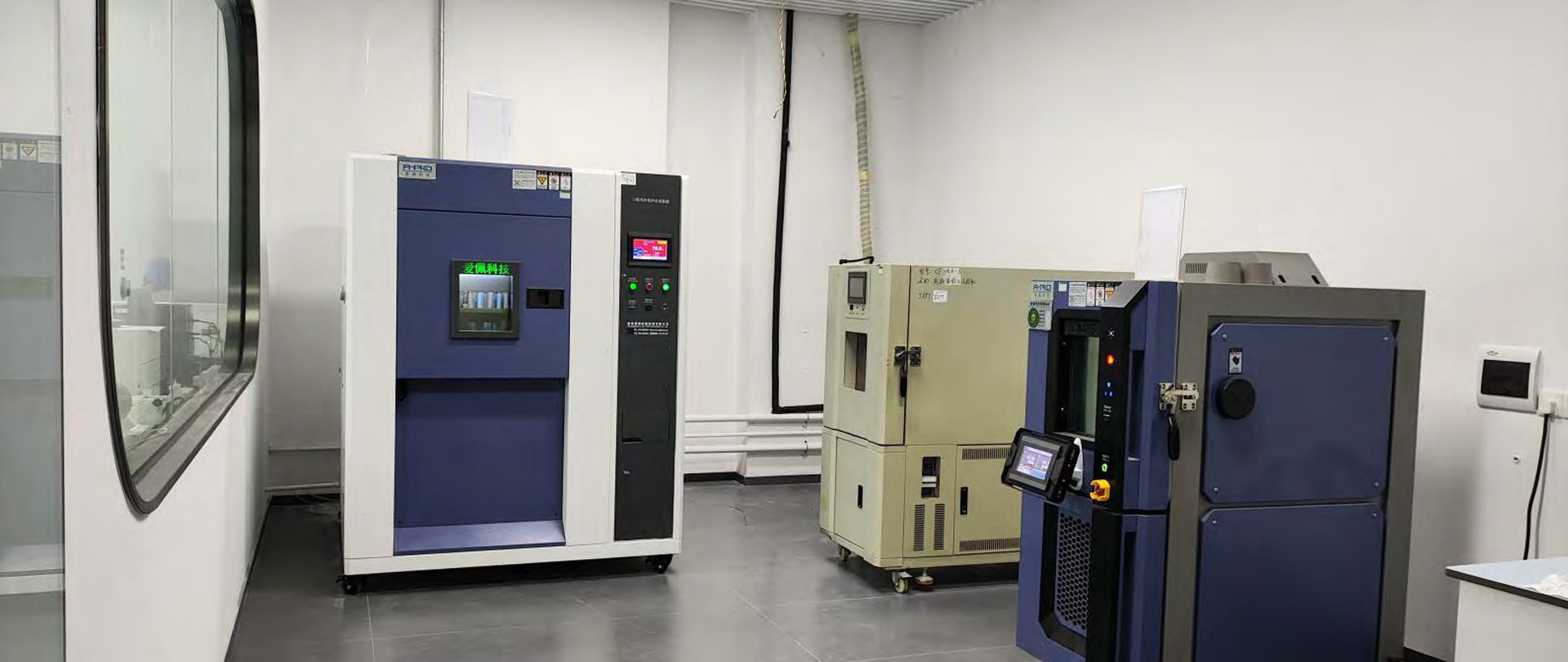
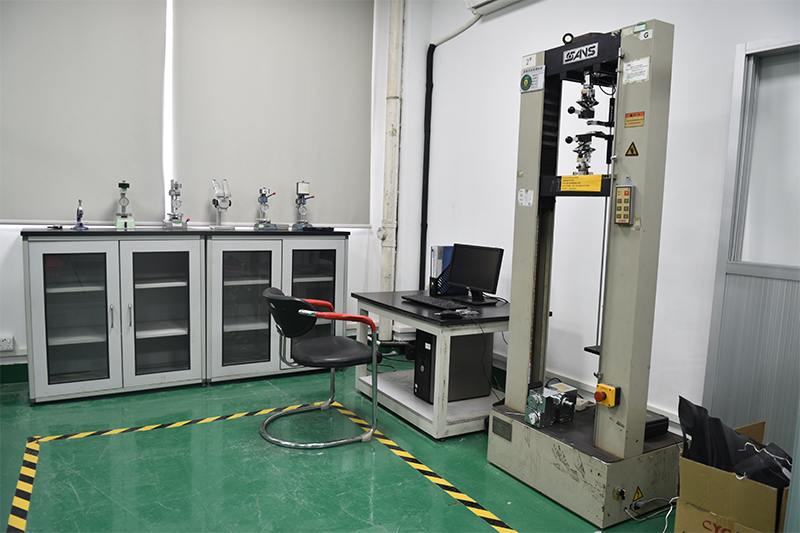
Research Equipment
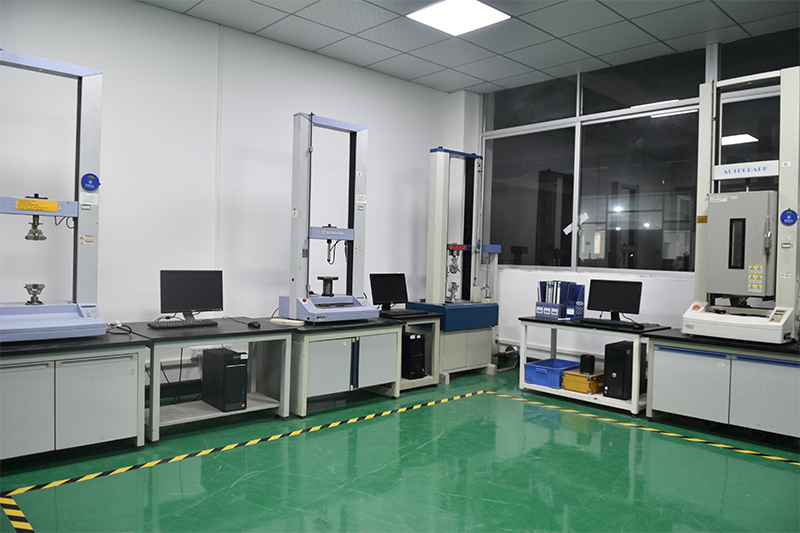
Precision Measurement
Thermal Aging Chamber
Mechanical Testing
By good cooperation with leading R&D institutes such as CNPC Pipeline Science Research Institute, CYCT is capable to provide in-service pipelines with varied technical services such as buried pipeline detection, design schemes, cathodic protection, rehabilitation projects and integrated solutions for the safety protection of pipelines.
Warehouse Logistics
Coating Workshop
Raw Material Silos
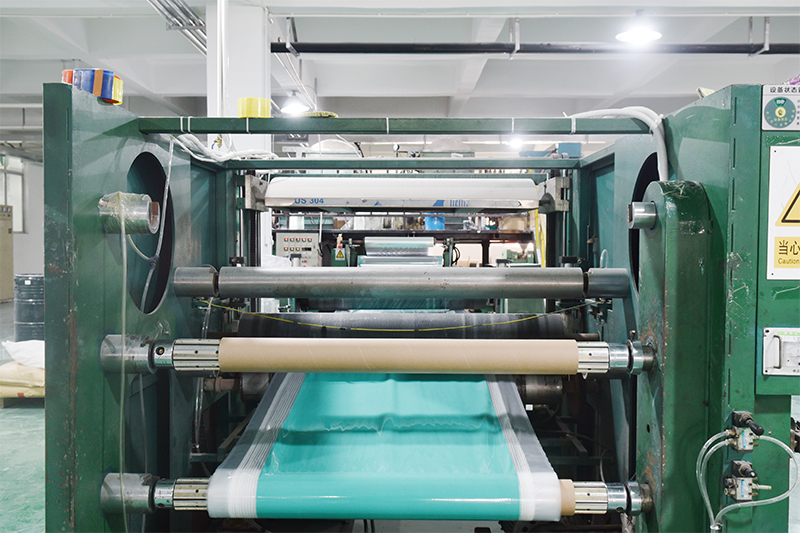
Extrusion Process
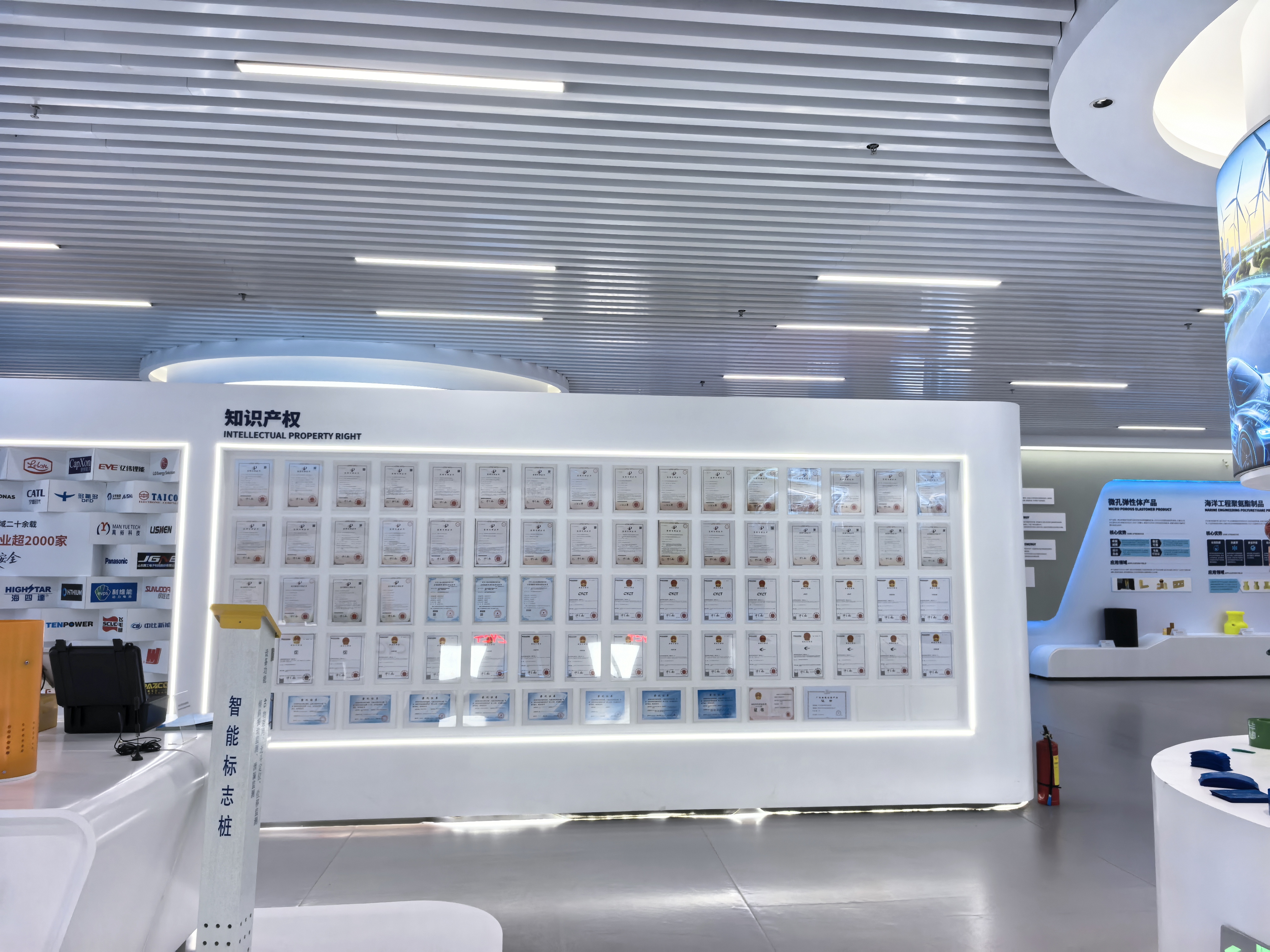
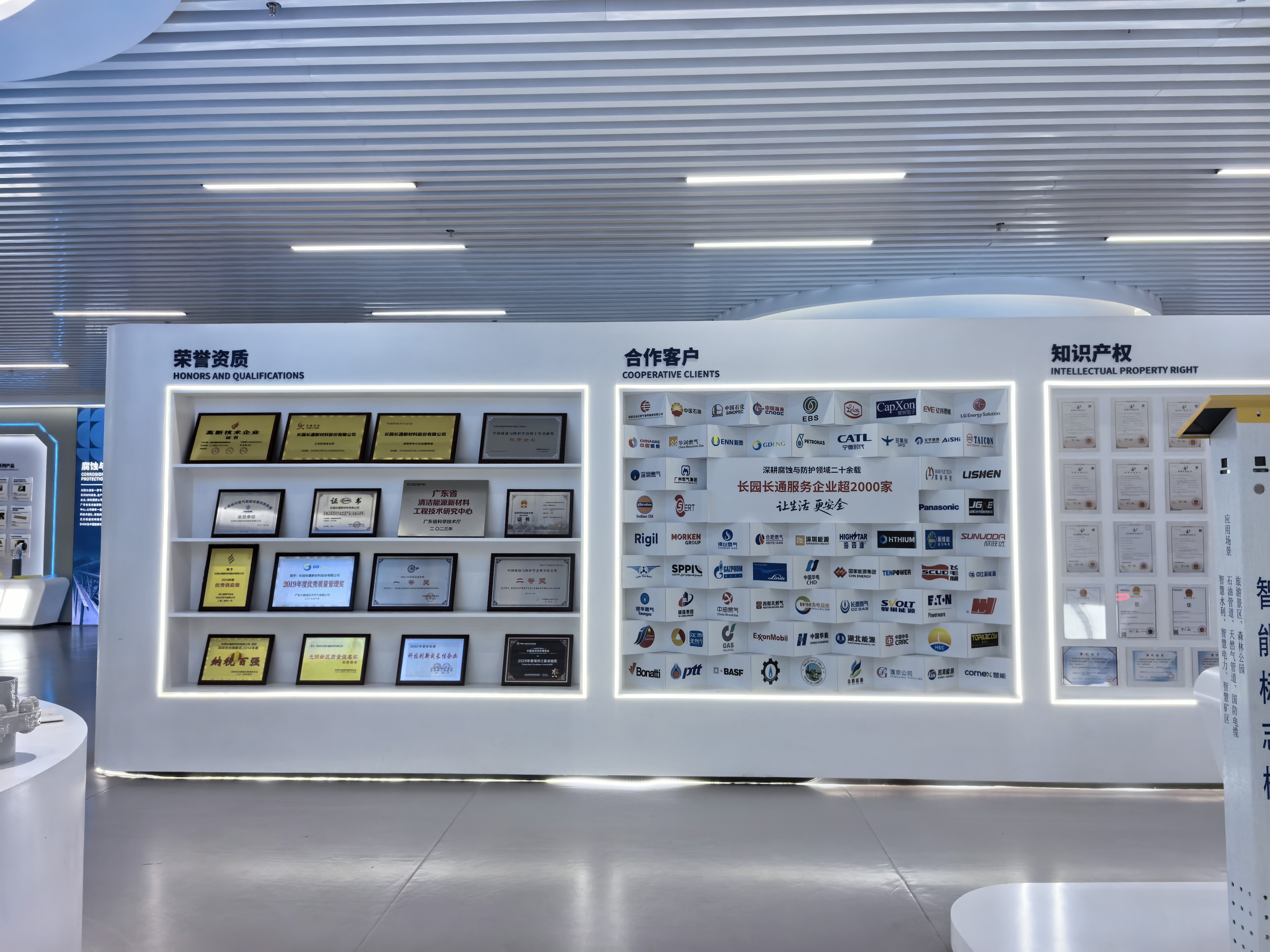
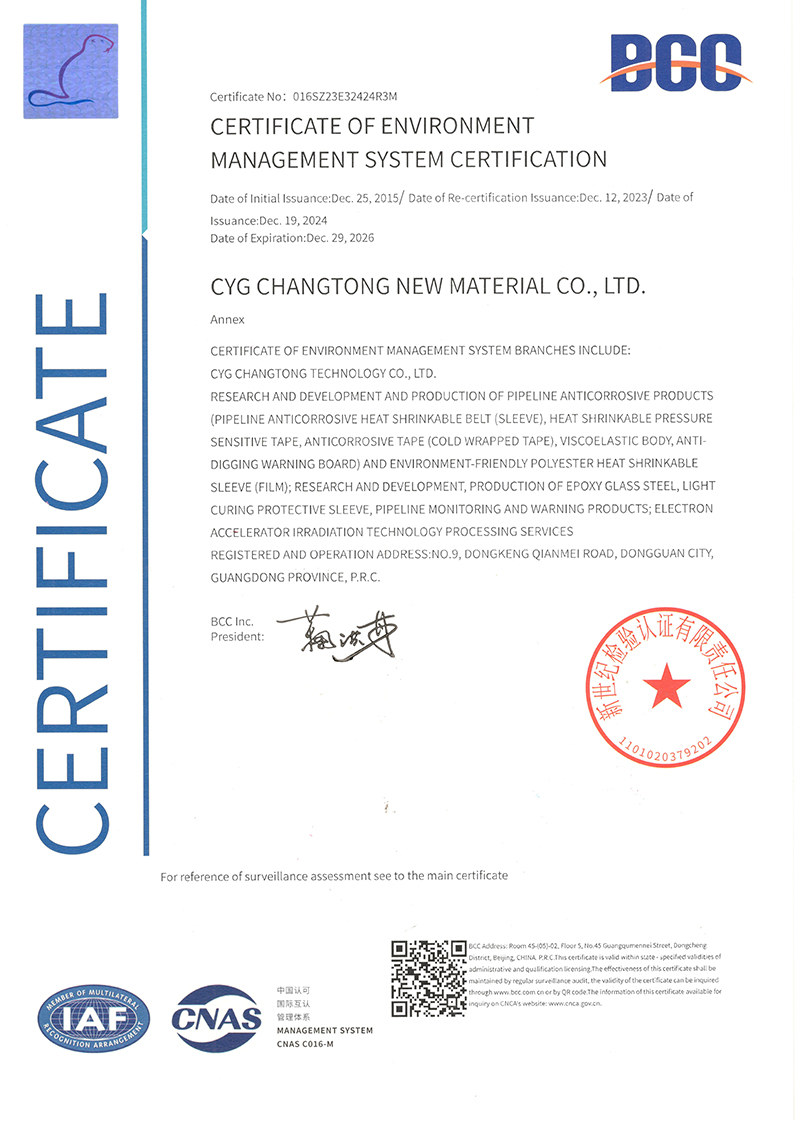
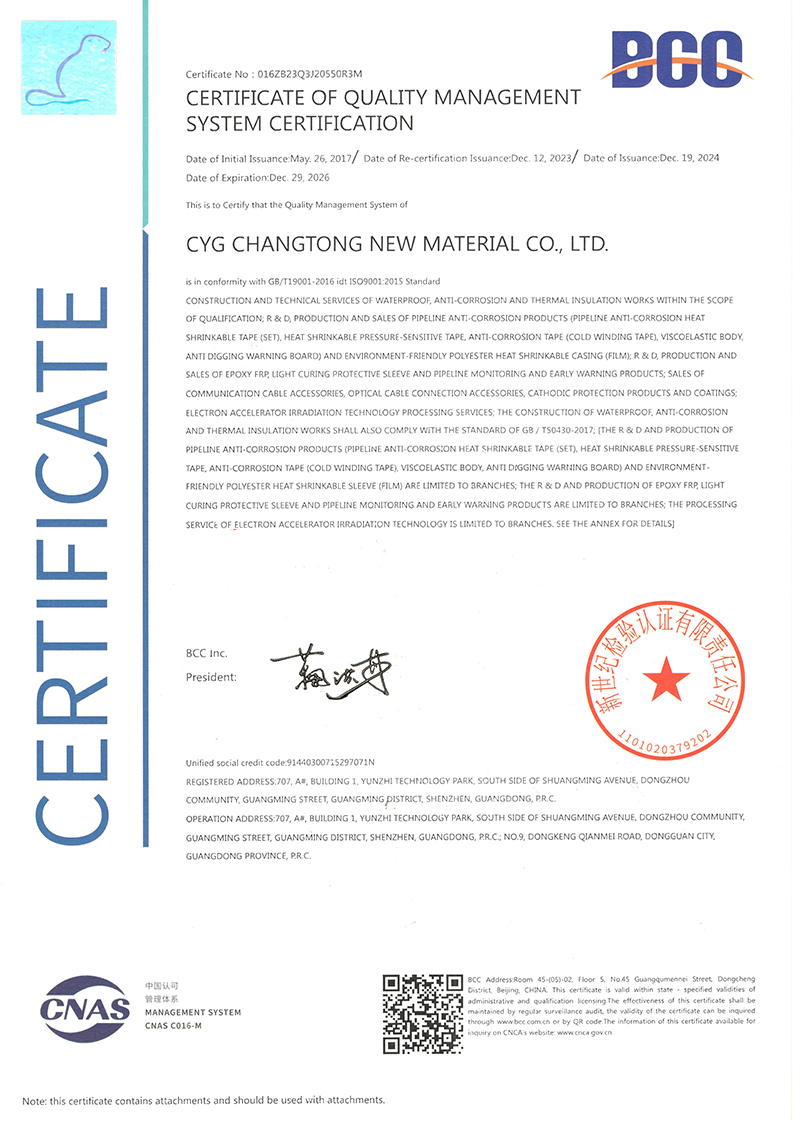
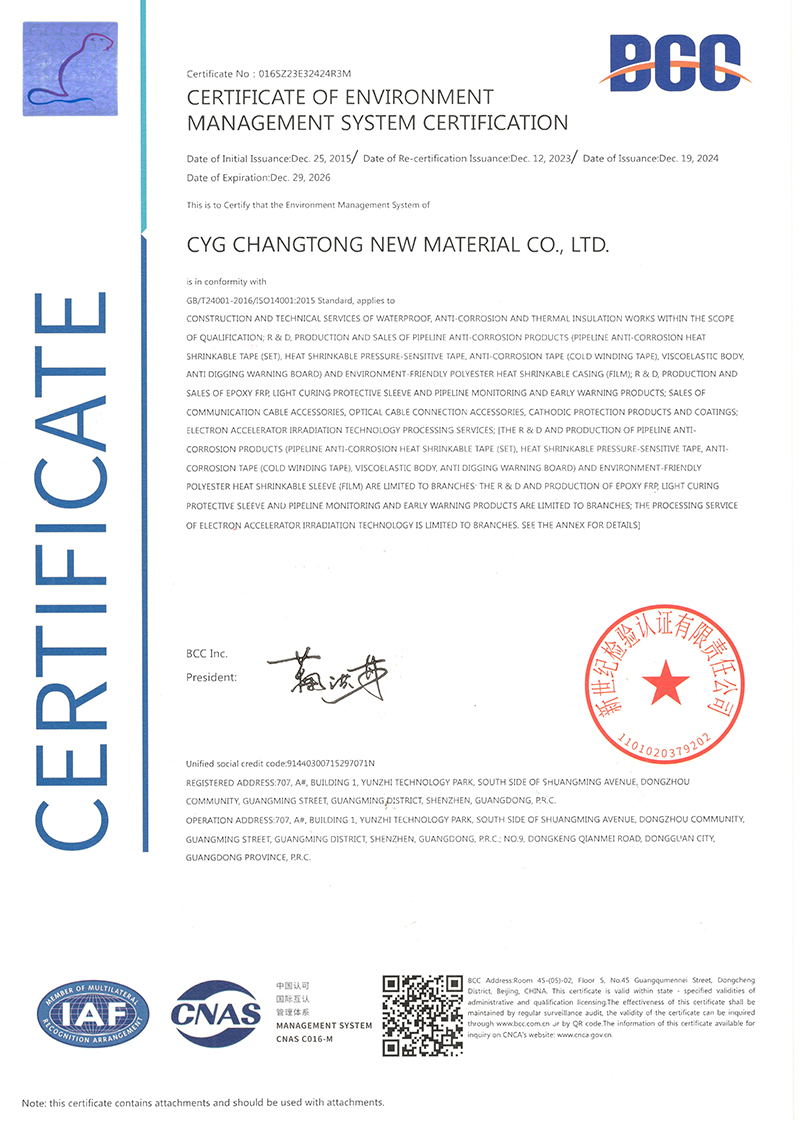
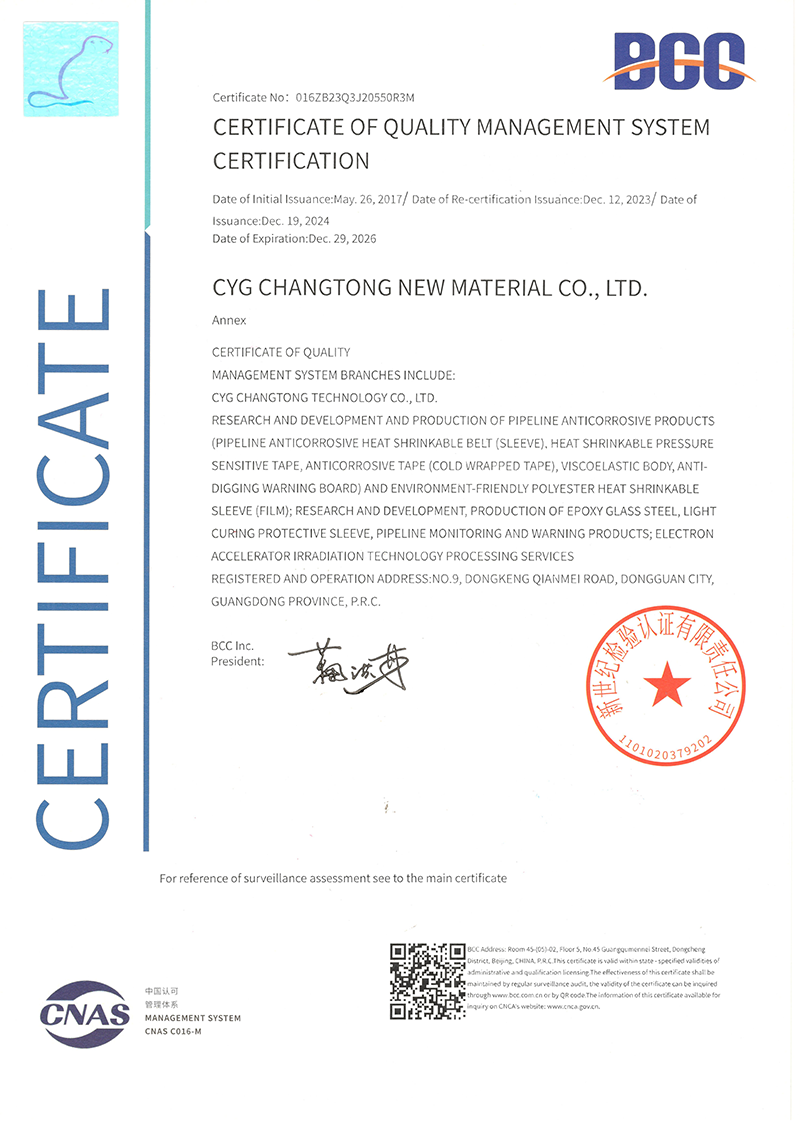
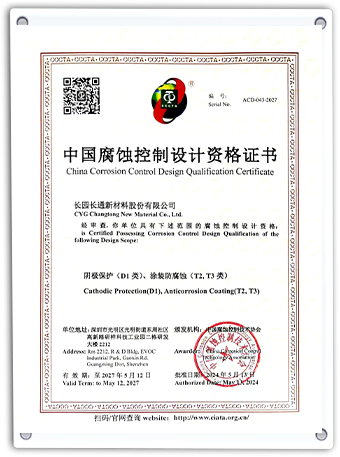
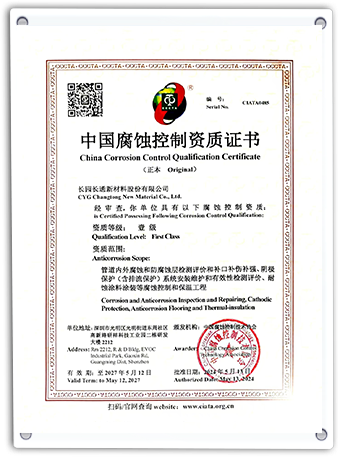
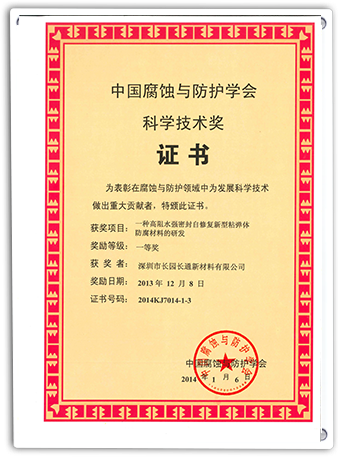
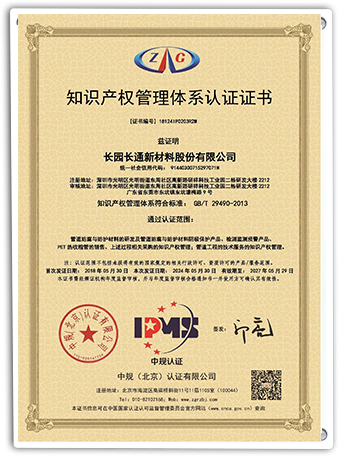
Member of Council in Chinese Society for Corrosion and Protection (CSCP), Qualification Certificate of Corrosion Protection Construction, Qualification Certificate of Pipeline Detection, Well-known Brand of Pipeline Corrosion Protection in China, Corporate Member of China Association of Petroleum Engineering Construction (CAPEC), State-Level High-Tech Enterprise with more than ten proprietary intellectual property rights. Stable supplier of PetroChina, Sinopec, China Gas Group, and supplier of Indian Oil.
Tailored engineering specifications designed to meet unique regional and geological requirements.
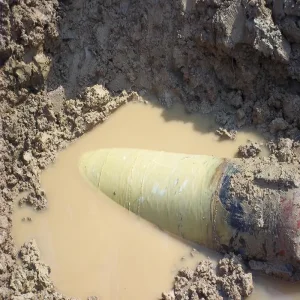
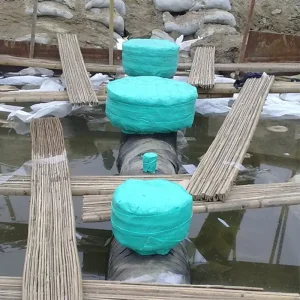
During Horizontal Directional Drilling under waterways, the pipe undergoes intense friction against rocky beds. The installation of fiberglass reinforced sleeves or heavy-duty PE outer wraps protects the underlying field joint from shearing off or scratching.
In desert oilfields, ambient soil temperatures can exceed 40°C, pushing continuous flow lines past 80°C. OEM PP and high-temperature PE tapes provide the high shear stability needed to prevent adhesive sagging and soil-stress failure under thermal expansion.
Salty coastal soils and brackish estuaries trigger accelerated corrosion. Viscoelastic self-healing coatings and cold-applied polymeric wraps offer continuous barrier isolation, resisting saltwater moisture migration and sustaining cathodic protection.
In-depth insights regarding quality verification, installation practices, and heat shrink materials specifications.
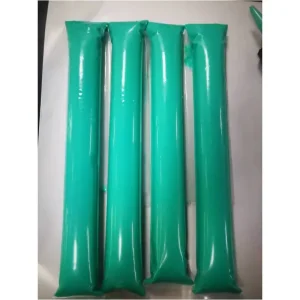
Explore our full range of specialty viscoelastic putties, hot melt repair sticks, and pipeline sleeves.
 CYCT
CYCT