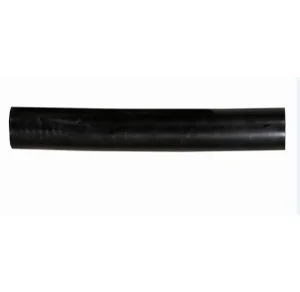
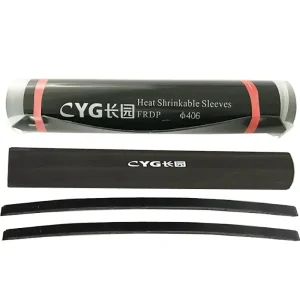
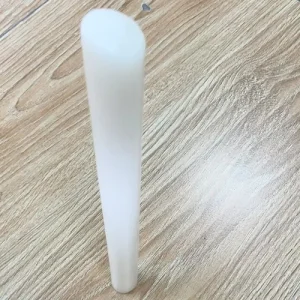
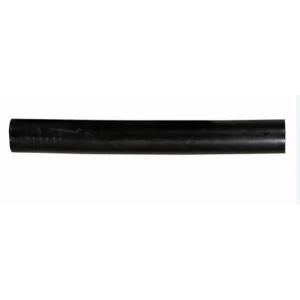
In contemporary industrial infrastructure, maintaining absolute hermetic seals across cable splices, pipeline field joints, and connector interfaces is paramount. Glue Lined Heat Shrink Tubing (commonly defined as dual-wall heat shrink tubing) represents a critical evolutionary leap from standard single-wall tubing. Standard tubing relies entirely on mechanical friction and elastic recovery to provide dust and minor moisture resistance. In contrast, glue-lined tubing integrates a co-extruded inner adhesive layer that melts and flows under heat, forming a high-integrity, moisture-proof barrier.
This dual-wall architecture consists of a cross-linked polyolefin outer jacket and an inner layer of specially formulated thermoplastic adhesive. During the recovery process, when temperatures exceed the crystalline melting point of the polyolefin jacket, the outer sleeve shrinks radially. Simultaneously, the inner adhesive layer liquefies, filling all surface micro-irregularities, voids, and interstitial channels of the substrate underneath. The resulting composite barrier provides long-term mechanical strain relief and electrochemical insulation.
"By transitioning to high-viscosity polyamide and copolymer hot melts, modern factories achieve shear strength metrics exceeding 12 MPa, effectively neutralizing risk factors associated with pipeline cathodic disbondment and chemical attack."
The reliability of OEM glue lined heat shrink tubing is governed by raw polymer parameters, structural design, and cross-linking indices. Key metrics for industrial qualification include:
Enables the sleeve to pass over bulky connectors and irregular geometries before shrinking tightly onto smaller cable jackets or pipe diameters, minimizing inventory complexity.
Essential for buried pipelines under cathodic protection. Advanced adhesives resist chemical degradation caused by electrical currents, maintaining adhesion up to 85°C.
Meticulously tuned hot-melt formulation ensuring rapid liquefaction under gas torches or infrared heaters without excessive run-out, creating clean, uniform edge seals.
The global transition toward high-density utility networks, deepwater offshore hydrocarbon recovery, and renewable energy arrays requires reliable sealing solutions.
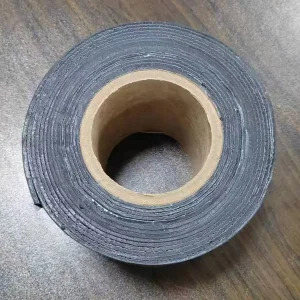
In the global energy landscape, pipeline integrity management is crucial. Pipeline joint corrosion protection accounts for billions of dollars in annual maintenance. The selection of field joint coatings (FJC) directly determines the lifecycle of transmission networks. Glue-lined heat shrinkable sleeves and tubes provide a barrier against soil stress, moisture, and chemical attack.
In offshore wind energy, subsea power transmission cables are subjected to hydrostatic pressure, salinity, and dynamic wave action. In these applications, dual-wall polyolefin tubing serves as the primary environmental seal for splice boxes and transition joints. By preventing seawater migration along the conductor strands, it protects multi-million-dollar offshore infrastructure.
How engineers utilize dual-wall heat shrink tubing to solve localized environmental and mechanical challenges across different regions.
Offshore field joints require coatings that can withstand laying stresses (S-lay and J-lay) and long-term seawater immersion. High-shear hot-melt adhesive-lined PP or PE shrinkable sleeves provide an alternative to liquid coatings, offering fast curing times and resistance to cathodic disbondment.
In northern regions, pipelines experience soil movement and thermal contraction. Standard adhesives can become brittle and crack under these conditions. CYCT formulations are engineered to maintain low-temperature flexibility down to -40°C, preventing adhesion loss.
Buried insulated pipes carry steam and hot water beneath metropolitan centers. Glue-lined joints must block water ingress from the surrounding soil while resisting continuous temperatures of up to 120°C, protecting the polyurethane insulation layer.
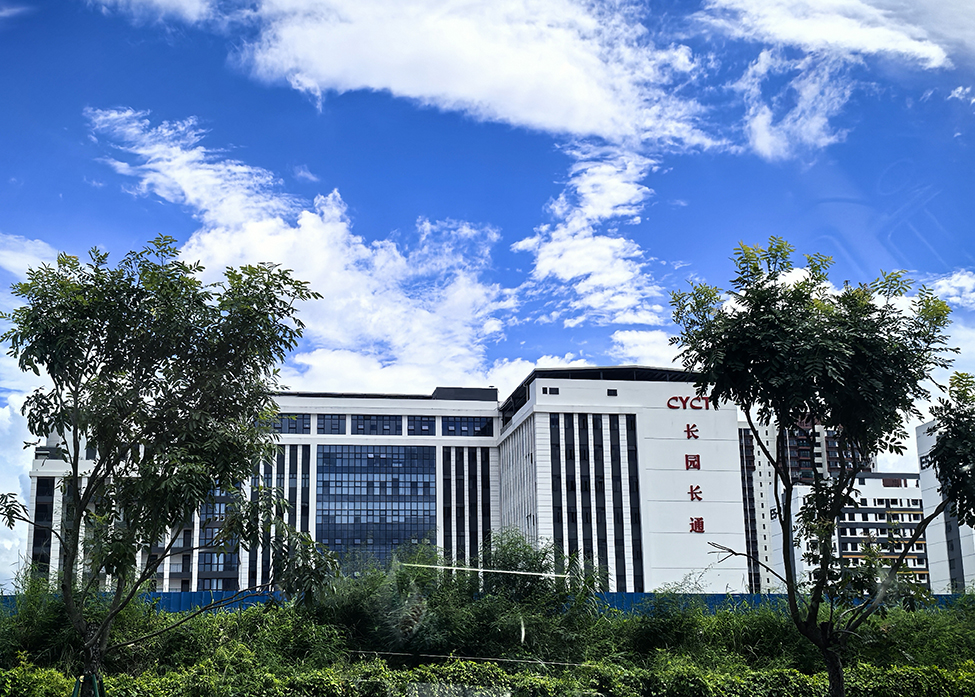
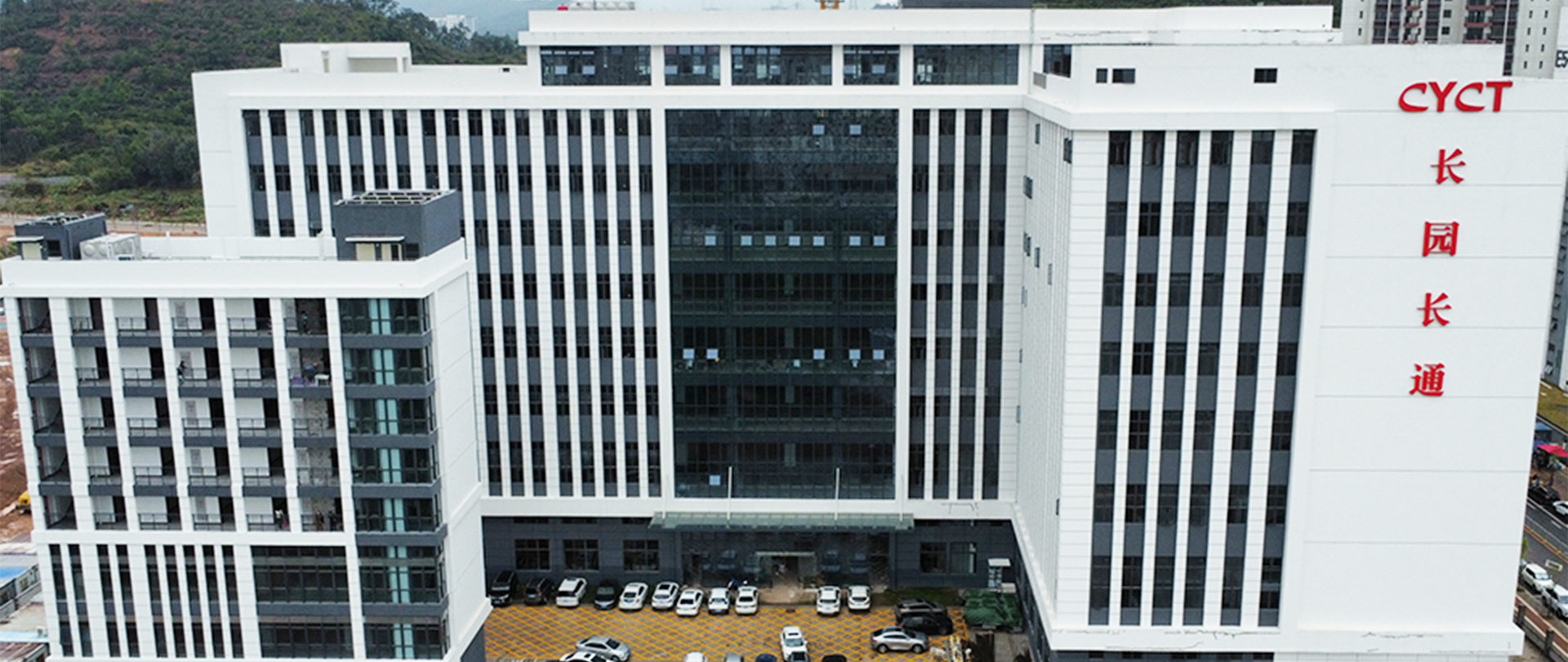
CYCT New Materials Company Limited (for short, CYCT) is a state-level high-tech enterprise integrating R&D, production and sales of pipeline corrosion protection materials as well as buried pipeline detection service and pipeline coating field application service into one. CYCT devotes itself to R&D, production and sales of pipeline corrosion protection materials for decades.
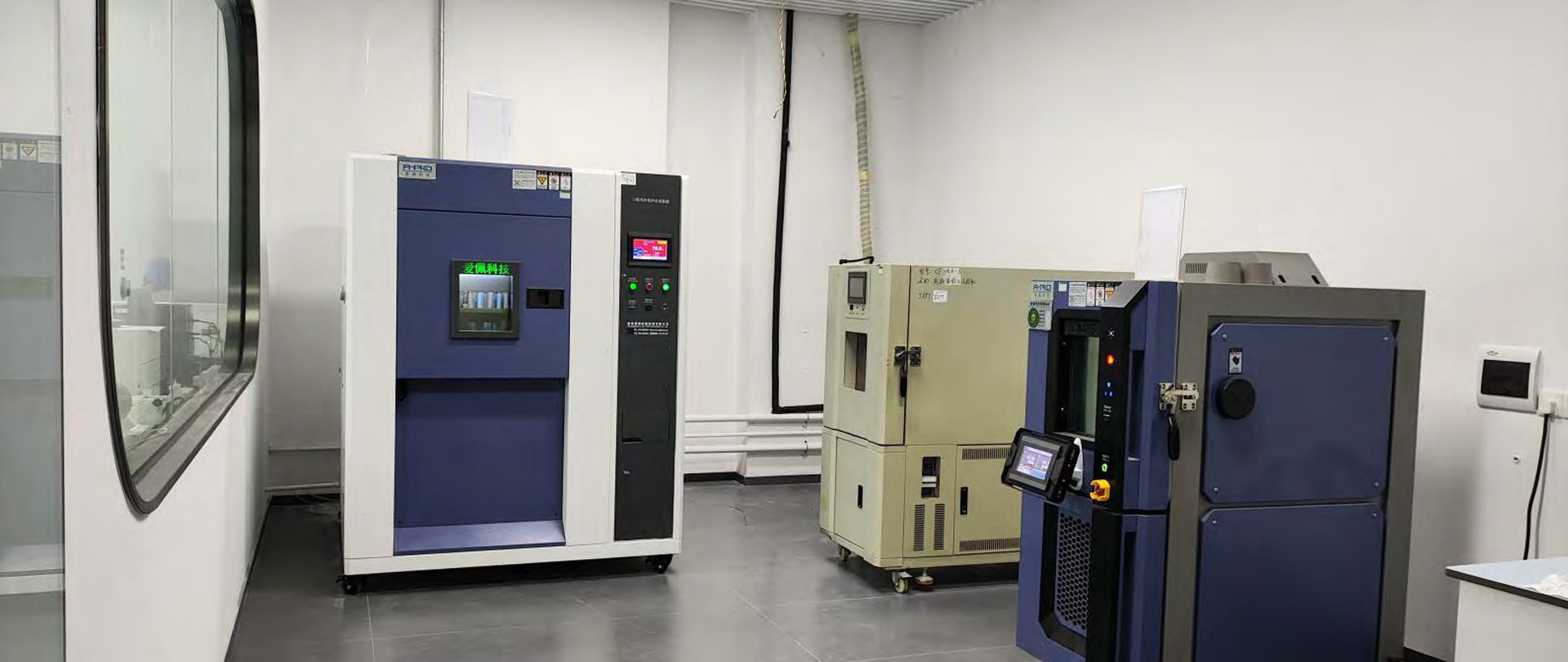
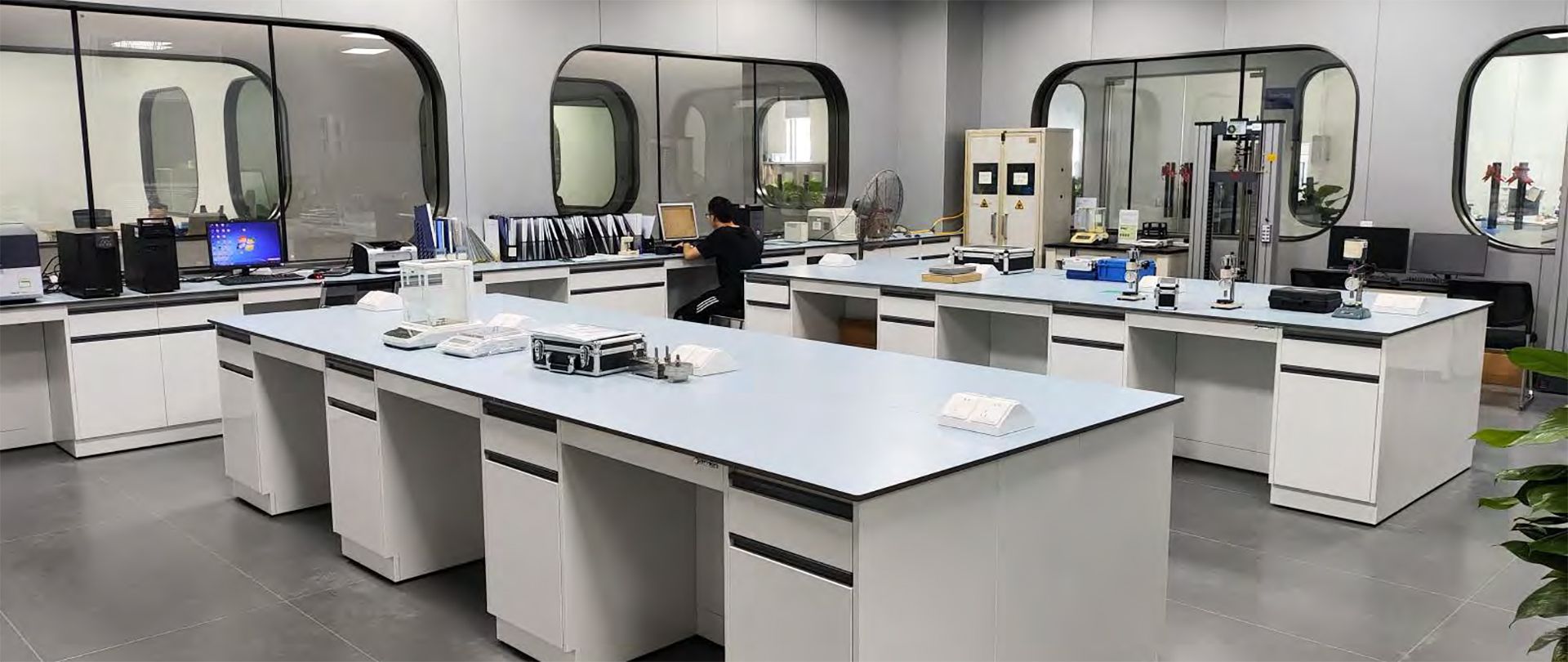
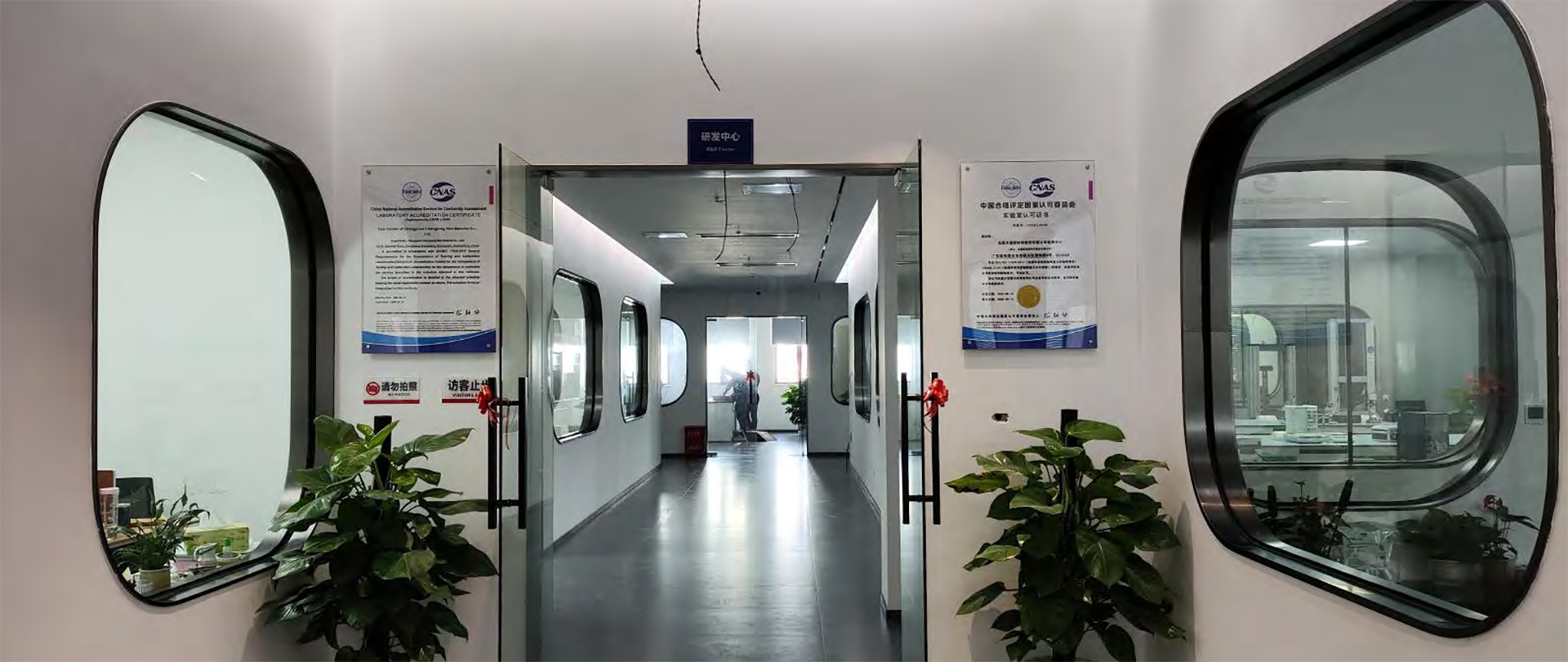
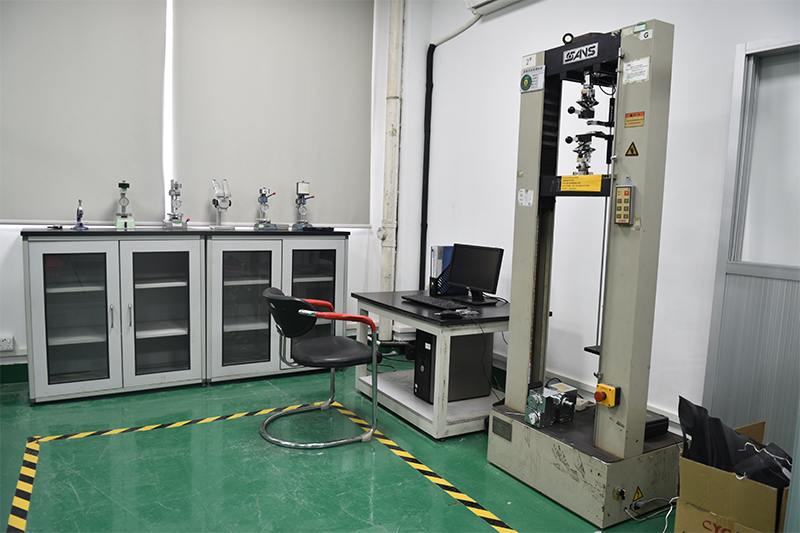
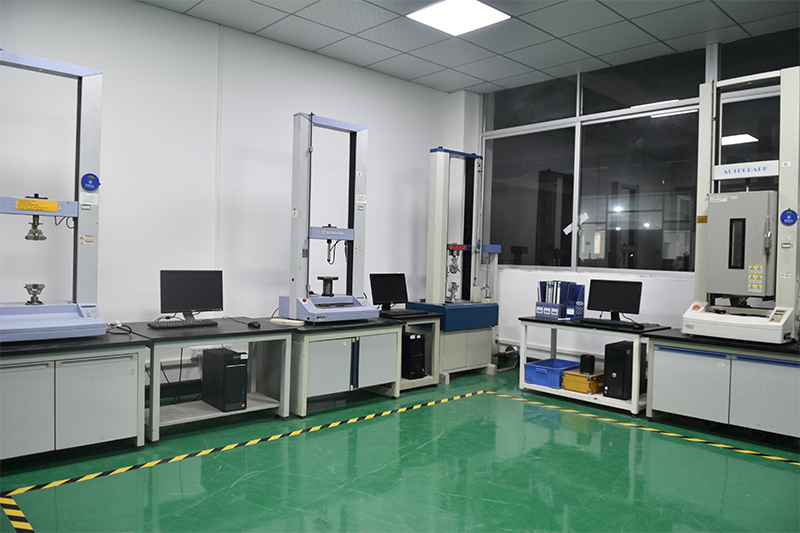
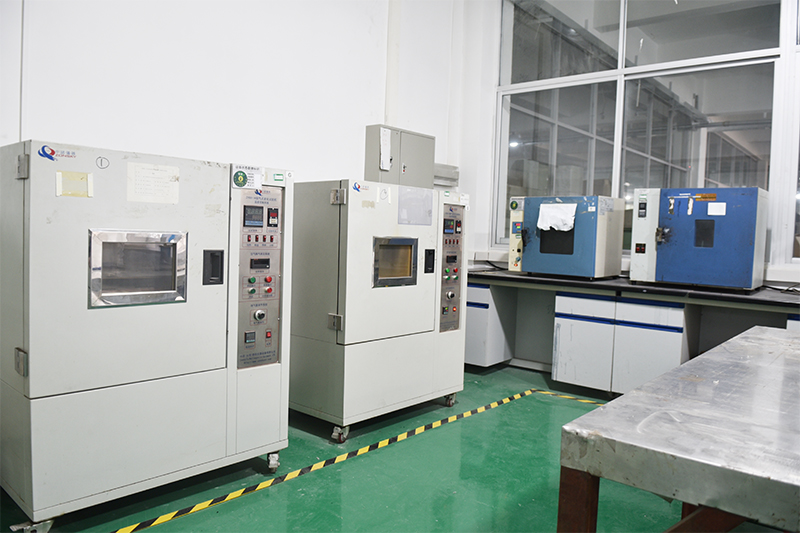
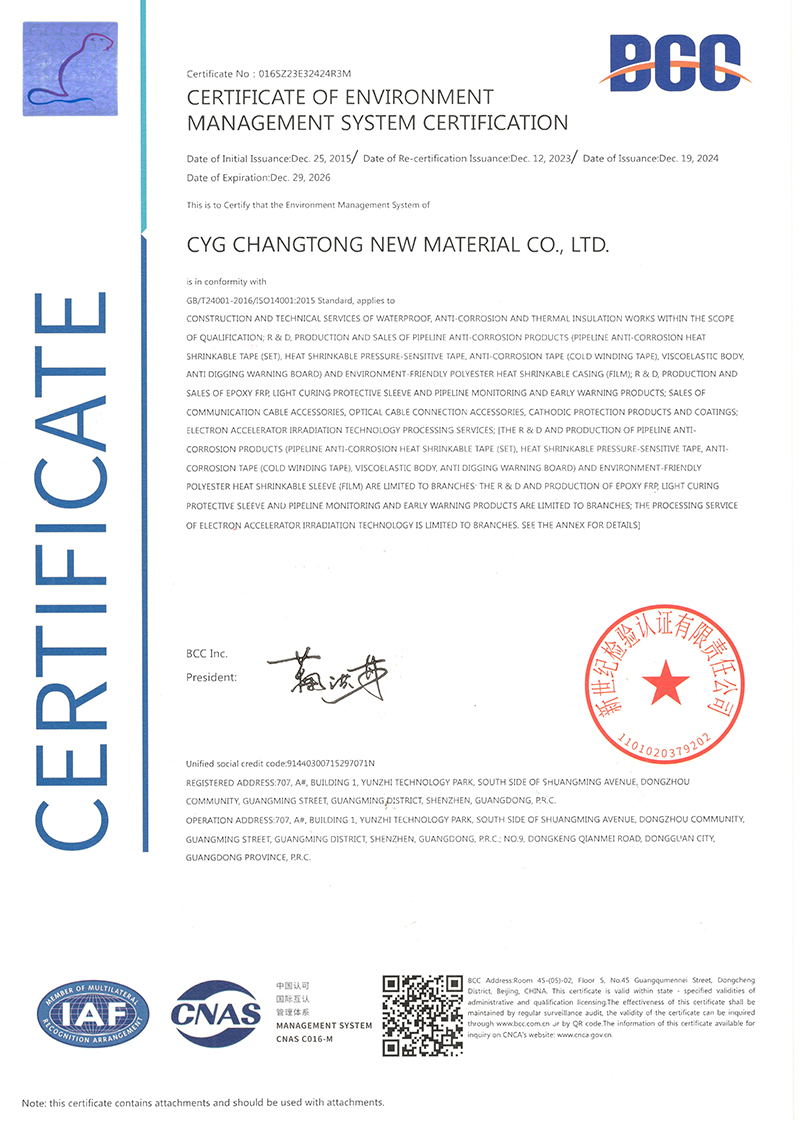
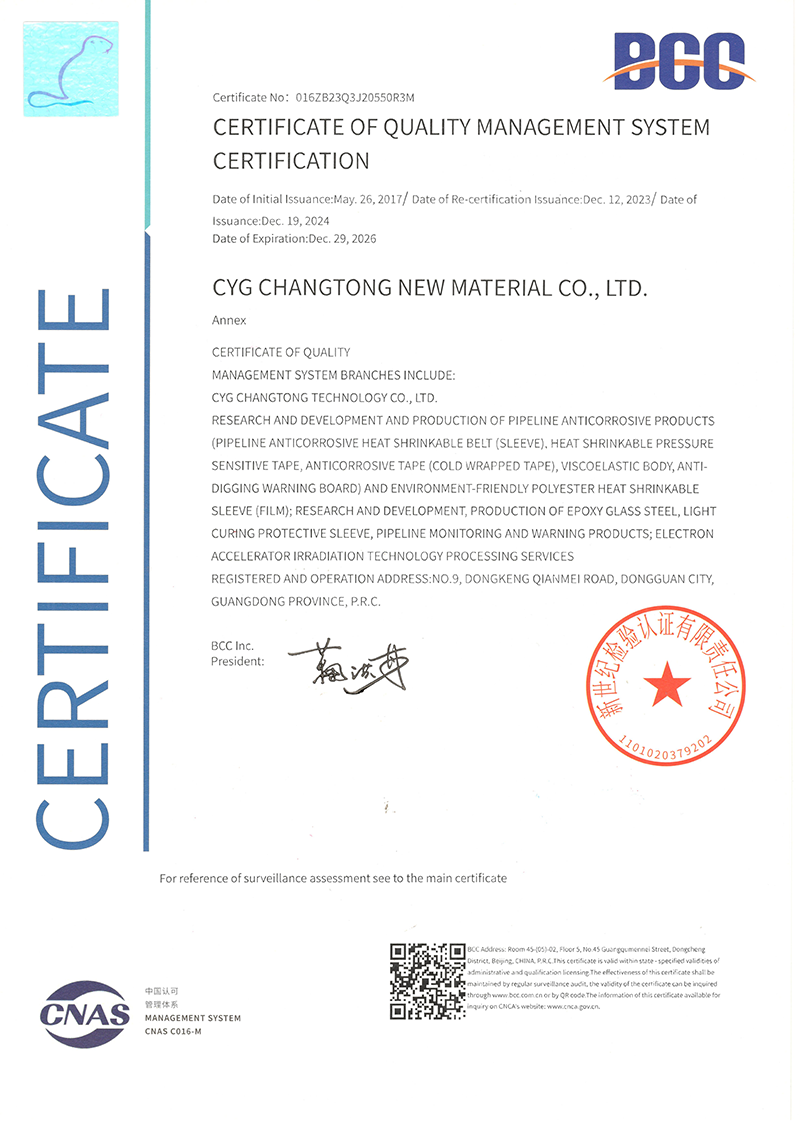
CYCT owns leading testing and R&D capabilities, a professional R&D team, and a national CNAS-accredited laboratory. CYCT has become a stable supplier of field joint coatings for years in PetroChina, Sinopec, PipeChina, and local pipeline projects, establishing a high market share. Furthermore, CYCT has developed and introduced a number of specialty corrosion protection materials, such as visco-elastic anticorrosion materials, special photo-curing sleeves for HDD protection, and polyurea coatings.
By good cooperation with leading R&D institutes such as CNPC Pipeline Science Research Institute, CYCT is capable of providing in-service pipelines with varied technical services, including buried pipeline detection, design schemes, cathodic protection, rehabilitation projects, and integrated solutions for pipeline safety.
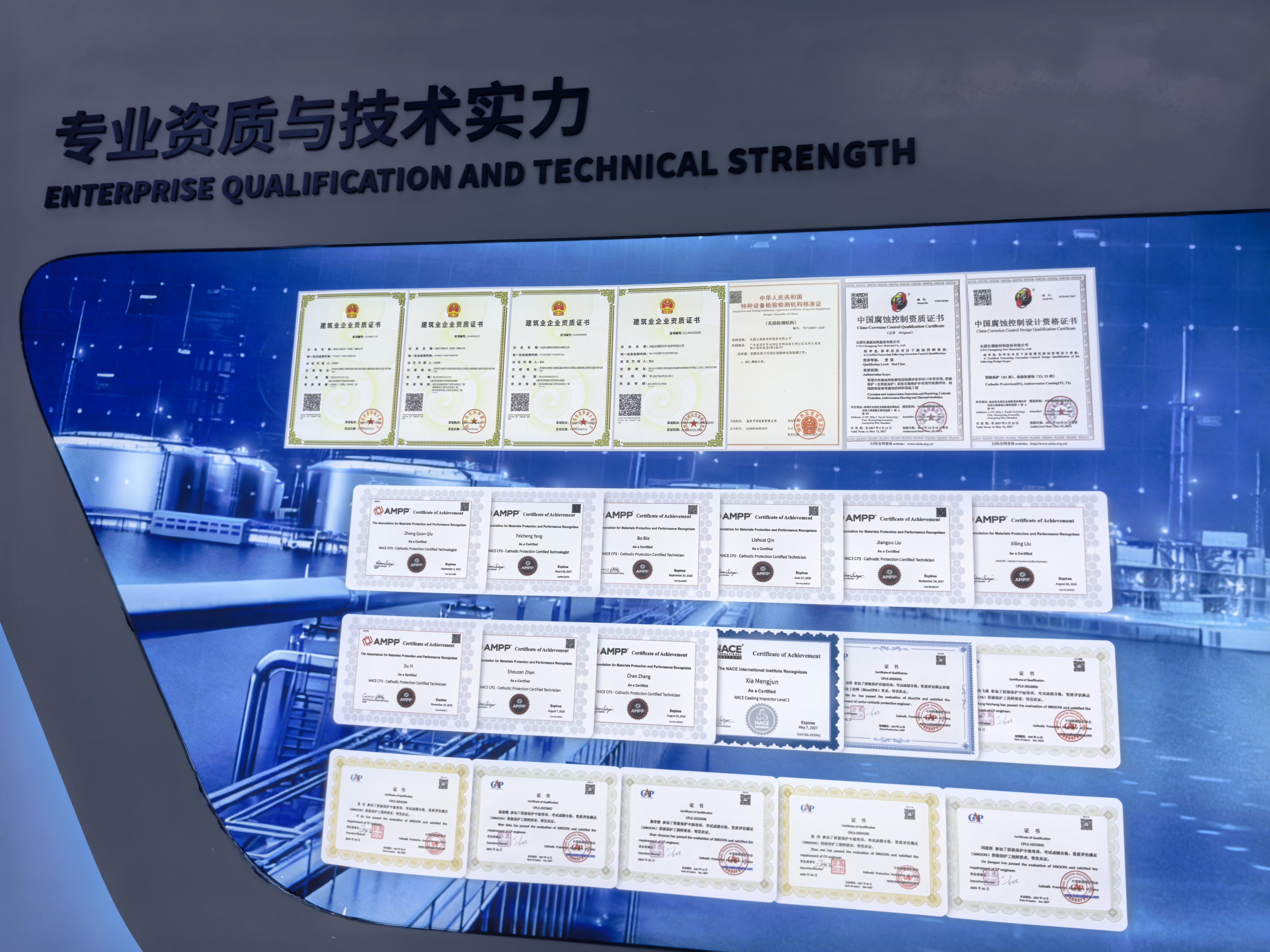
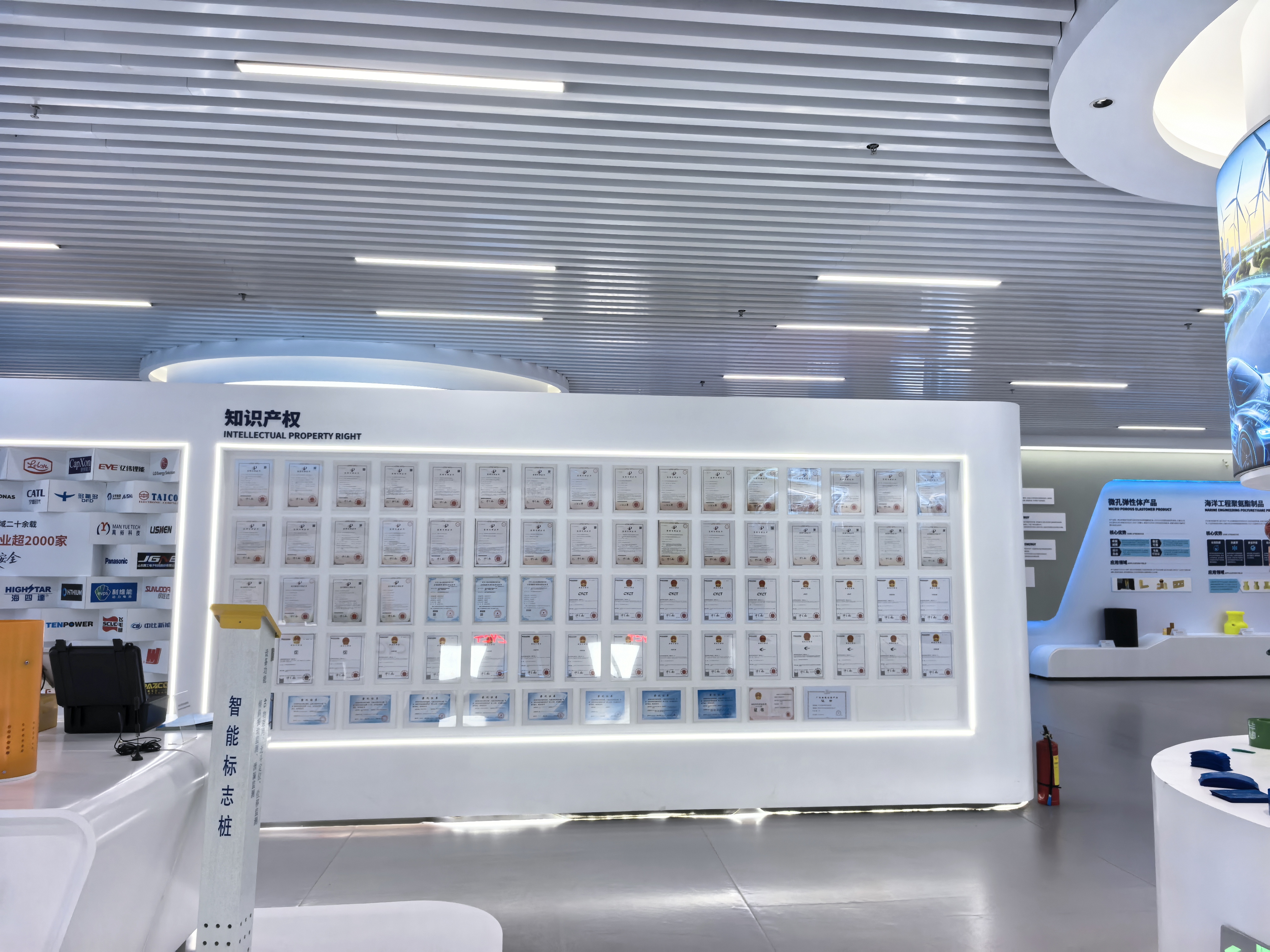
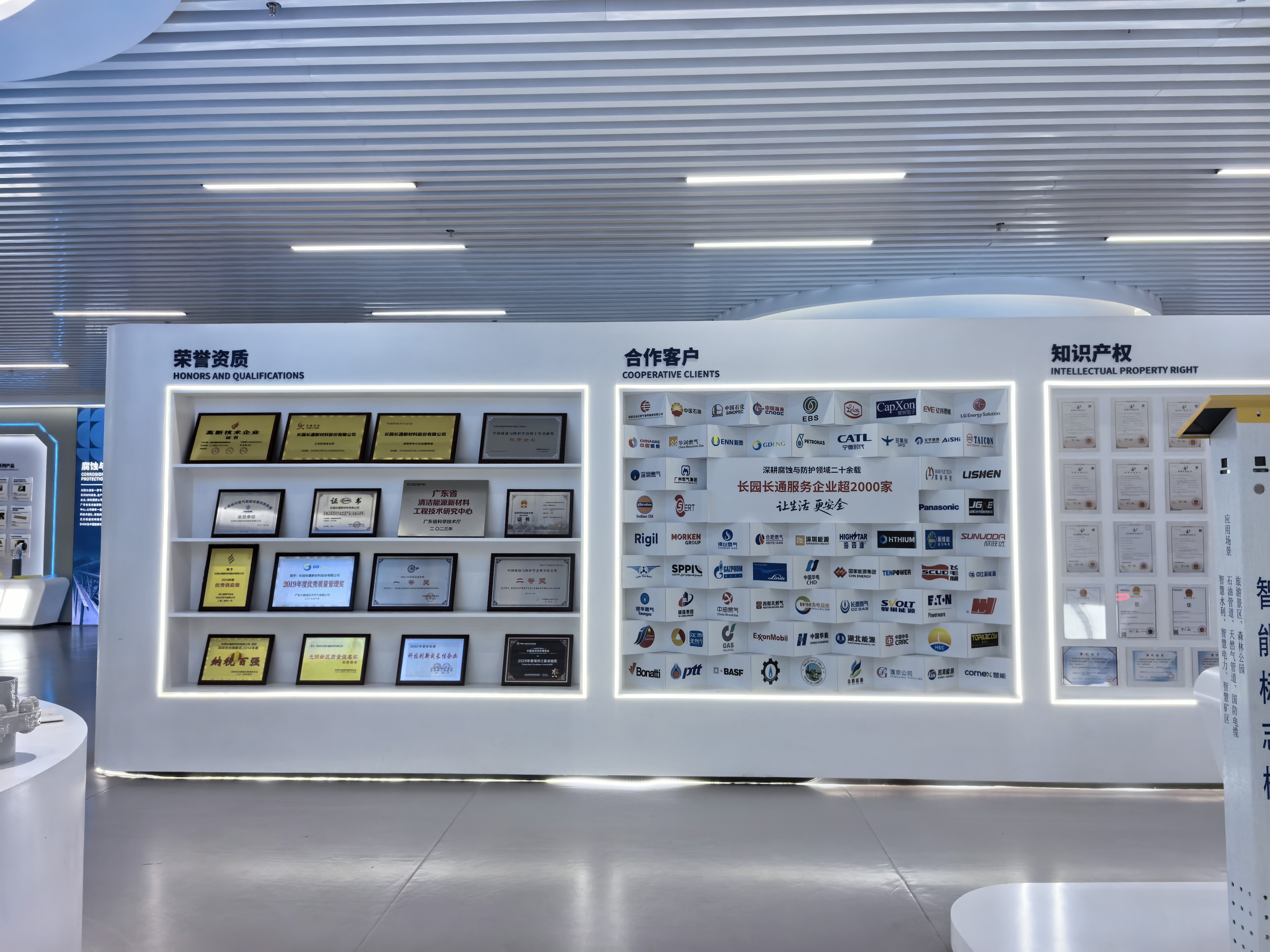
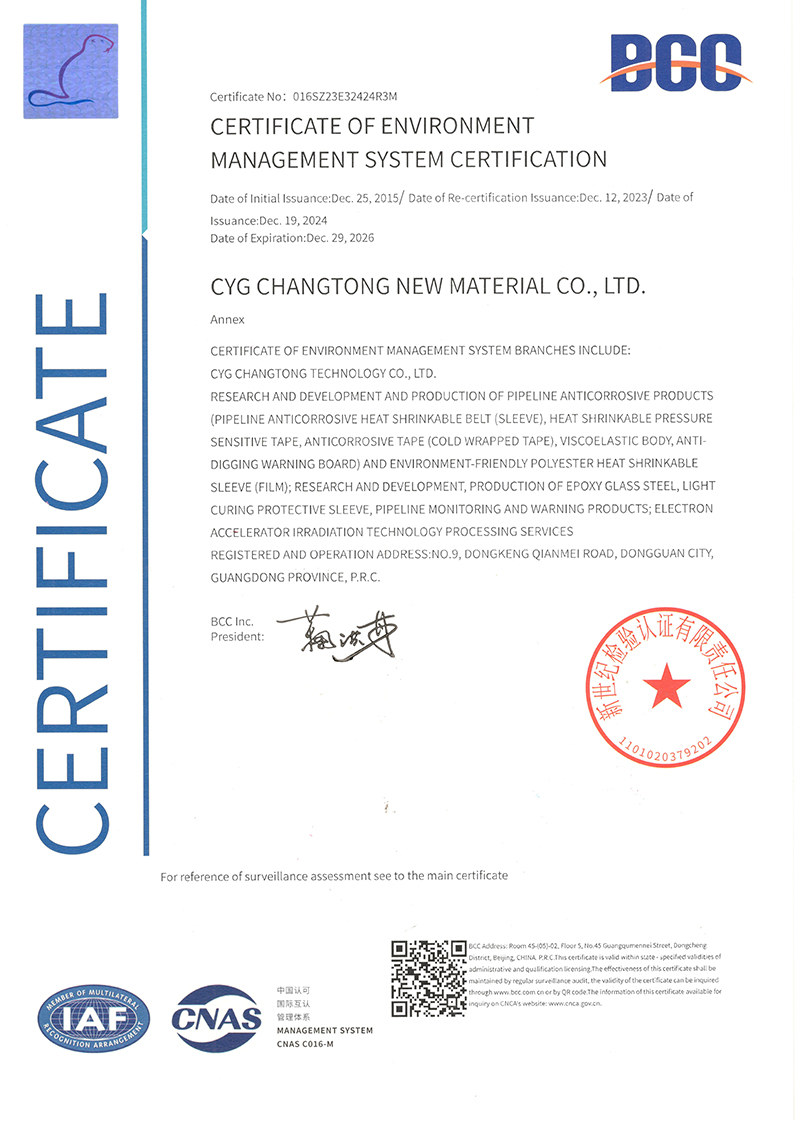
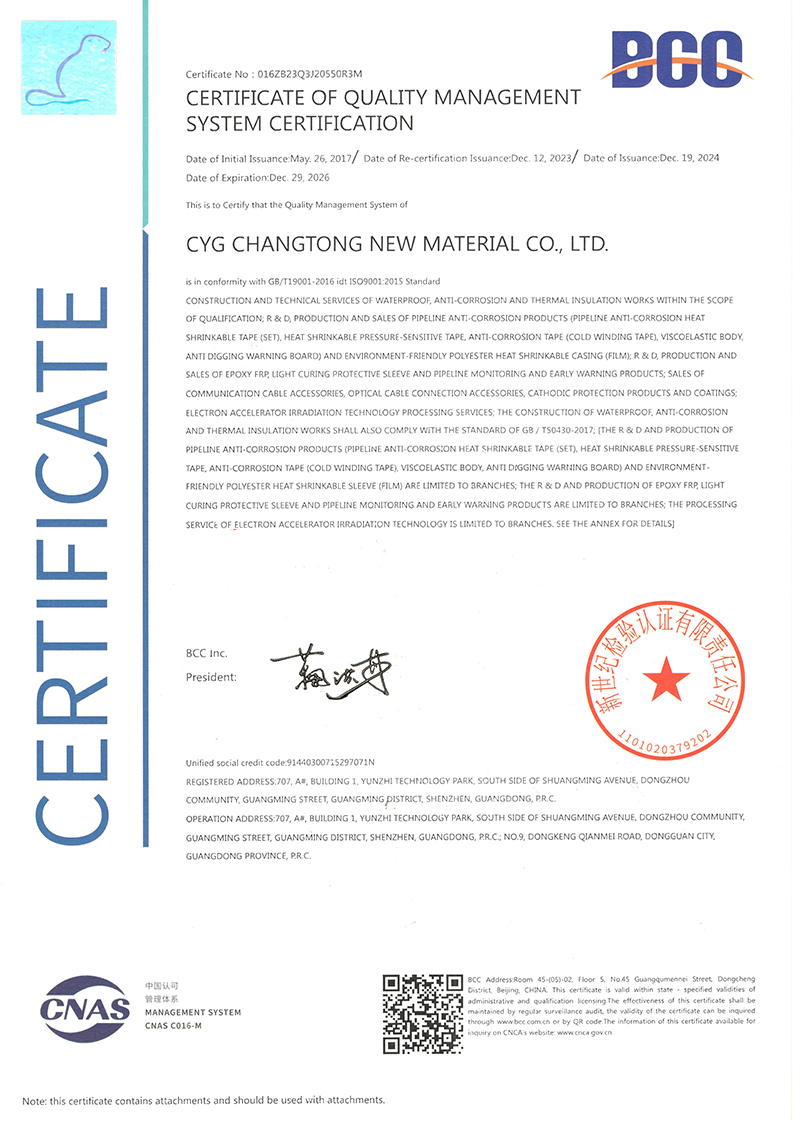
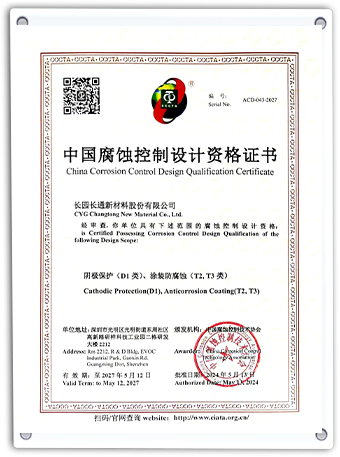
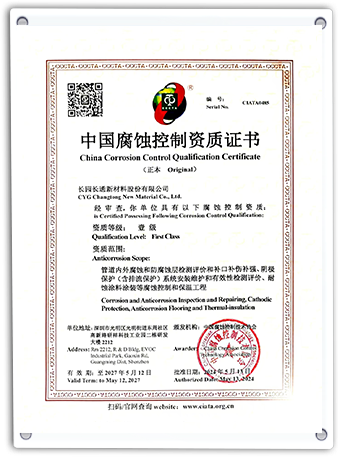
Member of Council in Chinese Society for Corrosion and Protection (CSCP), Qualification Certificate of Corrosion Protection Construction, Qualification Certificate of Pipeline Detection, Well-known Brand of Pipeline Corrosion Protection in China, Corporate Member of China Association of Petroleum Engineering Construction (CAPEC), State-Level High-Tech Enterprise with more than ten proprietary intellectual property rights. Stable supplier of PetroChina, Sinopec, China Gas Group, and Indian Oil.
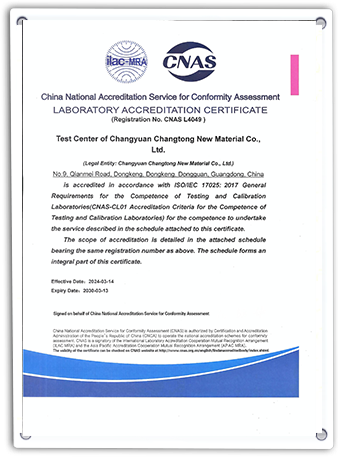
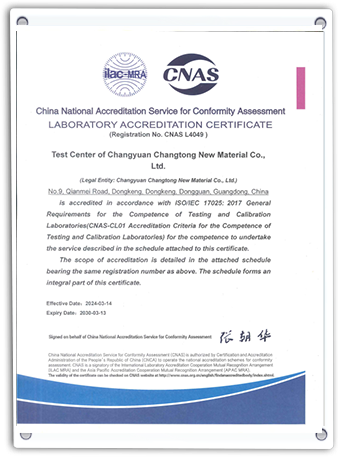
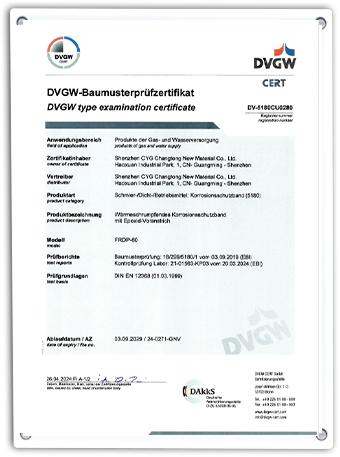
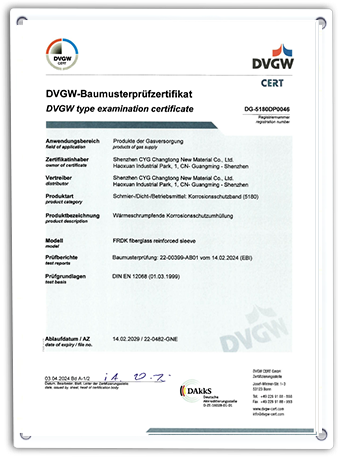
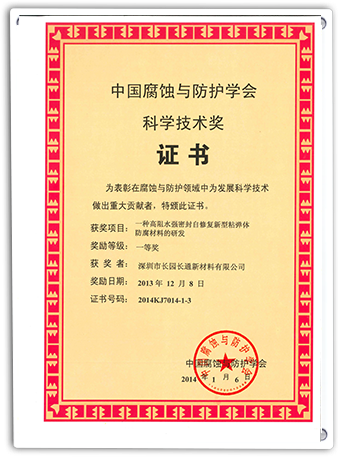
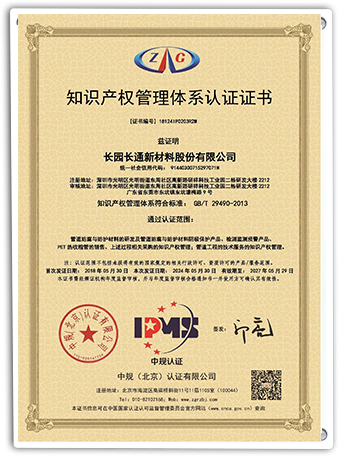
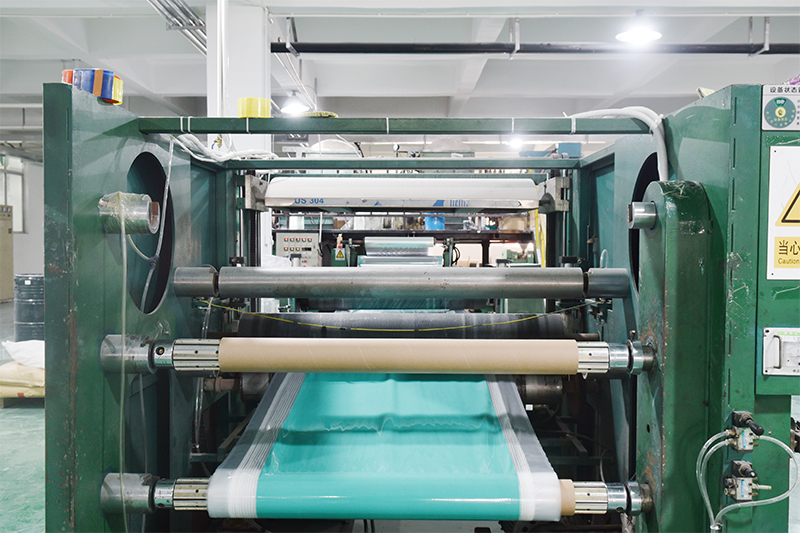
CYCT operates a vertically integrated production ecosystem. By controlling raw monomer compounding, radiation cross-linking, adhesive synthesis, and co-extrusion in a single facility, we reduce processing overhead and eliminate external quality variances.
Our supply chain utilizes automated raw material dosing, computerized extrusion, and online laser thickness monitoring. This control loop ensures consistent wall thicknesses and adhesive application across production runs, minimizing installation failures.
For global logistics, CYCT's long-standing agreements with major shipping lines and proximity to key ports facilitate reliable transit times. We maintain safety stocks of raw materials and standard product sizes to mitigate market volatility and lead-time risks.
CYCT's technical team collaborates with the CNPC Pipeline Science Research Institute to develop next-generation pipeline protection materials.
Integrating functionalized nano-clays into hot-melt matrices improves thermal stability, creep resistance, and limits moisture vapor transmission.
Developing micro-encapsulated corrosion inhibitors within the adhesive layer that release upon mechanical impact, providing localized corrosion defense.
R&D into shape-memory polymers that adapt their recovery pressure dynamically in response to soil movement, preventing shear failure on buried joints.
 CYCT
CYCT