Explore high-performance PE cold applied tapes, viscoelastic coatings, and thermal-shrink systems engineered for extreme pipeline environments.
Pipeline infrastructure represents the arterial system of global energy, logistics, and public utilities. Safeguarding these assets from electrochemical corrosion determines the structural life, environmental compliance, and cost-efficiency of global infrastructure projects.
For decades, traditional hot-applied anti-corrosion methods like coal tar enamel and hot asphalt dominated transmission pipeline applications. However, modern environmental, health, and safety (EHS) regulations, combined with the structural limitations of hot-applied systems (such as high susceptibility to temperature cracks and environmental degradation), triggered a massive market migration. Today's global standard leans heavily toward high-density polyethylene (HDPE) and polypropylene (PP) cold applied tapes.
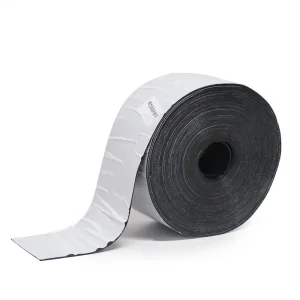
Cold applied tapes, engineered through high-precision co-extrusion technology, combine a robust polyolefin backing with a synthetic elastomeric butyl rubber adhesive layer. This specific molecular alignment provides excellent mechanical shielding and long-term chemical isolation. The absence of heating devices significantly cuts down localized installation risks, shortens field joint execution timelines, and delivers optimal adhesion margins on site-cleaned steel surfaces.
Procurement managers from oil & gas giants, municipal water boards, and petrochemical companies prioritize long-term asset security, risk mitigation, and supply chain continuity when evaluating OEM cold tape suppliers.
Cold tapes must operate reliably across diverse climatic zones. For instance, Middle Eastern desert networks require tapes capable of resisting soil stress and elevated ambient temperatures reaching up to 80°C. In contrast, projects in Siberia or northern Canada demand sub-zero flexibility down to -30°C. High-tier suppliers address these demands through proprietary viscoelastic formulations and varying densities of PE/PP backings.
Soil settlement, thermal expansion cycles, and vehicular traffic cause constant mechanical shear forces on buried pipelines. Standard PE tapes without high-tensile backing or shear-resistant butyl rubber adhesive will eventually slip, buckle, or peel away, initiating localized corrosion. Strategic procurement emphasizes materials certified under standards like ISO 21809-3 and EN 12068.
Cathodic protection (CP) is the primary line of defense for steel pipelines, with coatings serving as the secondary barrier. However, shielding coatings block CP currents from protecting the steel if water penetrates the layer. Next-generation viscoelastic systems and high-temperature PE tapes are designed to minimize cathodic shielding, ensuring that even if physical damage occurs, CP currents can reach the steel substrates.
As global infrastructure dynamics pivot toward high-efficiency procurement, Chinese advanced manufacturers have transitioned from low-cost producers to tech-driven leaders in pipeline integrity materials.
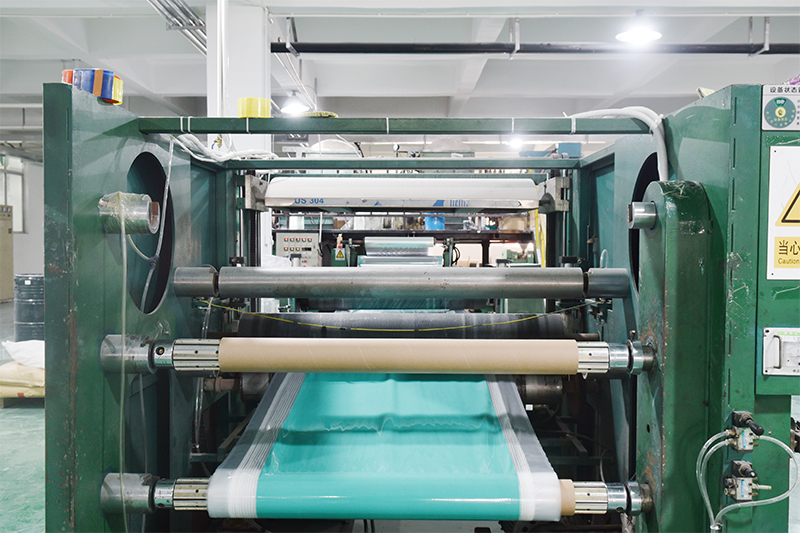
CYCT New Materials leverages state-of-the-art Factory 4.0 principles, employing closed-loop automatic dosing systems, high-shear continuous compounding extruders, and real-time thickness measurement sensors. This layout guarantees uniform thickness profile tolerances (within ±5%) across thousand-meter rolls, eliminating weak spots that lead to dielectric breakdown under field stress.
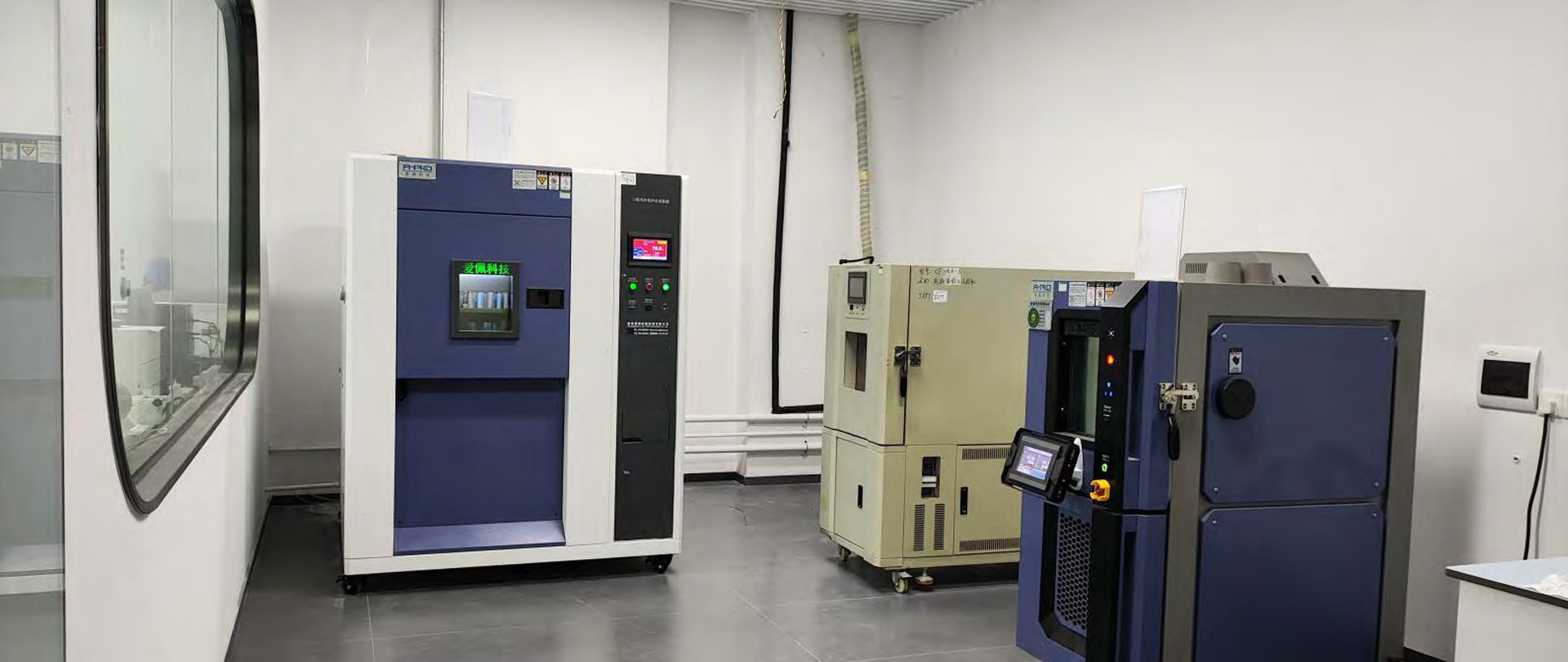
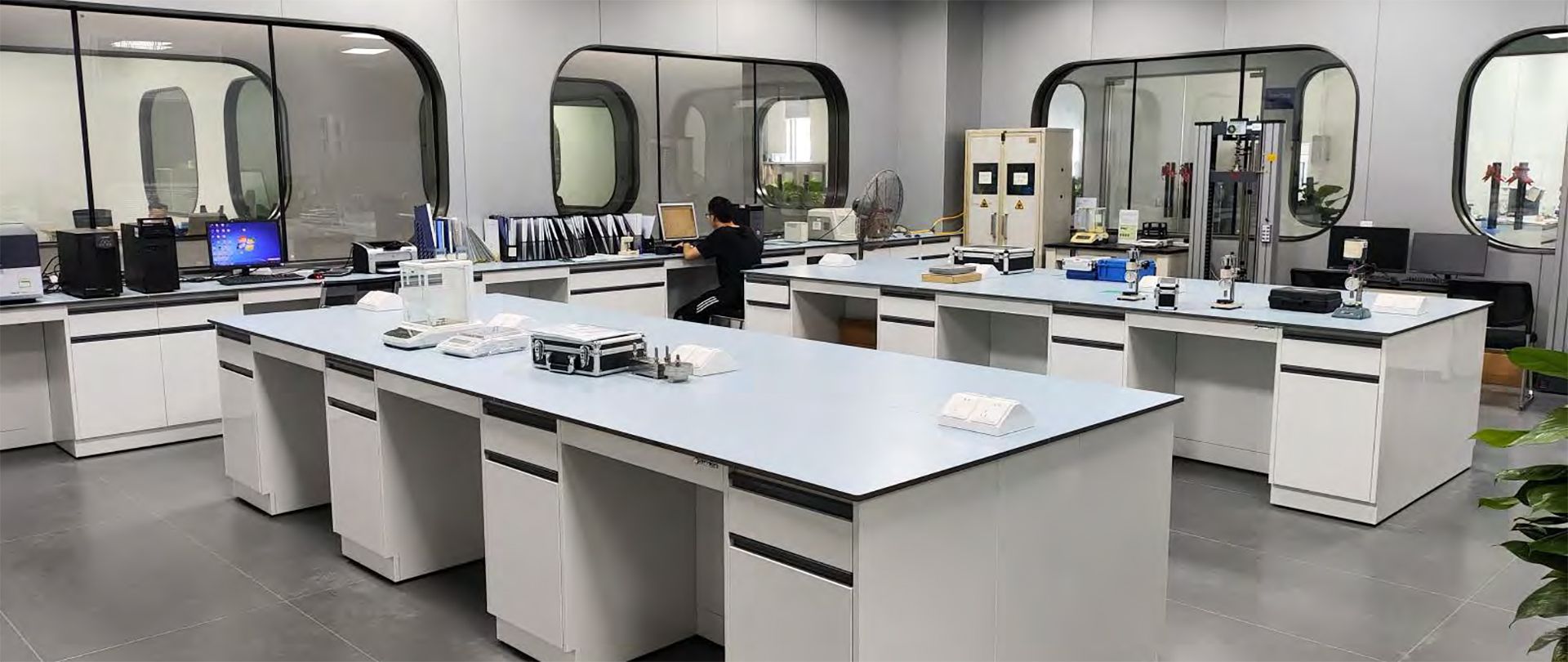
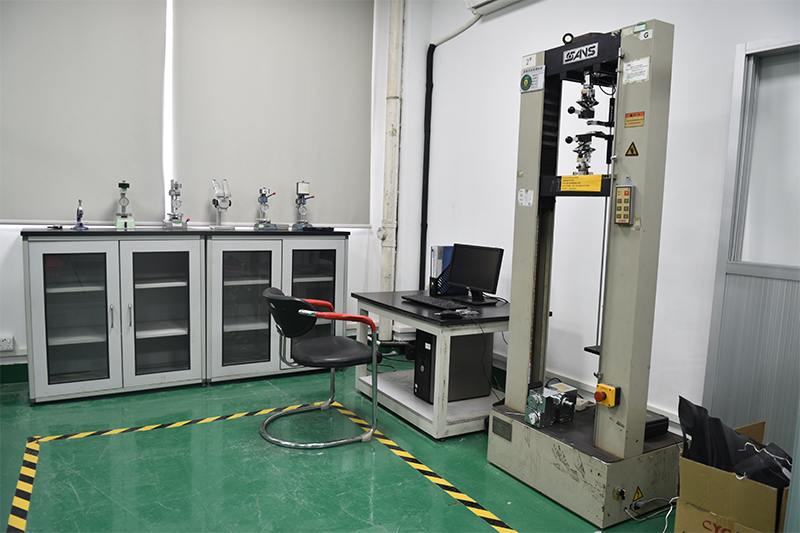
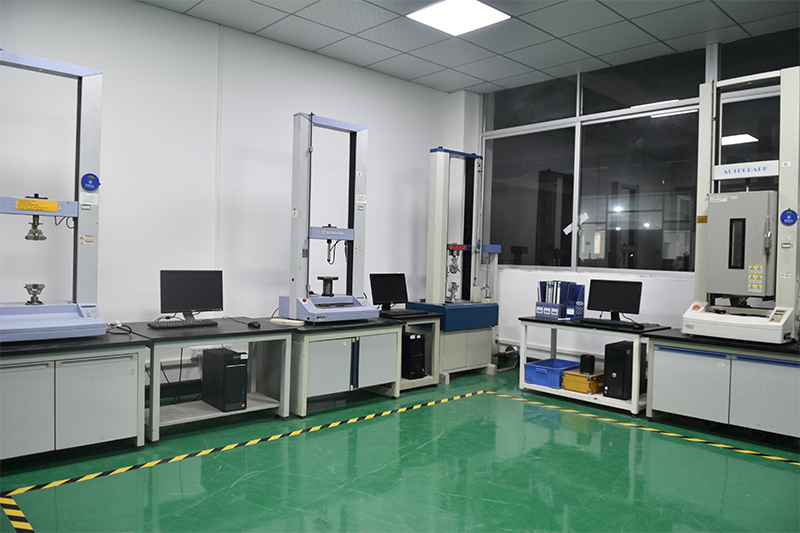
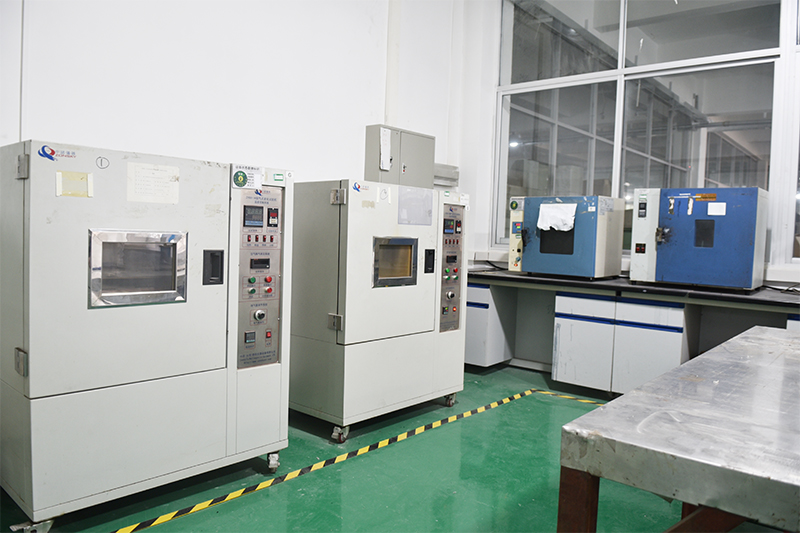
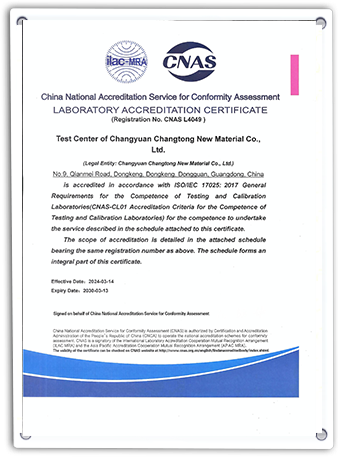
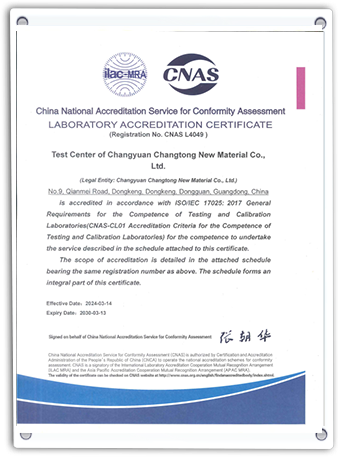
CYCT's national CNAS accredited laboratory verifies every batch of raw materials and finished goods. Critical tests run in-house include:
• Cathodic disbondment tests at elevated temperatures (up to 80°C).
• Long-term thermal aging resistance testing.
• Peel strength to primed steel and backing layers under high shear.
• Water vapor transmission rate (WVTR) and hydrostatic resistance validation.
CYCT is a stable partner and key supplier to massive energy enterprises including PetroChina, Sinopec, PipeChina, China Gas Group, and Indian Oil. Working in tandem with research centers like the CNPC Pipeline Science Research Institute, CYCT is capable of providing field joint designs, design schemes, cathodic protection coordination, rehabilitation project design, and comprehensive engineering services.
Choosing the correct pipeline wrapping system requires an understanding of polymer chemistry and interfacial adhesion mechanisms.
This classic system utilizes a stabilized polyethylene backing co-extruded with a thick layer of synthetic butyl rubber adhesive. Typically applied as a two-layer system (inner wrap for corrosion protection, outer wrap for mechanical protection) or a integrated three-layer system. It is highly valued for water pipeline systems, oil distribution lines, and industrial plumbing due to its balanced cost-to-performance ratio.
Based on low-molecular-weight polyisobutylene (PIB), viscoelastic coatings possess "cold flow" properties. They never cure or solidify, allowing them to flow into microscopic steel surface irregularities. Viscoelastic systems are self-healing: if the coating is punctured, the material flows back to seal the breach. They require minimal surface preparation (often SSPC-SP2/SP3 hand-tool cleaning is sufficient), making them highly suitable for field joint repairs, flange wrapping, and irregular pipe geometries.
Designed to repair or protect field joints of pipelines coated with 3LPE (Three-Layer Polyethylene) or 3LPP (Three-Layer Polypropylene). Radiation cross-linked backing materials shrink when heated, creating a tight seal over the joint. Combined with high-shear hot-melt adhesives, these sleeves offer excellent mechanical protection and high temperature resistance (up to 110°C).
Pipeline performance depends greatly on the installation phase. CYCT materials are engineered to accommodate diverse on-site application scenarios.
During new line construction, pipe joints are welded in the field, leaving bare steel exposed. CYCT Polypropylene Heat Shrinkable Sleeves and High-Temperature PE Cold Tapes allow technicians to coat these joints quickly, establishing a seamless barrier that integrates with the main factory-applied 3LPE/3LPP coatings.
For aging infrastructure, old coatings must be stripped and replaced without interrupting gas or water transmission. CYCT Viscoelastic Systems and Cold Applied Tapes are applied over-the-ditch using manual or automated wrapping machines. This process minimizes downtime, limits excavation requirements, and lowers operational risks.
Pipelines installed via HDD are pulled through long underground bores, exposing coatings to high levels of abrasion from rocks and soil. Standard tapes may peel back under these conditions. CYCT's specialized photo-curing sleeves and Glass Fiber Reinforced Plastic (GFRP) repair systems act as protective shields, preventing damage to the underlying anti-corrosion barrier.
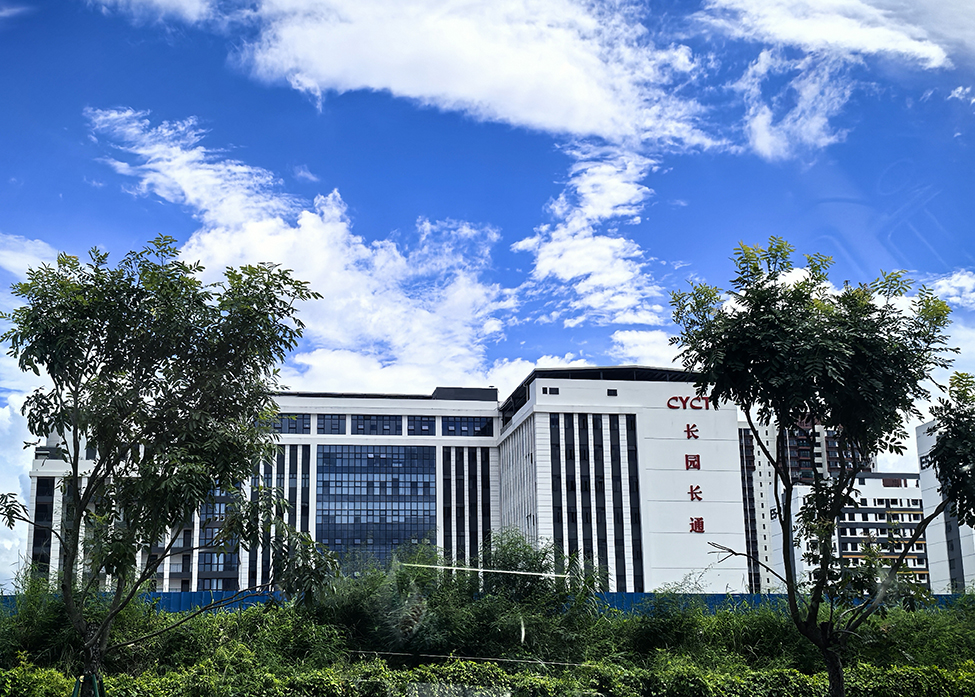
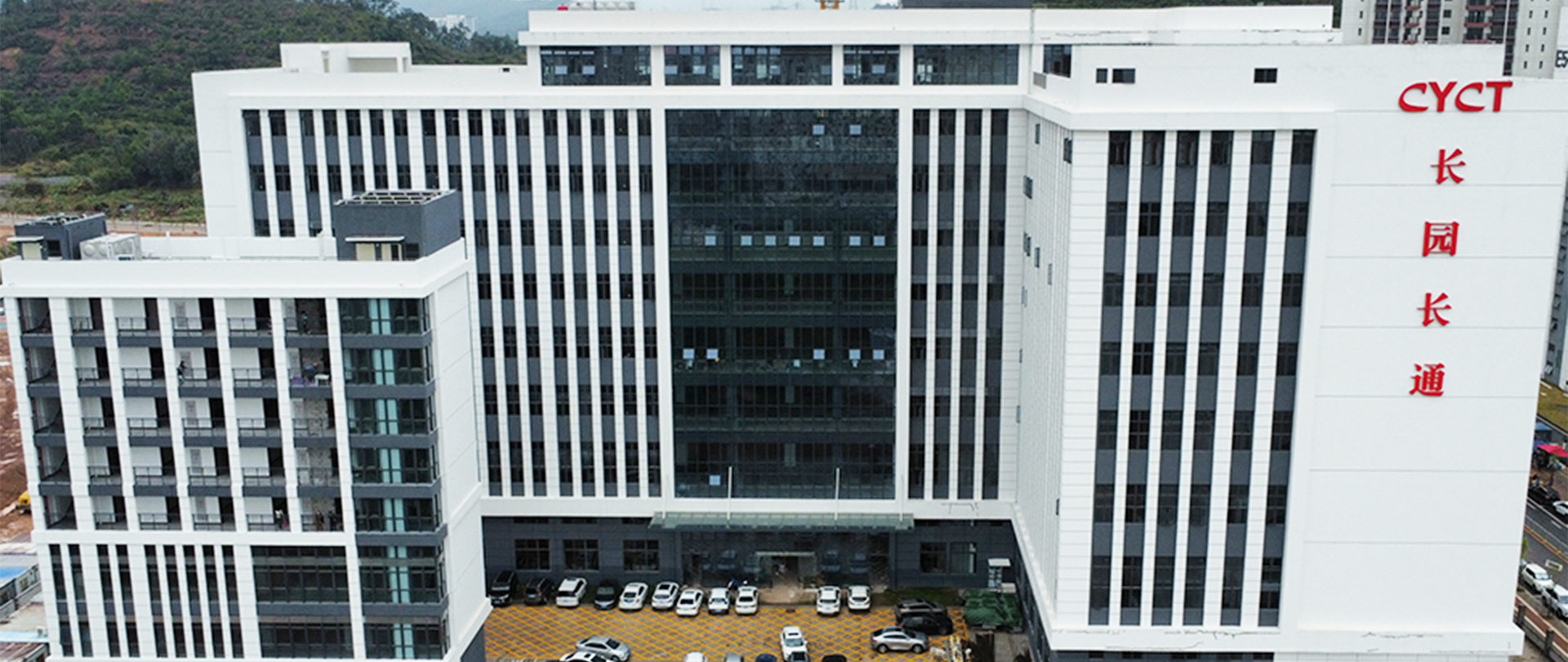
Founded in 2000, CYCT New Materials Company Limited is a state-level high-tech enterprise integrating the R&D, production, and sales of pipeline corrosion protection materials. We also provide buried pipeline detection services and pipeline coating field application services.
CYCT has dedicated itself to the R&D, production, and sales of pipeline corrosion protection materials for decades. The company features leading testing and R&D capabilities, a professional R&D team, and a national CNAS-accredited laboratory.
Over the years, CYCT has become a stable supplier of field joint coatings for PetroChina, Sinopec, PipeChina, China Gas Group, Indian Oil, and local pipeline operators, securing a strong position in the market. Furthermore, CYCT has successfully developed and introduced specialty corrosion protection materials including viscoelastic anti-corrosion materials, special photo-curing sleeves for HDD protection, and polyurea coatings.
Through close cooperation with leading research organizations such as the CNPC Pipeline Science Research Institute, CYCT is equipped to provide operating pipelines with a variety of technical services, including buried pipeline detection, design schemes, cathodic protection, rehabilitation projects, and integrated solutions for pipeline safety.
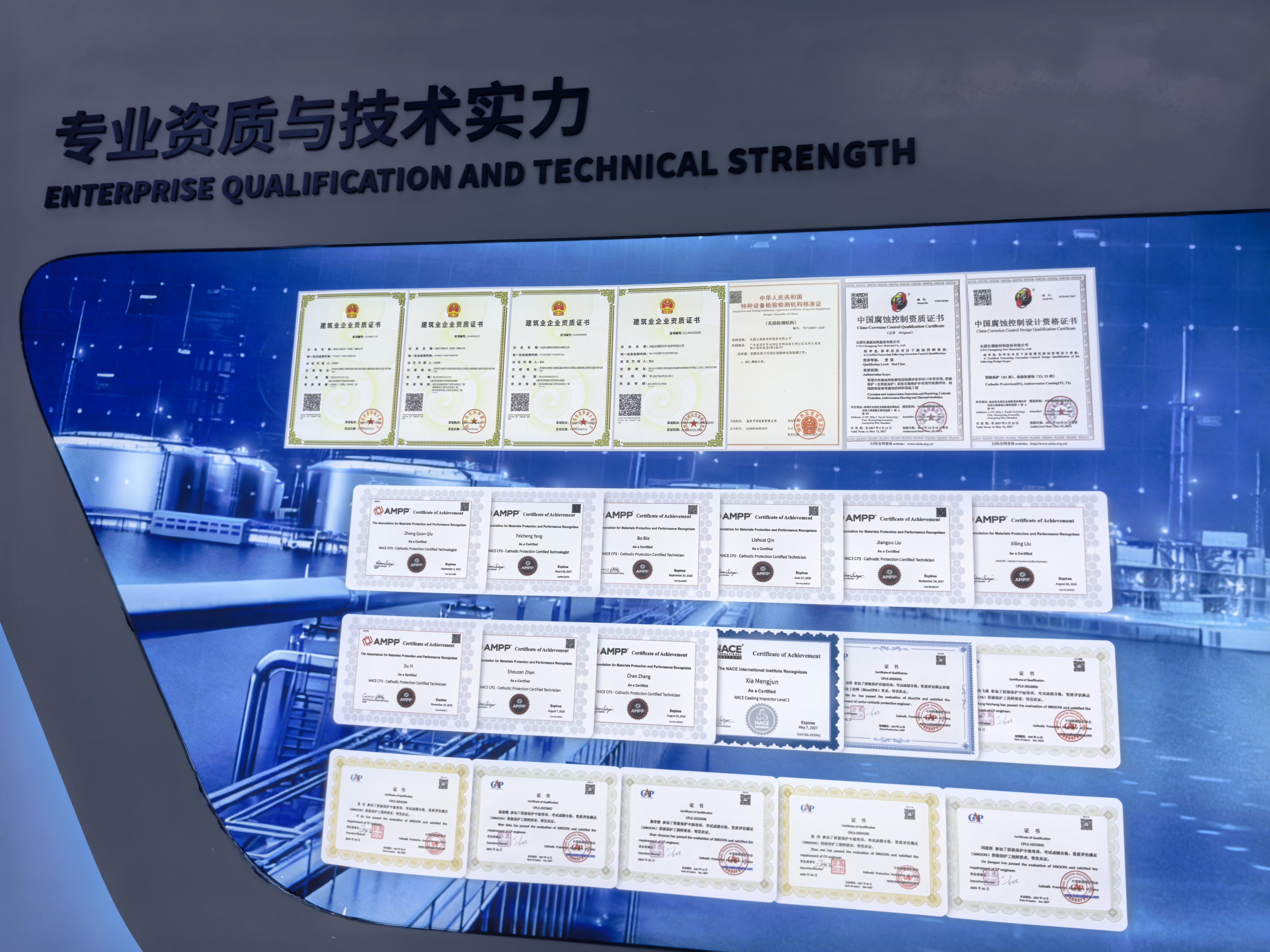
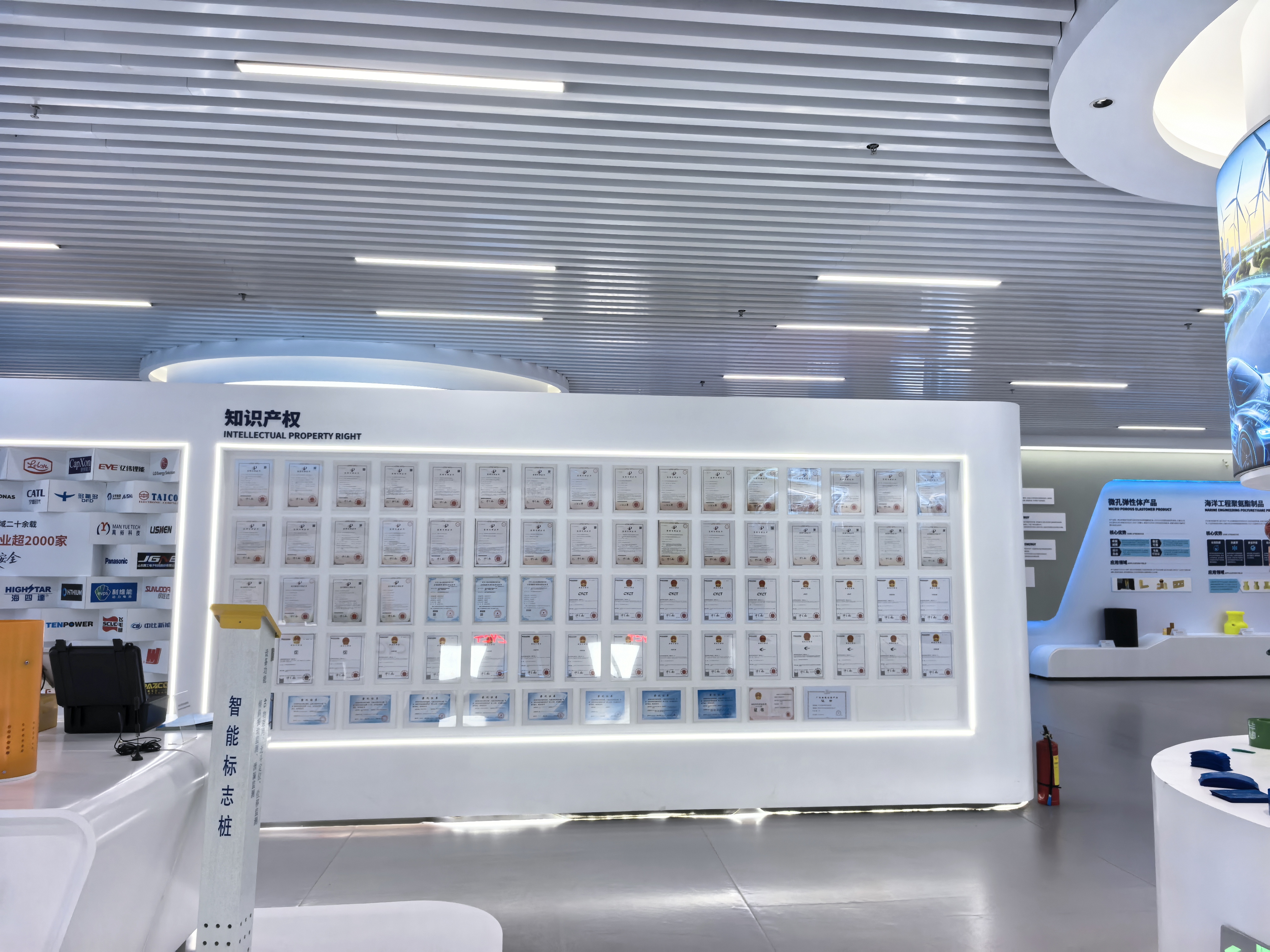
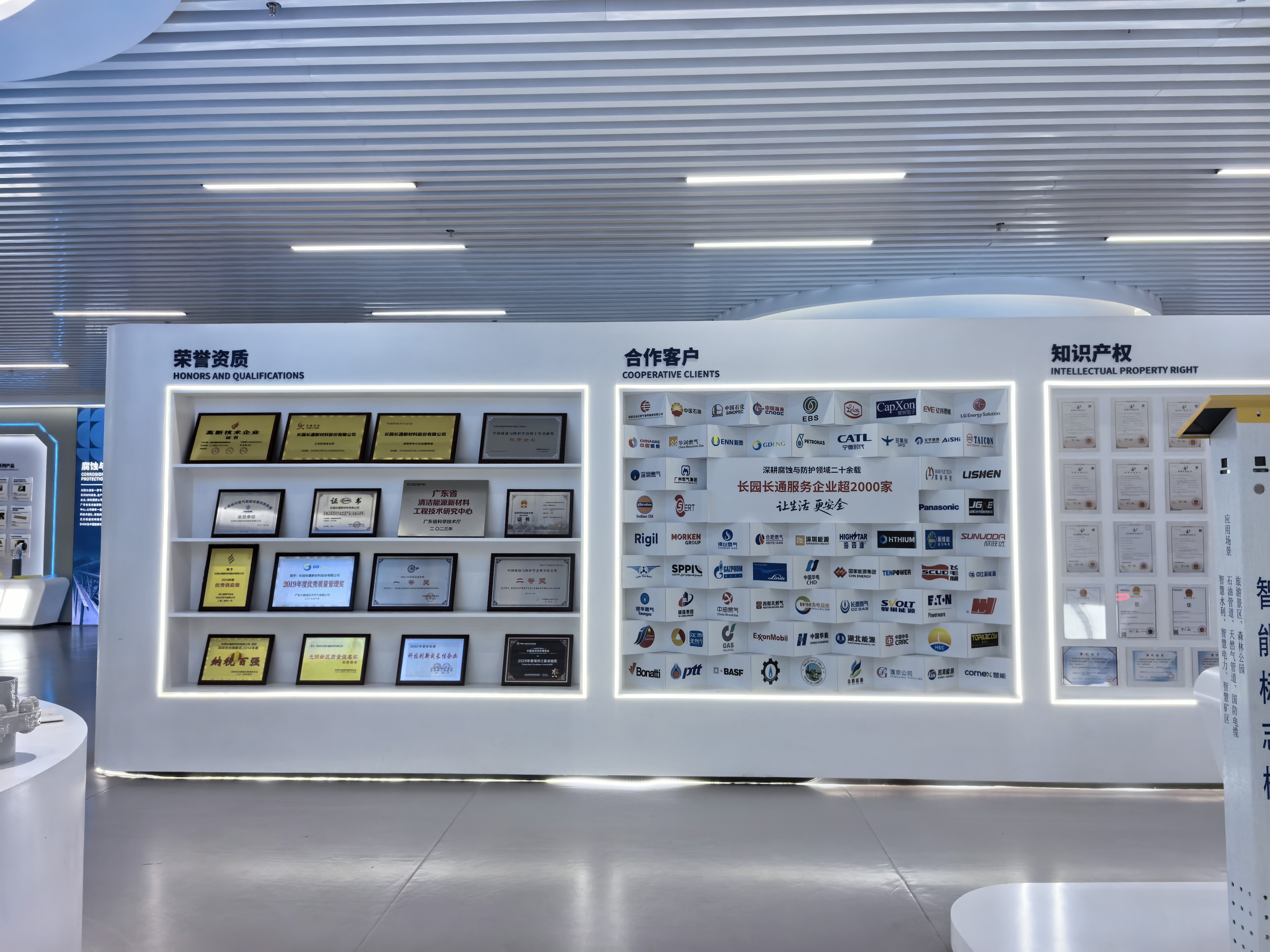
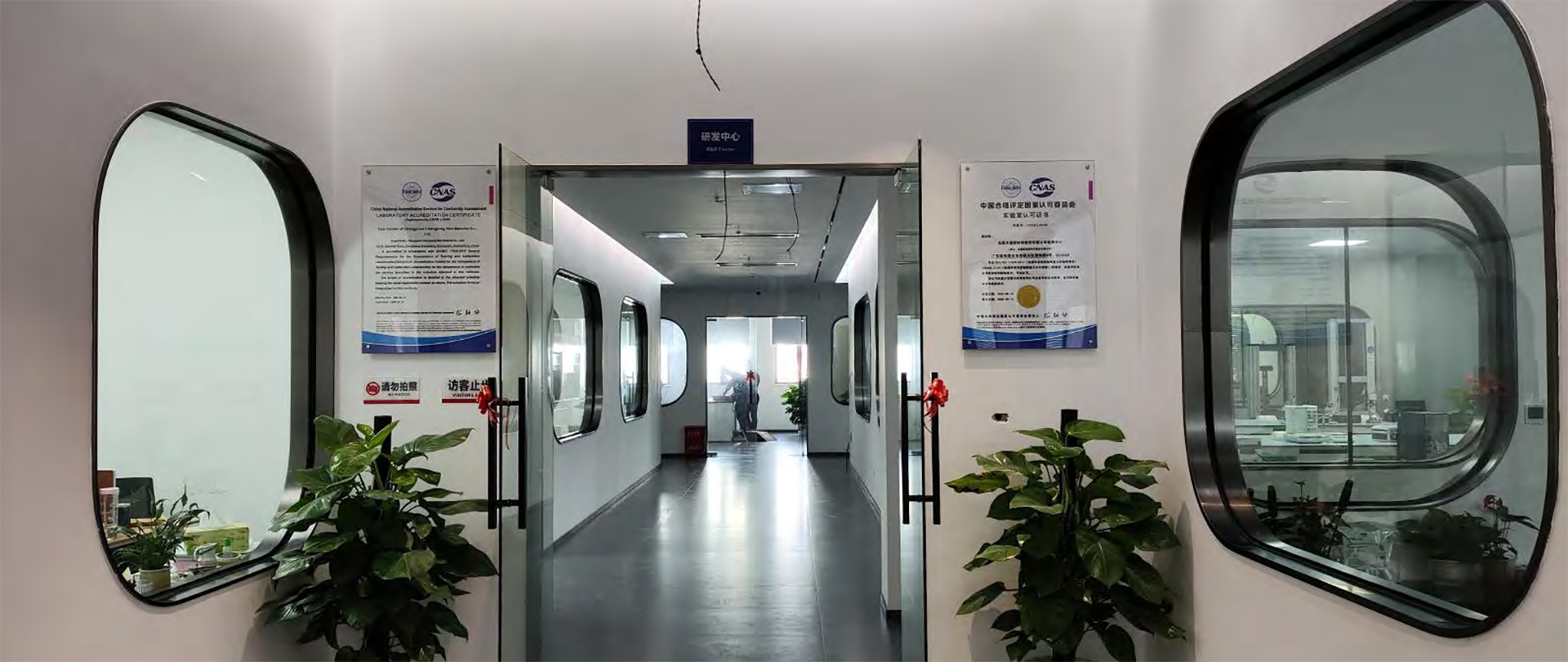
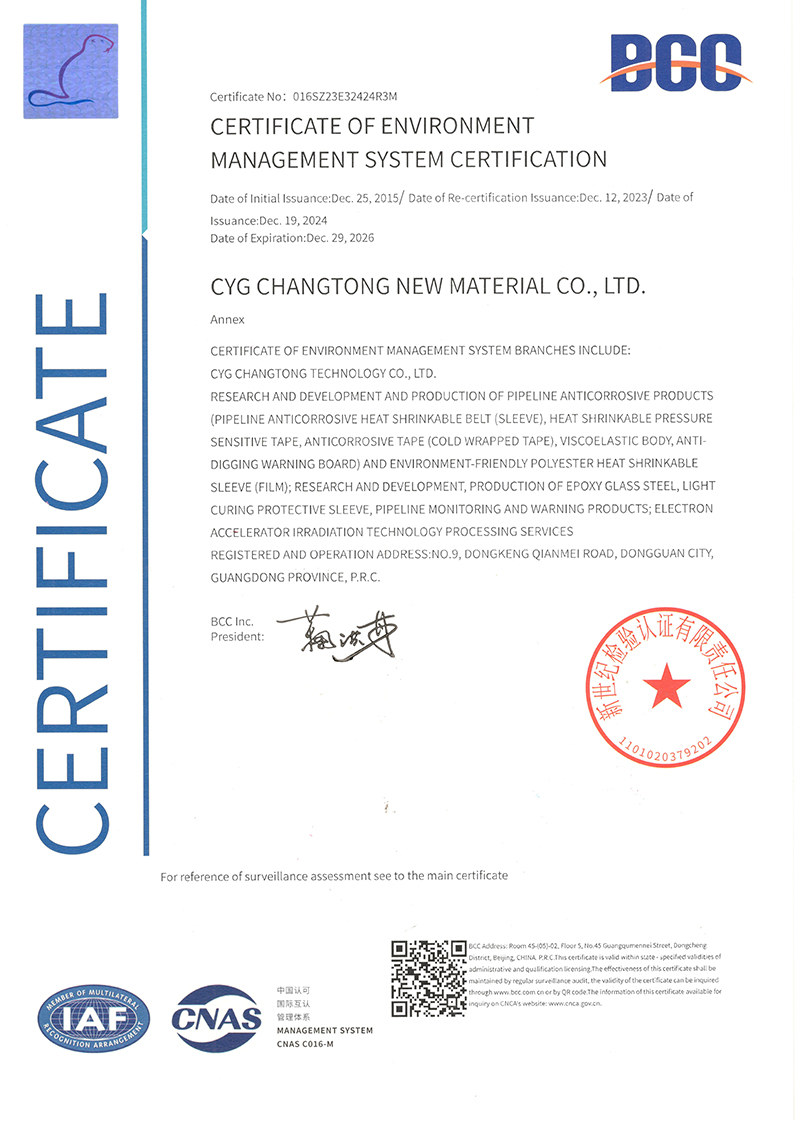
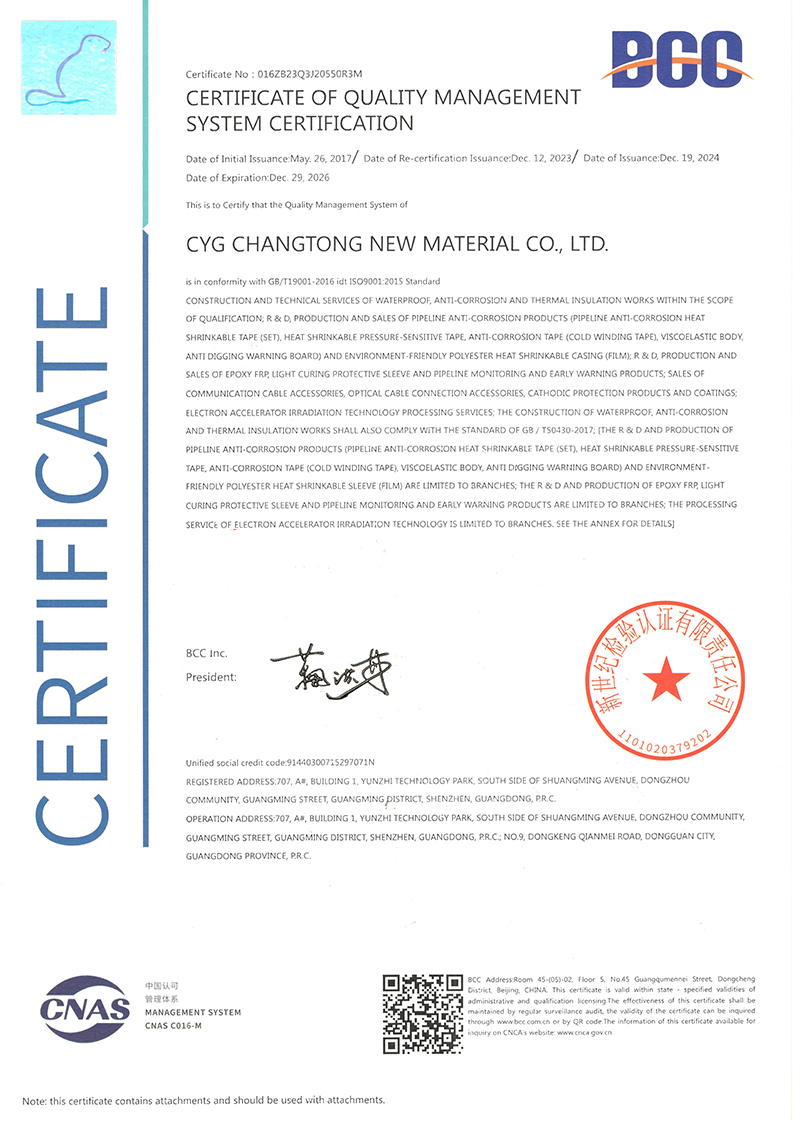
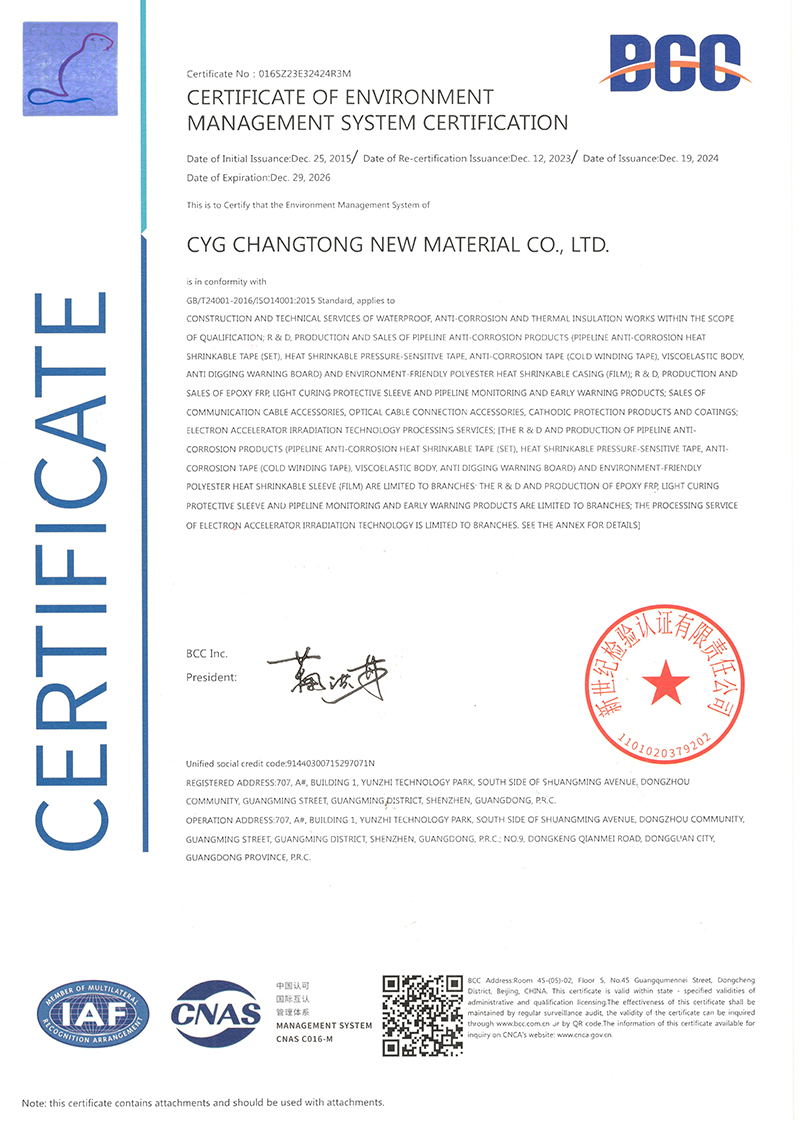
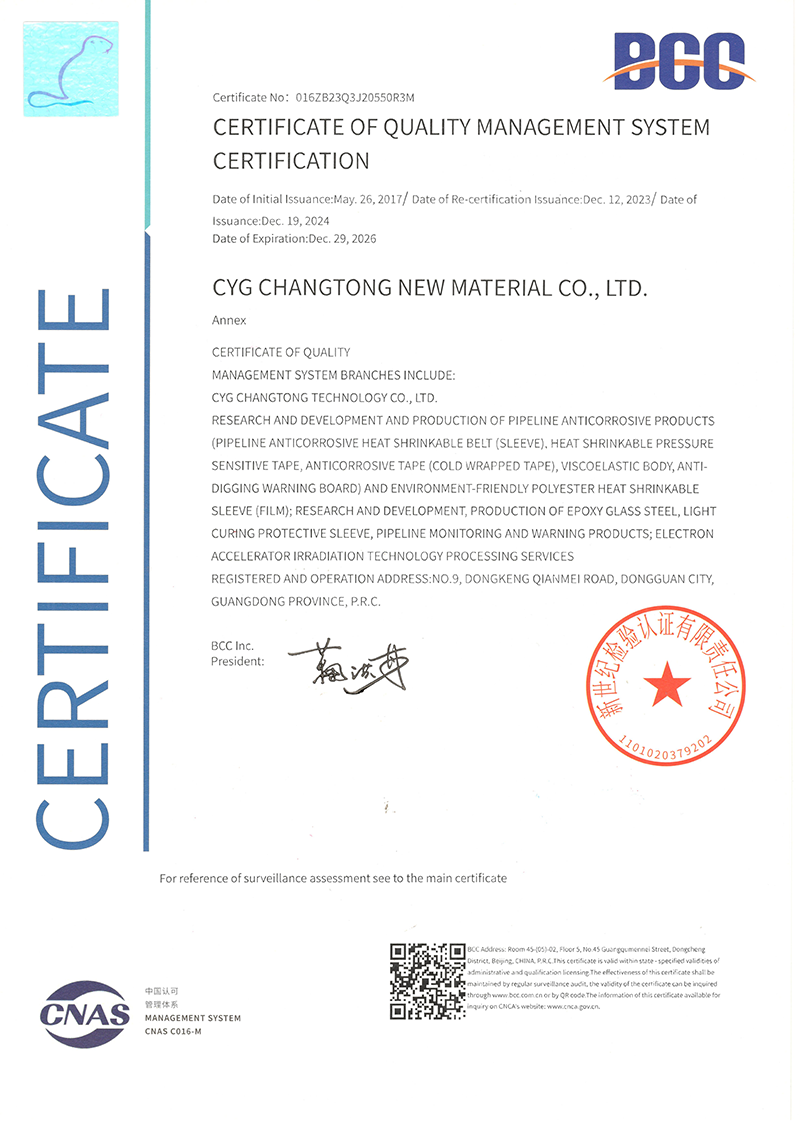
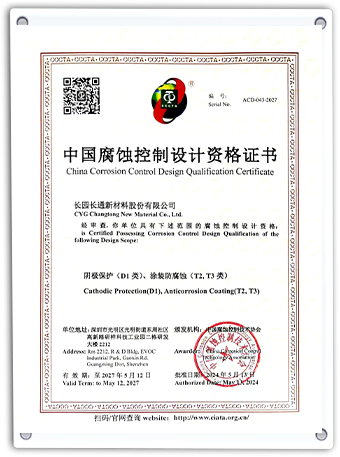
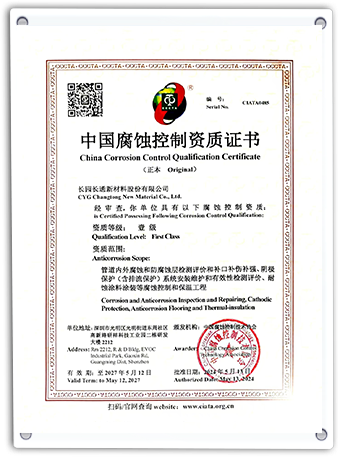
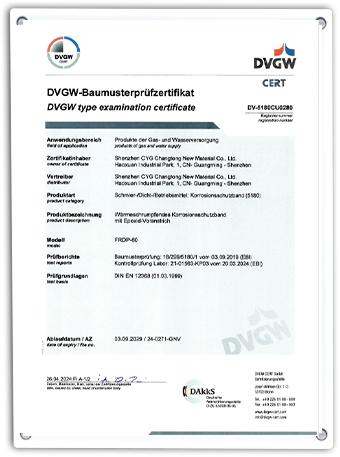
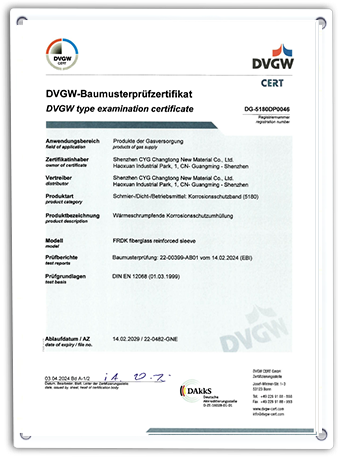
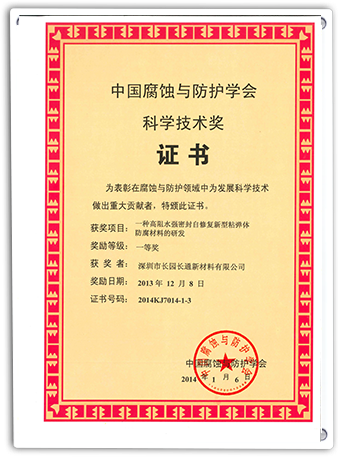
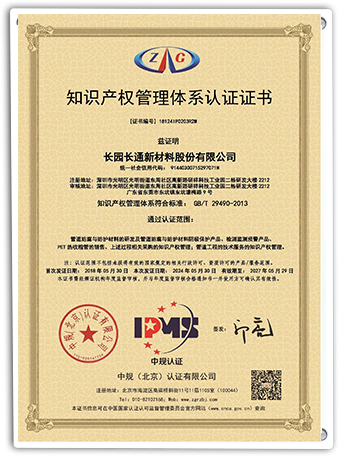
CYCT is a Council Member of the Chinese Society for Corrosion and Protection (CSCP), holds Qualification Certificates for Corrosion Protection Construction and Pipeline Detection, and is recognized as a Well-known Brand of Pipeline Corrosion Protection in China. We are also a Corporate Member of the China Association of Petroleum Engineering Construction (CAPEC) and a State-Level High-Tech Enterprise holding more than ten proprietary intellectual property rights.
Gain key insights into standard specifications, installation requirements, and selection guidelines for pipeline protection projects.
Discover our specialized repair materials, heat-shrink patches, viscoelastic foil tapes, and structural pipeline restrictors.
 CYCT
CYCT