Explore our primary range of factory-certified heat-shrinkable sleeves, cold-applied tapes, and hot melt repair solutions. Designed to exceed stringent international standards.
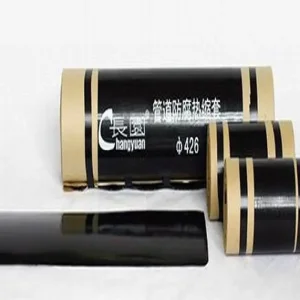
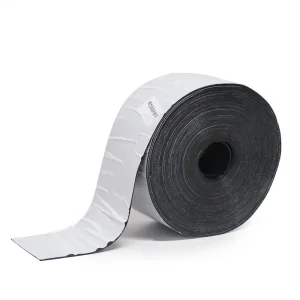
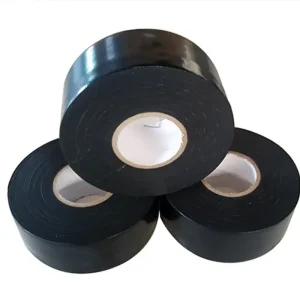
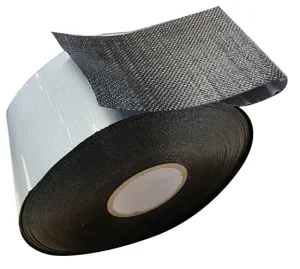
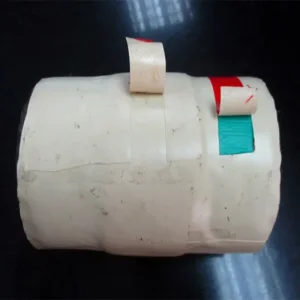
In the modern era of energy transport, pipeline integrity is paramount. Butyl Rubber Cold-Applied Tapes serve as the frontline defense against corrosion in buried, subsea, and atmospheric pipe networks. Unlike traditional hot-applied systems or liquid coatings, which require specialized heating tools and carry safety hazards, cold-applied butyl mastic tapes offer an elastomeric adhesion profile that bonds instantaneously to steel substrates and PE/PP outer jacket coatings.
Chemically synthesized from polyisobutylene (PIB) copolymerized with a small percentage of isoprene, butyl rubber possesses an exceptionally low gas permeability and chemical inertness. When formulation parameters are optimized, the mastic flows dynamically into the micro-cavities of the blasted steel surfaces, ensuring 100% wet-out and the complete elimination of cathodic disbondment pathways.
"The primary failure point of pipeline coatings is interfacial moisture ingress. The cold-flow properties of formulated butyl rubber seal micro-voids under continuous soil stress, offering self-healing mechanisms not present in rigid epoxies."
Infrastructure expansions, energy transitions, and demanding localized environmental realities have transformed the procurement strategy for global pipeline engineering firms.
Global gas transmission networks, hydrogen-blending projects, and municipal water line rehabilitation projects are expanding rapidly, especially across North America, the GCC region, and Southeast Asia. Long-term durability is the central procurement metric.
Tighter environmental and workplace health regulations restrict the volatile organic compound (VOC) emissions associated with primers and liquid epoxies. Solvent-free cold-applied tapes represent a safer, greener technology.
Procurement teams focus less on initial roll costs and more on installation efficiency. Cold-applied systems reduce application time by up to 50% compared to traditional field-joint coatings, minimizing heavy machinery down-time.
For project engineers specifying joint wrap systems, selecting the appropriate material configuration requires direct analysis of performance factors. The following matrix illustrates the performance profiles of cold-applied butyl rubber compared with heat shrinkable sleeves, liquid epoxies, and visco-elastic systems.
| Performance Metric | Butyl Cold-Applied Tape | Heat Shrinkable Sleeve (PE) | Liquid Epoxy (3LPE Repair) | Visco-Elastic System |
|---|---|---|---|---|
| Application Temp. Range | -10°C to +60°C | Requires preheating to >100°C | Requires ambient temperature >10°C | -20°C to +80°C |
| Cathodic Disbondment | Excellent (self-healing) | Good (requires prime coat) | Fair (prone to brittle cracking) | Superior (no curing needed) |
| Soil Stress Resistance | High (with PP/PE outerwrap) | High (rigid sleeve) | Very High | Low (requires high mechanical outerwrap) |
| Shelf Life | Unlimited (if stored correctly) | 2–5 Years | 1–2 Years (dual components) | Unlimited |
| Field Surface Prep Required | ISO 8501-1 St 2 / Sa 2 | ISO 8501-1 Sa 2.5 | ISO 8501-1 Sa 2.5 | ISO 8501-1 St 2 |
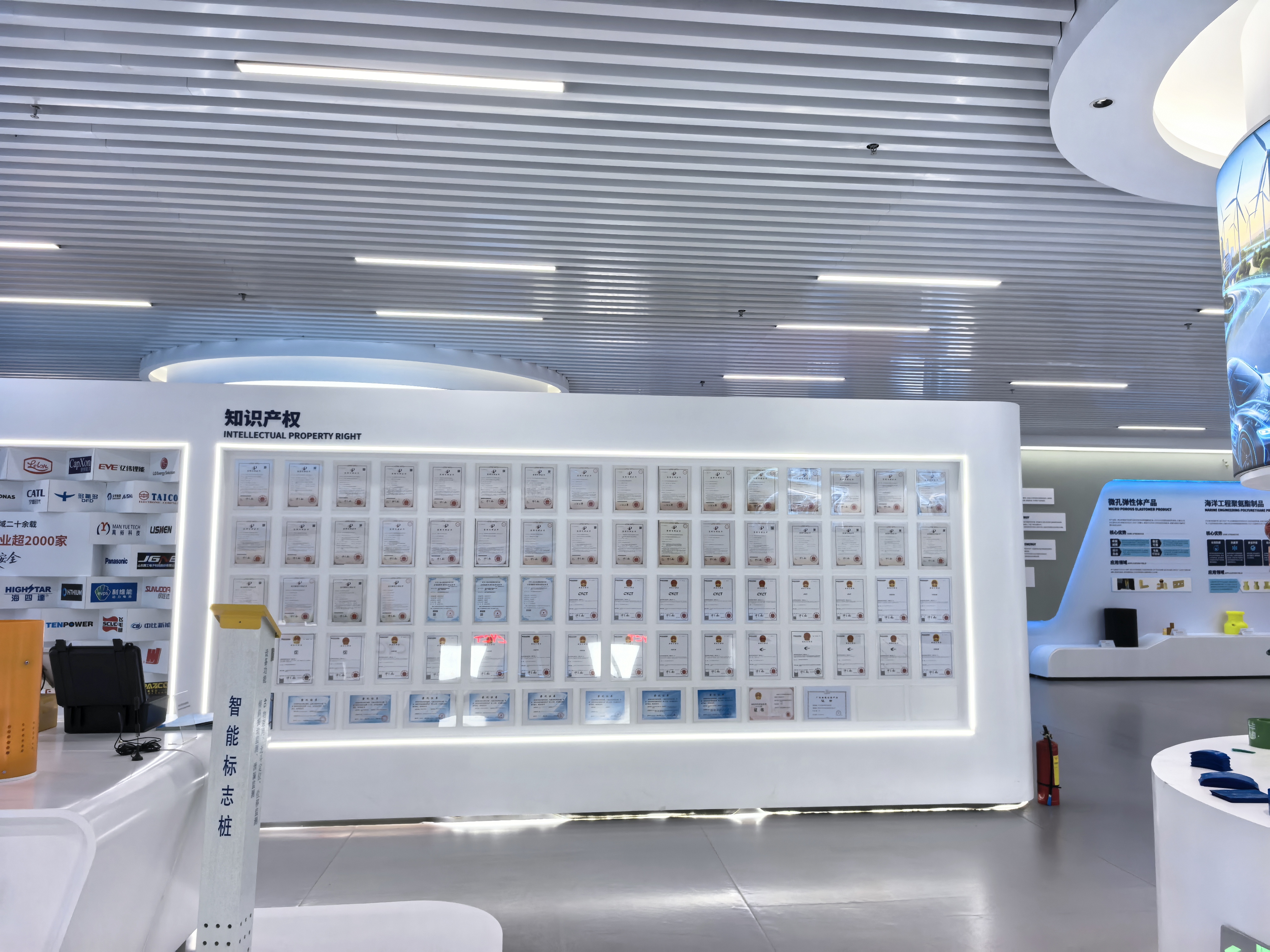
As a leading Chinese high-tech enterprise, CYCT leverages advanced manufacturing lines to deliver consistent, high-yield quality. Our production facilities deploy closed-loop thickness controls, automated chemical dosing, and zero-defect mastic extrusion tech, achieving absolute consistency in the polymer matrix.
In times of global logistical fluctuations, CYCT stands out with robust supply chain pathways. By sourcing high-purity raw materials locally and keeping strategic inventories of high-density polyethylene backing sheets and crosslinked butyl masterbatches, we ensure short production run-times, preventing delays for major engineering projects.
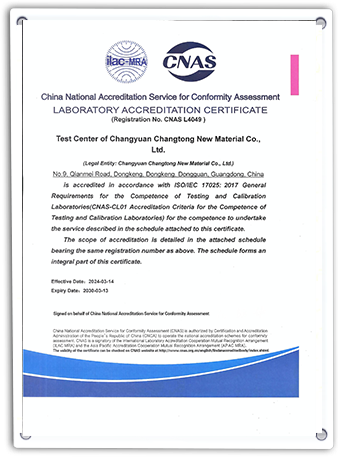
CYCT operates a national CNAS-accredited laboratory and keeps a close partnership with the CNPC Pipeline Science Research Institute. Every batch is tested for peel adhesion, tensile strength, dielectric resistance, and cathodic disbondment before dispatch.
From dry deserts to sub-zero permafrost, CYCT Butyl Tape systems are formulated to meet the challenges of diverse global environments.
Under dry desert conditions, soil temperatures can reach up to 60°C. CYCT’s high-temperature PE outer tapes and PP modified butyl wraps prevent mastic sag, resisting soil stress and protecting against salt-rich, corrosive groundwater.
Pulling pipe runs through rocky underground bores demands high shear and abrasion resistance. CYCT's fiberglass-reinforced sleeves protect the primary coating against gouges and scrapes during the pull-back phase.
In high-moisture delta environments, moisture-resistant VE putty and viscoelastic wraps provide reliable sealing, forming an impermeable barrier that resists chloride ion penetration and protects marine piling systems.
CYCT New Materials Company Limited (for short, CYCT) is a state-level high-tech enterprise integrating R&D, production and sales of pipeline corrosion protection materials as well as buried pipeline detection service and pipeline coating field application service into one.
CYCT has dedicated decades to the R&D, production and sales of pipeline corrosion protection materials. Today, CYCT is a stable supplier of field joint coatings for PetroChina, Sinopec, PipeChina and regional pipeline networks, holding a significant domestic market share. In addition, we have developed specialty materials including visco-elastic corrosion protection wraps, photo-curing sleeves for HDD protection, and polyurea-based protective systems.
Working in cooperation with leading R&D bodies such as the CNPC Pipeline Science Research Institute, CYCT supports operating pipeline projects with technical services, including buried pipeline inspection, design engineering, cathodic protection, rehabilitation works, and turnkey safety solutions.
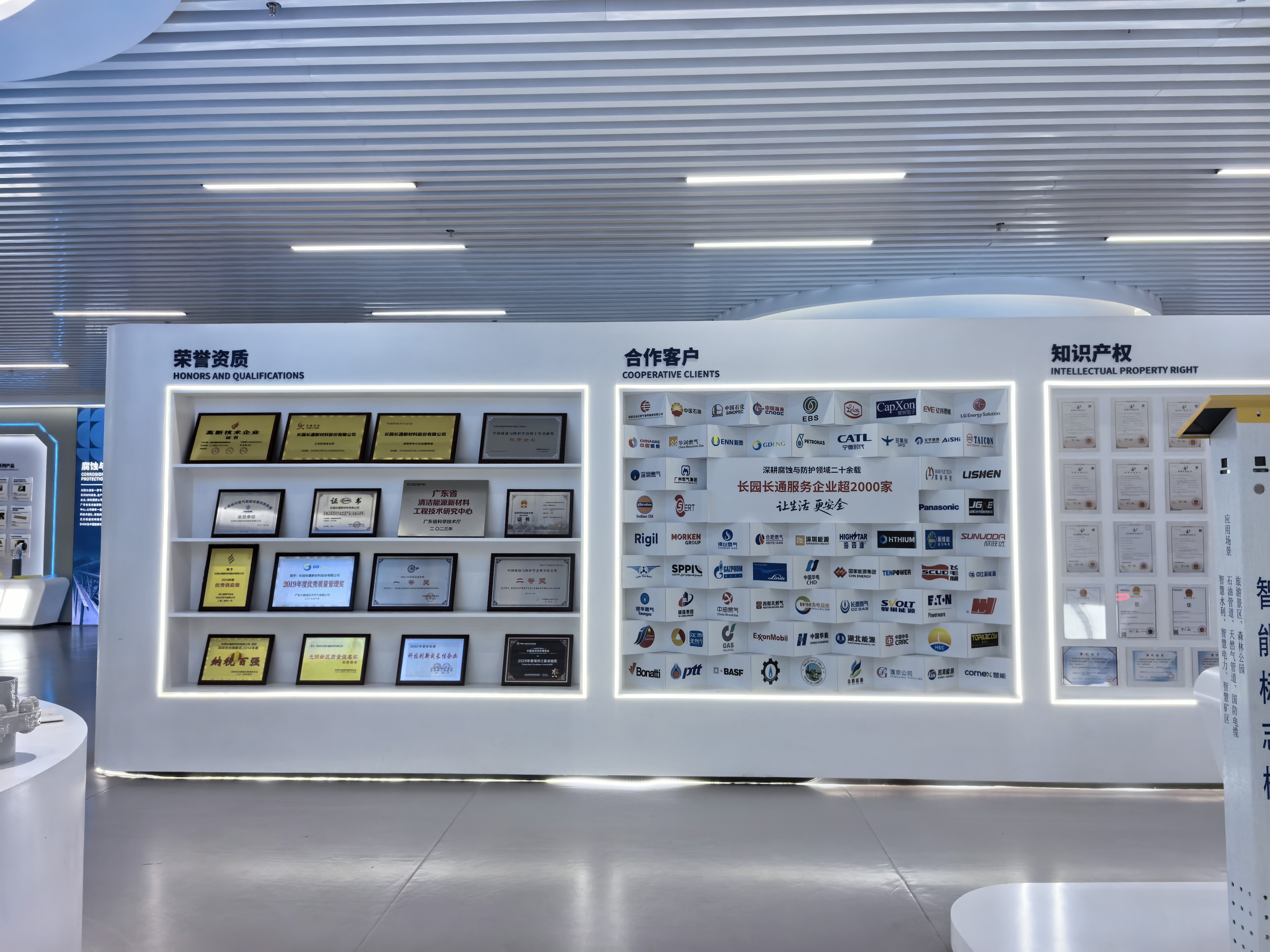
CYCT runs a professional R&D division alongside a national CNAS-accredited testing laboratory, helping ensure raw inputs and finished product batches match design specs.
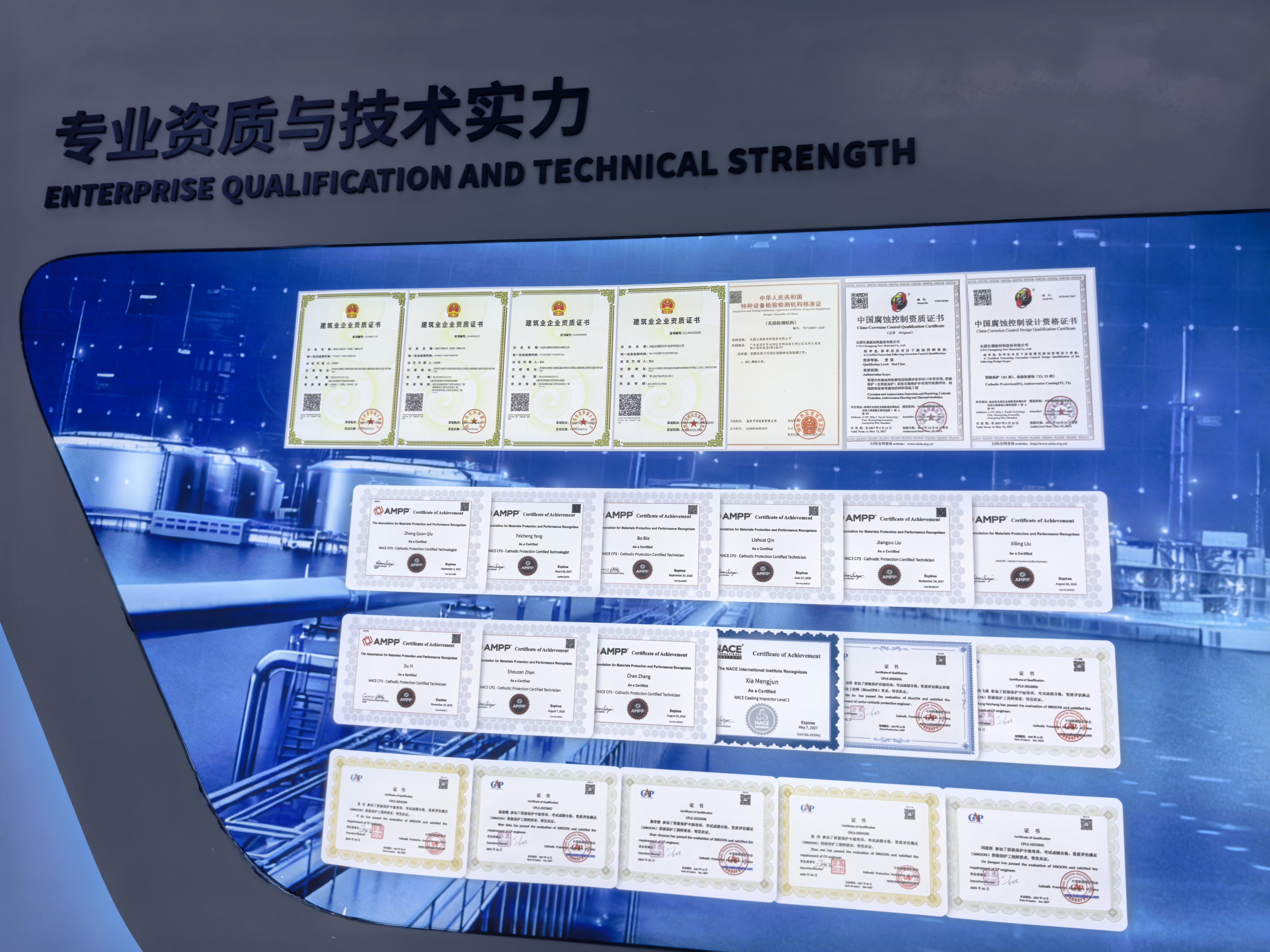
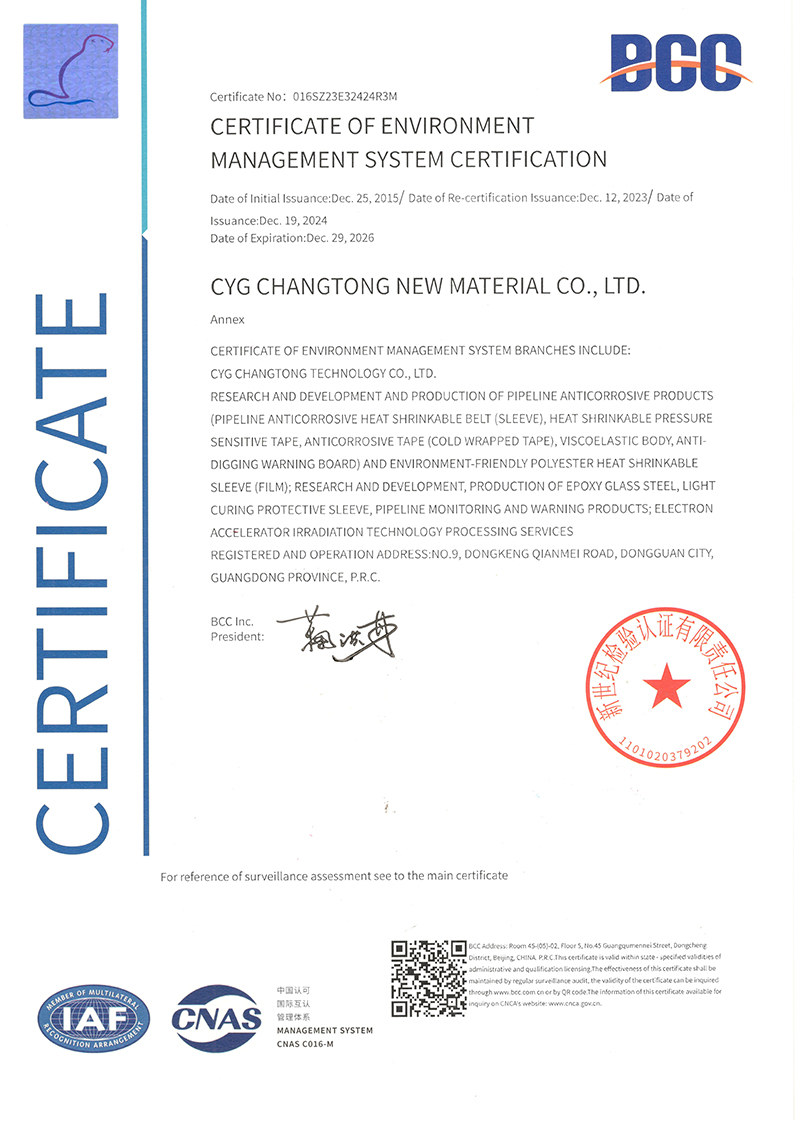
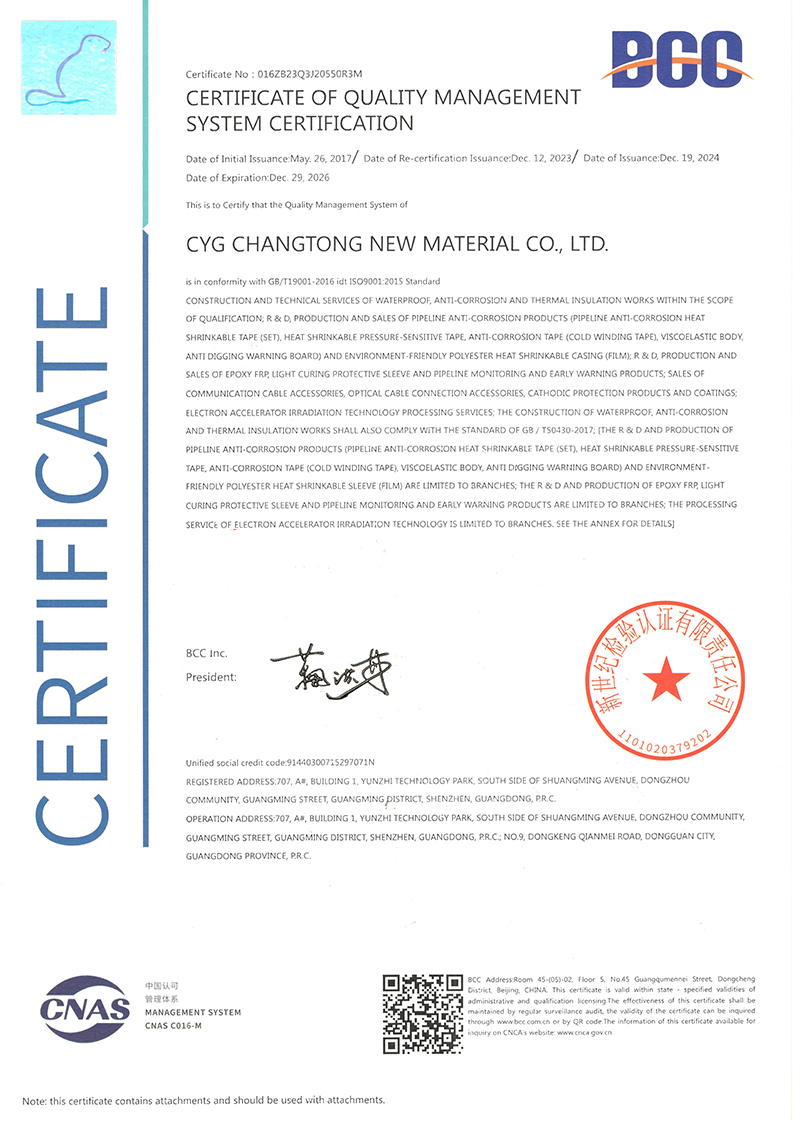
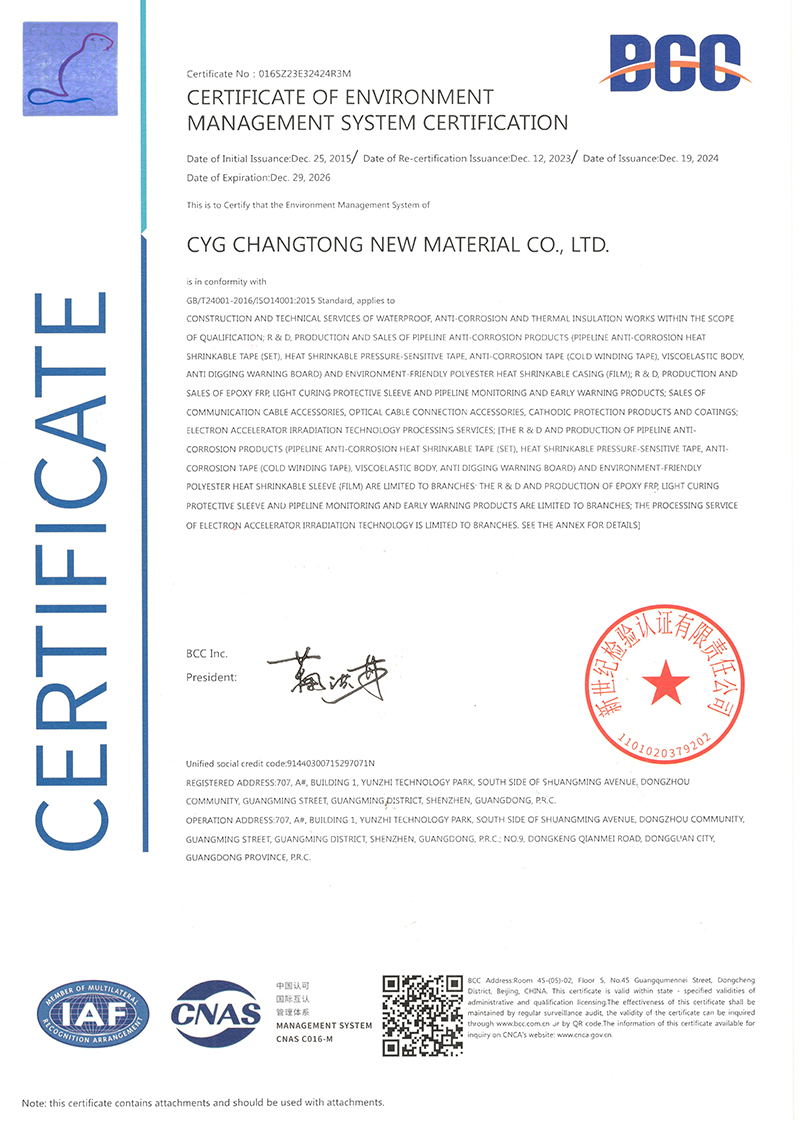
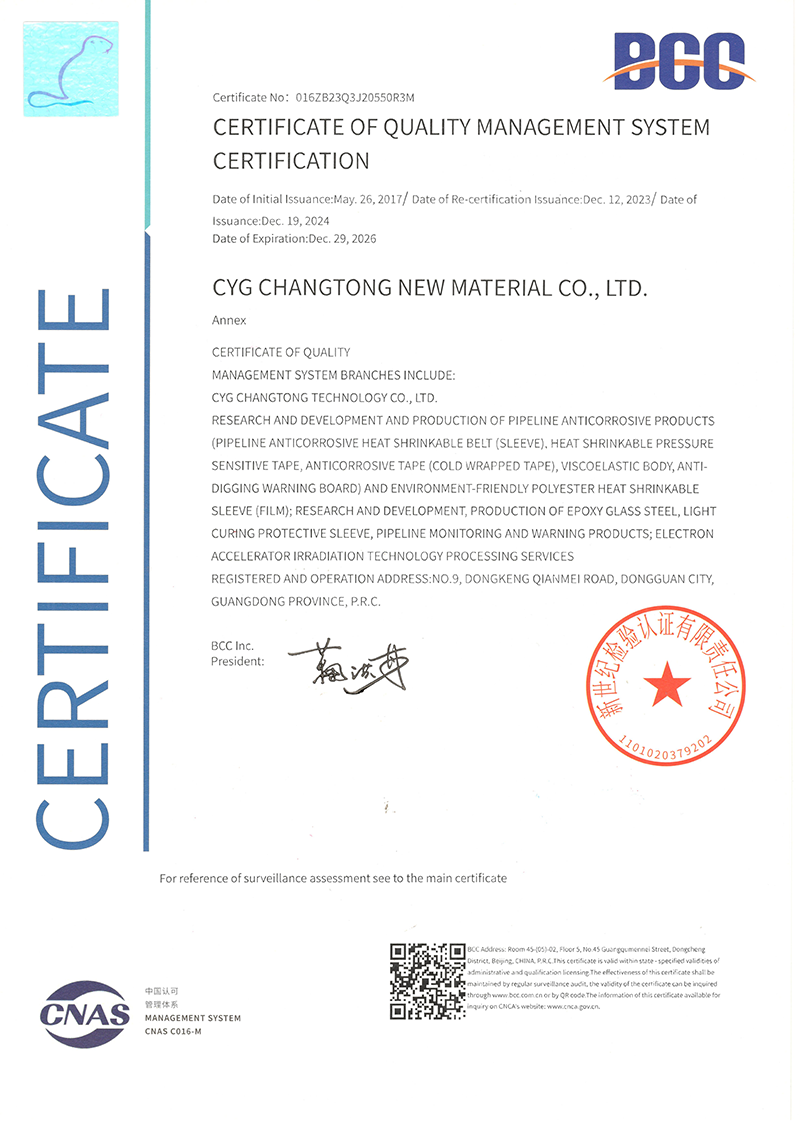
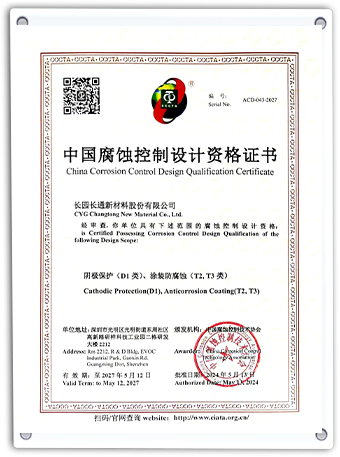
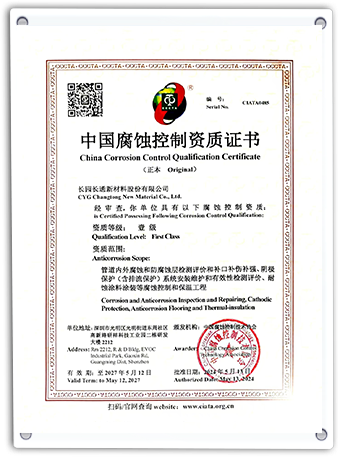
Our commitment to industry standards is backed by local and international certifications, verifying our systems for global petrochemical projects.
Get quick technical breakdowns on butyl rubber cold-applied wraps, standard specs, and installation methods.
Polyethylene (PE) backings offer high flexibility and elongation, making them suitable for standard utility lines and pipeline field joints with moderate service temperatures (up to 60°C–70°C). Polypropylene (PP) backings provide greater mechanical strength, higher abrasion resistance, and stability at higher service temperatures (up to 85°C–90°C), making them suitable for deep burials or directional drilling paths.
Under standard guidelines (such as ISO 8501-1 or SSPC), a hand/power tool clean to St 2 or St 3 is often sufficient for these self-wetting tapes. However, for long-term oil and gas infrastructure, abrasive blast cleaning to Sa 2 or Sa 2.5 is recommended. This helps ensure high initial peel strength and long-term resistance to cathodic disbondment.
Yes. High-quality formulated butyl adhesive mastics flow under pressure (cold flow) to maintain close contact with the steel surface. This excludes water, oxygen, and electrolytes, preventing the electrochemical reactions that lead to cathodic disbondment.
CYCT holds AMPP membership, operates a national CNAS-accredited laboratory, and is certified under ISO 9001, ISO 14001, and ISO 45001. Our systems are verified by international engineering partners including Indian Oil, PetroChina, and Sinopec.
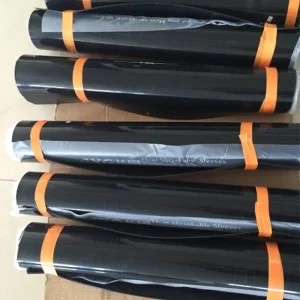
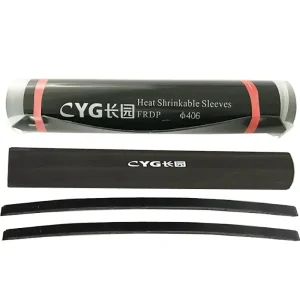
Explore our secondary line of specialized materials, including visco-elastic coatings, hot melt fillers, and heat-shrinkable linepipe joint sleeves.
 CYCT
CYCT