Engineered to deliver exceptional protection against aggressive soil chemistries, moisture infiltration, and mechanical damage.
Corrosion represents one of the most critical structural failures facing global energy transportation network infrastructure today. Traditional pipeline coatings, while effective under optimal laboratory conditions, often degrade rapidly under physical soil stress, mechanical shifts, moisture intrusion, and localized structural expansion. The introduction of Viscoelastic Putty revolutionized the pipeline coating industry by applying advanced non-crystalline polymer physics to create an impenetrable barrier that exhibits zero cold flow degradation, stays permanently viscous, and maintains complete substrate contact under dynamic service temperatures.
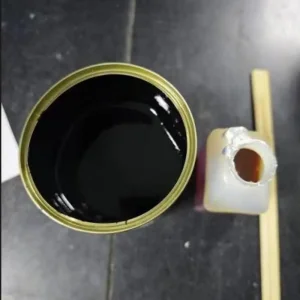
Unlike conventional thermal set or reactive systems (such as epoxies or polyurethanes) that require strict curing windows and precise atmospheric states, viscoelastic putty relies on a physical bonding model. Engineered with an amorphous molecular backbone, the putty flows continuously into every microscopic pore of the steel substrate. This creates a powerful, persistent contact that completely excludes moisture, oxygen, and electrolyte carriers. Consequently, even in high moisture environments or zones affected by fluctuating water tables, the steel is securely protected from corrosion.
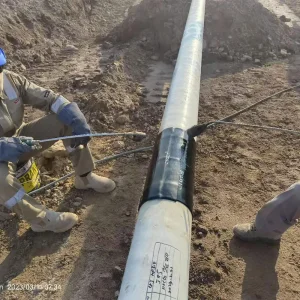
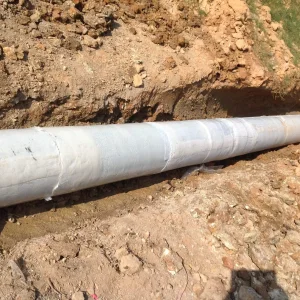
The outstanding E-E-A-T validated performance of viscoelastic putties stems directly from their unique rheological characteristics. They exhibit both liquid-like properties (viscous behavior for complete substrate wetting) and solid-like properties (elastic recovery to resist external deformation). When applied to irregular surfaces like pipeline field joint coatings (FJC), tees, valves, and structural flanges, the material flows into the profiles without requiring primers or intensive blasting pre-treatments (conforming easily to ISO 8501-1 St2/St3 standards).
Under minor mechanical impact or puncture, the viscous flow properties enable the putty to heal its own coating matrix, restoring protection dynamically.
Formulated without hazardous solvents or volatile compounds, protecting workers and surrounding ecosystems in sensitive water tables.
Prevents cathodic disbondment by forming an ionic block, shielding steel from current leakage even under cathodic protection systems.
Asset managers, engineering-procurement-construction (EPC) contractors, and utility operators across Europe, the Middle East, and North America operate under strict cost-efficiency targets. Traditional field-applied methods often incur excessive downtime because they depend heavily on dry weather, pre-heating, and complicated surface preparations. Procurement departments now demand solutions that minimize site installation time while maximizing service lifetimes. Viscoelastic putty meets this challenge, offering a shelf life of up to 30 years and requiring no pre-heating or chemical mixing on-site.
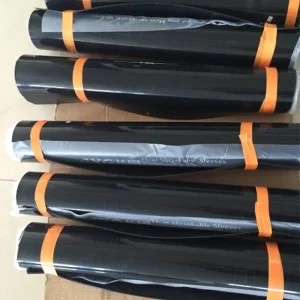
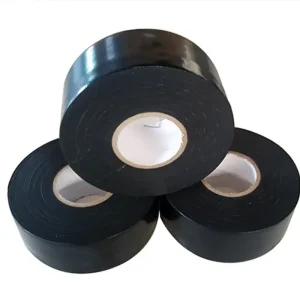
Furthermore, the surge in LNG terminal construction, horizontal directional drilling (HDD) crossings, and deep-well casing programs has heightened requirements for mechanical protection. In response, modern procurement strategies integrate viscoelastic putty with specialized outer wraps—such as heavy-duty PE/PP outer tapes or advanced UV-curing photo-curing protective sleeves—to deliver multi-layer, high-performance protection.
As a global manufacturing hub, China has transitioned from high-volume production to smart, quality-oriented manufacturing (Factory 4.0). Led by pioneers like CYCT New Materials Company Limited (founded in 2000), China's manufacturing landscape integrates advanced chemical engineering, automated compounding lines, and real-time quality control systems.
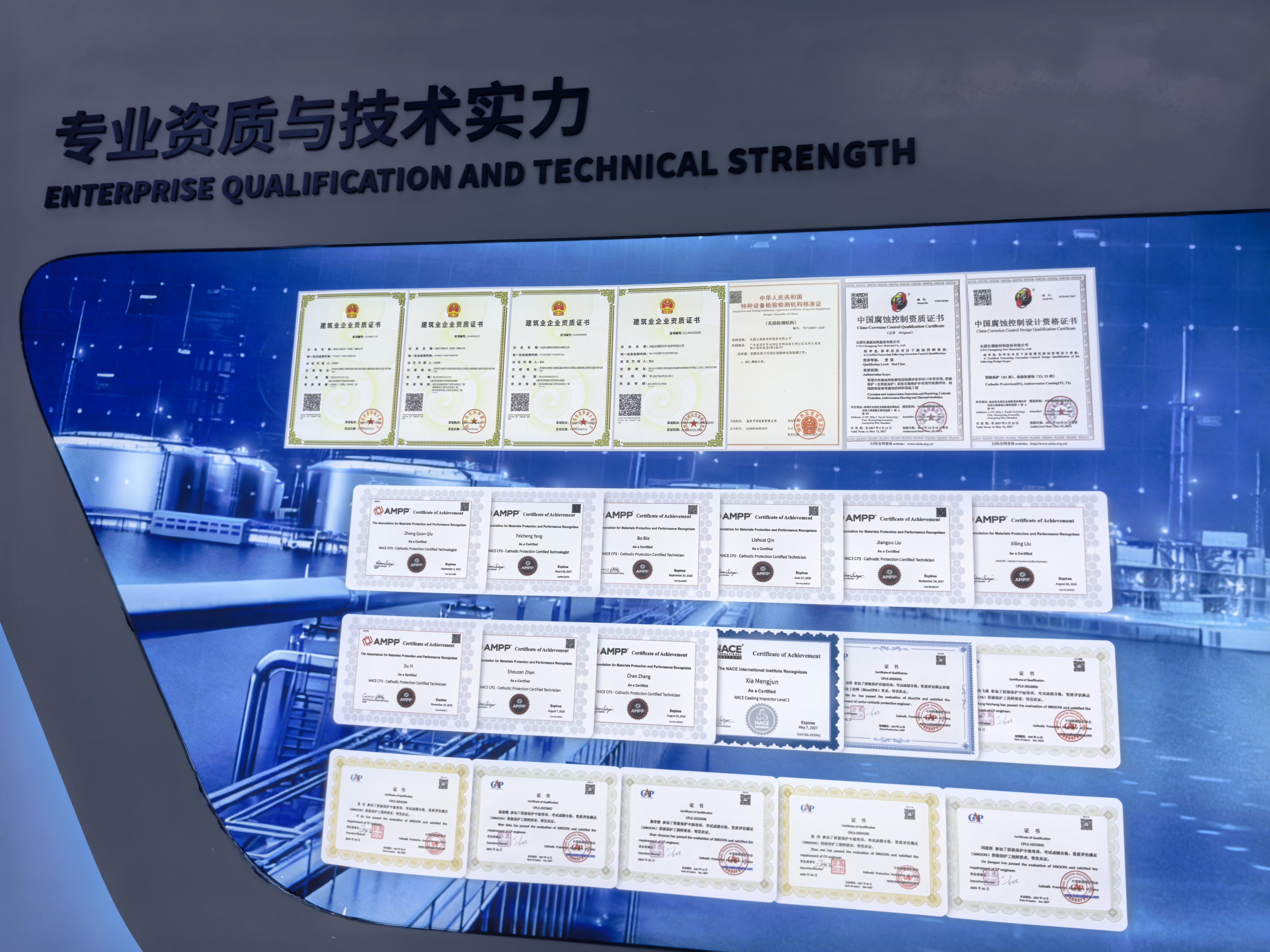
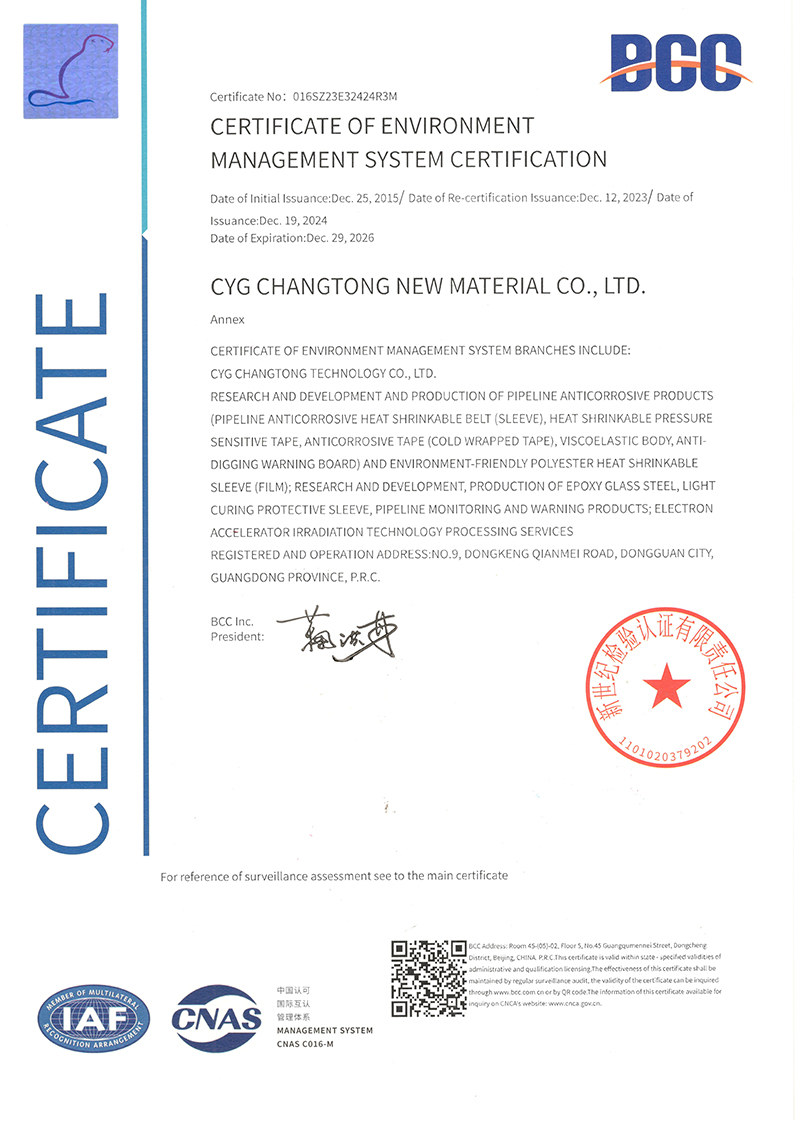
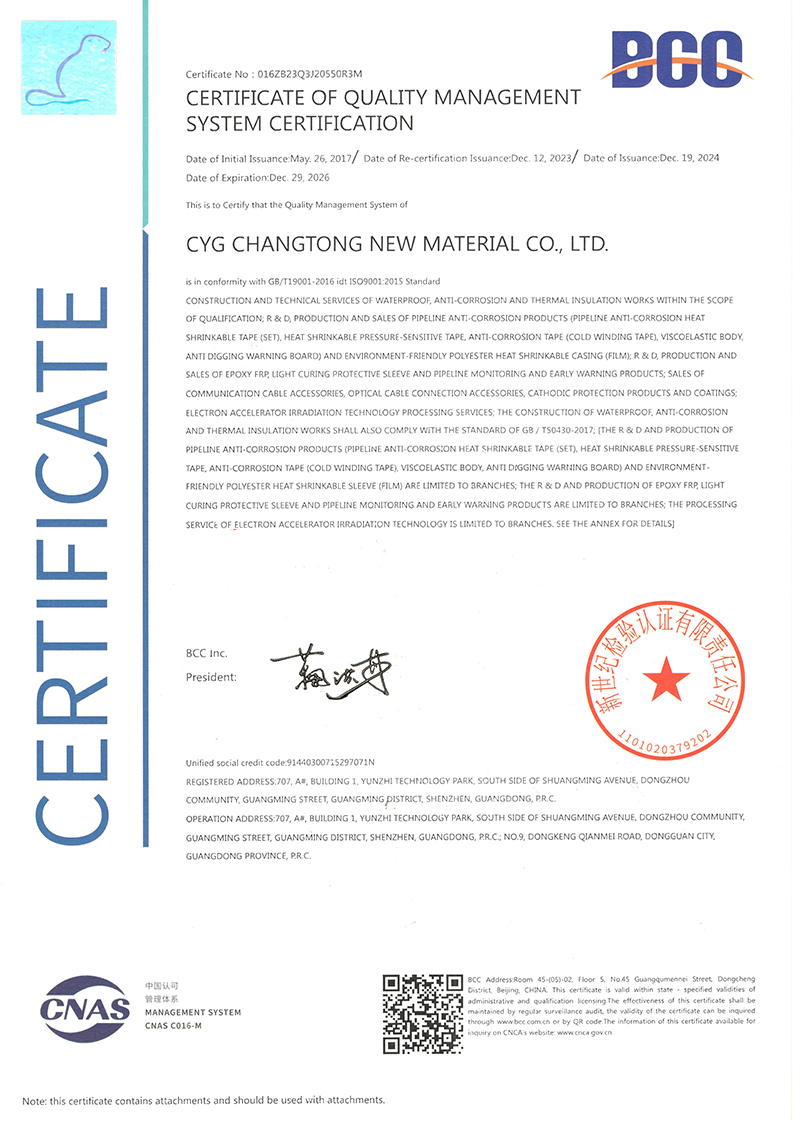
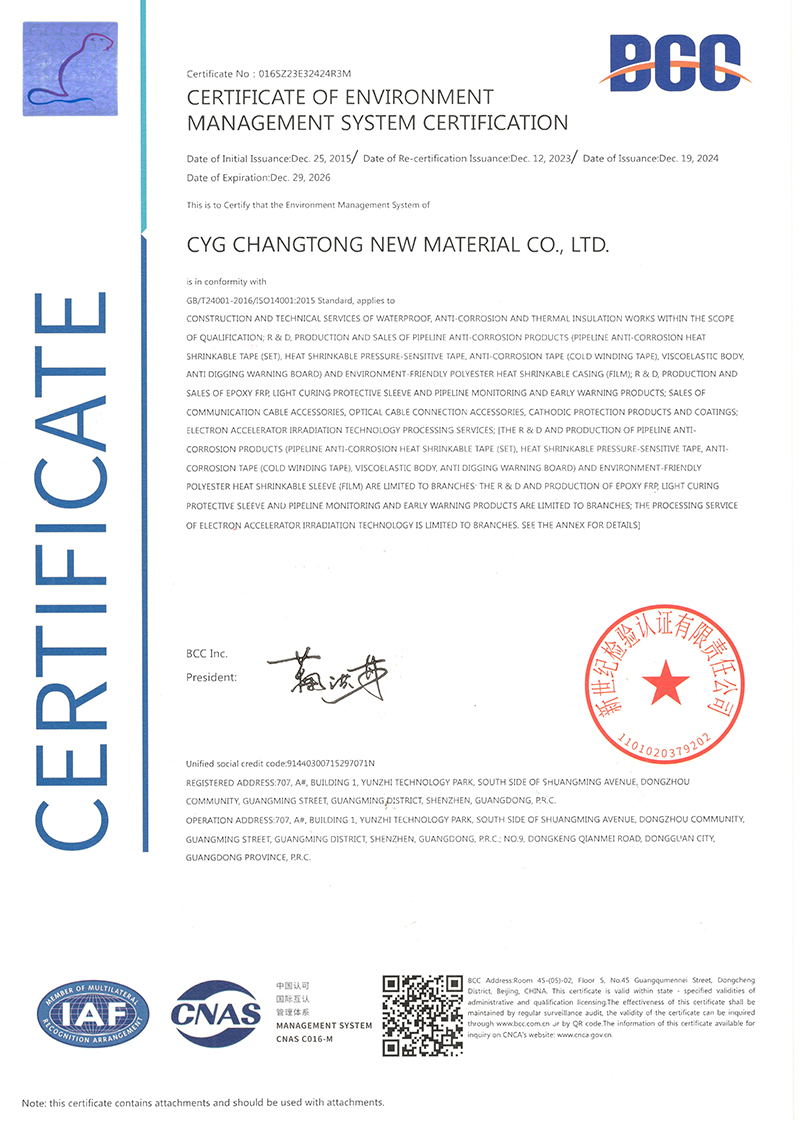
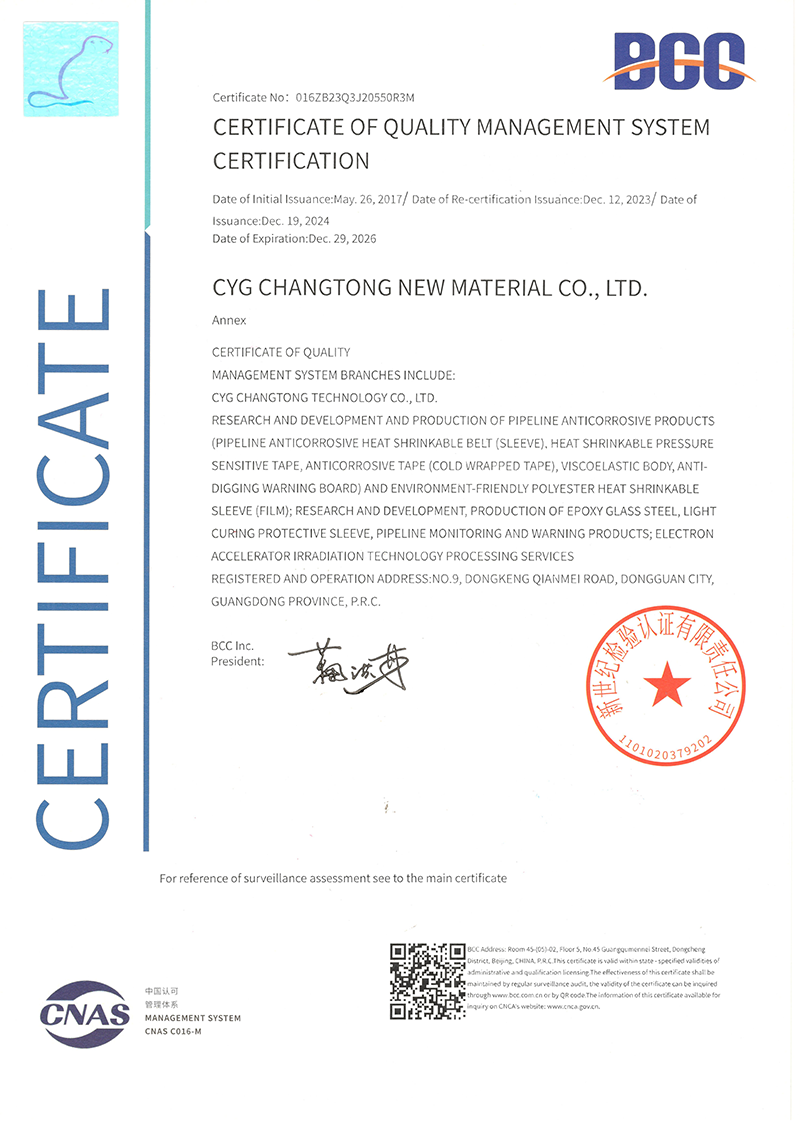
CYCT operates a national CNAS-accredited laboratory, ensuring every batch of viscoelastic material meets stringent performance standards. Our manufacturing lines run under strict ISO 9001, ISO 14001, and ISO 45001 management protocols. This commitment to quality secures a highly resilient supply chain that handles large-scale international orders and consistently delivers within tight project schedules. By managing the supply chain from raw monomer selection to final extrusion, CYCT ensures cost efficiencies that directly benefit global EPC contractors.
Field conditions vary dramatically by region. Viscoelastic putty has proven highly adaptable across a wide range of climates:
Get answers to common technical and field application questions from our senior corrosion specialists.
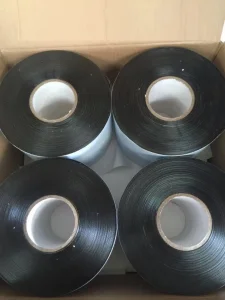
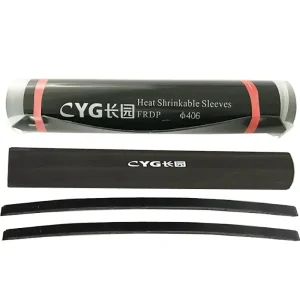
A broad selection of repair systems, tapes, and field joint wraps designed to support global pipeline installation and rehabilitation.
 CYCT
CYCT