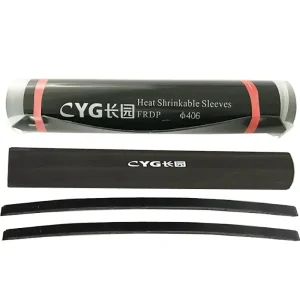
A comprehensive overview of Field Joint Primers and their critical role in ensuring long-term mechanical and chemical protection of modern high-pressure pipelines.
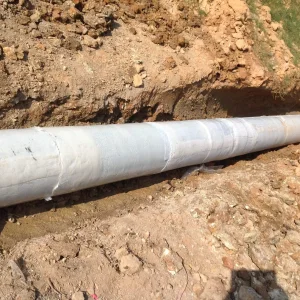
In midstream transmission pipelines, the field joint is historically identified as the single most critical vulnerability. While line pipes receive highly standardized, factory-applied coatings (such as 3-layer polyethylene (3LPE) or 3-layer polypropylene (3LPP)), the field weld joint must be coated on-site under variable weather and environmental conditions. This makes field joint coating (FJC) applications the decisive factor in the service life of pipelines carrying natural gas, crude oil, petrochemicals, and municipal water networks.
The Priming Nexus: A high-performance liquid epoxy or viscoelastic primer acts as the structural molecular bridge. Without high-grade adhesion, the outer protective heat-shrinkable sleeve or tape system suffers cathodic disbondment, water ingress, and localized pitting corrosion under cyclic mechanical and thermal loads.
As a leading Chinese state-level high-tech enterprise, CYCT New Materials Company Limited has dedicated over two decades to formulating advanced polymeric coatings, viscoelastic systems, and specialized primer layers that exceed performance guidelines set by international standards including ISO 21809-3, DIN 30672, and EN 12068.
Discover the technical specifications and chemistry pathways driving modern pipeline engineering.
High-solids, solvent-free liquid epoxy primers are applied directly to blast-cleaned steel substrates (Sa 2.5). When combined with heat-shrink sleeves (HSS), they cure to form a chemical cross-linked network that resists cathodic disbondment up to 120°C. CYCT manufactures customized two-component epoxy systems optimized for rapid field-cure cycles.
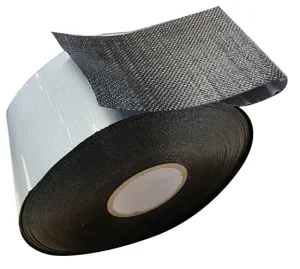
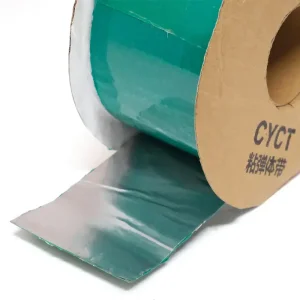
Characterized by liquid-like cold-flow wetting properties and solid-like elasticity, viscoelastic coatings (such as VT95 and aluminum foil viscoelastic tapes) do not require a separate liquid primer layer. They offer self-healing properties that flow into micro-roughness anomalies on steel, providing absolute water resistance.
The global shift toward deep-reservoir extraction and offshore exploration demands coatings that operate reliably under high thermal profiles. Polypropylene (3LPP) and specialized heat-shrinkable sleeves must retain their shear strength and adhesion under continuous operating temperatures up to 110°C–120°C.
| Coating System Type | Primer Requirement | Operating Temp Range | Key Performance Strengths | Typical Applications |
|---|---|---|---|---|
| 3-Layer PE Sleeve System | Liquid Epoxy (Solvent-free) | -40°C to +80°C | Excellent mechanical strength, low water permeation | Cross-country gas & oil trunklines |
| 3-Layer PP Sleeve System | High-temp Liquid Epoxy | -20°C to +110°C | Exceptional soil stress & high thermal resistance | Deep burial and high-temperature oil lines |
| Viscoelastic VT95 Tape | Self-priming (No primer) | -45°C to +95°C | Zero curing time, self-healing, minimal surface prep | Valves, fittings, repairs & rehabilitation |
| Photo-Curing GRP Sleeve | Co-polymer adhesive / Epoxy | -40°C to +80°C | Extreme impact resistance, mechanical armoring | Horizontal Directional Drilling (HDD) crossings |
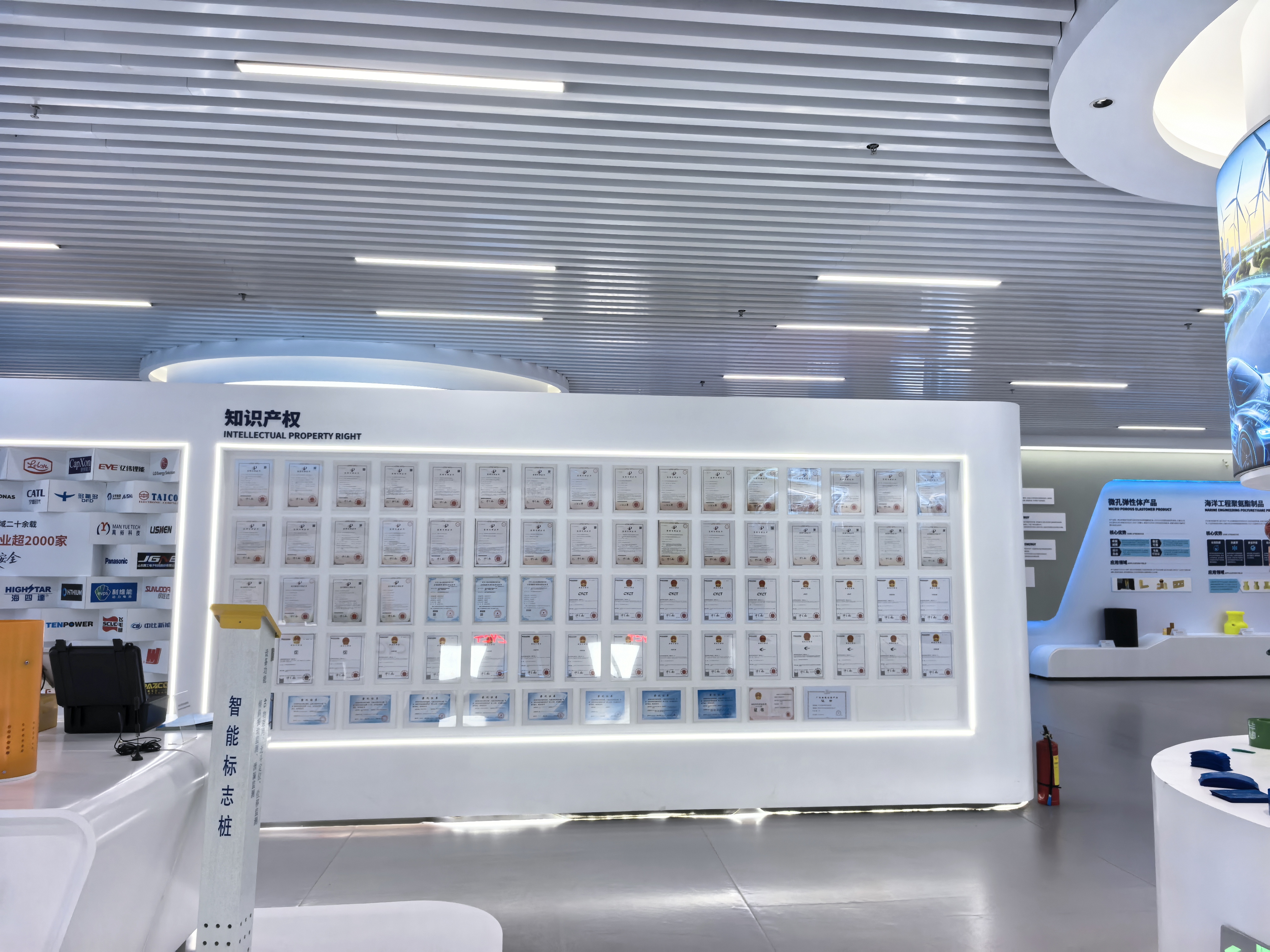
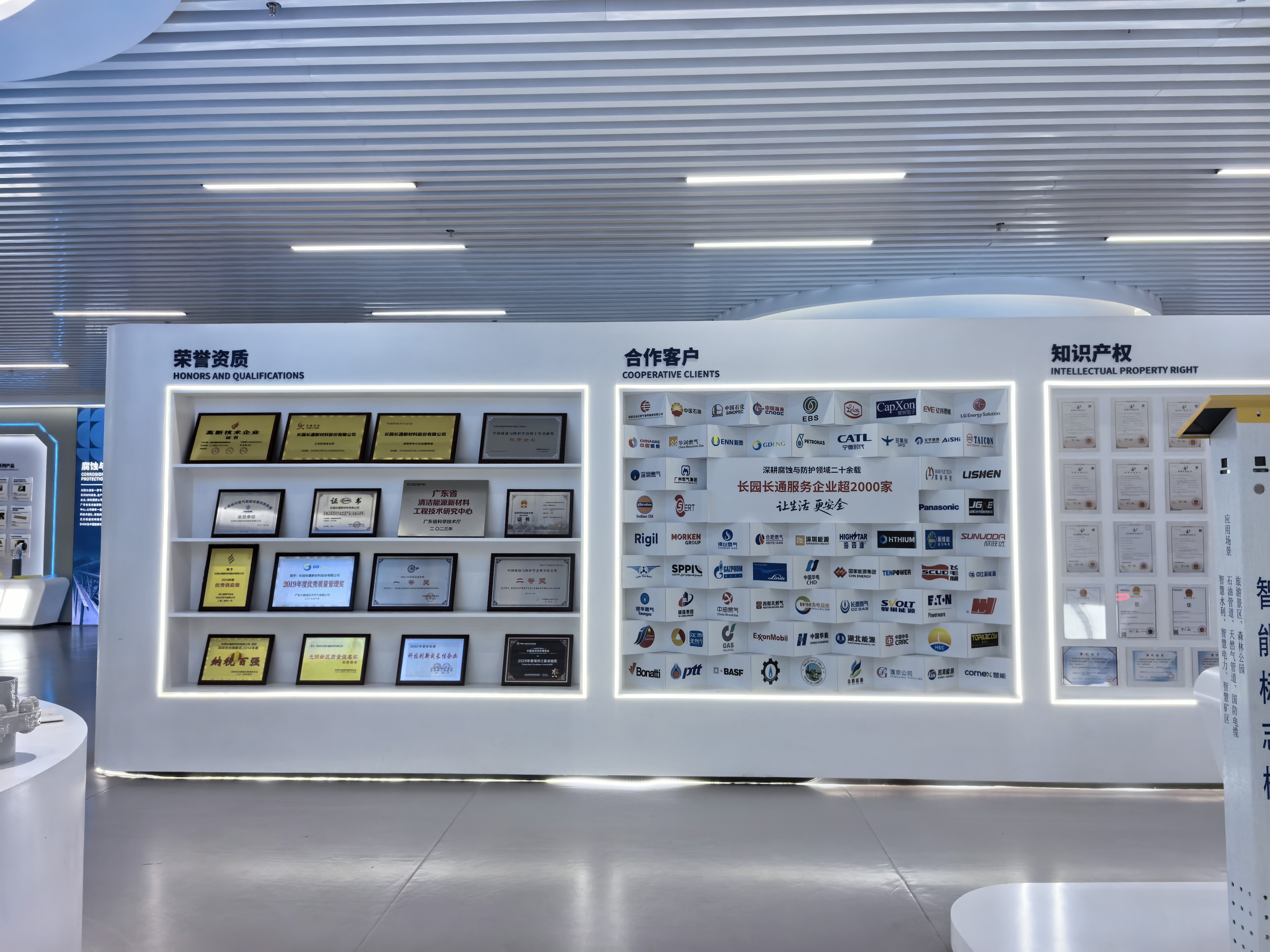
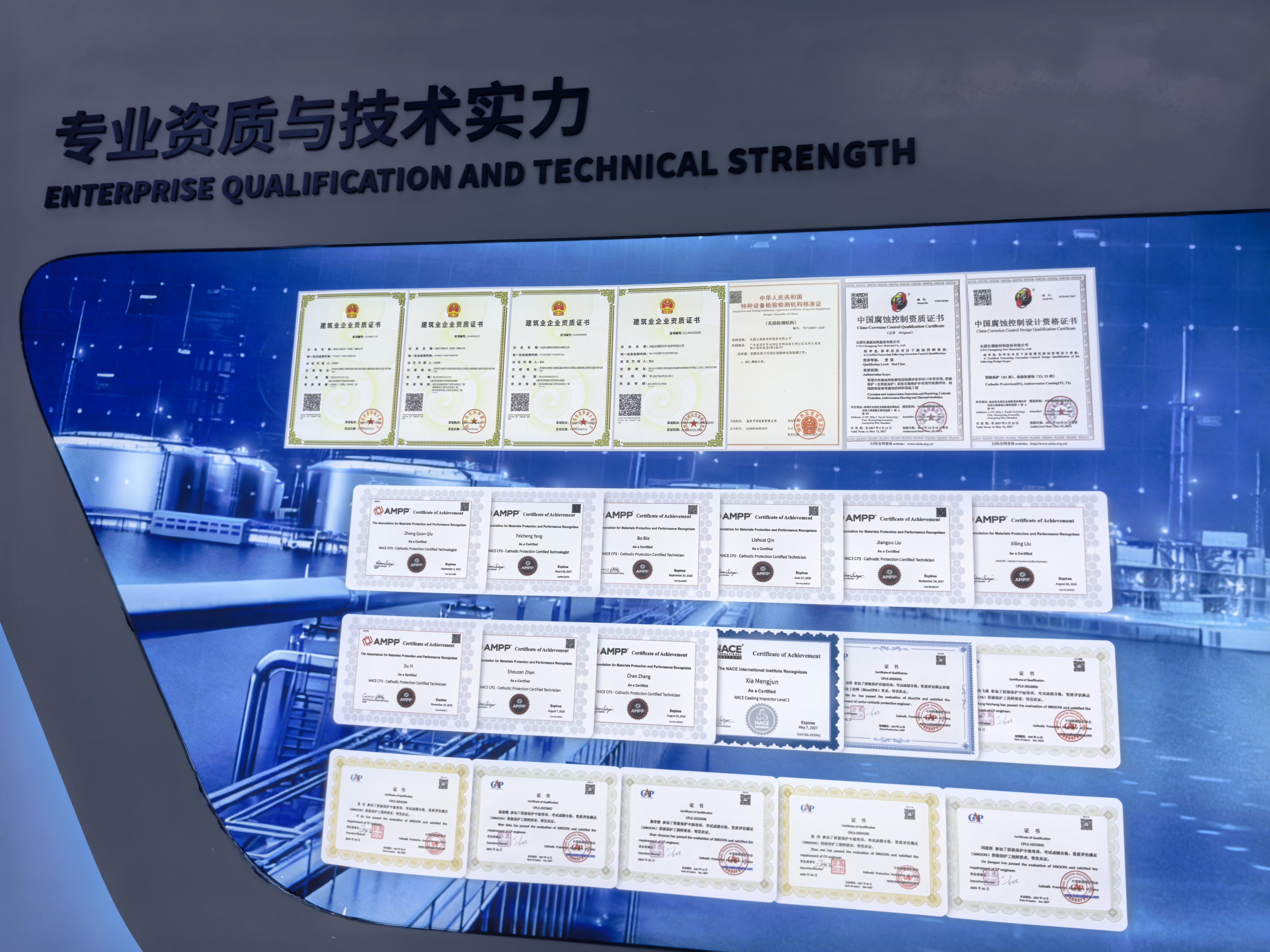
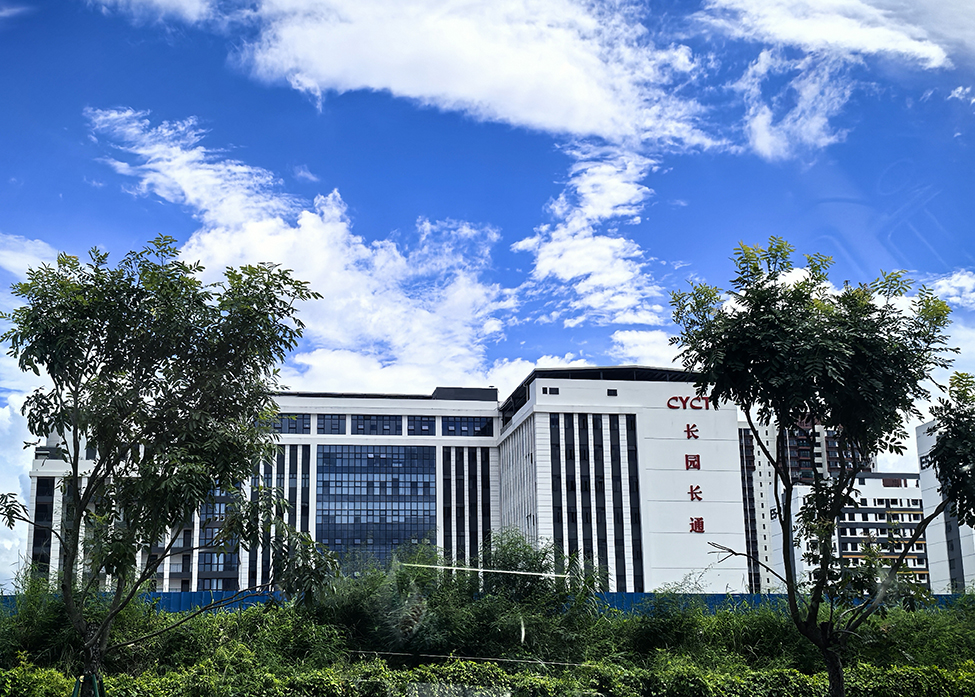
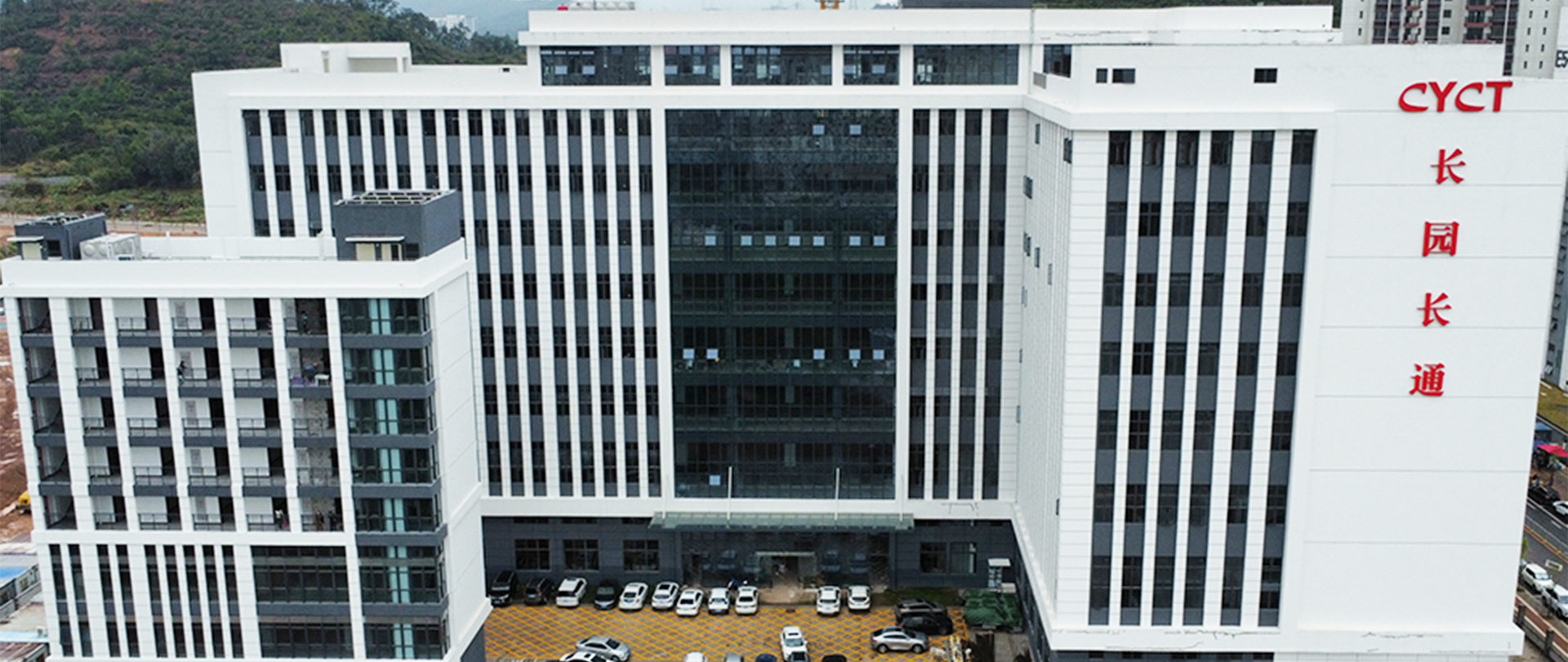
CYCT New Materials Company Limited is a state-level high-tech enterprise integrating the R&D, manufacturing, and technical sales of pipeline corrosion protection materials. We support asset integrity through high-precision buried pipeline detection services and professional on-site coating application consultation.
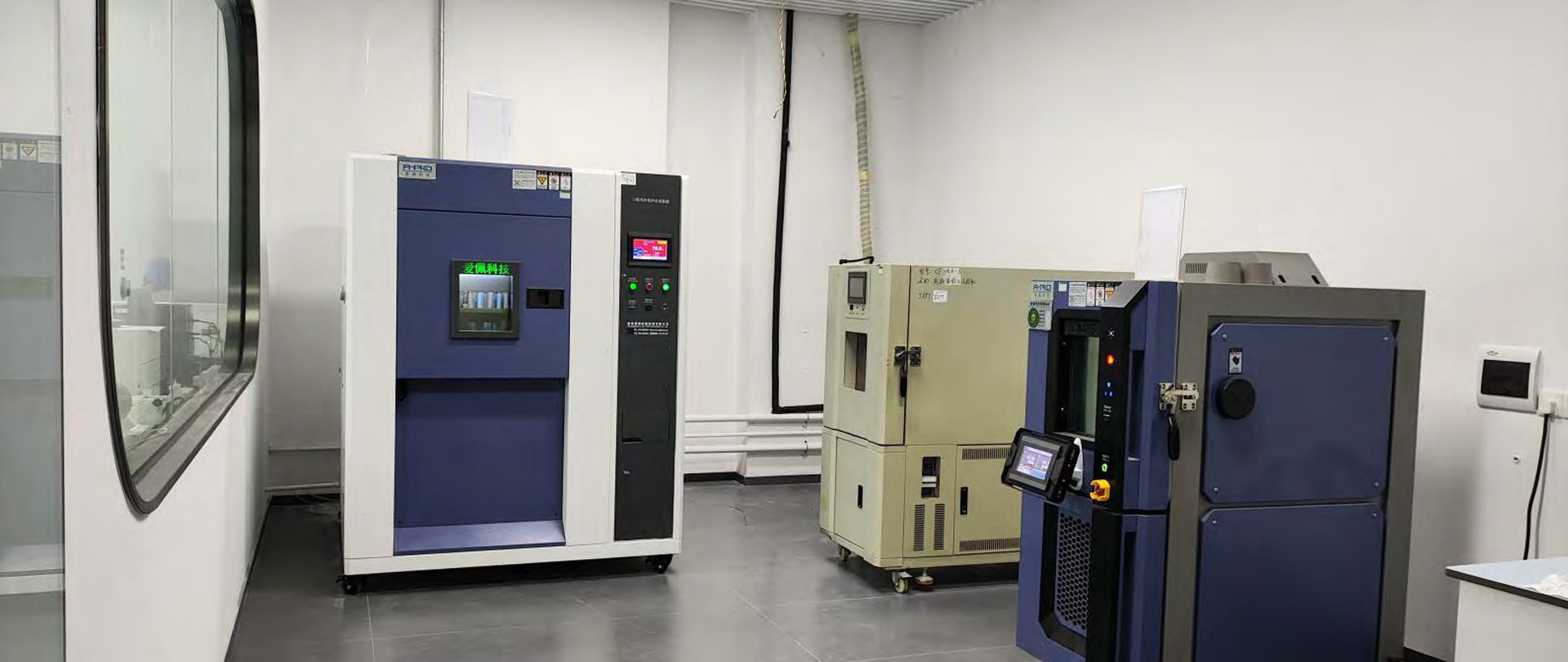
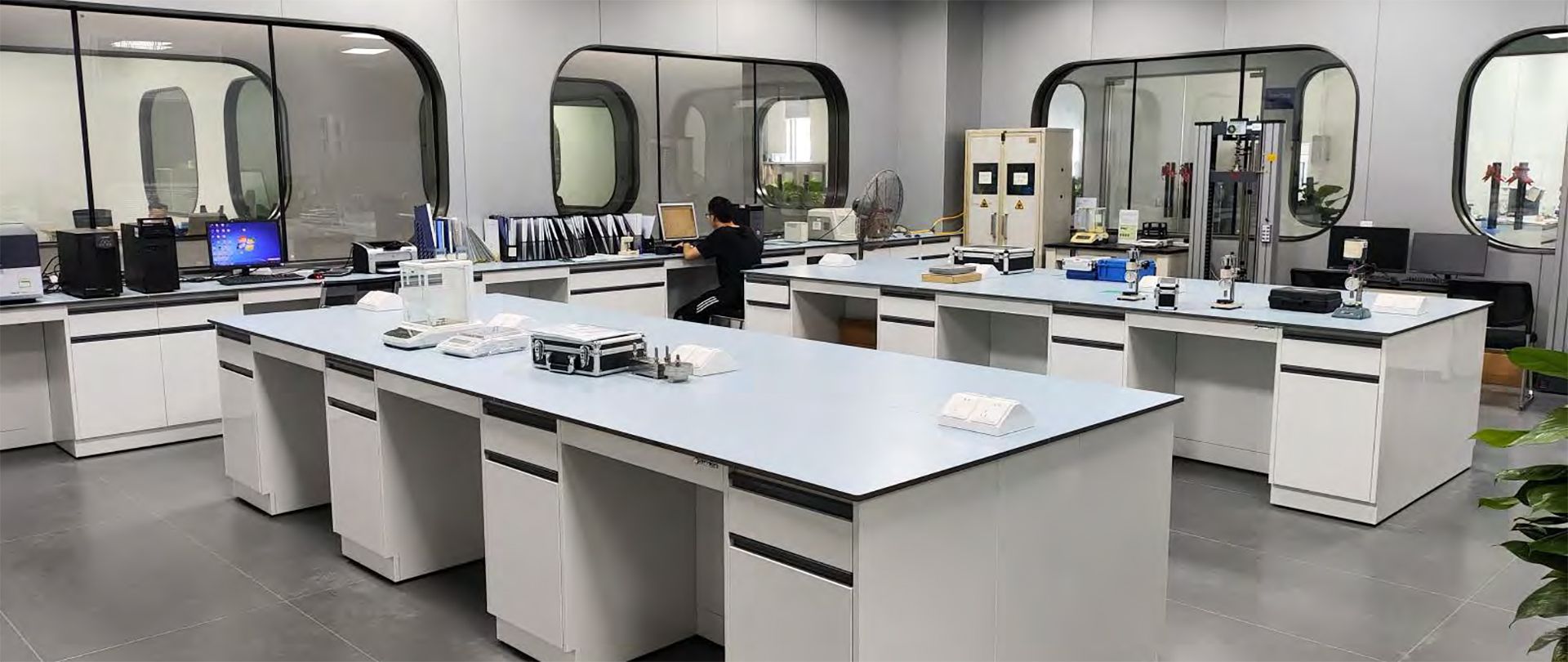
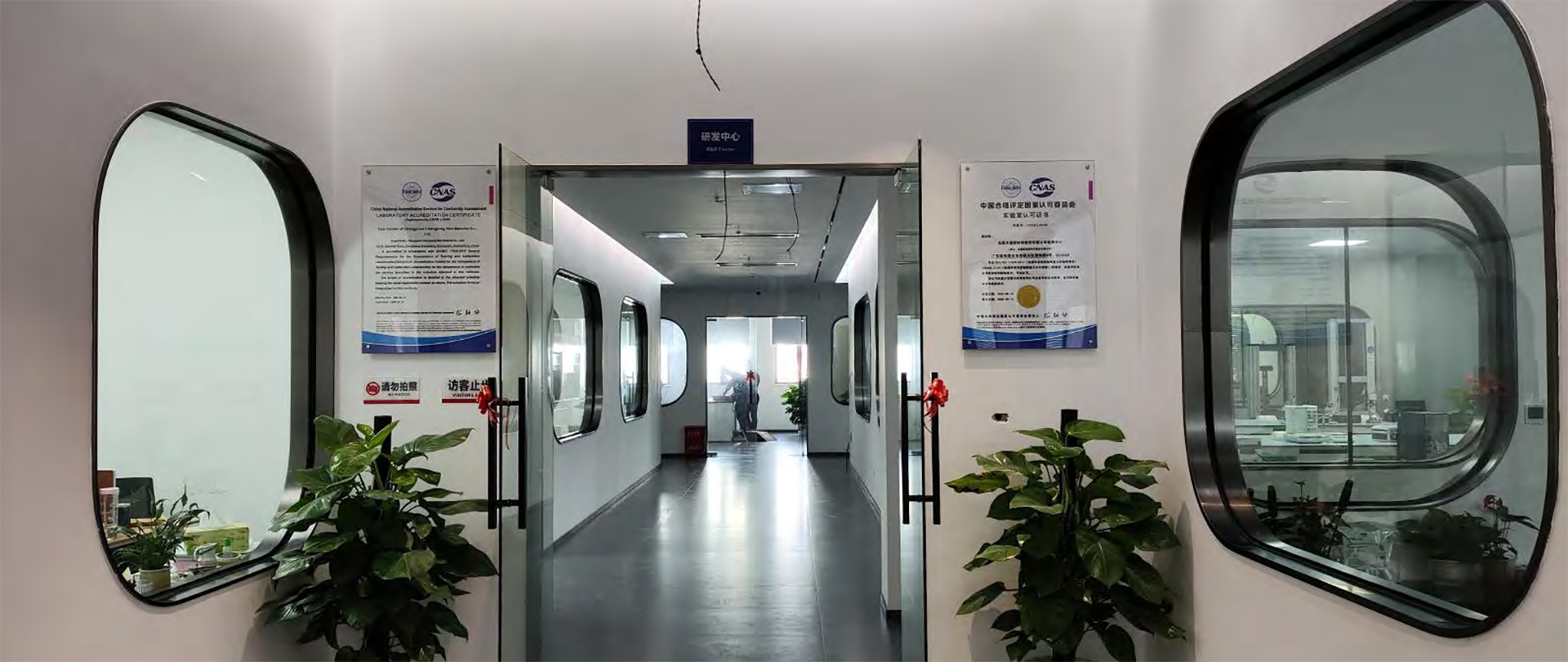
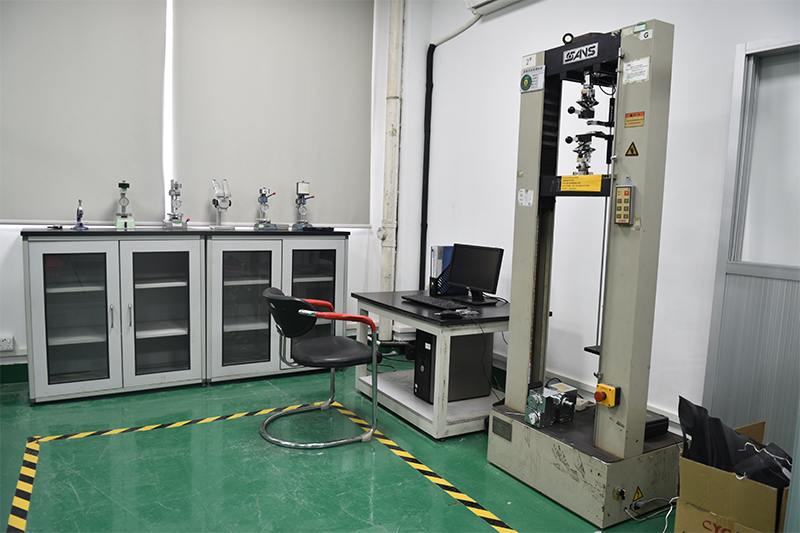
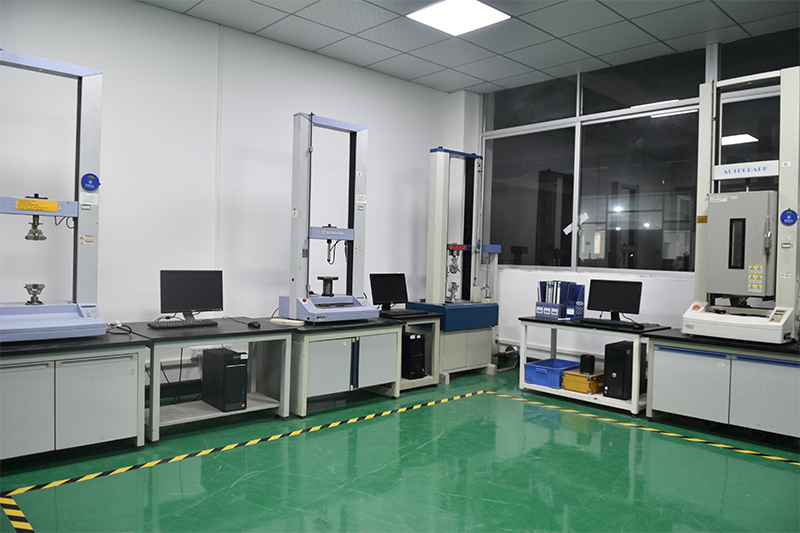
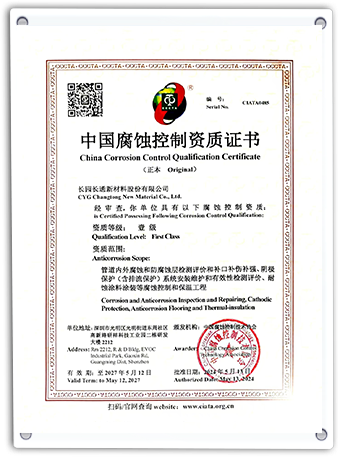
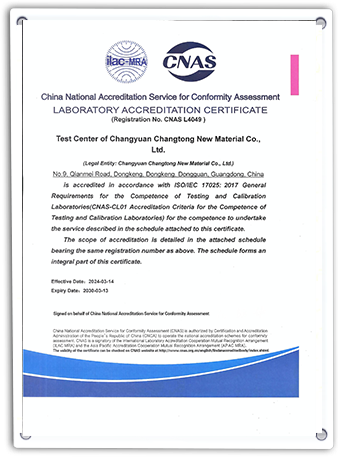
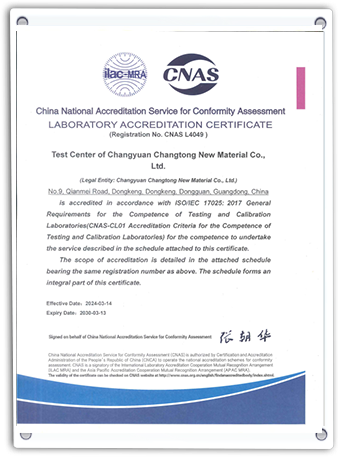
Over decades of expansion, CYCT has developed an industry-leading R&D infrastructure, featuring a professional team of polymer chemists and materials engineers operating out of a national CNAS-accredited laboratory. This high-standard facility tests mechanical, thermal, and electrochemical performance, ensuring each batch meets rigorous Quality Assurance guidelines before shipment.
Deploying primers and heat-shrink systems according to world-class pipeline engineering guidelines.
Blast clean the steel joint area to a minimum of Sa 2.5 cleanliness (ISO 8501-1) with an anchor profile of 50–90 μm. Pre-heat the joint area to prevent moisture condensation and optimize substrate reactivity.
Mix the two-component epoxy primer thoroughly. Apply a uniform, thin layer of liquid epoxy to the bare steel and the adjacent line pipe coating bevel using an applicator pad or spray gun to target wet film thickness (WFT) criteria.
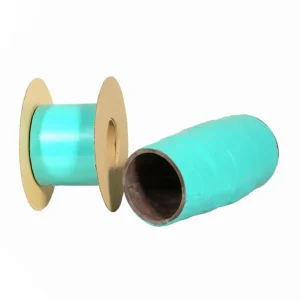
Wrap the pre-heated heat-shrink sleeve over the wet or partially cured primer. Seal the overlap closure strip, then shrink the sleeve radially using a propane torch or induction heating coil starting from the center out to the edges.
CYCT's technical prowess extends beyond simple supply. We design customized corrosion control programs. Through deep integration with standard engineering frameworks, CYCT provides cathodic protection, buried pipeline inspection, line rehabilitation, and complete EPC support solutions.
Our formulations are subjected to long-term aging tests under simulated soil settlement stress, dynamic shear, and cathodic disbondment setups. This makes CYCT New Materials the preferred manufacturing source for global contractors requiring dependable anti-corrosion tapes, PE/PP repair patches, and specialty sleeves.
We answer essential technical questions commonly raised by pipeline corrosion engineers, inspectors, and procurement teams.
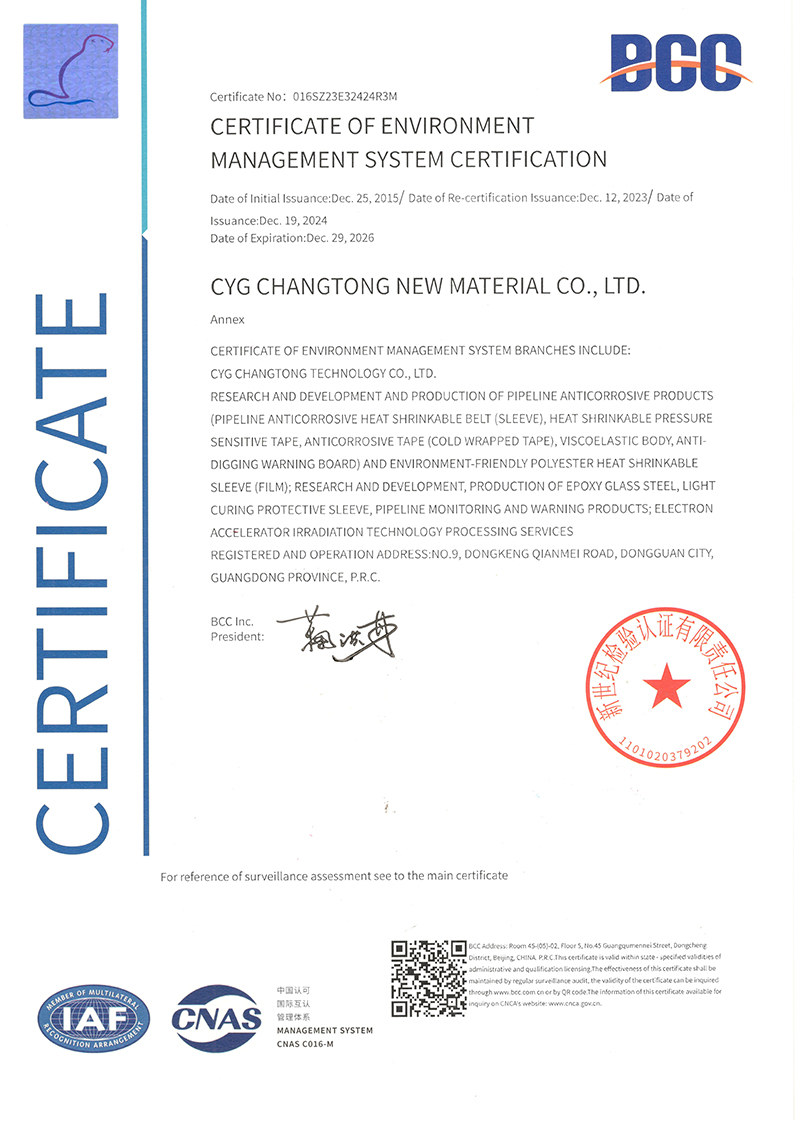
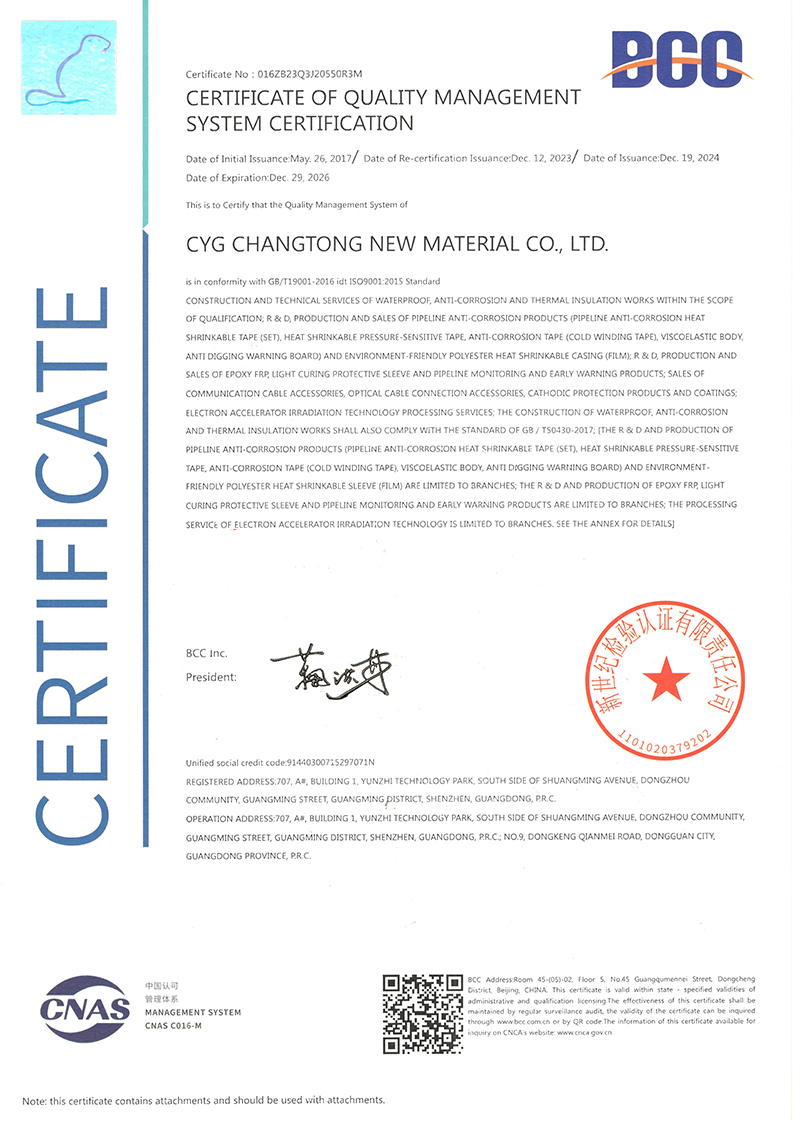
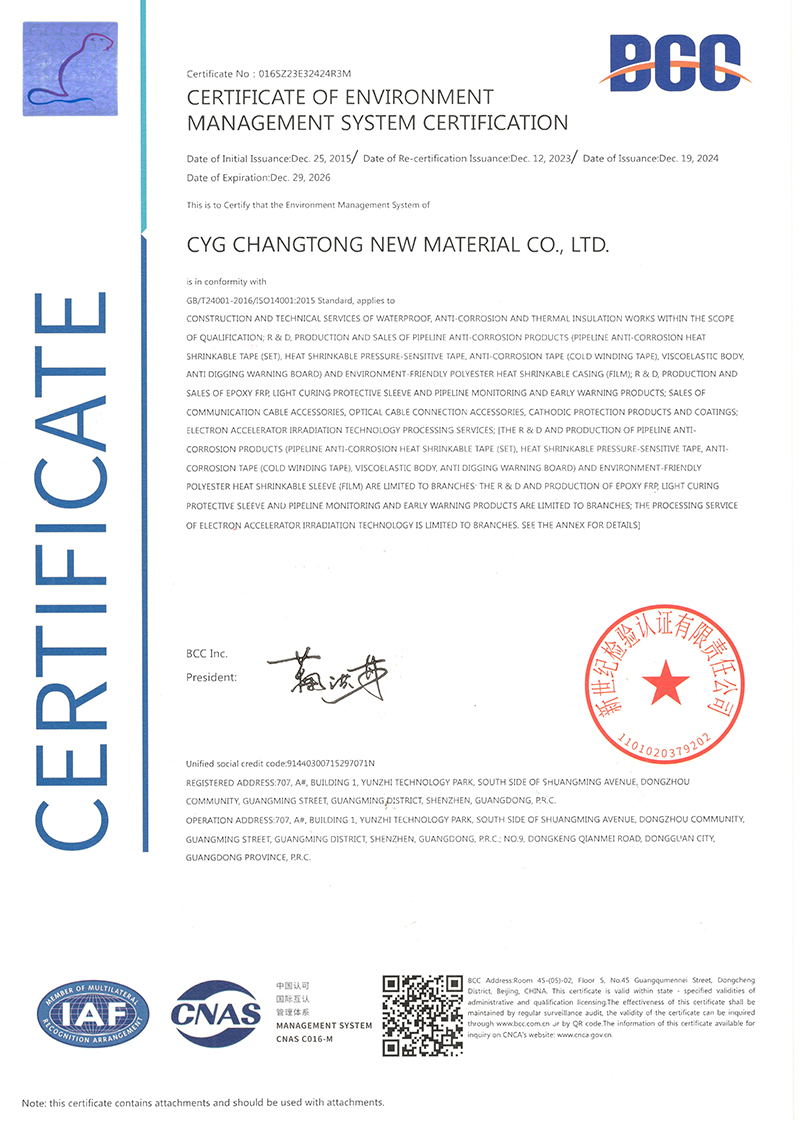
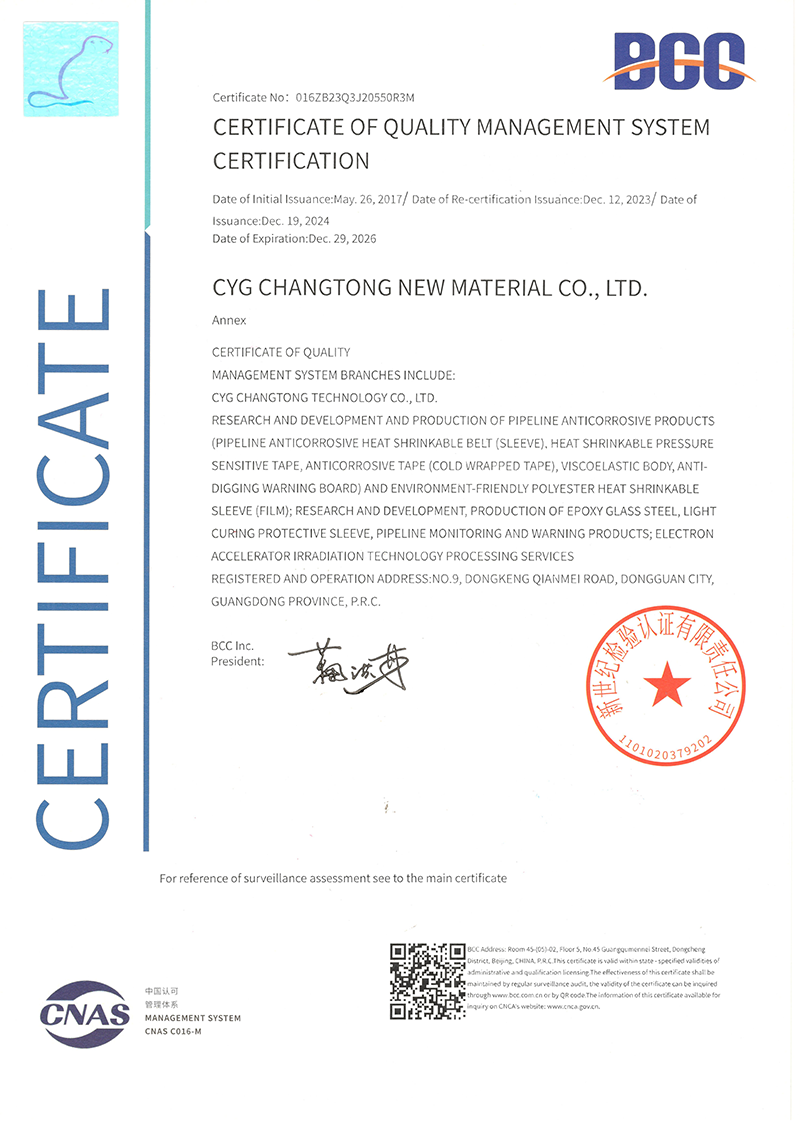
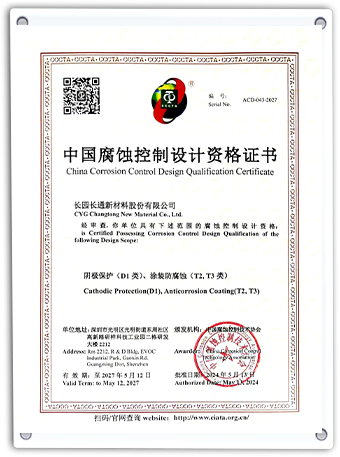
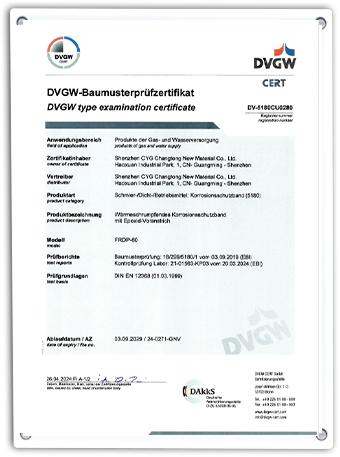
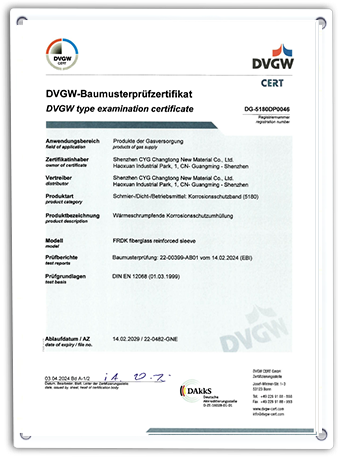
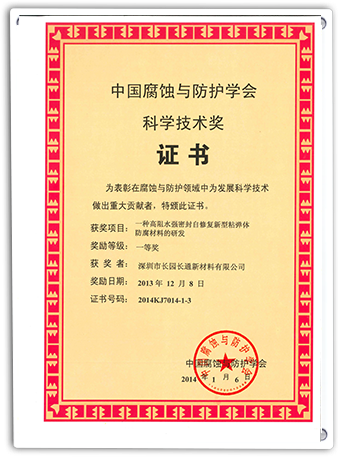
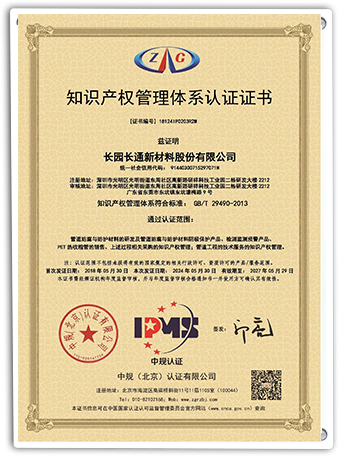
We maintain rigorous testing protocols and international compliance standards to deliver reliable quality.
 CYCT
CYCT