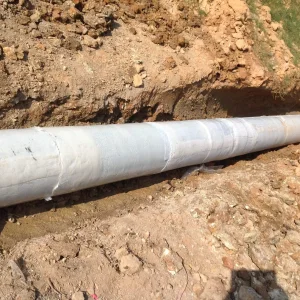
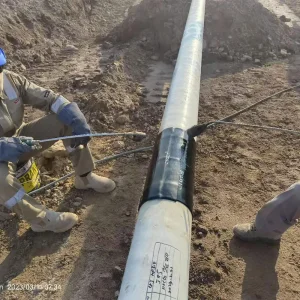
In modern pipeline transportation systems—spanning petroleum, natural gas, chemical process fluids, and municipal water utilities—maintaining structural integrity at field joint welds is critical. Pipelines frequently pass through challenging geopolitical terrains and climatic regions, including sub-zero arctic landscapes, tundra, high-altitude mountains, and sub-sea environments. Under these conditions, typical field joint coatings (FJC) are prone to installation failures, brittle cracking, and loss of adhesion, which accelerate localized corrosion.
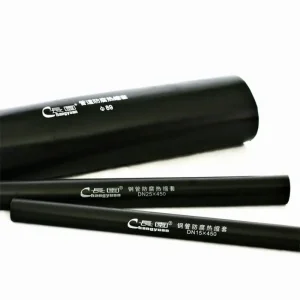
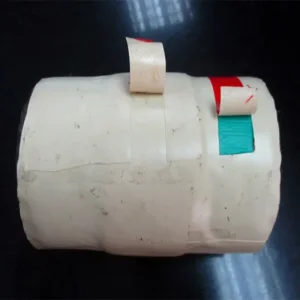
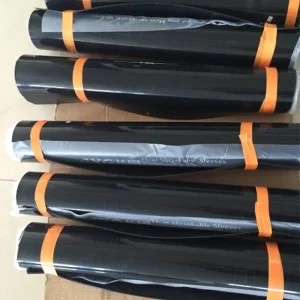
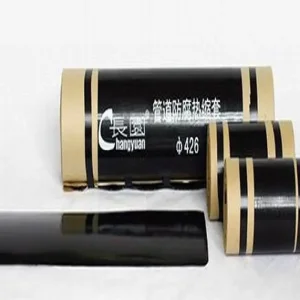
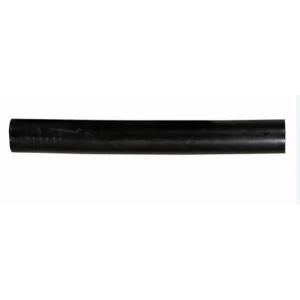
As a leading China Low Temperature Shrink Sleeve Factory, CYCT addresses these critical vulnerabilities by manufacturing advanced cross-linked polyolefin heat-shrinkable sleeves and viscoelastic materials engineered specifically for low-temperature application. Our research focuses on solving the challenges associated with standard adhesive flow and backing contraction in temperatures down to -10°C or lower. Operating in these sub-zero environments without compromising the mechanical integrity of the polymer interface requires highly engineered material solutions.
Field joint coatings represent less than 2% of the overall capital expenditure of a pipeline project, yet they account for over 80% of localized pipeline corrosion failures. Low-temperature heat shrinkable sleeves play an essential role in preventing water ingress and cathodic disbondment during sub-zero construction campaigns across Eurasia, North America, and cold alpine regions.
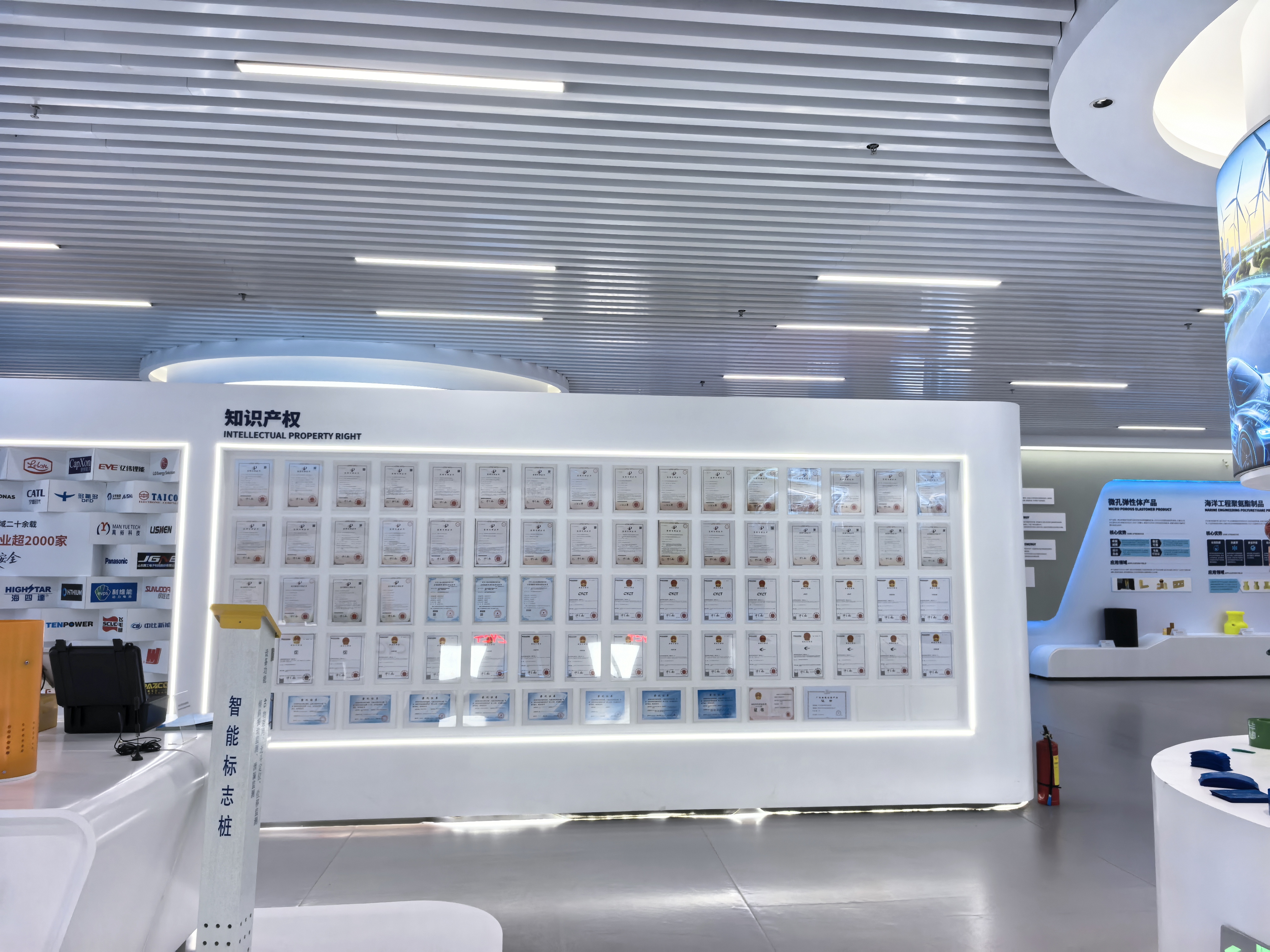
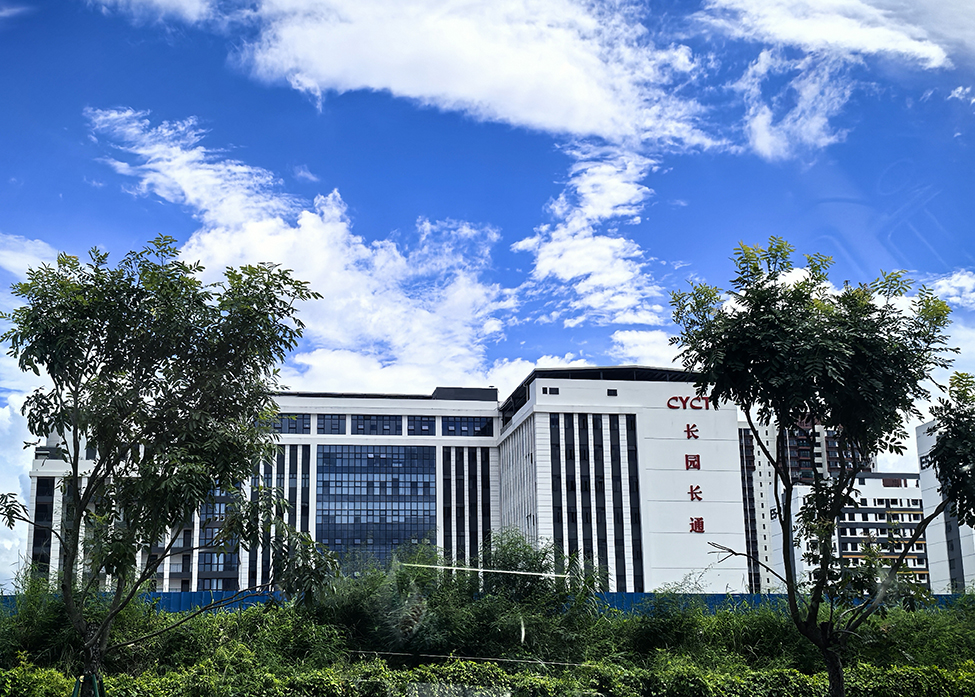
CYCT New Materials Company Limited (for short, CYCT), founded in 2000, is a state-level high-tech enterprise integrating R&D, production, and sales of pipeline corrosion protection materials. Our capabilities extend to buried pipeline detection services and pipeline coating field application services, providing a comprehensive lifecycle solution for global pipeline networks.
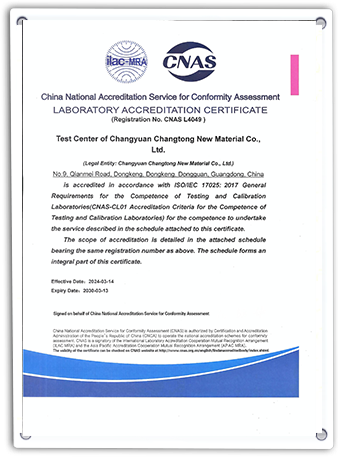
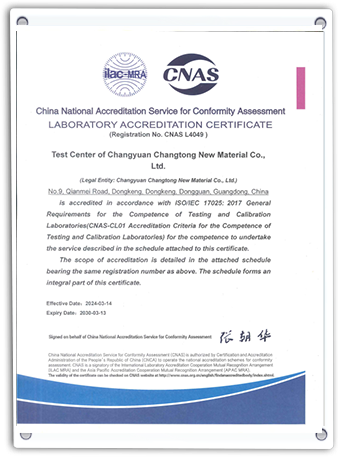
For decades, CYCT has focused on developing advanced polymer technologies. Partnering with leading domestic and international research institutes—such as the CNPC Pipeline Science Research Institute—we design and manufacture anti-corrosion materials that meet the demanding requirements of industrial installations. Our state-of-the-art facilities house a national CNAS-accredited laboratory, allowing our engineers to conduct rigorous thermal analysis, mechanical testing, and chemical resistance evaluations on every batch of material produced.
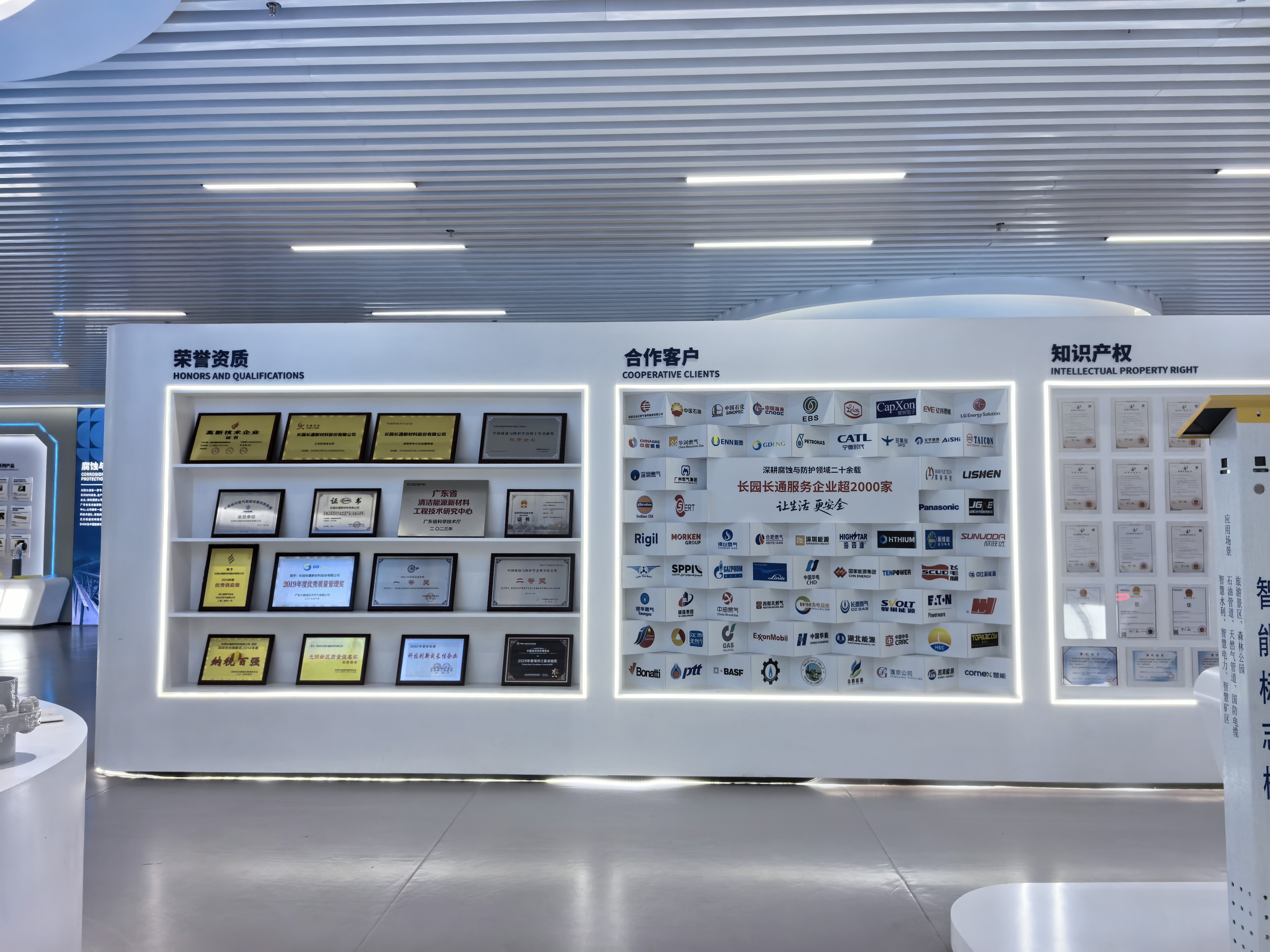
CYCT has long served as a stable supplier of field joint coatings for leading oil and gas operators, including PetroChina, Sinopec, PipeChina, and localized pipeline bureaus. Our products have established a high market share in domestic pipeline projects and are exported to international markets for major clients, such as the Indian Oil Corporation. In addition to our low-temperature shrink sleeves, CYCT has developed specialized corrosion protection materials including viscoelastic anti-corrosion tapes, photo-curing sleeves for Horizontal Directional Drilling (HDD) protection, and polyurea coatings.
Designing heat shrinkable sleeves for low-temperature application requires managing two primary technical challenges: backing recovery stress and low-temperature adhesive flow. Standard heat-shrink sleeves require preheating the steel pipeline to 60°C–120°C, which can be difficult to maintain when ambient winds and sub-zero temperatures cause rapid heat loss. CYCT's low-temperature systems utilize specialized modified co-polymer backing and high-tack viscoelastic or hot-melt adhesives to ensure reliable bonding even under compromised pre-heat profiles.
Our backing uses high-density polyethylene (HDPE) modified with proprietary elastomers and cross-linked via electron beam radiation. This gives the sleeve a "memory effect" that ensures maximum recovery force and high resistance to soil stress, shear forces, and mechanical impacts.
The adhesive layer features modified copolymers that maintain flexibility and high tack below 0°C. By avoiding glass transition embrittlement, the adhesive wets the steel surface to form an airtight barrier against moisture and oxygen ingress.
In cold climates, soil freeze-thaw cycles subject buried pipelines to axial and radial soil movement. CYCT's low-temperature sleeves are engineered to absorb these dynamic shear forces without slipping, disbonding, or tearing at the overlap.
| Performance Characteristic | Standard Heat Shrink Sleeve | CYCT Low-Temperature Shrink Sleeve | Viscoelastic Coating System |
|---|---|---|---|
| Min. Installation Temp | +10°C (requires high preheat) | -10°C to -15°C (minimal preheat) | -20°C (no preheat required) |
| Cathodic Disbondment | Moderate < 15mm at 60°C | Excellent < 8mm at 60°C | Excellent (self-healing properties) |
| Shear Resistance | High (rigid backing) | High (elastomeric modified backing) | Moderate (requires mechanical outer wrap) |
| Impact Resistance | > 15 J | > 20 J (enhanced low-temp elasticity) | Dependent on outer mechanical shield |
Pipeline installation requires specialized materials configured for specific civil engineering challenges. In horizontal directional drilling (HDD) crossings, pipeline coatings must withstand intense abrasion, shear, and pull-back stresses. Standard coatings can peel back under these conditions, exposing the steel substrate to immediate corrosion. To address this, CYCT offers specialized product systems:
HDD installations pull welded pipelines through long underground boreholes containing rock, gravel, and abrasive slurry. The FRDP Heat Shrinkable Fiberglass Reinforced Sleeve provides the mechanical protection and high shear strength required to prevent coating damage during pullback.
For added protection, our Photo-Curing Protective Sleeve (UV-Curing GRP Sheet) can be applied over the heat-shrink sleeve, curing under natural solar or UV light to form an impact-resistant outer shell.
When rehabilitation work is conducted on operating pipelines, minimal shutdown time is crucial. Our Viscoelastic Coating System provides a long-term solution that can be applied with minimal surface preparation (SP2/SP3 wire brushing rather than SA2.5 abrasive blasting).
This system's cold-flow properties allow it to wet the steel substrate and self-heal minor mechanical damage, making it suitable for field repair projects in remote regions.
Minor coating damage can occur during handling, transport, or excavation. Rather than removing the entire coating, field engineers use localized repair systems.
CYCT provides PP Repair Patches for 3LPP Coatings, High-Temperature Repair Patches for PE Coatings, and High Temperature Hot Melt Sticks (engineered for operating temperatures up to 85°C). These products melt and bond directly with the factory-applied coating, restoring the integrity of the barrier.
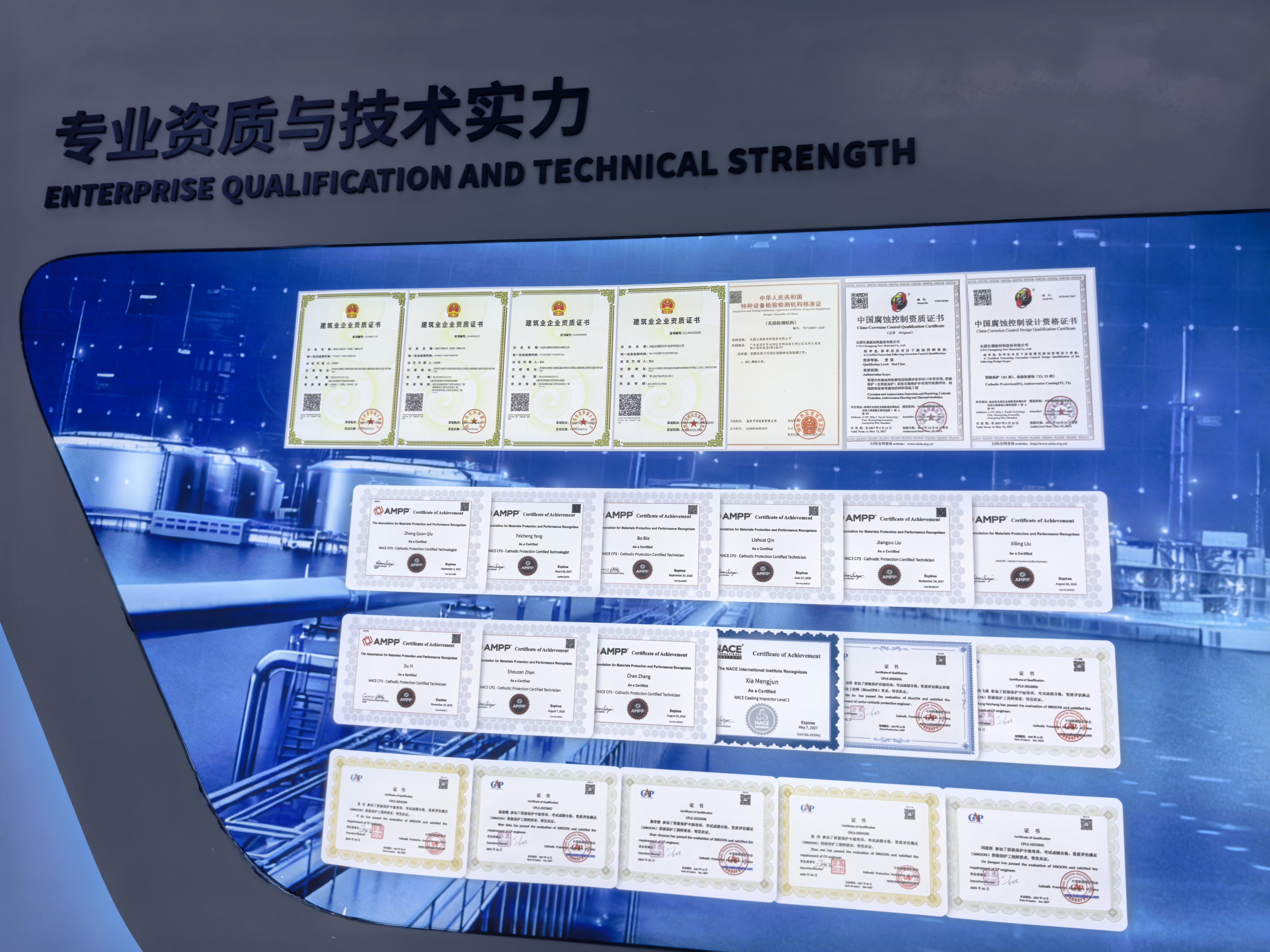
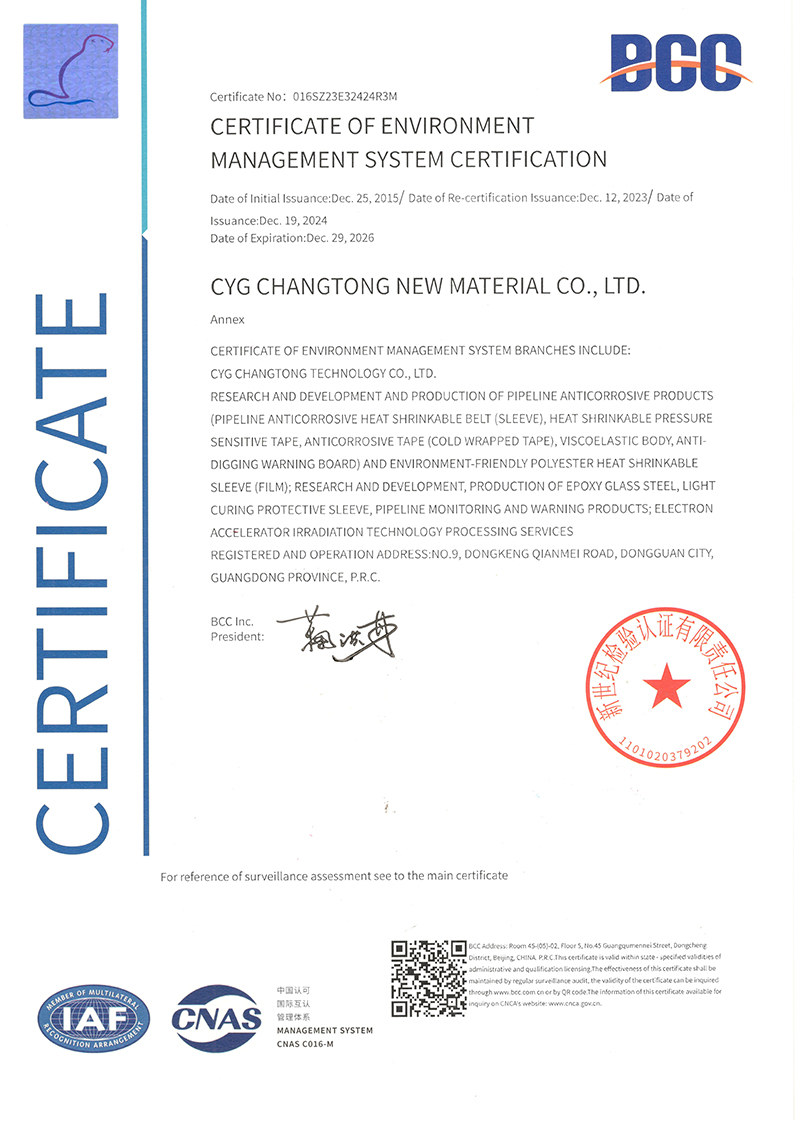
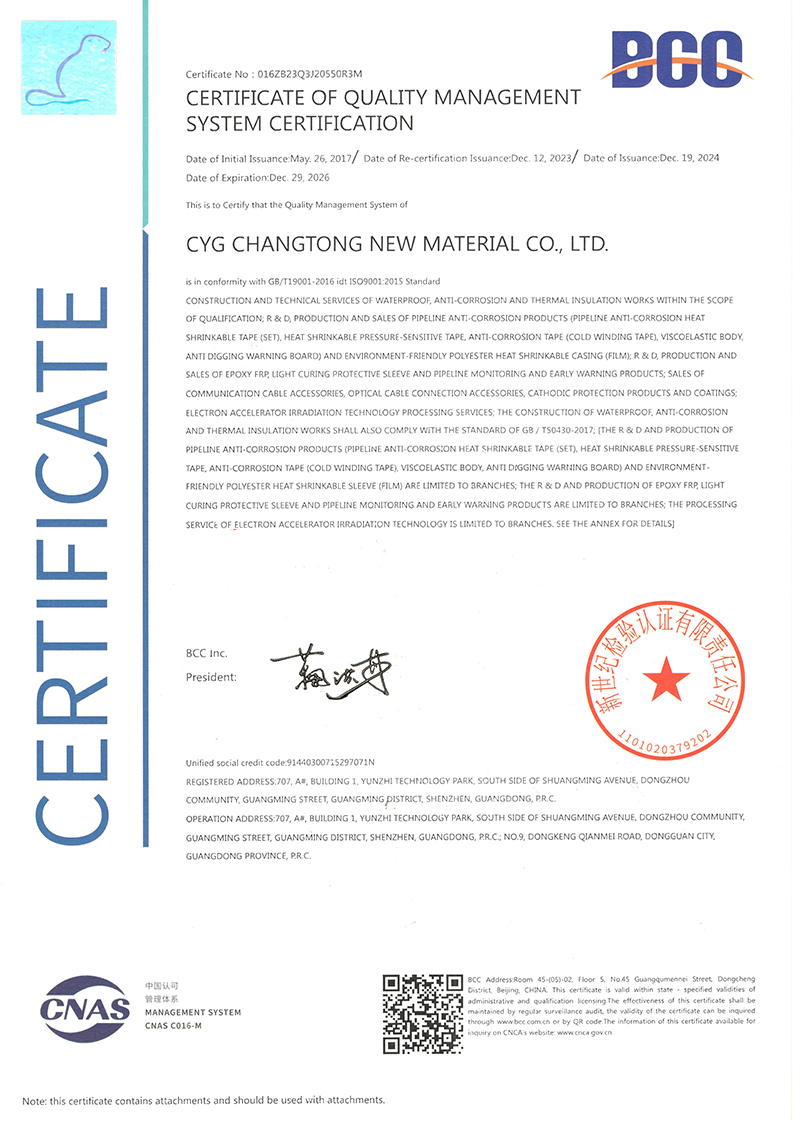
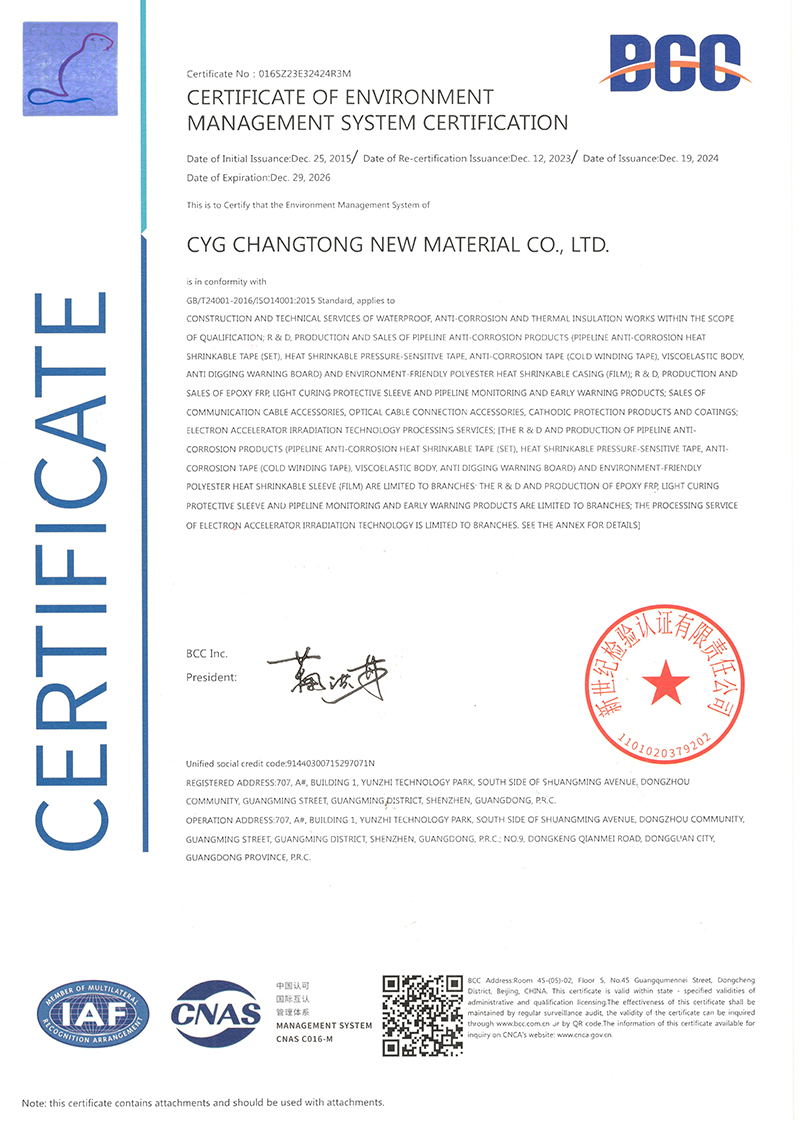
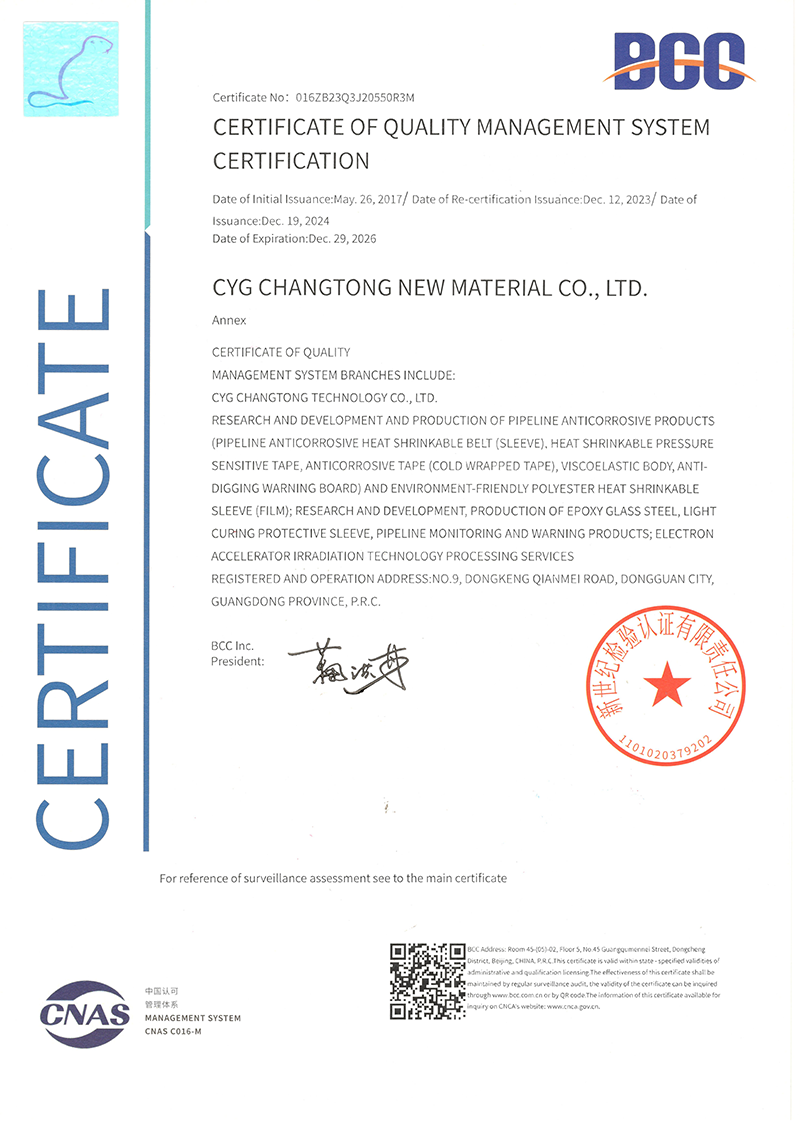
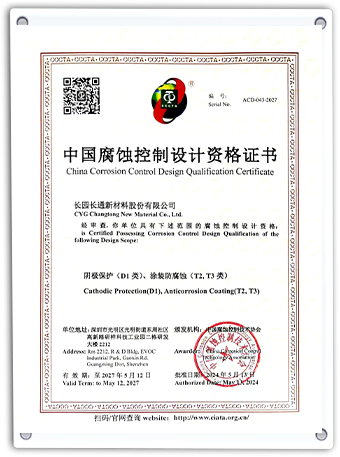
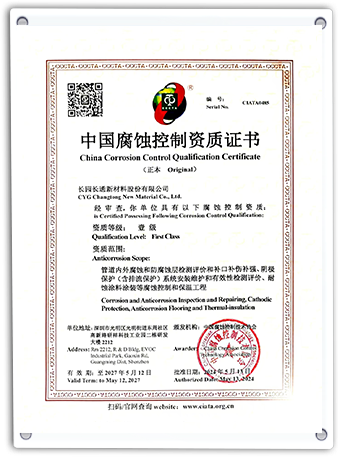
At CYCT, we recognize that pipeline anti-corrosion is a critical safety consideration. Our manufacturing facilities operate under a certified ISO 9001, ISO 14001, and ISO 45001 management framework. As an active member of the Council in the Chinese Society for Corrosion and Protection (CSCP) and a corporate member of the China Association of Petroleum Engineering Construction (CAPEC), we align our product development with national and international pipeline specifications.
Our quality control processes are supported by our national CNAS-accredited laboratory, where we conduct performance verification testing on our low-temperature shrink sleeves. This testing evaluates key performance metrics according to global standards, including ISO 21809-3, EN 12068, and NACE RP0303:
Evaluates the sleeve's resistance to peel-back caused by cathodic protection systems. Our low-temperature formulas maintain tight disbondment radii even under high electrical stress in cold-temperature environments.
Measures the bond strength between the adhesive, the steel pipe, and the factory line coating. We test peel strength down to -15°C to ensure the adhesive retains elastomeric flexibility and adhesion.
Simulates decades of operational service life. Our cross-linked polymer backings and modified adhesives are subjected to oven aging to ensure they retain elongation and tensile strength properties over time.
As pipeline operators transition to higher-temperature transported fluids and construct infrastructure in increasingly remote and sensitive areas, field joint coating requirements continue to evolve. CYCT is investing in several key technology initiatives to address these trends:
 CYCT
CYCT