High-performance polymeric formulations engineered to exceed municipal, industrial, and oceanic engineering benchmarks.
Marine and offshore environments present some of the most aggressive corrosion threats to steel structures and pipelines globally. The synergic action of high salinity, continuous dissolved oxygen exposure, cyclical tidal variations, dynamic hydrodynamic loading, and ultraviolet (UV) radiation accelerates electrochemical dissolution and degradation of steel substrates. Within this landscape, Marine Heat Shrink Wrap systems serve as an indispensable primary line of defense.
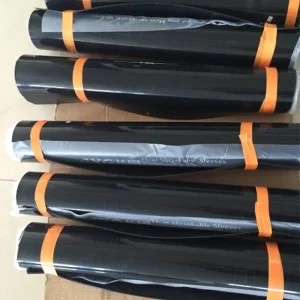
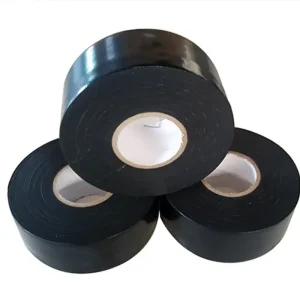
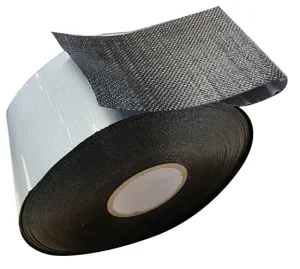
Industrial heat shrink technologies utilize radiation cross-linked polyolefin backings coupled with high-performance protective adhesives. The cross-linking process alters the molecular structure of the polymer, shifting it from a thermoplastic behavior to an elastomeric "elastic memory" state. When heat is applied, the polymer backing contracts, compressing a thick, viscous layer of hot-melt copolymer or viscoelastic adhesive into every micro-fissure of the steel surface. This creates a highly impermeable barrier that blocks moisture, chlorides, oxygen, and acidic gases, achieving complete dielectric isolation.
Achieves water vapor transmission rates below 0.05 g/m²·24h, isolating the substrate from continuous seawater submersion and splash zone cycling.
Specially cross-linked backing absorbs structural soil stress, backfill impact, and hydrodynamic drag without tearing or structural rupture.
Formulated to remain highly compatible with Cathodic Protection (CP) systems, preventing shield-off and keeping disbondment radii below 5mm at 80°C.
For international Engineering, Procurement, and Construction (EPC) consortiums and pipeline operators, specifying marine heat shrink sleeves goes far beyond choosing a brand. Modern procurement policies mandate strict adherence to international standards such as ISO 21809-3, DIN 30672, and EN 12068. These standards categorize coatings based on mechanical strength class (Class A, B, or C) and maximum operating temperatures (ranging from 50°C to 120°C).
In subsea pipelines and splash-zone structural designs, the choice of materials dictates the system design life, which frequently spans 30 to 50 years. Consequently, purchasing directors evaluate suppliers on critical technical parameters:
| Property Class | Test Standard | Target Values (High-Temp Systems) | Relevance to Marine Applications |
|---|---|---|---|
| Peel Strength (to Steel & PE) | ISO 21809-3 / EN 12068 | ≥ 100 N/cm at 23°C / ≥ 20 N/cm at 80°C | Ensures robust adhesion under severe hydrodynamic tides. |
| Cathodic Disbondment (CD) | ASTM G42 / ISO 21809-3 | ≤ 10 mm at 80°C (30 Days) | Prevents under-film corrosion if the coating suffers impact damage. |
| Impact Resistance | EN 12068 / ASTM G14 | ≥ 15 J (Joules) | Resists stone impacts during subsea backfilling operations. |
| Indentation Resistance | ISO 21809-3 / ASTM D2240 | ≥ 0.6 mm remaining thickness at 80°C | Maintains protection under heavy soil pressure or concrete weight coatings. |
Marine infrastructure involves varied geological and oceanic realities. Standard coatings fail when subjected to localized stresses. CYCT engineering teams have developed specialized material systems to address these unique challenges:
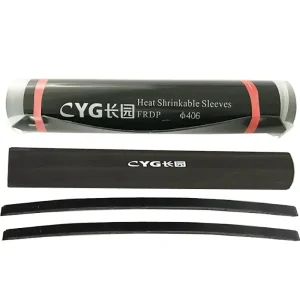
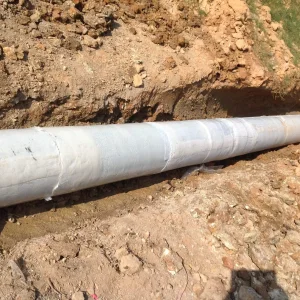
During offshore pipeline construction (J-lay or S-lay), pipe joints are welded together in rapid succession. The weld area—the field joint—remains uncoated. Field joint coatings must be applied quickly, cure rapidly, and provide corrosion protection equal to the parent 3LPE or 3LPP pipe coating. The CYCT FRDP-60C and FRDP-80C Heat Shrink Sleeves are engineered specifically for this operational tempo, ensuring seamless bonding with parent line pipe coatings.
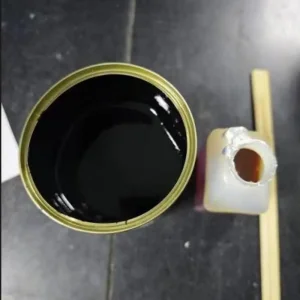
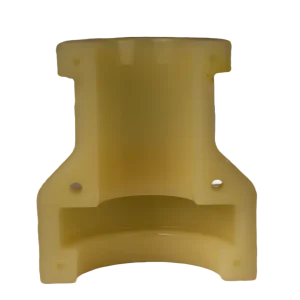
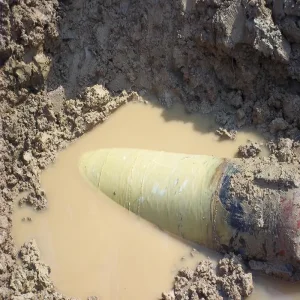
When pipelines cross rivers, shorelines, or marine channels via Horizontal Directional Drilling (HDD), the pipe is pulled through a pre-drilled borehole. This borehole often contains abrasive rock formations, gravel, and debris that can shear standard shrink sleeves off the pipe. To address this, CYCT developed the OEM Epoxy FRP (Fiberglass Reinforced Plastic) Solution and Photo-Curing Protective Sleeves. These systems form a hard, impact-resistant outer shell that protects the underlying anti-corrosion coating from mechanical damage.
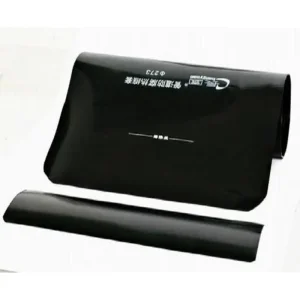
Operating temperatures near offshore oil extraction wells can exceed 80°C. Standard adhesives liquefy at these temperatures, causing the coating to slip and fail. CYCT's high-temperature polypropylene (PP) sleeves and specialized FRDX HT PE Repair Patches utilize advanced thermosetting adhesives that retain high shear strength and structural stability even under continuous thermal load.
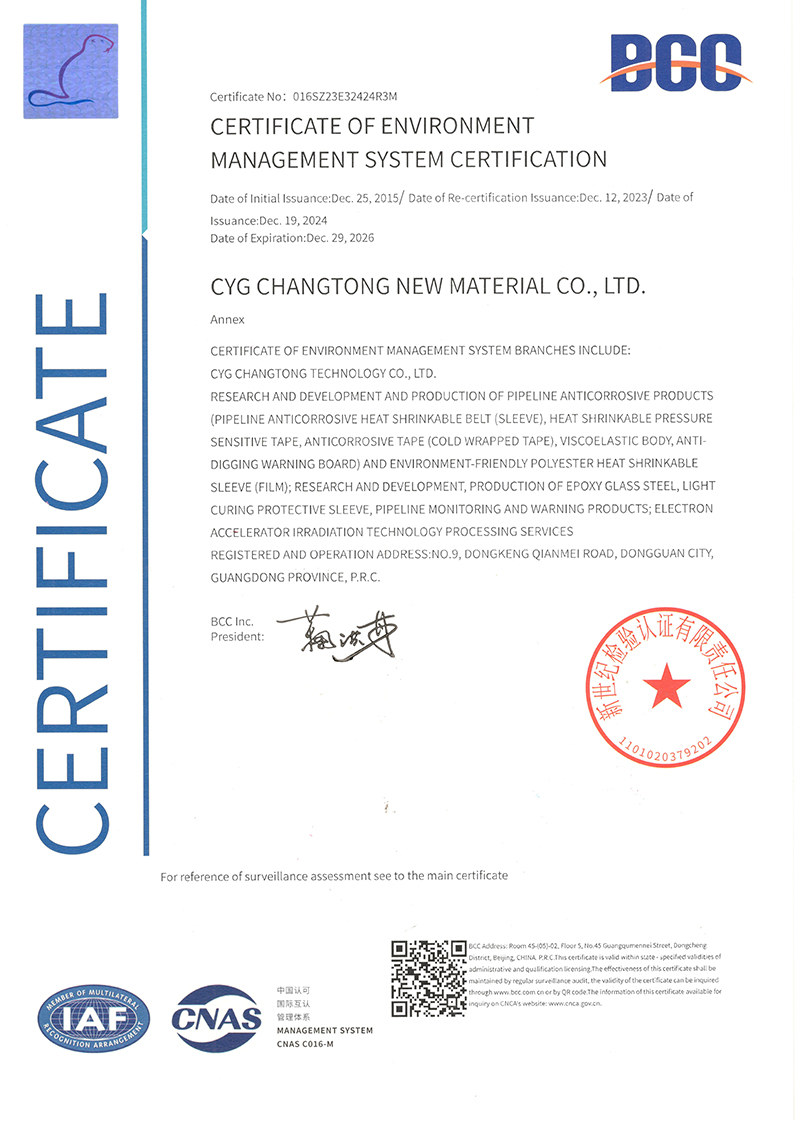
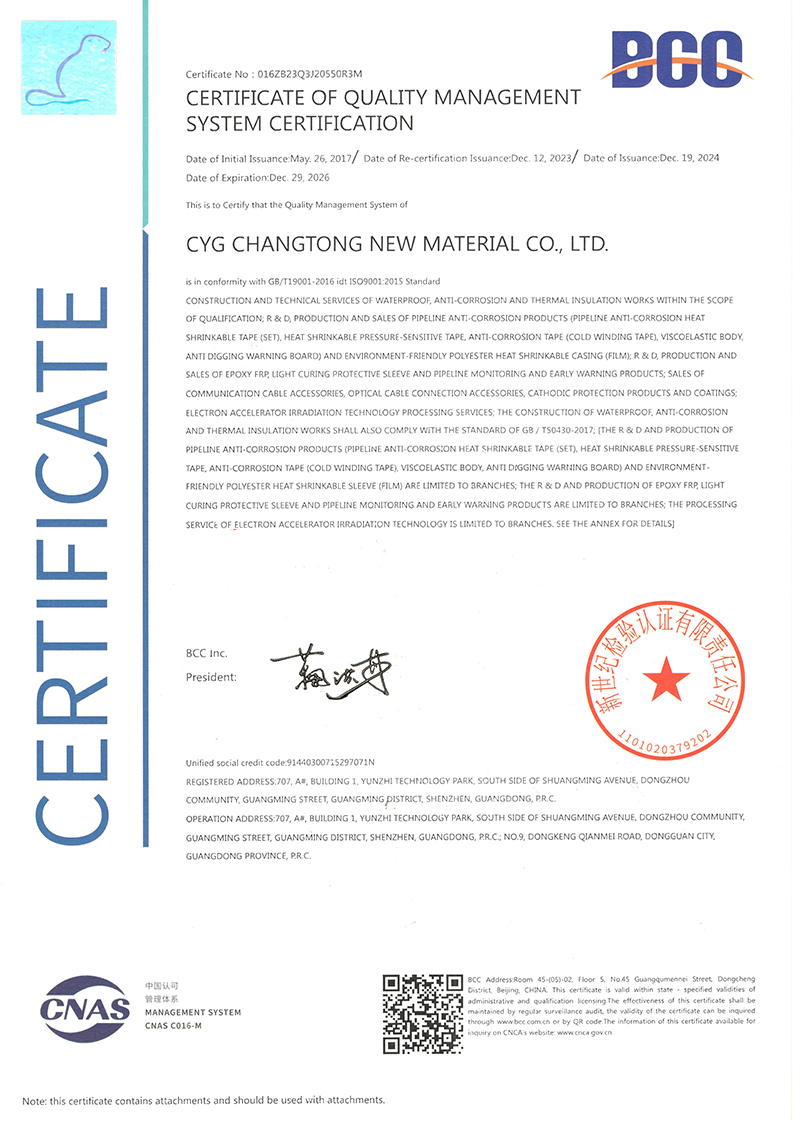
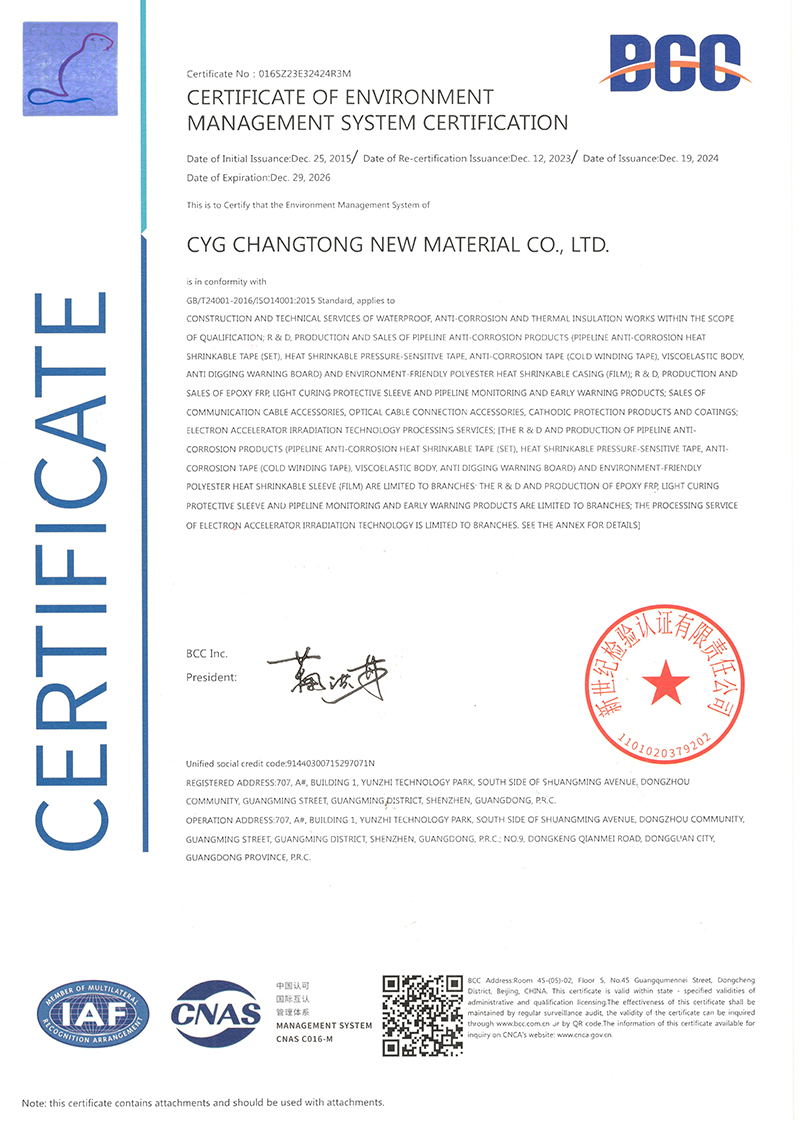
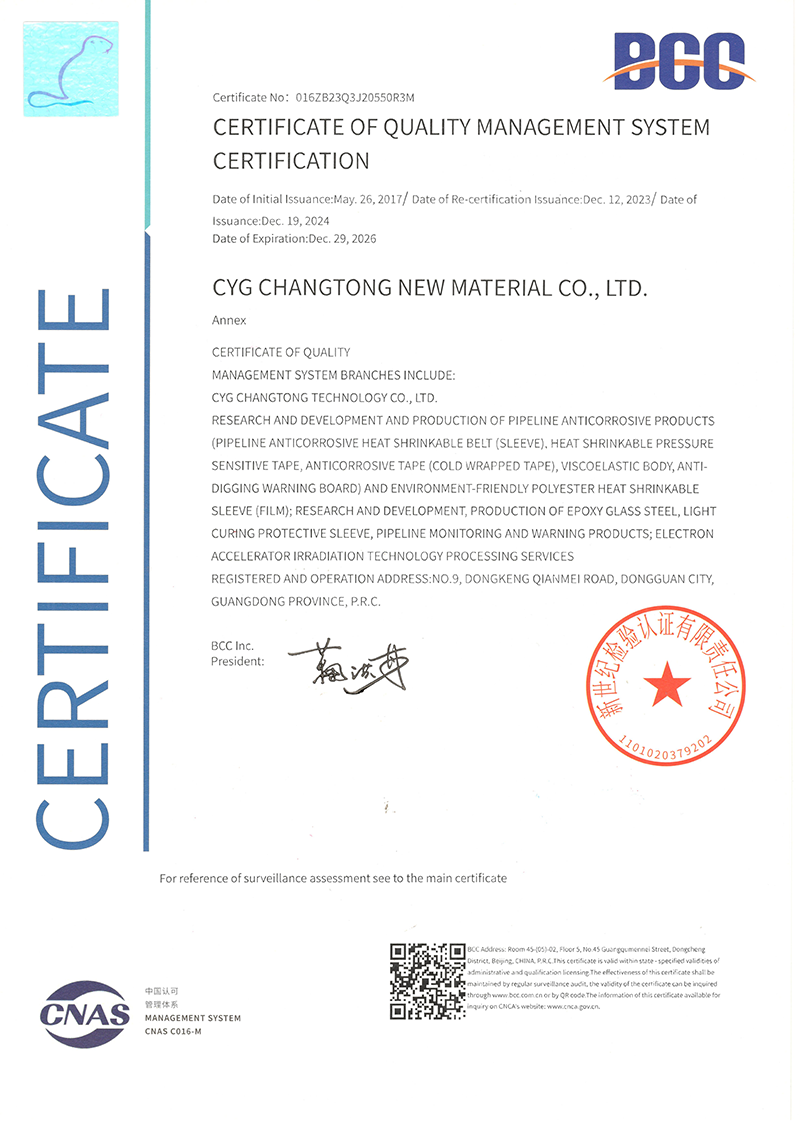
In critical infrastructure projects, trust is built on verifiable data. CYCT's quality management system is certified to ISO 9001, ISO 14001, and ISO 45001. We maintain a state-of-the-art testing facility that meets international standards, giving clients confidence in our product performance.
Our testing protocols subject every production batch to rigorous evaluation:
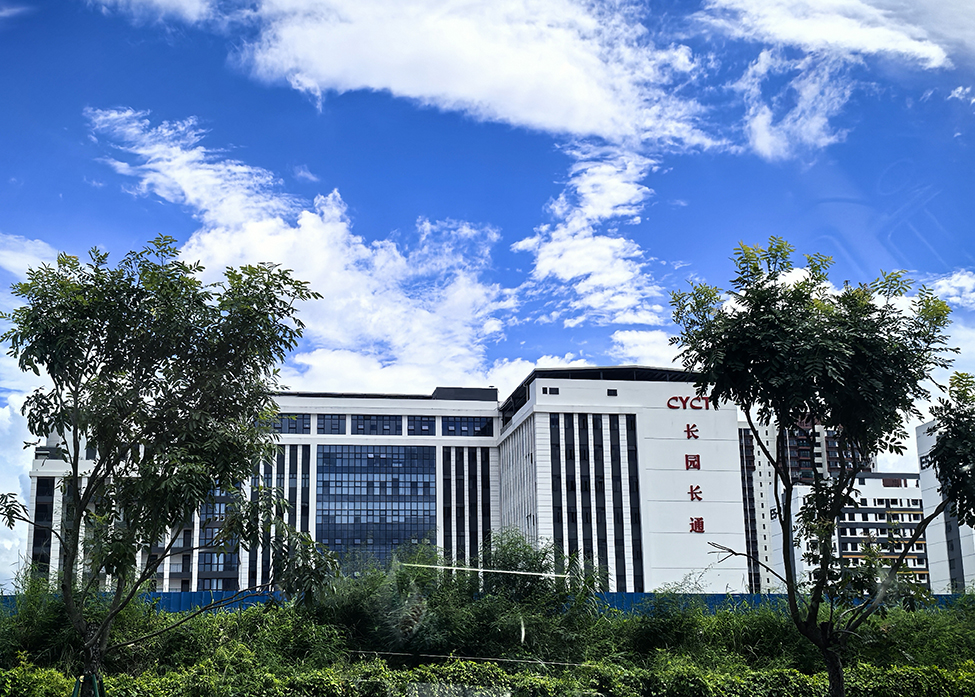
CYCT New Materials Company Limited (CYCT), founded in 2000, is a state-level high-tech enterprise integrating the R&D, production, and sales of pipeline corrosion protection materials. We also provide buried pipeline detection services and pipeline coating field application services.
CYCT has spent decades developing pipeline corrosion protection materials. Through close cooperation with leading research institutes like the CNPC Pipeline Science Research Institute, we provide in-service pipelines with technical services including pipeline detection, cathodic protection design, rehabilitation project management, and integrated safety solutions.
CYCT is a trusted supplier of field joint coatings for PetroChina, Sinopec, PipeChina, China Gas Group, and Indian Oil, holding a leading position in these markets. We have developed and introduced several specialty corrosion protection materials, including viscoelastic anticorrosion materials, special photo-curing sleeves for HDD protection, and polyurea coatings.
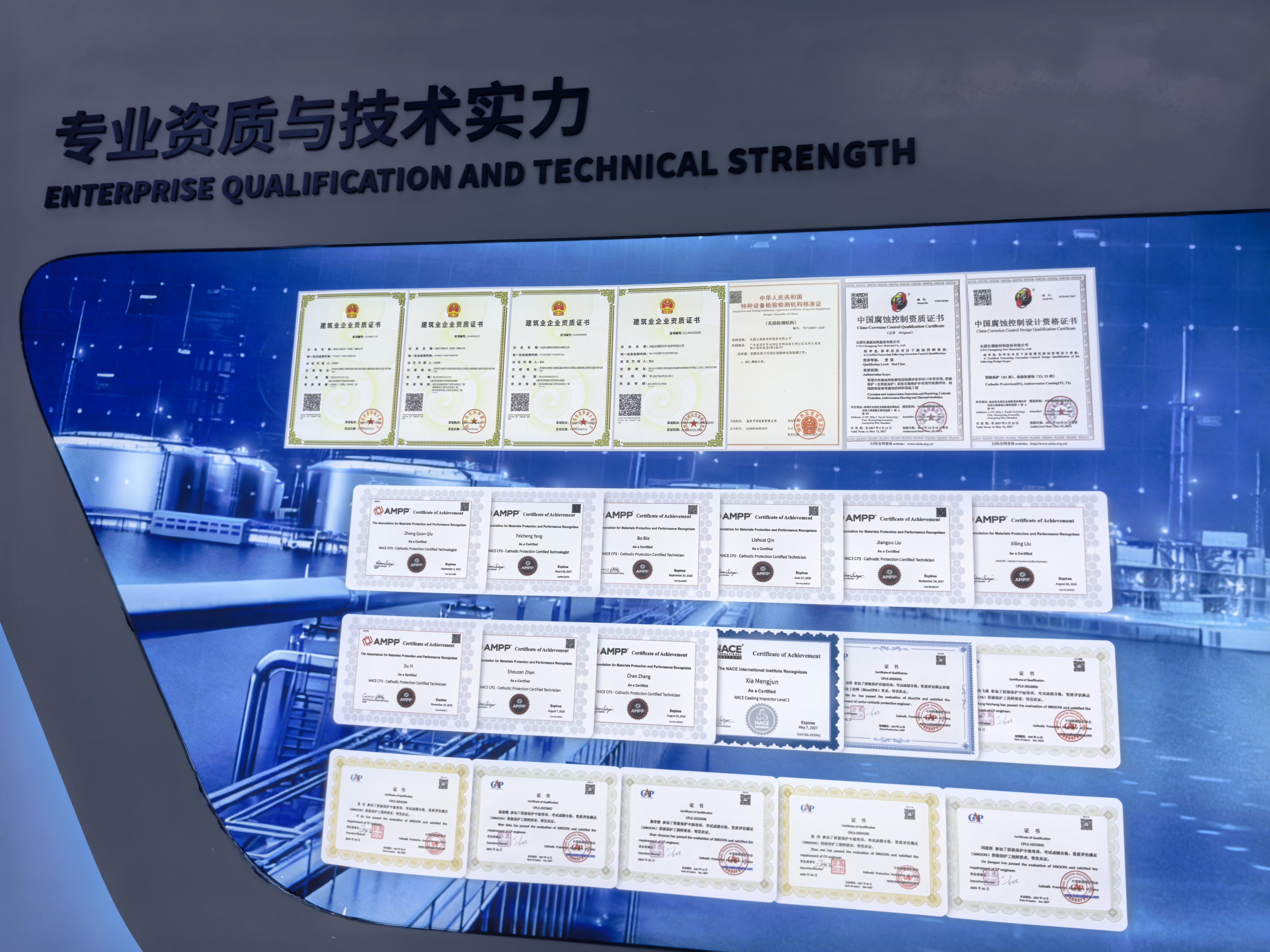
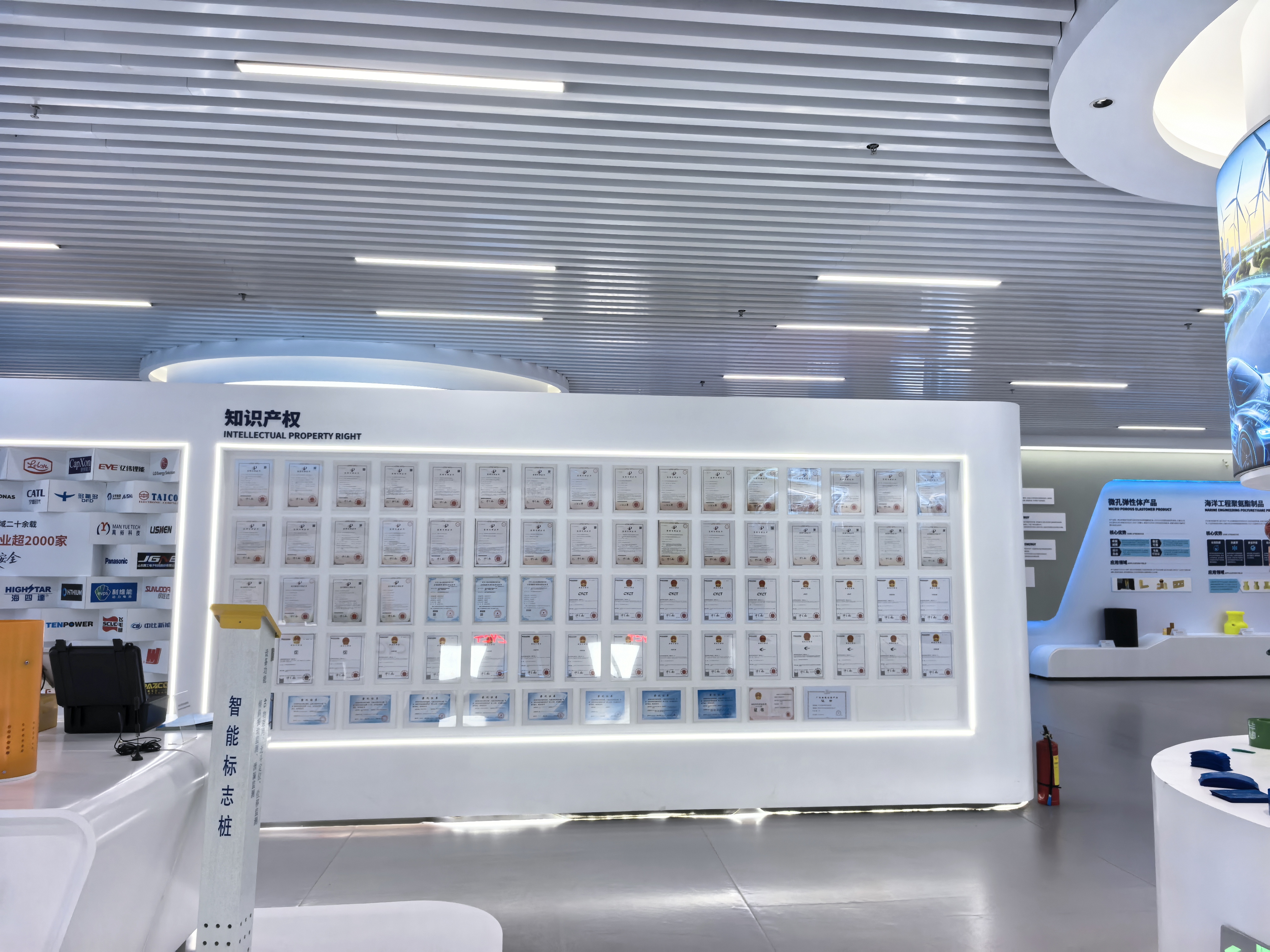
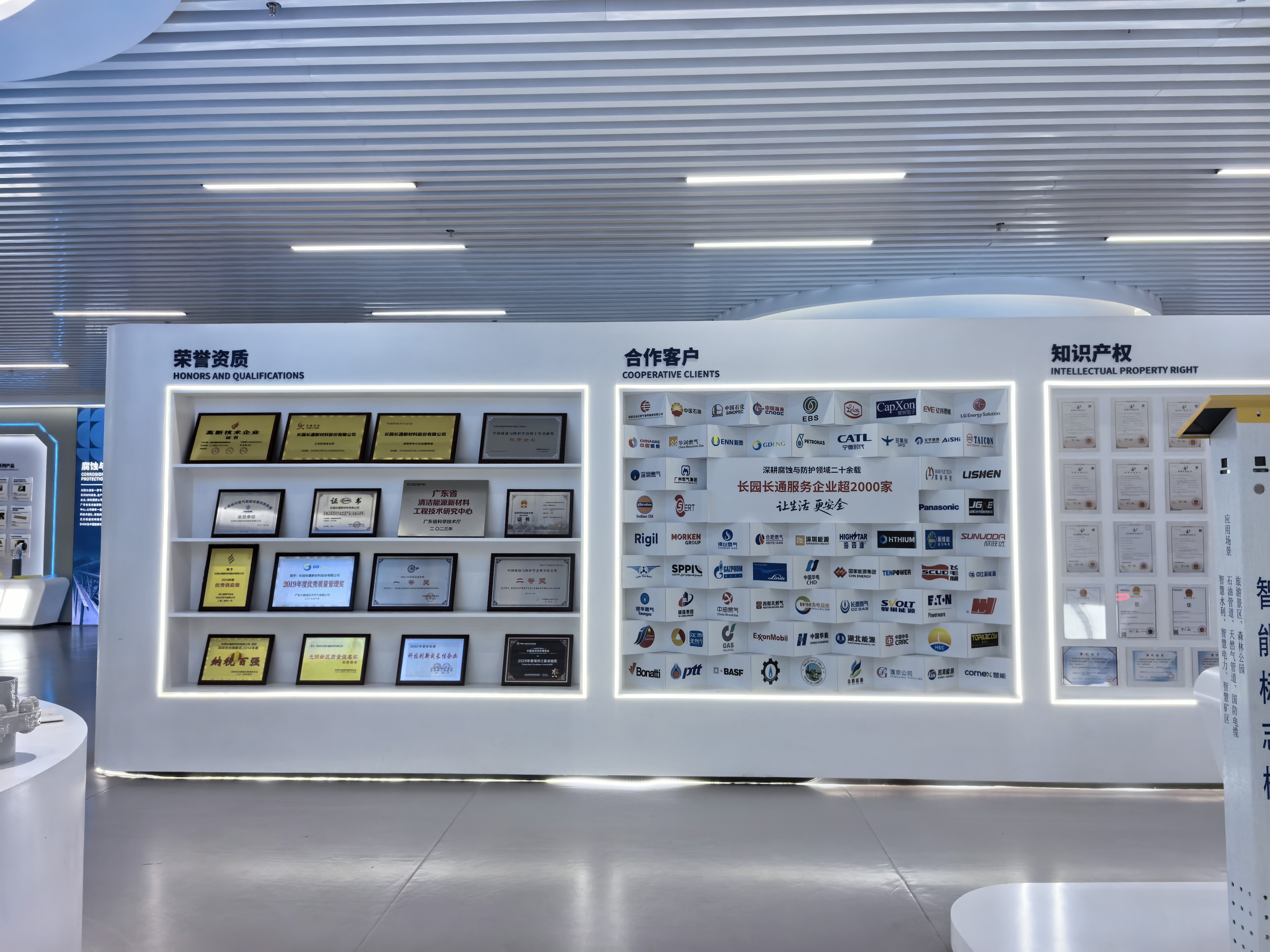
Council Member of the Chinese Society for Corrosion and Protection (CSCP) | Certified for Corrosion Protection Construction & Pipeline Detection | Well-known Pipeline Corrosion Protection Brand in China | Corporate Member of the China Association of Petroleum Engineering Construction (CAPEC) | State-Level High-Tech Enterprise with more than ten proprietary intellectual property rights.
As subsea exploration moves into deeper waters and harsher environments, traditional corrosion protection materials must adapt. CYCT's R&D teams are focusing on three main areas for our next-generation product lines:
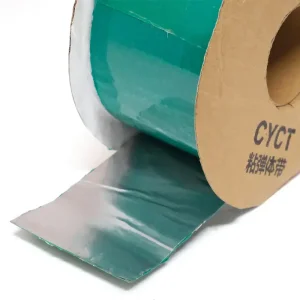
We are developing viscoelastic adhesives that can flow and repair minor surface scratches autonomously. By combining low-molecular-weight polyisobutylene with self-assembling block copolymers, these adhesives remain viscous under pressure, sealing micro-fissures even if the outer polyolefin backing is compromised.
Applying coatings on offshore platforms is challenging due to wave action and moisture. Our Photo-Curing Protective Sleeves use fiber-reinforced matrices that cure when exposed to UV light. This design allows for rapid curing on wet steel, reducing installation time in tidal and splash zones.
As deep-water wells operate at higher temperatures, field joint coatings must withstand continuous temperatures up to 110°C to 120°C. CYCT is refining PP-based heat shrinkable sleeves that match the performance of factory-applied 3LPP coatings, providing consistent protection across the entire pipeline.
Technical answers to help engineers and procurement teams select the right protection systems.
Technical materials for field joint coating, rehabilitation, and pipeline repairs.
 CYCT
CYCT