High-specification polymer compounds, moisture cures, and GRP wraps engineered for standard-setting industrial applications worldwide.
Waterproof heat shrink tubing and sleeves are essential components in preserving the integrity of heavy-duty piping systems, subsea cables, gas distribution lines, and industrial electrical systems. At its core, the technology relies on radiation cross-linked polyolefin polymers combined with advanced, thermally activated inner adhesive layers.
The cross-linking process changes the polymer molecular structure from linear chains to a highly stable, three-dimensional network. This cross-linking process gives the tubing its unique "elastic memory," enabling it to contract to a fraction of its extruded size when subjected to heat, establishing a hermetic seal over the substrate.
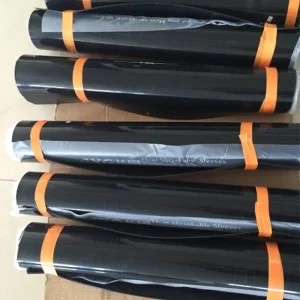
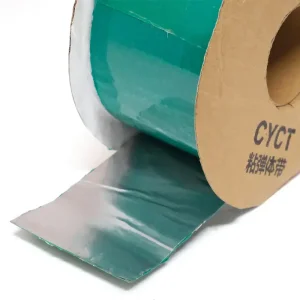
The high-performance waterproof sleeves utilize a dual-layer co-extrusion technology. The outer layer offers outstanding mechanical strength, abrasion resistance, and shielding from solar UV degradation and cathodic disbondment. The inner layer is formulated using specialized thermoplastic hot-melt adhesives or viscoelastic mastic sealants.
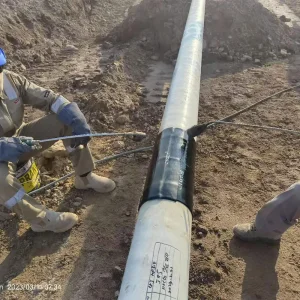
When the tubing is heated during installation, this inner adhesive melts and flows under pressure, filling all surface micro-irregularities on the metal or plastic pipe joints. This forms a durable, waterproof bond that keeps out moisture, oxygen, corrosive chemicals, and bacterial micro-environments.
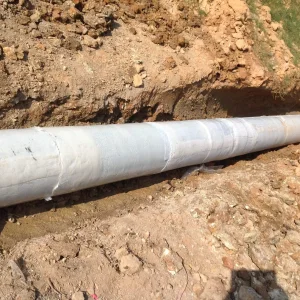
Our outer backing offers superior structural strength, high recovery force, and excellent resistance to mechanical stresses during pipeline transport, installation, and backfilling.
Formulated to bond securely to various pipe coatings (including 3LPE, 3LPP, FBE, and bare steel), creating a long-term water-tight seal under extreme thermal cycling.
Our solutions prevent corrosion creep and maintain reliable adhesion, even when exposed to cathodic protection currents in subsea or underground environments.
How Chinese production hubs leverage raw material integration, high-capacity electron beam accelerators, and comprehensive quality assurance to provide key competitive benefits.
China's specialized industrial zones pool raw material processing, custom chemical synthesis, and tooling manufacturing. This lets suppliers access top-grade polyethylene, EVA resins, and high-performance cross-linking agents directly, reducing material transit delays and stabilizing product pricing against global market changes.
High-quality cross-linking requires specialized, high-power electron beam accelerators. Chinese factories house modern irradiation centers capable of consistently treating large-diameter heat shrink sleeves and heavy-duty tubing configurations, ensuring even cross-linking density throughout the product run.
Every pipeline project presents unique challenges, from deep-buried HDD river crossings to high-temperature geothermal pipelines. Our domestic factories can quickly adjust structural profiles, adhesive layer thicknesses, backing recovery forces, and dimensions to meet custom OEM project requirements.
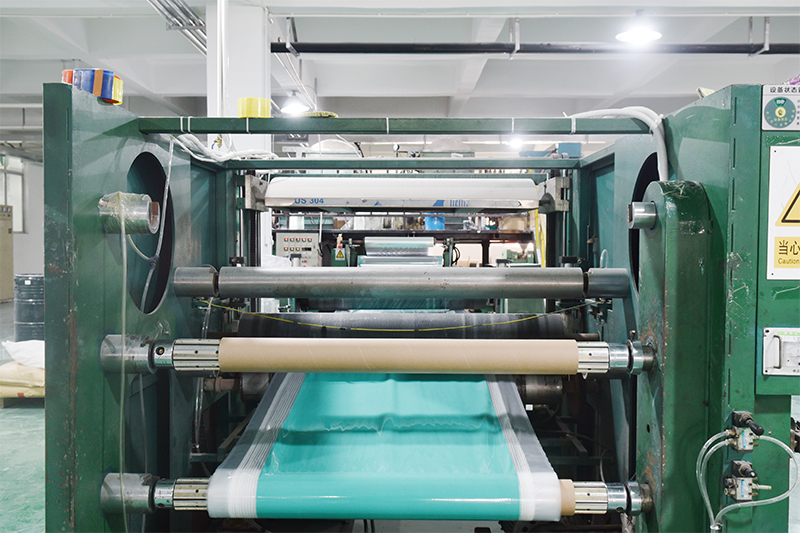
In addition to cost and capacity, procuring from top Chinese suppliers offers key advantages in quality control and process automation. Advanced production lines use automated laser thickness control and real-time width measurement systems. This level of process control ensures that every shipment of heat shrinkable sleeves matches the precise wall thickness and stretch performance detailed in the product specifications, ensuring consistent field performance.
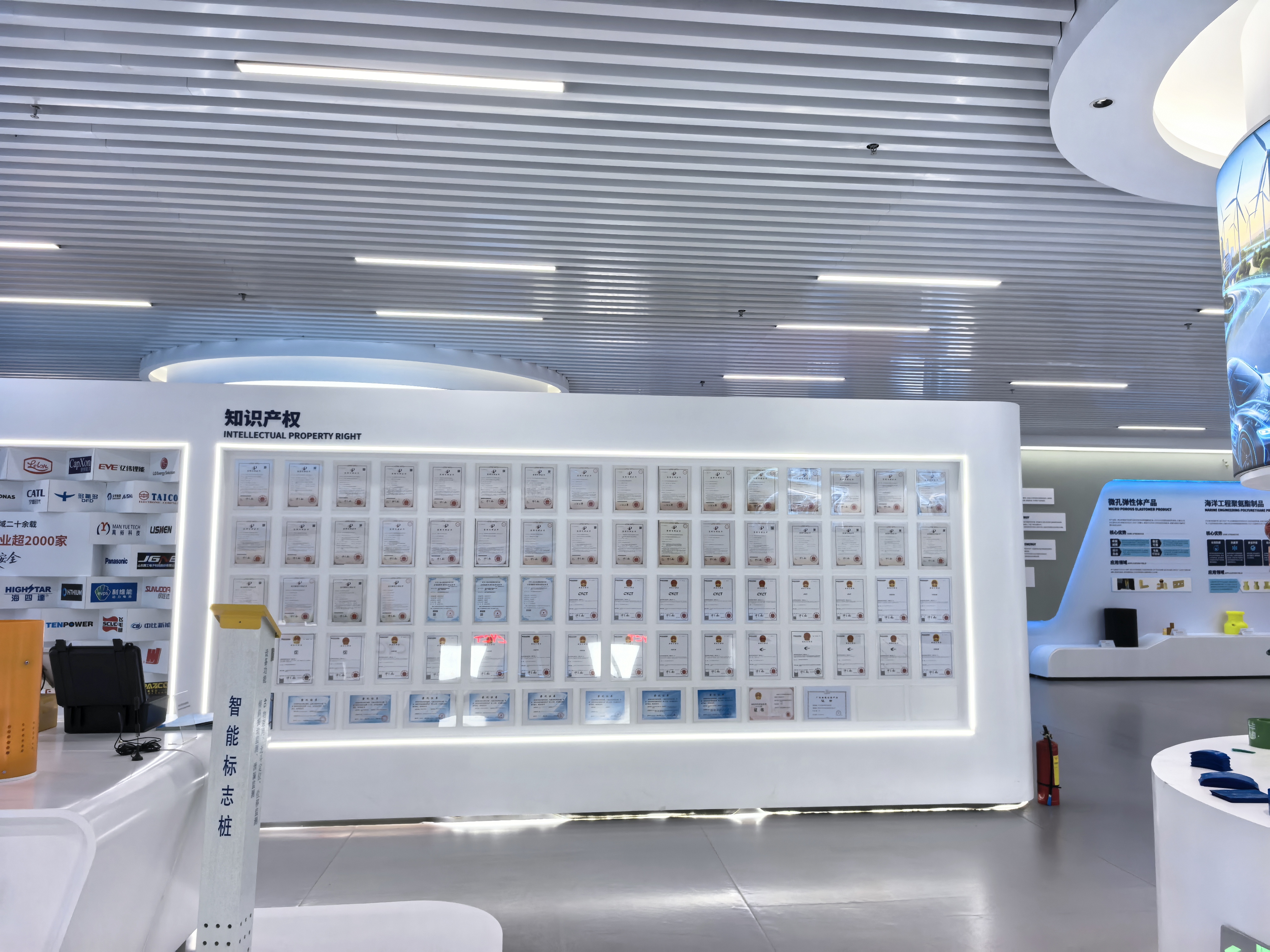
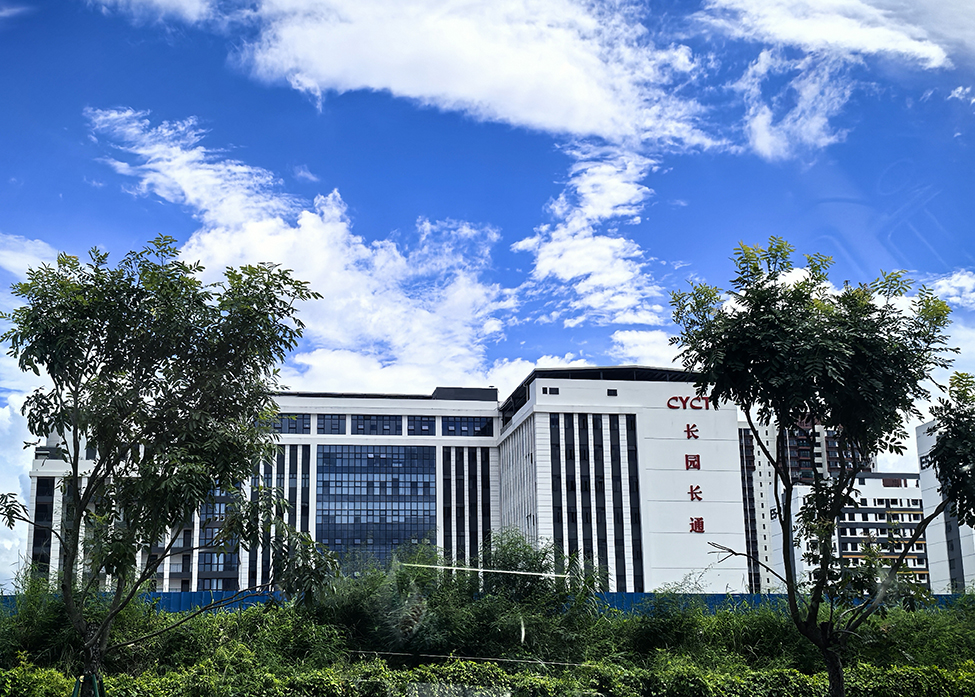
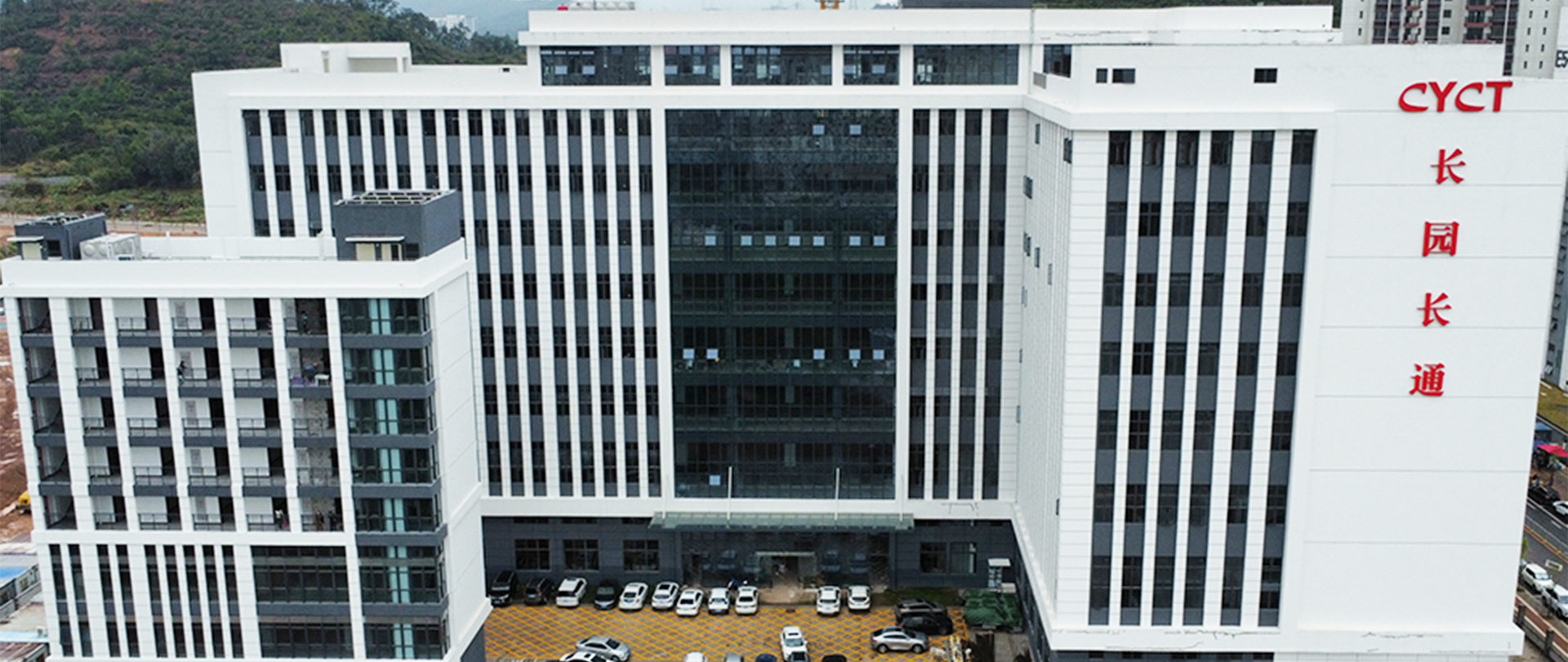
CYCT New Materials Company Limited (for short, CYCT) is a state-level high-tech enterprise integrating R&D, production, and sales of pipeline corrosion protection materials, buried pipeline detection services, and pipeline coating field application services.
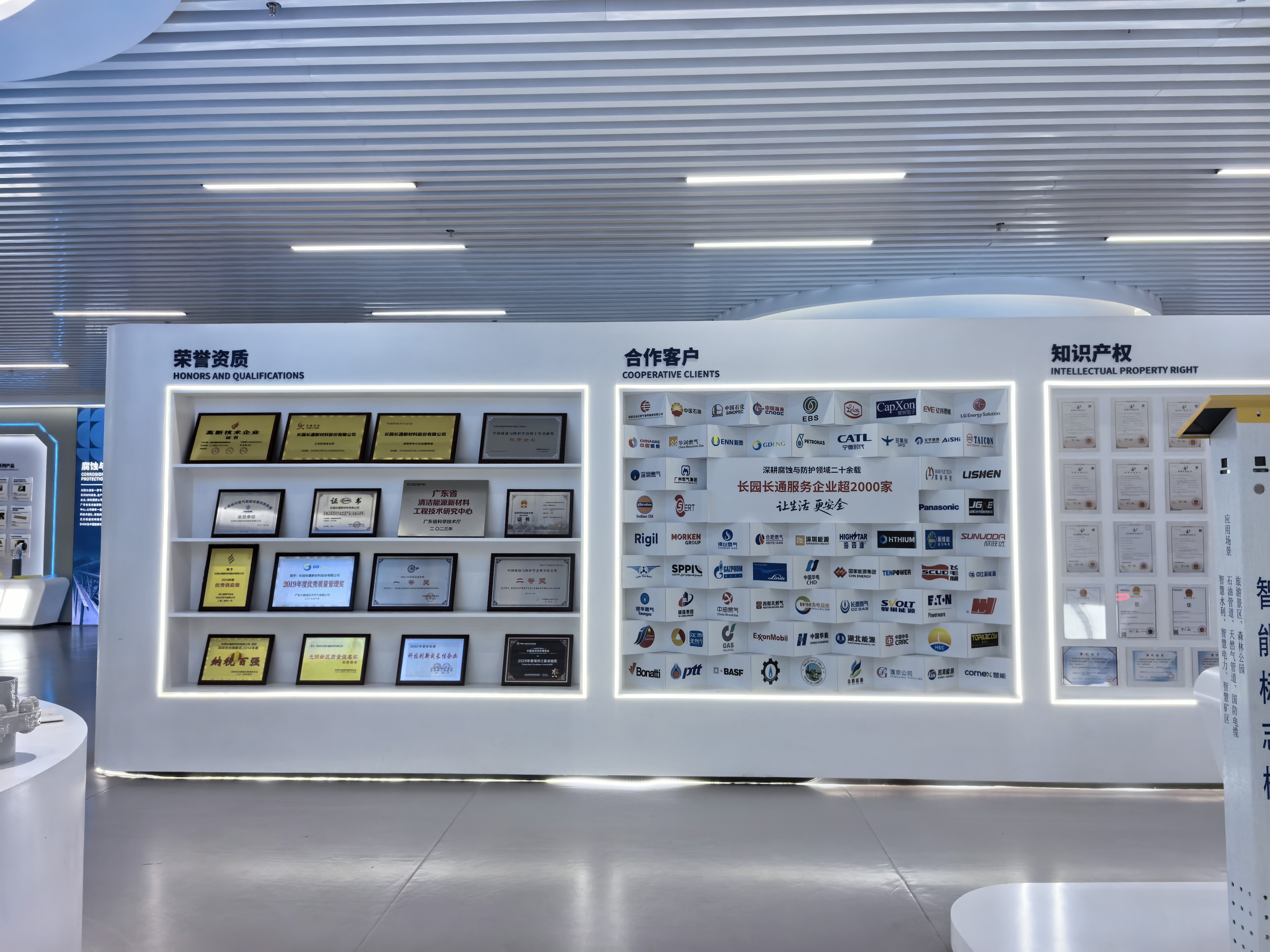
For decades, CYCT has focused on the R&D, production, and sales of pipeline corrosion protection materials. Today, we are a key supplier of field joint coatings to PetroChina, Sinopec, PipeChina, and local pipeline projects, holding a significant domestic market share. We have also developed and introduced specialized anti-corrosion materials, including visco-elastic products, UV-curing photo-curing sleeves for HDD protection, and polyurea coatings.
By collaborating with top R&D institutes like the CNPC Pipeline Science Research Institute, CYCT is capable of providing pipeline operators with a variety of technical services, including buried pipeline detection, custom design schemes, cathodic protection, rehabilitation projects, and integrated pipeline safety solutions.
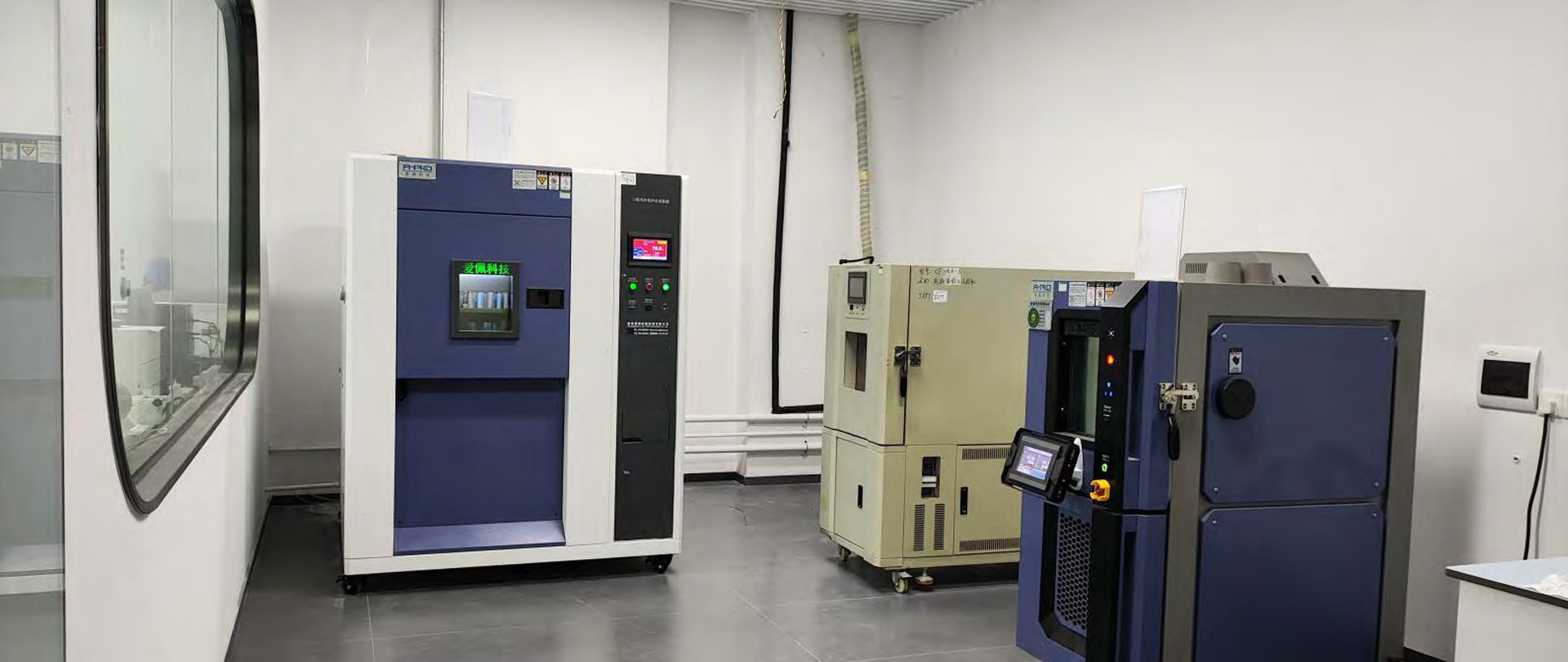
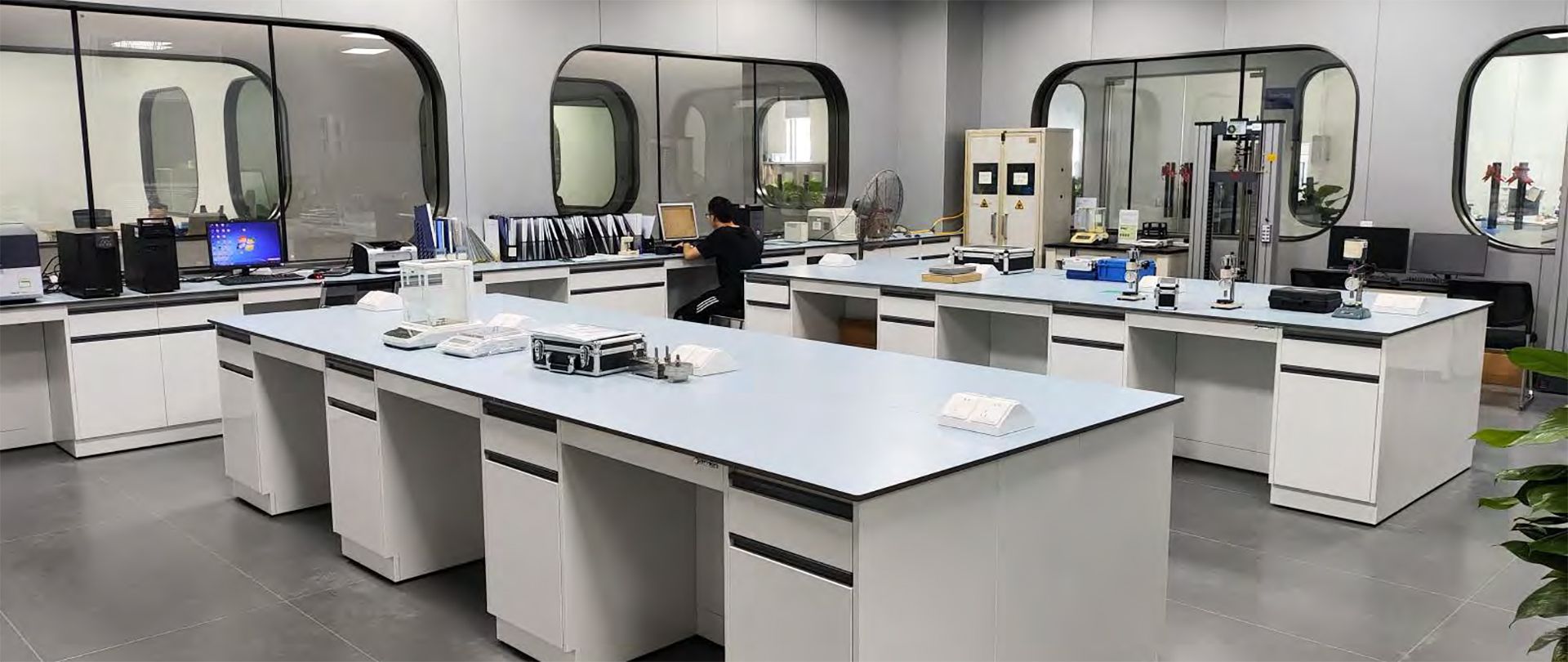
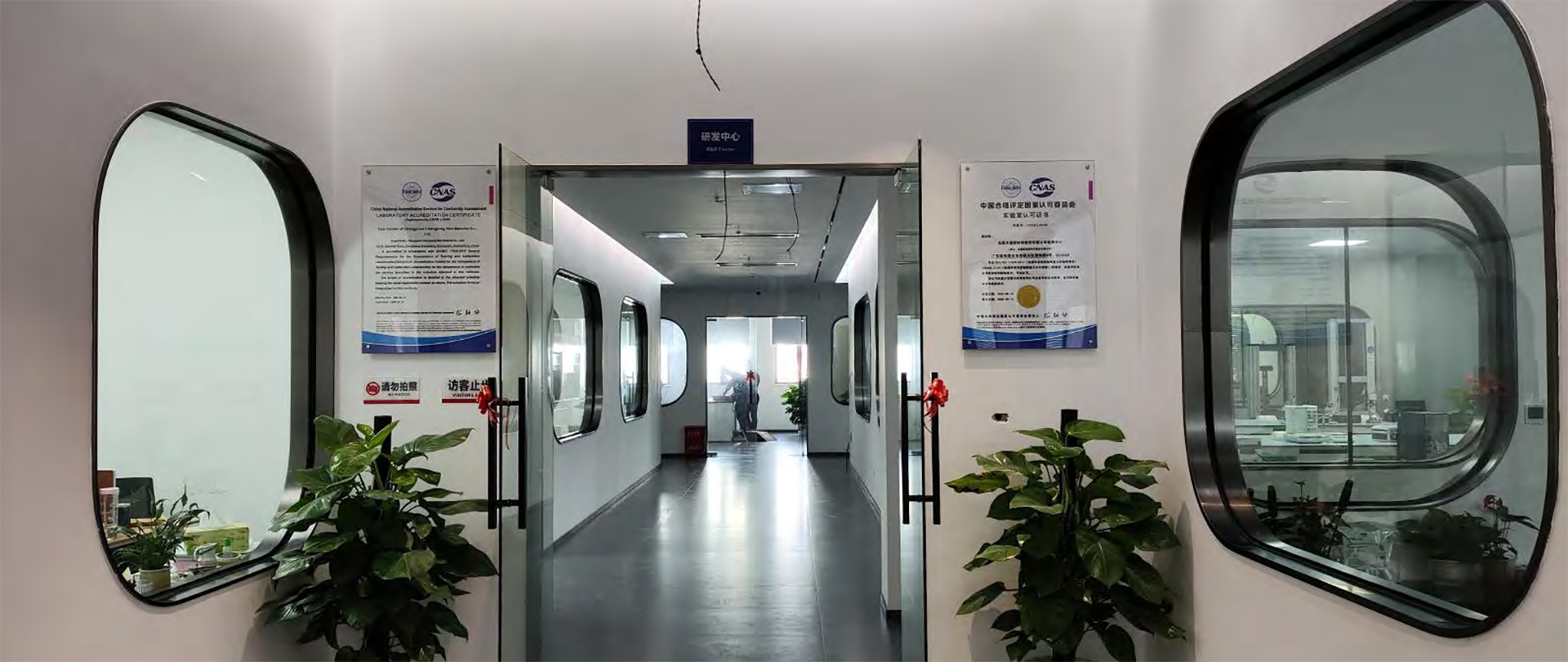
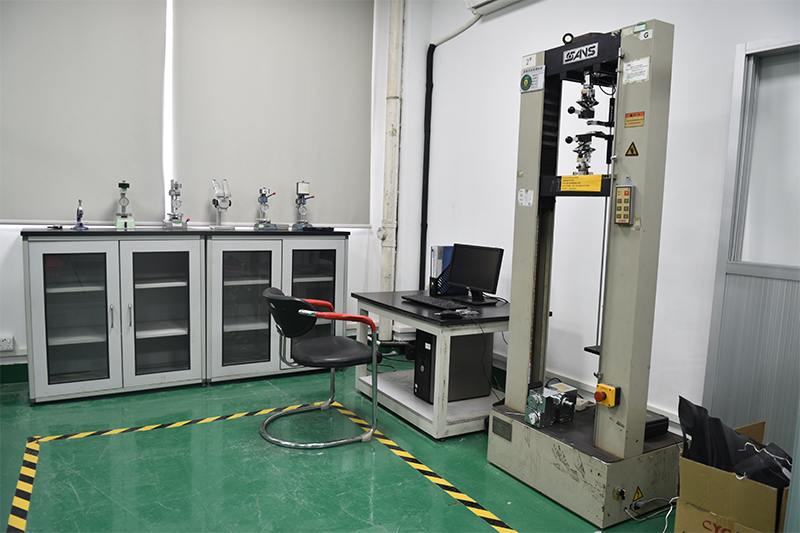
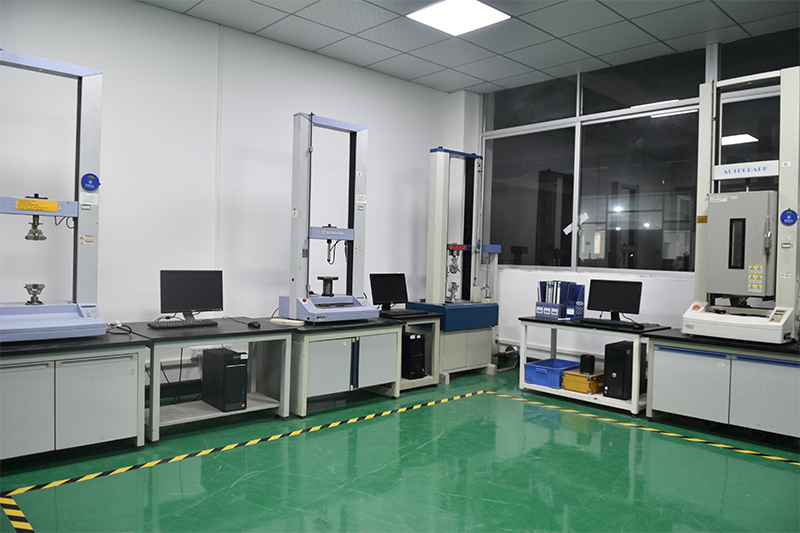
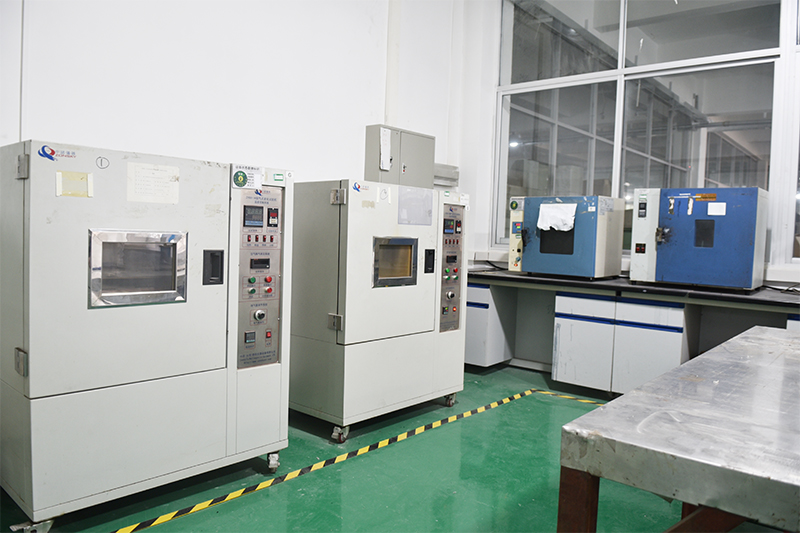
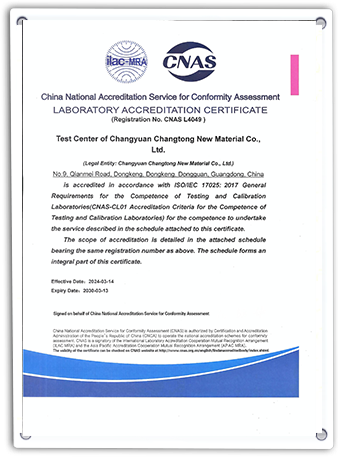
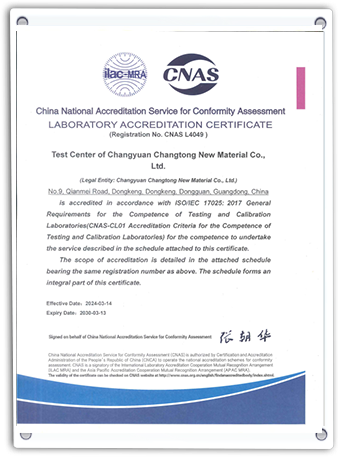
CYCT features leading testing and R&D capabilities, an experienced R&D team, and a national CNAS-accredited laboratory. This allows us to run extensive testing, including peel strength, cathodic disbondment, hot-water immersion, and thermal aging tests, ensuring compliance with global pipeline standards.
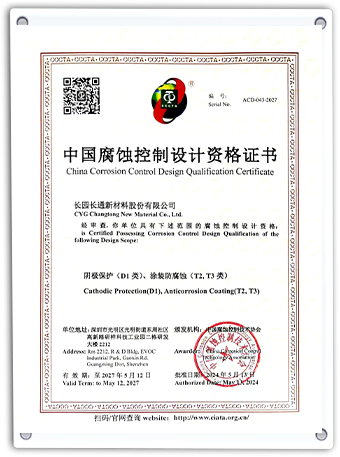
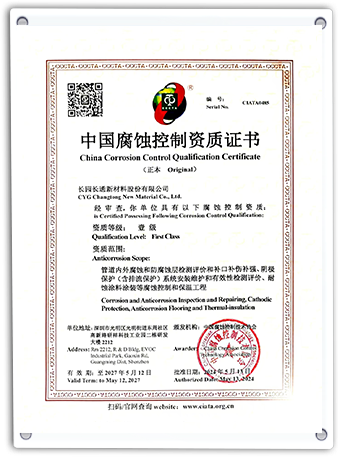
Our credentials include: Council Member of the Chinese Society for Corrosion and Protection (CSCP), Qualification Certificate of Corrosion Protection Construction, Corporate Member of the China Association of Petroleum Engineering Construction (CAPEC), and key supplier status to major organizations like the Indian Oil Corporation.
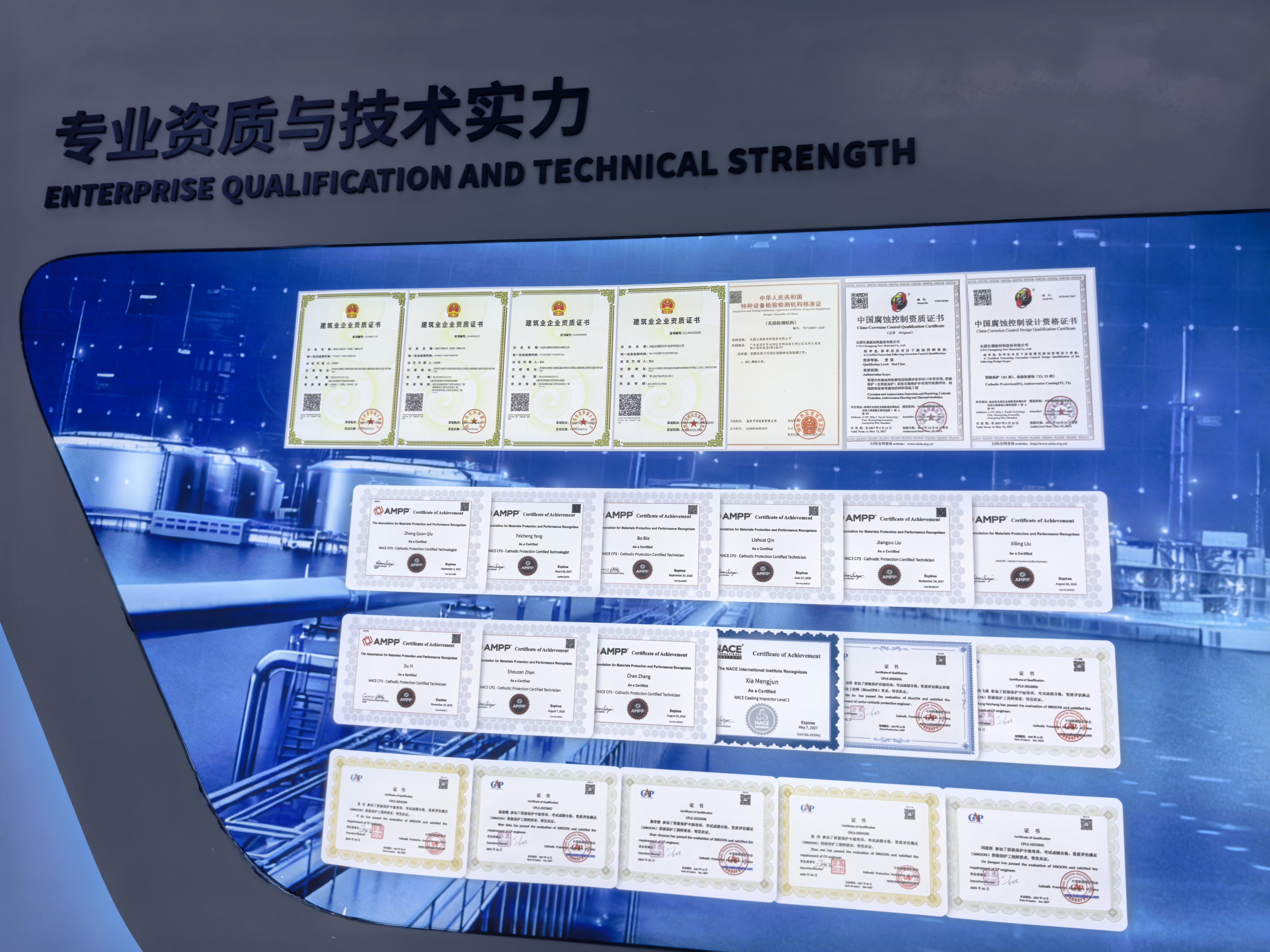
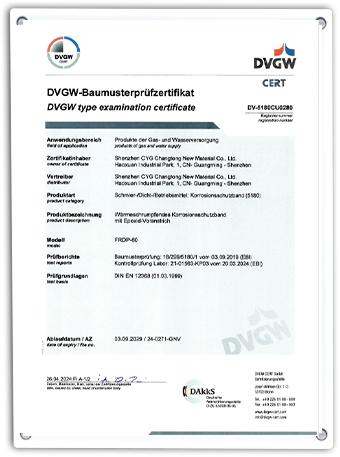
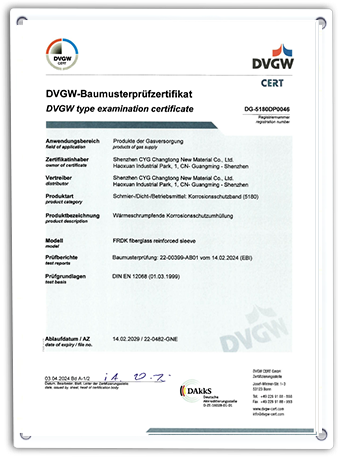
Global procurement teams must ensure that waterproof heat shrink tubing and sleeves meet local environmental regulations and performance certifications. For buried gas infrastructure in Western Europe, products must comply with EN 12068 or DIN 30672 classes, which define mechanical resistance classes (Class B or Class C) based on soil chemistry and temperature.
In contrast, projects in the Middle East demand high-temperature polypropylene sleeves (such as our FRPD-PP system) capable of maintaining structural integrity at continuous operating temperatures up to 100°C in saline soils.
Furthermore, marine and offshore applications—including subsea pipelines and riser protection—require sleeves that are resistant to long-term saltwater immersion. Our moisture-curing shields, such as the CYG Changtong GRF systems, are specifically formulated to withstand the tidal zone's wet-dry cycles, UV radiation, and mechanical wave impact.
CYCT's products are developed to align with major global specifications, including ISO 21809-3, Shell DEP, and national petrochemical codes, helping ensure smooth regulatory approval processes for local projects.
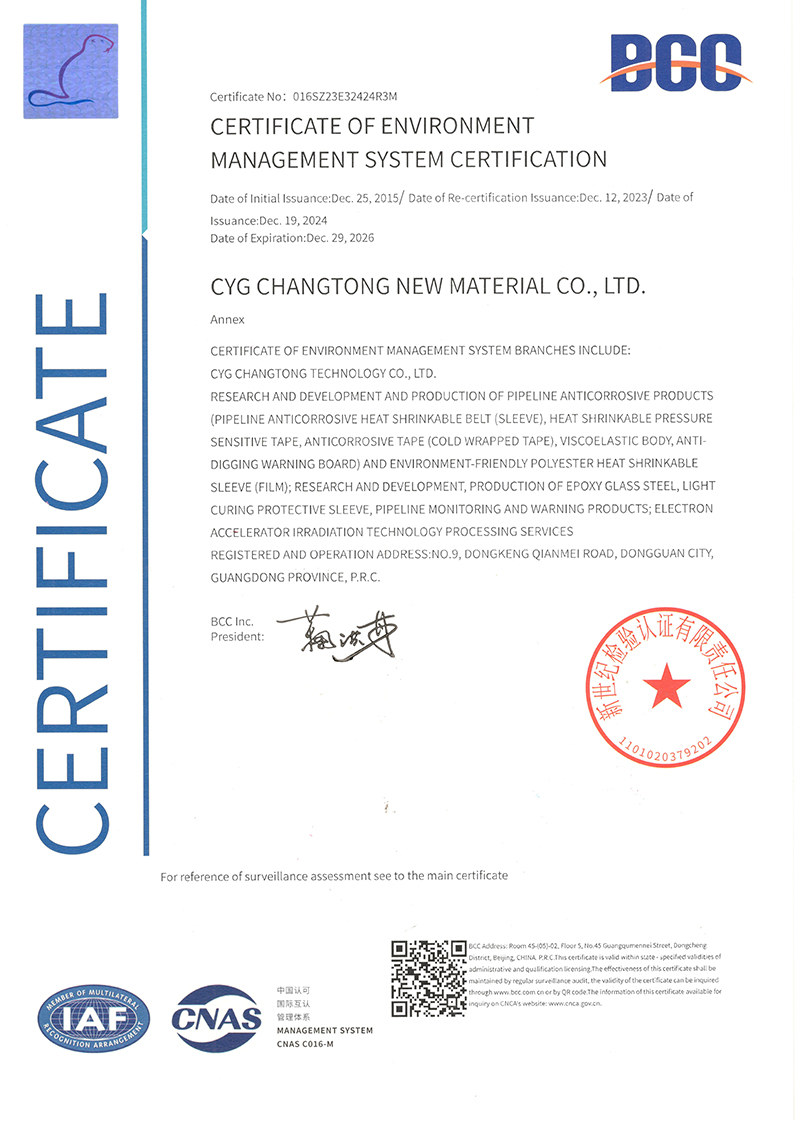
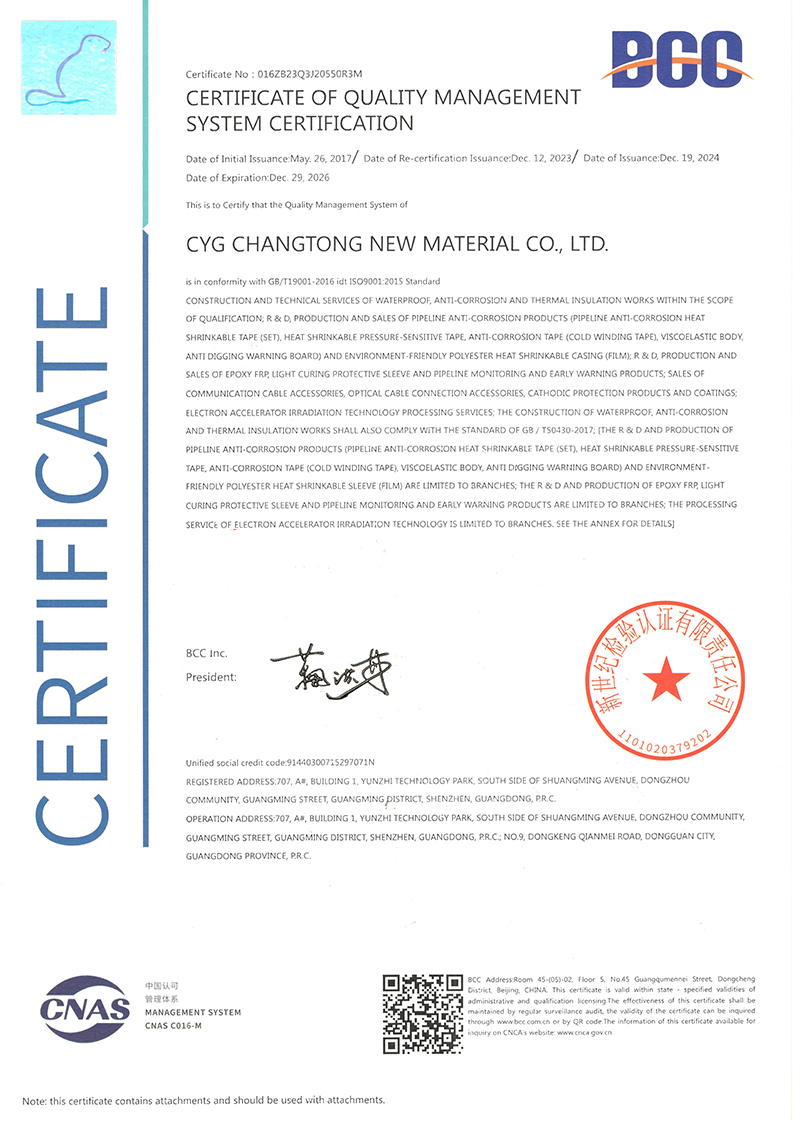
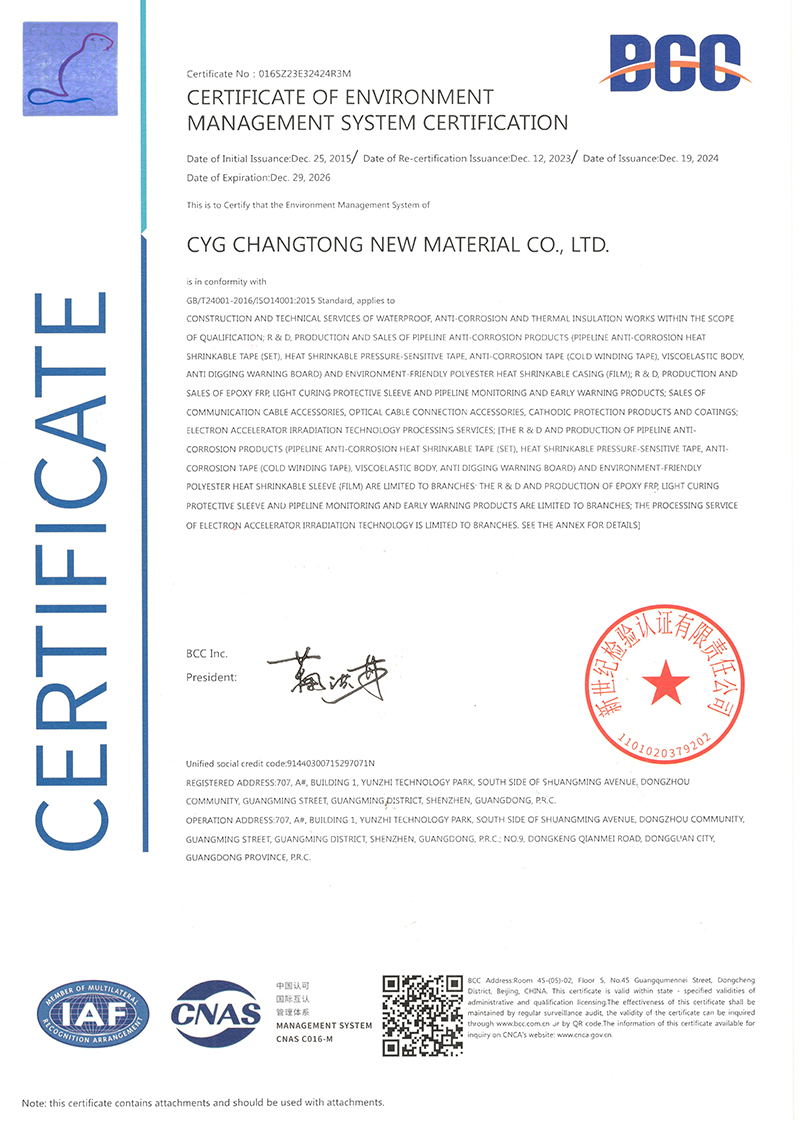
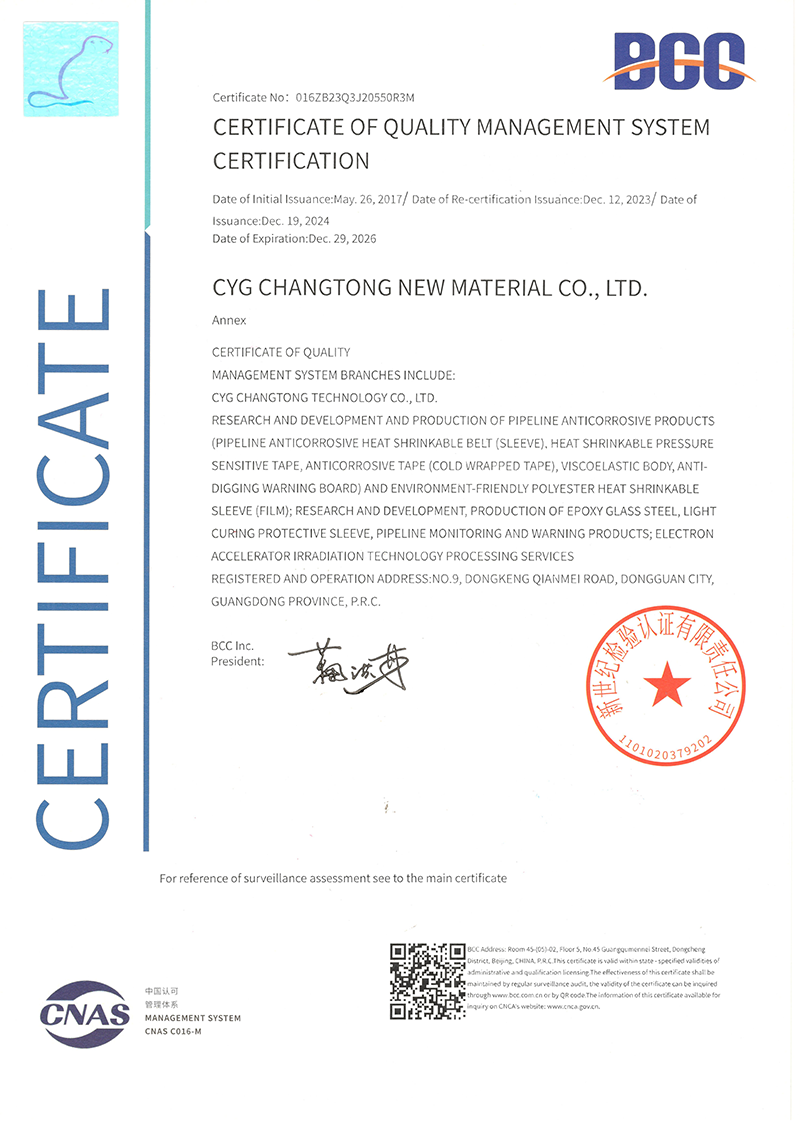
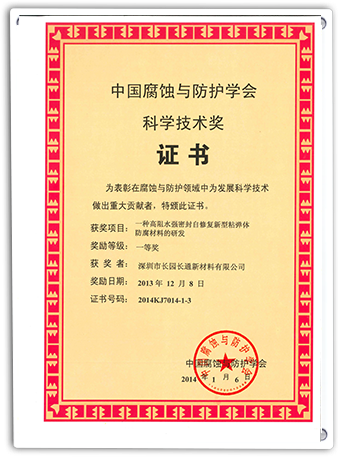
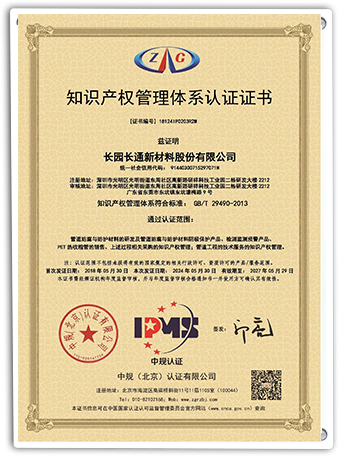
Our manufacturing processes are certified to meet rigorous global standards, ensuring reliable field performance.
The evolving landscape of pipeline corrosion prevention: how next-generation smart materials and new installation methods are reshaping the industry.
The industry is transitioning toward materials with higher heat tolerances and improved mechanical properties. The rise of multi-phase high-temperature fields requires heat shrink systems that can operate stably at continuous temperatures above 120°C without adhesive degradation. Standard polyethylene has limitations under these conditions, driving the adoption of modified polypropylene formulations.
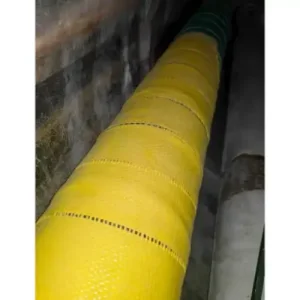
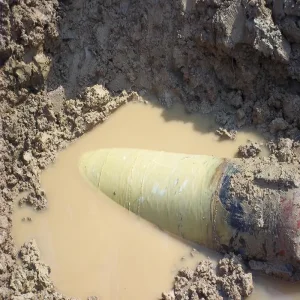
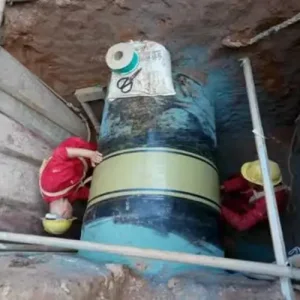
Additionally, composite GRP reinforcements and photo-curing sleeves are increasingly specified for trenchless installation methods like HDD. Standard heat shrink sleeves can buckle or tear under the shear forces of horizontal drilling. Incorporating UV-cured glass fiber reinforced plastic (GRP) outer wraps provides the mechanical protection needed to withstand pull-through stresses.
When selecting waterproof heat shrink tubing or pipeline sleeves, procurement teams should evaluate:
• Substrate Compatibility: Ensure the internal adhesive is formulated to bond with the factory line coating (e.g., PE, PP, or FBE).
• Operating Temperature Profile: Match the maximum continuous operating temperature of the pipeline with the corresponding rating of the sleeve.
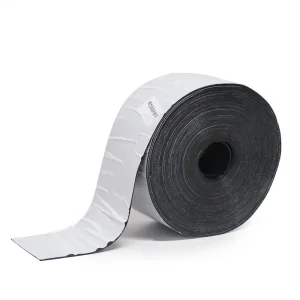
• Installation Conditions: For wet, cold, or high-humidity field environments, select moisture-curing systems or specialized viscoelastic mastics that require minimal preheating.
| Application Type | Recommended Material | Max Temp |
|---|---|---|
| Standard Distribution Pipeline | Polyethylene (PE) Heat Shrink Sleeve | 60°C - 80°C |
| High-Temperature Oil Lines | Polypropylene (PP) Heat Shrink Sleeve | 100°C - 120°C |
| Trenchless Crossing (HDD) | UV-Curing Photo-Curing Sleeve (GRP) | 90°C |
| Subsea Pipeline Joint Seal | Moisture Curing GRF Shield / Polyurea | 80°C |
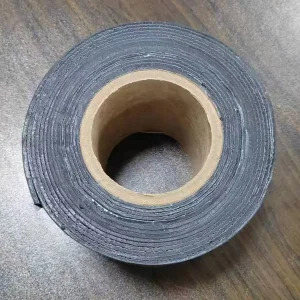
| Irregular Fittings & Flanges | Viscoelastic Mastic Tape + PE Cold Tape | 70°C |
Expert technical insights regarding installation, performance, selection, and purchasing standards for waterproof heat shrink sleeves.
Premium corrosion protection tapes, FRP repairs, and specialized joint coatings for pipeline construction and rehabilitation.
 CYCT
CYCT