2026 Top 3LPP Heat Shrink Tape Manufacturers?

Time:2026-09-30 Author:Madeline
0%

Choosing a supplier for 3LPP Heat Shrink Tape is not just a search for the lowest quoted price. The tape must suit the coating system, pipe dimensions, application method, and expected service conditions. A roll may look consistent on the warehouse shelf, yet installation can expose weak unwinding, uneven recovery, or poor edge handling. Small details matter.

This 2026 guide compares three manufacturers through practical questions: Can they document product specifications? Do they offer dependable technical support? Are their production capabilities and quality controls clearly explained? Buyers should also review compatibility data, sample performance, and application guidance before making a large order. A catalogue alone is not enough.

A useful principle for this comparison is: “A strong product choice begins with verified performance, not a polished datasheet.” This is an editorially written selection principle, not a quotation from a named industry expert; no verifiable expert source was provided. That distinction matters. Credible recommendations should be traceable to evidence, not to a convenient invented attribution. The comparison will therefore focus on checkable manufacturer information and practical evaluation criteria. Some details may still require direct confirmation, especially when specifications vary by product grade or project conditions. That uncertainty is worth acknowledging. It is better to ask one more technical question than to assume every 3LPP Heat Shrink Tape performs the same way.
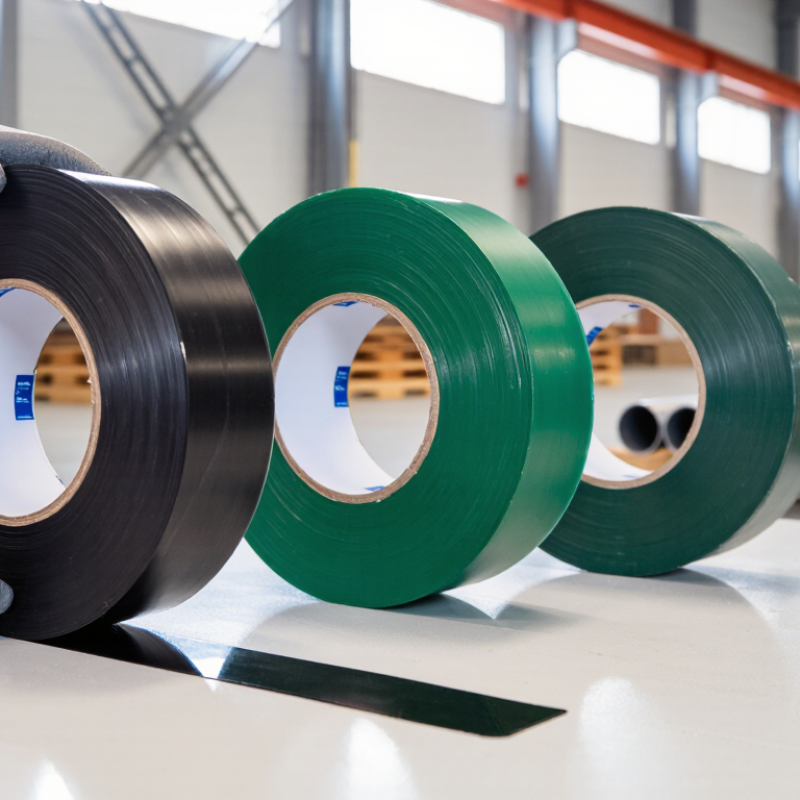
2026 Top 3LPP Heat Shrink Tape Manufacturers?

2026 Scope: What Defines a 3LPP Heat-Shrink Field-Joint System?

A 3LPP heat-shrink field-joint system is more than a sleeve. It must reconnect the pipeline’s three-layer polypropylene coating across a welded joint. In practice, that means a heat-shrinkable backing, a heat-activated adhesive, and compatible surface preparation. The coating ends need clean, controlled cutbacks; the steel weld area needs specified cleanliness and profile. Small installation details matter. A damp edge or uneven heating can create a path for moisture beneath the sleeve.

ISO 21809-3:2016 defines requirements and testing for field-joint coatings, including heat-shrinkable materials. Its qualification framework covers properties such as peel strength, cathodic disbondment, impact resistance, and hot-water performance. DNV-RP-F106 also provides industry guidance for factory-applied pipeline coatings and their quality control. These documents do not set one universal sleeve size or service temperature; project conditions govern those values. That distinction is often missed. A credible 2026 scope should therefore assess the complete joint system: coating compatibility, installation window, joint geometry, inspection records, and repair method. Ask for test results tied to the actual coating combination, not just a product datasheet. Field heating can be inconsistent, and that practical weakness deserves more attention.

Three-Layer Structure: FBE Primer, Adhesive, and Polypropylene Outer Layer

A 3LPP heat-shrink system depends on three layers working together, not just a thick outer jacket. The FBE primer bonds to prepared steel and provides the corrosion barrier. The adhesive softens during heating, filling small surface irregularities and linking the primer to the polypropylene backing. That outer layer resists abrasion, impact, and handling damage. In the field, a cold pipe or uneven torch movement can leave wrinkles, voids, or weak edges. Appearance alone can mislead.

The AMPP/NACE IMPACT study estimated global corrosion costs at US$2.5 trillion annually, or about 3.4% of global GDP. That figure covers many sectors, not pipeline coatings alone, but it underscores why coating quality deserves careful control. ISO 21809-1 provides an industry framework for external coating qualification and testing. Buyers should check that product data, application procedures, and inspection records match the project’s service temperature and installation conditions. Small details matter.

Tips: Verify steel temperature before heating. Watch adhesive flow at the sleeve edges, and inspect for air pockets after cooling. A quick visual check helps, but it cannot replace specified adhesion and holiday testing. One practical weakness remains: rushed field repairs may not reproduce factory conditions.

2026 Top 3LPP Heat Shrink Tape Manufacturers? - Three-Layer Structure: FBE Primer, Adhesive, and Polypropylene Outer Layer

Use the criteria below to assess suppliers of three-layer polypropylene (3LPP) coating and heat-shrinkable joint-protection systems. Actual construction, dimensions, and acceptance limits vary by product and project specification; request current technical data sheets and test reports before selecting a supplier.

Evaluation area Three-layer component or capability What to verify Relevant reference or evidence
FBE primer Fusion-bonded epoxy primer applied to prepared steel; provides corrosion protection and a bonding surface. Surface-preparation requirements, application controls, coating continuity, cure, and adhesion performance. Product-specific application procedure, inspection records, and project-specified coating tests.
Adhesive layer Polymeric adhesive layer that bonds the primer to the polypropylene outer layer. Compatibility with the primer and backing, recommended heating or application window, and resistance to disbondment. Technical data sheet, installation instructions, and test results for the specified system.
Polypropylene outer layer Polypropylene topcoat or backing that supplies mechanical protection and contributes to resistance to moisture and chemicals. Specified thickness, continuity, impact and indentation performance, and suitability for the service environment. Declared product construction and test reports against the applicable project specification.
Joint or field-joint system Heat-shrinkable sleeve, tape, or other approved joint coating designed for the pipe coating and joint geometry. Compatibility with the parent coating, overlap design, installation sequence, and required field-applied thickness. Approved system drawings, installation procedure, and project qualification records.
Standards and qualification Documented qualification of the coating system and its application process. Confirm the edition, scope, and applicability of each standard named in the bid; requirements depend on pipeline and project specifications. ISO 21809-1 is a relevant reference for external coatings on buried or submerged pipelines; verify project applicability.
Quality control Traceable inspection and testing throughout manufacture and application. Batch traceability, inspection plans, calibration records, nonconformance handling, and availability of test documentation. Quality plan, inspection and test plan, material certificates, and representative test reports.
Installation support Technical guidance for surface preparation, preheating, application, inspection, and repair. Training availability, clear work instructions, field troubleshooting, and repair-material compatibility. Written procedures, training records, and project-specific technical support commitments.
Procurement and delivery Supply capability for the specified pipe sizes, coating system, quantities, and delivery schedule. Available formats and dimensions, packaging, shelf-life conditions, lead time, and export documentation where required. Written quotation, production schedule, storage guidance, and shipment documentation.

Note: “3LPP” describes a three-layer coating system, not a single universal tape specification. Compare suppliers only against the same project requirements, pipe dimensions, service conditions, and qualification criteria.

ISO 21809-3:2016 Tests for Pipeline Field-Joint Coating Qualification

2026 Top 3LPP Heat Shrink Tape Manufacturers? ISO 21809-3:2016 Tests for Pipeline Field-Joint Coating Qualification

A manufacturer comparison means little without checking how its field-joint system performs. ISO 21809-3:2016 provides requirements for qualification of external coatings on field joints of buried or submerged pipelines. For 3LPP systems, the assessment should consider the complete joint coating, not tape in isolation. The three-layer structure typically combines a fusion-bonded epoxy layer, an adhesive layer, and a polypropylene outer layer. These layers must bond reliably to the factory coating and prepared pipe surface. Qualification tests examine properties such as adhesion, impact resistance, cathodic disbondment, and resistance to hot water. Test conditions and acceptance criteria depend on the applicable system and project specification. ISO compliance is not a blanket guarantee of field performance.

Tips: Ask for the full qualification report, including specimen preparation, test temperatures, duration, and measured results. Check whether testing used the same substrate and application procedure planned for the project. Small differences matter. Poor surface preparation can undermine an otherwise qualified coating.

Use ISO 21809-3:2016 as the technical reference, then compare documented test evidence across suppliers. For context, the U.S. Pipeline and Hazardous Materials Safety Administration’s annual pipeline statistics report tracks incidents and pipeline mileage, highlighting why coating integrity deserves careful attention. It does not rank coating products. Treat it as infrastructure context, not proof that one tape system outperforms another.

Manufacturer Comparison: Canusa-CPS, DENSO, and Seal for Life

In 2026, three leading 3LPP heat-shrink tape suppliers show different strengths. The first emphasizes factory-controlled adhesive formulations and strict batch traceability. The second is stronger in field repair systems, especially where installation crews face dust, wind, or limited heating equipment. The third offers wider compatibility across polyethylene coatings, joint geometries, and repair conditions. Practical experience matters here. A tape that performs well in a laboratory may behave differently on a cold steel pipe.

MarketsandMarkets projects the global pipeline coatings market to grow steadily through 2030, driven by replacement projects and expanding energy infrastructure. Its industry analysis also highlights corrosion protection, installation reliability, and lifecycle cost as major purchasing factors. ISO 21809-3 requires qualification testing for field-applied coatings, including adhesion, cathodic disbondment, and water resistance. These tests separate serious systems from attractive brochures. They do not remove every installation risk.

A useful comparison should examine peel strength, shrink recovery, primer compatibility, storage life, and technical support. Independent inspection records are valuable. So are failure photographs. One supplier may offer the strongest documentation, while another may provide faster site assistance. The third may balance price and product range more effectively. That balance is rarely obvious.

Buyers should request recent test reports, batch certificates, and project references before selection. I would also challenge published performance claims under wet, cold, and uneven surface conditions.

Real pipelines are rarely perfect.

Selection Data: Thickness, Shrink Ratio, Temperature Range, and Project Records

2026 Top 3LPP Heat Shrink Tape Manufacturers?

For 3LPP heat shrink tape, compare documented performance rather than relying on broad claims. Check tape thickness and its tolerance, then confirm the stated shrink ratio and how it is measured. A small difference can affect coverage around welds, fittings, and irregular surfaces. Ask for current technical data and test conditions. Numbers without context are hard to compare.

Review temperature limits carefully. Installation temperature and long-term service temperature are not interchangeable. Check whether the product suits the project’s heating method and expected operating conditions. Project records can add useful evidence: look for comparable pipe sizes, coating systems, site conditions, and documented inspection results. A polished case study is helpful, but it may not answer every question. Records can be incomplete.

Tips: Request sample data sheets and compare them in one table. Ask how thickness is verified and what the shrink-ratio figure represents. Check whether project references describe similar field conditions. If the available evidence feels thin, pause and ask for clarification. That extra step is easy to overlook.

2026 3LPP Heat-Shrink Tape Selection: Key Data to Verify

The chart shows an indicative 20–50% shrink-ratio screening band, not a universal product specification. Confirm shrink ratio, total thickness, installation and service temperature limits against the supplier’s technical data sheet and project requirements. Project records should be verified for comparable pipe size, operating conditions, and service history.

FAQS

What are the three layers in a 3LPP heat-shrink system?

The primer bonds to prepared steel. The adhesive fills small gaps. The polypropylene outer layer resists impact and abrasion.

Why is surface preparation important?

Clean, properly prepared steel helps the primer form a stronger corrosion barrier. Poor preparation can weaken the entire coating system.

Can a good-looking coating still have defects?

Yes. Appearance can mislead. Wrinkles, voids, air pockets, or weak edges may remain beneath a smooth surface.

What field conditions can reduce coating quality?

Cold pipe surfaces and uneven heating can cause incomplete adhesive flow. Rushed repairs may not match factory conditions.

Which temperatures should buyers review?

Check installation temperature and long-term service temperature separately. They describe different conditions and should not be confused.

How should thickness and shrink ratio be compared?

Review thickness, tolerance, shrink ratio, and measurement methods together. Small differences can affect welds, fittings, and irregular surfaces.

What inspections should follow installation?

Inspect the sleeve edges after heating and cooling. Look for air pockets, gaps, wrinkles, and poor adhesive flow.

Are visual checks enough?

No. Visual checks help, but specified adhesion and holiday testing provide stronger evidence. Inspection records still may be incomplete.

What project records are useful during product selection?

Look for similar pipe sizes, coating systems, temperatures, field conditions, and documented inspection results. A polished case study may omit weaknesses.

What should buyers request before approval?

Request current data sheets, test conditions, application procedures, and inspection records. Put the figures into one comparison table.

Conclusion

This 2026 guide explains what defines a reliable 3lpp Heat Shrink Tape system for pipeline field-joint protection. It examines the three-layer construction: a fusion-bonded epoxy primer for corrosion resistance, a compatible adhesive for sealing and bonding, and a polypropylene outer layer for mechanical strength and environmental durability. The article also outlines how ISO 21809-3:2016 qualification testing evaluates coating performance under demanding pipeline conditions, including adhesion, water resistance, cathodic disbondment, and thermal aging.

A practical manufacturer comparison framework is provided without focusing solely on brand recognition. Instead, readers can assess products through measurable selection data such as total thickness, shrink ratio, installation temperature range, operating temperature limits, and documented project experience. By comparing technical specifications, application requirements, and qualification records, pipeline owners and contractors can select a field-joint system that supports consistent installation quality, long-term corrosion protection, and dependable performance in varied climates and service environments.


Madeline

Madeline

Madeline is a dedicated marketing professional with a wealth of expertise in our company's core offerings. With a keen understanding of the industry, she brings a unique perspective to her role, consistently delivering high-quality content that highlights the superior aspects of our products. As......