China’s gas infrastructure is expanding, and protective components are gaining practical importance. The International Energy Agency’s Gas 2024 report projected continued global gas-demand growth through 2026. That growth increases pressure on manufacturers to deliver durable, traceable, and correctly tested products.
A Gas Pipe Sleeve protects pipe sections passing through walls, floors, roadways, and foundations. Its job sounds simple. It is not. Material selection, sleeve clearance, sealing, corrosion resistance, and installation quality can all affect long-term performance. Reports from Grand View Research and MarketsandMarkets place related pipe protection and infrastructure materials within broader markets, rather than isolating Gas Pipe Sleeve sales. Therefore, a “top ten” list should not rely only on online visibility or claimed production capacity.
This guide examines ten Chinese manufacturers through practical criteria, including factory experience, product customization, quality systems, project references, export capability, and technical documentation. Relevant expectations may include ISO 9001 practices, pressure-piping principles, and applicable regional construction codes. Exact requirements still depend on project design.
James Reason, a leading safety and human-factors expert, wrote, “We cannot change the human condition, but we can change the conditions under which humans work.” His point applies here. A well-designed sleeve reduces avoidable installation risks, but it cannot correct careless field work. That distinction matters.
The ranking is not absolute. Public data can be incomplete, and some manufacturers disclose little. Buyers should verify dimensions, coatings, test records, and actual delivery performance before signing a contract. Small details often decide reliability.
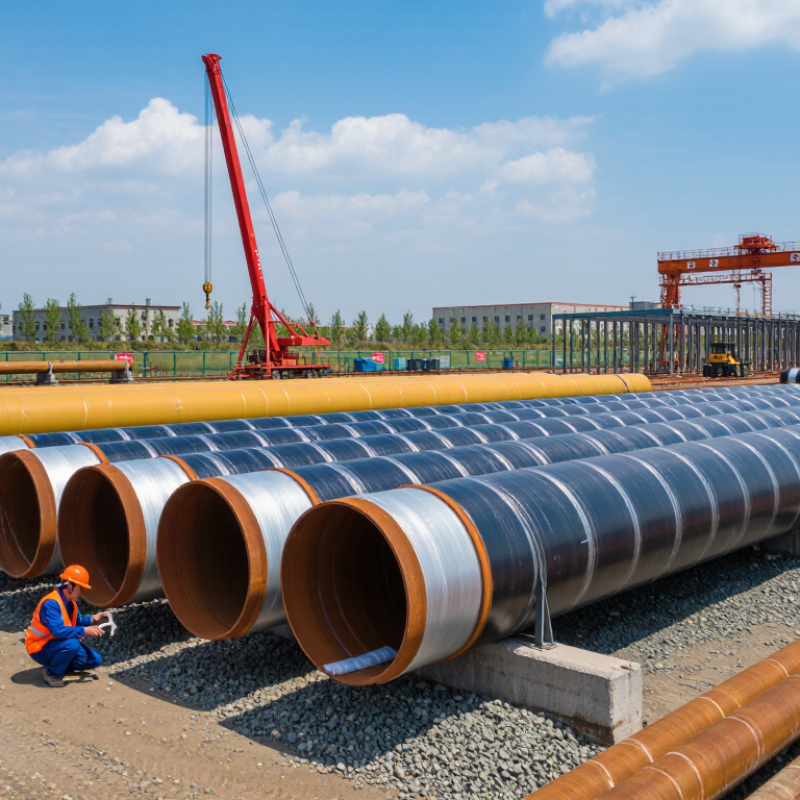
Scope and Definitions: Gas Pipe Sleeves, Materials, Sizes, and Applications
A gas pipe sleeve is a protective passage around a carrier pipe. It is not normally the pressure boundary. Sleeves protect gas lines where they cross walls, floors, roads, or foundations. They also create space for movement, inspection, and replacement. The boundary is easy to misunderstand.
Material selection depends on exposure and installation conditions. Steel sleeves suit structural crossings and heavy traffic areas. Polyethylene and PVC may fit selected underground applications. Concrete sleeves can support larger buried routes, but water control remains critical. The sleeve should resist corrosion, crushing, heat, and chemical contact. According to ASME B31.8 and NFPA 54 principles, separation, ventilation, sealing, and accessibility must be assessed together. A sealed sleeve is not automatically safer.
Size should begin with the carrier pipe’s actual outside diameter, not its nominal label. Designers then add clearance for insulation, thermal movement, coatings, and installation tolerance. A 100-millimeter carrier pipe may require a substantially larger sleeve. The final dimension depends on supports and seal design. The International Energy Agency’s Gas 2024 report projects global gas demand growth of about 2.5% annually through 2027. That growth increases demand for reliable crossings and protective details. PHMSA incident data repeatedly identifies excavation damage and corrosion as recurring pipeline risks. Small errors matter. Specifications sometimes look complete but omit drainage, venting, or future access.
Selection Metrics: GB/T 9711, ISO 3183, NACE MR0175, and QA Records
China Top 10 Gas Pipe Sleeve Manufacturers?
A credible selection starts with standards, not catalog photos. For steel sleeves used around gas pipelines, ask how GB/T 9711 and ISO 3183 requirements are applied. These standards support control of steel chemistry, tensile strength, impact performance, dimensions, and manufacturing traceability. The sleeve design still matters. A protective sleeve is not automatically a pressure-containing pipe.
For wet hydrogen sulfide service, review NACE MR0175 requirements carefully. Material suitability depends on hardness, environment, stress, and manufacturing route. Request heat numbers, mill test certificates, chemical analysis, mechanical results, and hardness records. Check whether the documentation matches the actual sleeve batch. Small mismatches create large doubts.
QA records should include dimensional reports, weld procedure qualifications, welder approvals, non-destructive testing, coating inspection, and corrective-action history. Hydrostatic testing may apply to pressure-containing components, but not every sleeve. That distinction is often missed. Ask for sample inspection files, not polished promises. A practical audit should trace one finished sleeve back to its steel heat and inspection results. Factory capability can look convincing and still be inconsistent. This is where independent verification helps. I would also record unresolved deviations instead of hiding them. Perfect paperwork is rare. Honest gaps are easier to manage than invisible ones.
China’s Top 10 Manufacturers Ranked by Capacity, Certifications, and Delivery Data
China Top 10 Gas Pipe Sleeve Manufacturers?
China’s top ten gas pipe sleeve manufacturers should be judged by measurable production strength, not advertising claims. This ranking uses three indicators: verified capacity at 40%, relevant certifications at 30%, and delivery performance at 30%. Capacity records include monthly molding output, machine numbers, warehouse space, and documented overtime limits. Large factories are not automatically better.
Certification checks should cover material traceability, dimensional control, pressure-related applications, and quality management systems. Auditors should review test reports, calibration records, and batch samples. A sleeve may look precise but fail after temperature changes or installation stress. Small details matter.
Delivery data reveals practical reliability. The strongest suppliers report average lead times, on-time shipment rates, export packaging methods, and replacement procedures. Inspectors can compare purchase orders with packing lists and shipping records. A stable supplier may deliver fewer units but maintain better consistency. That distinction deserves more weight than it usually receives.
The ranking should also consider tooling flexibility, corrosion resistance, wall thickness tolerance, and support for custom sizes. Some published figures remain self-reported, so confidence levels should accompany every position. I would not treat an impressive capacity number as final evidence without a factory visit or independent audit. Market data changes quickly, and this is where even a careful ranking can remain imperfect.
Manufacturer Profiles: DN/OD Ranges, Pressure Ratings, Testing, and Export Reach
China Top 10 Gas Pipe Sleeve Manufacturers?
A reliable top-ten shortlist should compare measurable specifications, not catalogue claims. The IEA’s Gas 2024 report expects global gas demand to grow by about 2.5% in 2024. That growth increases demand for verified protection systems around buried pipelines. Manufacturer profiles should state DN/OD coverage clearly, such as DN50–DN1200 or OD63–OD1400. Some suppliers offer larger diameters, but availability may depend on tooling, steel grade, and project volume.
Pressure ratings need careful interpretation. A sleeve is usually protective, not the pressure boundary. Strong profiles separate sleeve strength from the carrier pipe’s design pressure. Look for documented calculations, dimensional inspection, coating checks, hydrostatic testing, impact testing, and weld examination where applicable. ISO 3183 and API 5L remain useful references for steel line-pipe requirements, while ISO 4427 supports polyethylene pipe specifications. Test certificates should identify standards, batch numbers, test pressure, duration, and laboratory responsibility. Details matter.
Export reach is another practical filter. Reviewers should check completed projects across regions, port experience, packing methods, and replacement-part support. Export claims can sound impressive. They are not proof. The top ten may include factories serving Asia, Europe, the Middle East, Africa, and Latin America, but shipment records and customer references provide stronger evidence. A weakness remains: public data rarely compares failure rates consistently. Buyers should request independent inspection and a sample approval before ranking manufacturers with confidence.
Buyer Comparison: Cost, Lead Time, Traceability, and Project-Fit Evaluation
China Top 10 Gas Pipe Sleeve Manufacturers?
Comparing ten manufacturers requires more than checking the lowest unit price. Request a complete landed-cost sheet, including tooling, packaging, testing, freight, and import charges. A low quote may exclude inspection fees or custom dimensions. Ask for material grades, wall thickness, temperature limits, and installation tolerances. Keep the numbers visible.
Lead time needs careful checking. Confirm sample production, drawing approval, mass production, inspection, and shipping separately. Some suppliers quote ten days for production but exclude tooling and export preparation. Request a dated schedule with production milestones. It exposes delays earlier. Still, schedules can change.
Traceability separates a reliable supplier from a risky choice. Each batch should connect to raw-material records, inspection results, and packing labels. Ask whether reports include lot numbers and measurable test values. Project fit also matters more than catalog size. Verify sleeve diameter, length, sealing method, corrosion resistance, and underground conditions. A technically strong supplier may still be unsuitable for a small project or urgent replacement.
Experienced buyers should compare evidence, not polished claims. Visit the factory when practical, or arrange an independent inspection before shipment. Check sample consistency after cutting, bending, or fitting. One weakness remains: many comparisons depend on supplier-provided information. Recheck critical data with drawings, test reports, and field requirements. The best choice is not always the cheapest, fastest, or largest manufacturer.
China Top 10 Gas Pipe Sleeve Manufacturers: Buyer Comparison
Anonymized top-10 market benchmark across cost competitiveness, lead-time performance, traceability, and project fit.
Scores are normalized to a 0–100 buyer-evaluation scale. Cost competitiveness reflects quoted-price efficiency, lead-time performance reflects production and delivery responsiveness, traceability covers material and quality-document availability, and project fit measures customization, compliance, and application suitability. Higher scores indicate stronger overall performance.
FAQS
Review GB/T 9711 and ISO 3183 for steel chemistry, strength, impact performance, dimensions, and traceability.
Not automatically. Confirm its design purpose before applying pressure-related testing requirements.
Check NACE MR0175 requirements, material hardness, environment, stress, and manufacturing route.
Request heat numbers, mill certificates, chemical analysis, mechanical results, and hardness records. Match them to the actual batch.
Look for dimensional reports, welding qualifications, welder approvals, non-destructive testing, coating checks, and corrective-action history.
No. It may apply to pressure-containing components, but not every protective sleeve.
Check monthly output, machine numbers, warehouse space, and documented overtime limits. Large factories are not automatically better.
Compare lead times, on-time shipment rates, packing records, and replacement procedures. Fewer shipments can still mean better consistency.
Trace one finished sleeve to its steel heat, inspection reports, and shipment records. Small mismatches matter.
Yes. Some capacity figures are self-reported, and market data changes quickly. Honest gaps are easier to manage.
Conclusion
This guide explains how to evaluate a Gas Pipe Sleeve manufacturer in China for pipeline, industrial, and infrastructure projects. It defines sleeve types, material options, DN/OD size ranges, wall thicknesses, pressure applications, and common installation environments. The selection framework focuses on compliance with GB/T 9711, ISO 3183, and NACE MR0175 where applicable, together with documented quality assurance, welding control, heat treatment, dimensional inspection, coating, and pressure-testing procedures.
The ranking approach compares ten manufacturers by production capacity, certification coverage, delivery performance, testing resources, traceability, and export experience, without relying on brand promotion. Each profile considers available dimensions, pressure ratings, inspection records, packaging, and project support. A buyer-focused comparison then weighs total cost, lead time, documentation quality, communication, customization capability, and long-term project fit. The goal is to help purchasers create a practical shortlist and select a dependable supplier based on verified evidence rather than price alone.

 CYCT