Heat Shrinkable Tapes are versatile materials used across various industries. They play a crucial role in electrical insulation, packaging, and mechanical protection. These tapes consist of a polymer that shrinks when heated. This unique property allows them to conform tightly around objects.
Understanding how Heat Shrinkable Tapes work reveals their essential features. They not only provide insulation but also enhance durability and resistance to environmental factors. In many cases, users may underestimate the importance of proper application techniques. Mistakes in usage can lead to inadequate protection or premature failure of the bond.
While these tapes offer significant advantages, they also require careful handling. Users must be aware of the correct temperature and time needed for effective shrinkage. Failing to do so may compromise the material's effectiveness. Thus, a deeper understanding of Heat Shrinkable Tapes can lead to improved performance in various applications.
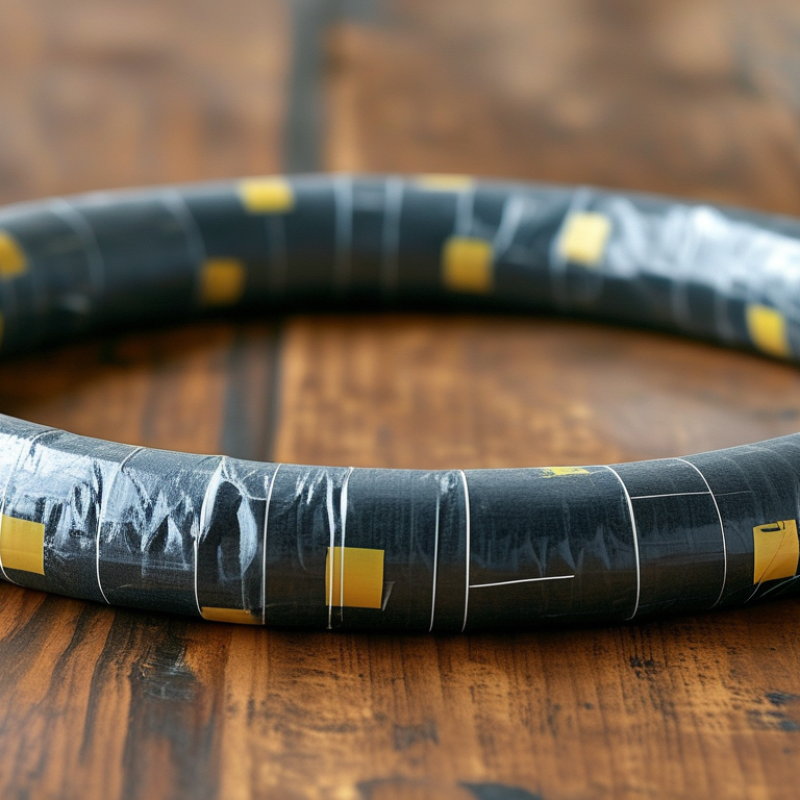
Heat shrinkable tapes serve a crucial role in various industries, especially in electrical applications. These specialized tapes are designed to shrink upon heating, creating a tight seal around wires and cables. This feature protects against moisture, dust, and abrasion, significantly enhancing durability. According to a report by the Global Market Insights, the heat shrinkable tape market is expected to grow at a compound annual growth rate (CAGR) of 5.8% through 2025, highlighting its increasing importance.
The composition of heat shrinkable tapes typically includes polyolefin, PVC, or fluoropolymer materials. When heated, these materials contract, wrapping securely around surfaces. This creates a robust insulation layer that can withstand extreme temperatures and environmental conditions. Research from the Adhesive and Sealant Council reveals that approximately 70% of heat shrinkable tapes are used in electrical insulation, showcasing their vital function.
Despite their strengths, the use of heat shrinkable tapes is not without challenges. The application process requires precision; improper heating can lead to inadequate shrinkage, compromising the seal. Additionally, surface preparation is critical. Contaminants on the wire surface can prevent proper adhesion. As industries adopt these tapes, ongoing training and evaluation remain essential for achieving optimal results.
Heat shrinkable tapes are essential in various industries for insulation and protection. These tapes consist of polymer materials that can change shape when exposed to heat. This unique feature enables them to conform tightly over various surfaces, ensuring effective sealing and protection against environmental factors.
There are several types of heat shrinkable tapes, each tailored for specific applications. Polyvinyl chloride (PVC) and polyolefin are the most common materials used. For instance, PVC tapes can withstand temperatures up to 105°C, while polyolefin tapes can endure even higher temperatures, often up to 125°C. The Global Heat Shrinkable Tapes Market is expected to reach $2.5 billion by 2025, with a notable increase in demand across sectors such as electronics and automotive. Such growth underscores the versatility of these tapes.
Despite the advantages of heat shrinkable tapes, certain challenges exist. The application method can affect the final result. If not heated evenly, the tape may not shrink properly, leading to inadequate protection. It's crucial for users to be aware of these factors. Ensuring proper installation practices can greatly enhance the reliability of the sealing process. Proper training and awareness in the usage of heat shrinkable tapes are vital for achieving optimal performance.
| Type of Heat Shrinkable Tape | Material Composition | Temperature Range (°C) | Common Applications |
|---|---|---|---|
| Polyolefin | Polyethylene/Polypropylene Blend | -40 to 125 | Electrical insulation, strain relief |
| PVC | Polyvinyl Chloride | -10 to 85 | Wire bundling, connecting cables |
| Fluoropolymer | PTFE or FEP | -200 to 200 | High-temperature environments, chemical resistance |
| Rubber | Natural or Synthetic Rubber | -30 to 90 | Sealing, vibration dampening |
Heat shrinkable tapes are essential in various industrial applications. They consist of polymer materials that shrink when heated. This unique property allows them to create a tight seal around wires and other components. As they heat, they can reduce in diameter significantly, often by up to 50%. This characteristic is critical for providing insulation and protection.
The application process is straightforward. Users typically apply the tape to the target area and use a heat source to activate it. The heat causes the tape to conform tightly to the shape of the object. Industry reports indicate that heat shrinkable tapes can offer moisture resistance and high electrical insulation, making them suitable for automotive and aerospace sectors. In a survey by a leading industry group, 78% of professionals noted significant improvements in safety and durability when using heat shrinkable technologies.
However, there are limitations. Factors like surface preparation and heat application can impact effectiveness. Improper use may result in gaps, compromising protection. It is essential to follow manufacturer guidelines carefully. Not all applications benefit equally from heat shrinkable solutions, and this should be considered in decision-making.
Heat shrinkable tapes are versatile tools used in various industries. These tapes are often employed to protect wires, cables, and other components. When heat is applied, they shrink tightly around the items, providing a secure, insulated environment. Their effectiveness makes them popular in electrical and automotive sectors.
One common application of heat shrinkable tapes is in wiring insulation. They create a robust seal that prevents moisture and contaminants from entering. This protects against electrical shorts and prolongs the life of the wiring. In the automotive industry, these tapes are frequently used for harness protection. They shield wires from abrasion and extreme temperatures.
Another notable application is in the manufacturing of electronic devices. Heat shrinkable tapes are used to bundle wires and components together. This helps in organizing complex circuit designs. While their advantages are clear, it's essential to choose the right type of tape for specific tasks. Misapplications can lead to failures. Understanding the material properties ensures optimal performance. The right choice can transform a project, while poor decisions may complicate the process.
Heat shrinkable tapes offer a reliable solution for various industries. These tapes provide excellent insulation and protection for electrical components. Their ability to tightly conform to irregular shapes helps create a secure seal, preventing moisture and contaminants from penetrating. This property is crucial in industries like manufacturing and construction, where equipment durability is essential.
In addition to insulation, heat shrinkable tapes are also favored for their ease of use. They can be applied quickly and require minimal tools. Professionals appreciate the efficiency during projects. The versatility of these tapes makes them suitable for various applications, from automotive to telecommunications. However, not all heat shrinkable tapes are the same; some may not adhere well under extreme conditions. Users must carefully assess their options.
While there are many advantages, challenges exist. For instance, improper application can lead to failure in adhesion. It's essential to ensure the surface is clean and dry before use. This detail often gets overlooked, leading to subpar results. Using heat shrinkable tapes effectively requires an understanding of materials and conditions. Investing time in research yields better outcomes.
: Heat shrinkable tapes are primarily used to protect wires, cables, and electronic components from moisture and abrasion.
These tapes shrink tightly around objects when heated, creating a strong seal for insulation and protection.
Common materials include polyolefin, PVC, and fluoropolymer. These materials offer durability and temperature resistance.
Contaminants can hinder adhesion, leading to ineffective sealing. Clean surfaces ensure better tape performance.
Improper heating can cause inadequate shrinkage, leading to gaps that compromise protection. Training is necessary for optimal results.
They are commonly used in electrical, automotive, and aerospace sectors due to their insulation properties.
They can reduce in diameter by up to 50% when heated, ensuring a tight fit around objects.
Not every application benefits equally; it's crucial to assess specific needs before use to avoid misapplications.
Failing to follow guidelines or misusing tapes can lead to gaps and inadequate protection.
The market is projected to grow at a CAGR of 5.8% through 2025, highlighting increased demand and importance.
Heat shrinkable tapes are versatile materials designed to contract in size when exposed to heat, providing a secure and protective covering for various applications. These tapes are manufactured from polymer materials and come in different types, each with specific properties tailored for diverse uses. When heated, heat shrinkable tapes tightly wrap around the surfaces they cover, ensuring a snug fit that enhances insulation and protects against environmental factors.
The applications of heat shrinkable tapes are widespread, ranging from electrical insulation to medical devices, and their benefits include improved durability and resistance to moisture, chemicals, and abrasion. Industries benefit from the use of heat shrinkable tapes due to their ease of application and effectiveness in streamlining processes while offering reliable protection.

CYCT