In today's global market, the demand for Heat Shrinkable Sleeves continues to rise. According to a report by MarketsandMarkets, the heat shrinkable sleeve market is projected to reach $5 billion by 2025, driven by increasing applications in industries like automotive and aerospace. Experts emphasize the importance of quality in choosing the right product.
Dr. Emily Chen, a specialist in polymer technology, states, "Selecting the proper Heat Shrinkable Sleeve is critical for ensuring durability and reliability." This highlights the need for buyers to understand various factors, such as material composition and thermal properties.
Navigating the market can be challenging. Many products may not meet the required standards, which can lead to failures in critical applications. Consumers should thoroughly evaluate potential options and consider expert recommendations. As the market evolves, staying informed about the latest innovations and trends is essential for making wise investment decisions.
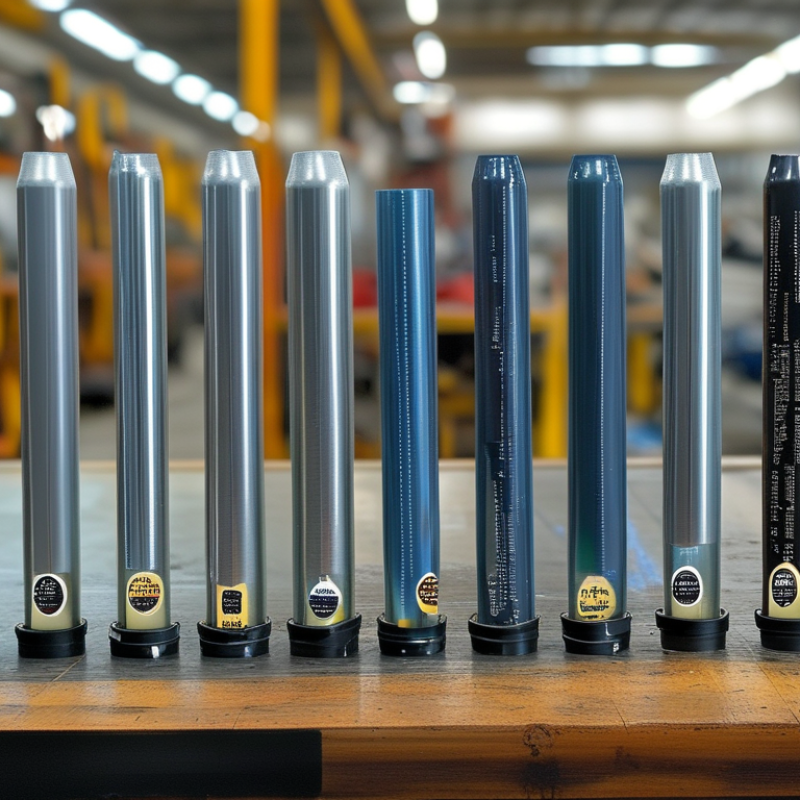
Heat shrinkable sleeves serve a vital role in various industries. Their primary function is insulating and protecting electrical connections. Many global buyers seek high-quality options to ensure durability and performance. These sleeves are made from materials like polyolefin and PVC. They shrink evenly when heated, fitting snugly around wires. This ensures a reliable seal against moisture and chemicals.
Different applications highlight the versatility of heat shrinkable sleeves. They are used in telecommunications, automotive, and aerospace sectors. In telecommunications, they protect sensitive cables. In automotive applications, they cover and insulate wiring harnesses. Environmental factors, such as temperature and humidity, can affect performance. Therefore, selecting the right type for specific conditions is crucial. Not every sleeve will meet every requirement, prompting buyers to examine their unique needs.
Buyers should consider the shrink ratio and temperature range when choosing sleeves. A common oversight is not accounting for the sleeve's expansion and contraction. This can lead to improper fit and reduced protection. Thorough research and product evaluations will ensure better choices. Engaging with experienced suppliers can provide valuable insights.
| Type | Material | Temperature Range | Applications | Diameter Range (mm) | Features |
|---|---|---|---|---|---|
| Standard | Polyolefin | -55°C to 125°C | Electrical insulation, wire harnessing | 1.0 to 25.4 | Flame retardant, UV resistant |
| Heavy-Duty | PVC | -40°C to 105°C | Automotive, industrial applications | 2.0 to 50.0 | High abrasion resistance |
| Medical Grade | Polyethylene | -70°C to 85°C | Healthcare, pharmaceutical applications | 1.5 to 30.0 | Biocompatible, sterilizable |
| High Voltage | Cross-linked Polyethylene | -40°C to 125°C | Power distribution, telecommunications | 3.0 to 60.0 | Excellent electrical properties |
When selecting heat shrinkable sleeves, several key factors should guide your decision. First, consider the material. Common options include polyolefin, PVC, and fluoropolymers. Each type offers varying levels of heat resistance and flexibility. Understanding these materials helps ensure the sleeve will endure the environment it will face.
Another vital aspect is size and shrink ratio. You need to accurately measure the components that will be covered. If the sleeve is too large, it won't provide adequate protection. Conversely, if it's too small, it can create pressure points that lead to failure. Pay attention to the shrink ratio listed in product specifications.
In addition, temperature and environmental exposure matter significantly. Some sleeves are designed for extreme temperatures. Others are resistant to moisture, chemicals, or UV light. Knowing your application needs is essential. Remember that choosing the right sleeve is not just about immediate needs. Think long-term about durability and reliability in various conditions.
When exploring heat shrinkable sleeves, it's essential to understand the various manufacturers and their product offerings. Many leading manufacturers focus on durability, flexibility, and specific uses in industries such as telecommunications, automotive, and electrical applications. Their portfolios often include products designed to withstand extreme temperatures and environmental conditions. Each brand aims to ensure the longevity and reliability of their heat shrink solutions, demonstrating their commitment to quality.
It's important to evaluate the materials used in these sleeves. Look for options made from polyolefin, PVC, or fluoropolymer. Each material offers unique benefits, such as heat resistance or chemical stability. Various manufacturers also provide customizable sizes and colors, addressing different project needs. Reviews and technical data can help assess the reliability of each option.
Consider the manufacturing process when selecting a supplier. Some companies focus heavily on quality control, which can impact the final product. When you review options, pay attention to certifications and industry standards that improve credibility. Testing samples before final procurement can also offer insights into performance. Understanding these elements is critical to making an informed choice.
When choosing a heat shrinkable sleeve, material selection is crucial. Common materials include polyolefin, PVC, and fluoropolymers. Polyolefin is known for its versatility and robust performance. It effectively protects wires and cables from environmental factors. Its ability to shrink uniformly makes it a popular choice. However, not all applications require polyolefin.
PVC offers a cost-effective alternative for general use. It has decent mechanical properties and is easy to work with. Yet, its heat resistance does not match that of polyolefin or fluoropolymer options. For high-temperature applications, fluoropolymers are superior. They withstand extreme conditions while providing excellent chemical resistance. But they come at a higher price point, which may not be justified for all projects.
When selecting a sleeve, buyers must consider specific needs. This includes temperature range, flexibility, and environmental exposure. Sometimes, the less expensive option might compromise performance. While cost savings are tempting, they could lead to future issues. Ignoring material properties can result in unreliable protection. It's essential to reflect on the balance between cost and performance for a successful application.
The demand for heat shrinkable sleeves has been on a steady rise in various sectors. Industries such as electronics, automotive, and telecommunications increasingly rely on these products for insulation and protection purposes. A shift toward more sustainable materials is noticeable. Companies are seeking environmentally friendly options without compromising quality. This trend reflects both consumer demand and regulatory pressures.
Market forecasts indicate robust growth in this sector. The global need for reliable insulation solutions drives innovation and advancements. Manufacturers are exploring new materials and production techniques, which may enhance performance. However, balancing cost-efficiency with quality remains a challenge. Some producers may cut corners, leading to inferior products that don't meet industry standards. This inconsistency could affect buyers' trust.
Development in technology also plays a crucial role. Improved manufacturing processes lead to better durability and flexibility. Still, there is a need for rigorous testing and validation. Not every product on the market meets stringent safety criteria. A conscious selection process becomes essential for buyers. They must be wary of variations in quality and ensure they choose reputable suppliers.
: They insulate and protect electrical connections, ensuring durability and performance.
They are used in telecommunications, automotive, and aerospace sectors.
Common materials include polyolefin, PVC, and fluoropolymers, each offering different properties.
An improper fit can lead to insufficient protection or pressure points that cause failure.
Temperature and humidity impact their performance and reliability over time.
Overlooking the sleeve's expansion and contraction can lead to poor fit.
Focus on durability and reliability in various environmental conditions.
No, selecting the right sleeve requires understanding specific application needs.
It might compromise performance, leading to potential future issues.
Experienced suppliers can offer valuable insights for better product selection.
The article "Best Heat Shrinkable Sleeve Options for Global Buyers" provides a comprehensive overview of heat shrinkable sleeves, highlighting their various applications across different sectors. It emphasizes the importance of understanding the key factors to consider when selecting these sleeves, such as material compatibility, heat shrink ratio, and environmental resistance.
Additionally, the article presents an analysis of leading manufacturers in the market, outlining the diverse offerings available to global buyers. It further explores the materials commonly used in producing heat shrinkable sleeves and discusses current market trends, including rising demand and future forecasts. This information equips buyers with the knowledge needed to make informed purchasing decisions in the competitive landscape of heat shrinkable sleeves.

CYCT