Heat Shrink Sleeves are an invaluable tool in various projects. These versatile materials offer multiple advantages that can enhance the durability and performance of your work. From electrical insulation to environmental protection, heat shrink sleeves serve many important functions.
One key benefit is their ability to provide a reliable protective barrier. When properly applied, they seal out moisture and contaminants. This is crucial for long-lasting applications. Additionally, the installation process is straightforward and does not require specialized tools. In many scenarios, they can be applied easily by hand.
However, it’s worth reflecting on the choice of heat shrink thickness. Selecting the right size matters. If it’s too tight, it may not shrink properly; if too loose, it won't provide adequate protection. Understanding the properties and application methods of heat shrink sleeves is essential for optimal results.
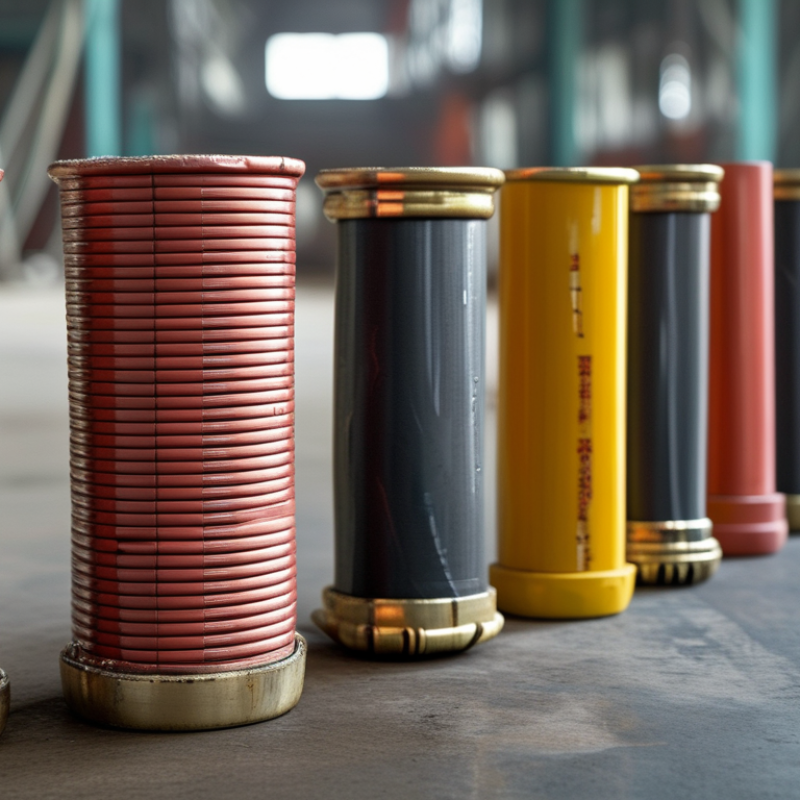
Heat shrink sleeves provide excellent electrical insulation in various applications. They effectively protect wires and cables from moisture, chemicals, and abrasion. According to a 2022 industry report, heat shrink materials can improve insulation resistance by up to 10 times compared to traditional methods. This enhanced resistance helps prevent electrical failures and prolongs the lifespan of critical infrastructure.
One notable aspect of heat shrink sleeves is their versatility in various environments. The materials used can withstand extreme temperatures and harsh conditions. For instance, some heat shrink products endure temperatures ranging from -55°C to 125°C. This capability makes them suitable for both indoor and outdoor applications, including automotive and aerospace sectors. The flexibility in installation allows for secure fitting over irregular shapes, which is often a challenge with other insulating methods.
While heat shrink sleeves have numerous benefits, there are considerations to reflect upon. Improper application can lead to inadequate insulation. Factors like temperature and shrink ratio must be monitored closely for optimal performance. It’s essential to choose the right type of heat shrink for specific project requirements. Neglecting these details may result in compromised electrical insulation, ultimately leading to costly repairs or replacement.
Heat shrink sleeves offer remarkable protection against environmental damage. They create a secure barrier that prevents moisture, dust, and dirt from compromising the integrity of electrical connections or materials. This is particularly important for projects exposed to harsh outdoor conditions. For instance, when cables are wrapped in heat shrink sleeves, they are less prone to corrosion and short-circuiting. This can significantly extend the lifespan of your electrical components.
In addition to moisture and dirt, heat shrink sleeves shield against ultraviolet light. UV exposure can degrade materials over time, leading to cracks or brittleness. By using these sleeves, you can preserve the flexibility and strength of the underlying materials. However, not all projects require the same level of protection. It’s crucial to assess your specific project's needs to determine the appropriate type of sleeve. Ensuring a good fit and proper installation is vital for achieving optimal protection.
It’s easy to overlook the impact of environmental factors on project longevity. While heat shrink sleeves provide essential defense, neglecting installation quality can lessen their effectiveness. Regular checks and maintenance can help ensure optimal performance. Overall, even though heat shrink sleeves enhance durability, project success relies on careful planning and execution.
Heat shrink sleeves play a significant role in enhancing organization, particularly in cable management. When dealing with multiple cables, identifying each one can become cumbersome. Using heat shrink sleeves simplifies this task. Different colors or labels can be applied to sleeves, allowing quick identification. A well-organized workspace leads to increased efficiency.
Moreover, heat shrink sleeves help to group cables, reducing clutter. This not only makes the workspace look tidier but also minimizes the risk of accidental disconnections. However, it’s essential to choose the right size for your cables. If the sleeve is too tight, it may cause damage. Conversely, if it is too loose, it won't provide the organization needed.
Reflecting on past experiences, some might find that the initial installation can be a bit challenging. Ensuring that the heat is applied evenly requires practice. Overheating can lead to shrinkage that is difficult to manage. This trial-and-error aspect is a reminder of the importance of precision in the application process. With patience and attention, heat shrink sleeves can effectively transform chaotic wiring into a neatly organized system.
Heat shrink sleeves offer a cost-effective solution for many projects, particularly in reducing repair and replacement expenses. Their ability to provide a robust protective layer means that damaged wires or connectors can be repaired rather than replaced entirely. This simple adjustment can save money and time, allowing resources to be allocated more efficiently. When properly applied, heat shrink sleeves can extend the lifespan of electrical components significantly.
Moreover, the installation process itself is often straightforward. This ease of use leads to fewer labor hours spent on repairs. In contrast, replacement parts often require more significant effort and resources, including sourcing new components. However, while heat shrink sleeves are beneficial, they need to be applied carefully to achieve the desired results. Improper application might lead to insufficient protection, which could eventually incur higher costs.
This balance between cost-saving and quality is vital. The reliability of these sleeves can be compromised if they are not selected or applied correctly. It's essential to consider environmental factors, such as extreme temperatures, which can impact performance. Making informed choices and learning from installation experiences will further enhance their effectiveness and overall cost-efficiency. Even small mistakes can lead to less-than-ideal outcomes, so maintaining a critical eye during application remains important.
| Benefit | Description | Cost-Effectiveness |
|---|---|---|
| Durability | Provides a strong protective layer that can withstand harsh conditions. | Reduces the frequency of repairs and replacements. |
| Water Resistance | Seals components from moisture, preventing corrosion and damage. | Minimizes repair costs associated with water damage. |
| Flexibility | Conforms to various shapes and sizes for a secure fit. | Reduces need for additional fitting materials. |
| Chemical Resistance | Protects against a variety of chemicals and solvents. | Lowers replacement expenses due to chemical exposure. |
| Easy Installation | Requires minimal tools and training for application. | Saves on labor costs during installation. |
| Electrical Insulation | Provides excellent electric insulation properties. | Reduces the risk of electrical failures and associated repairs. |
| Temperature Resistance | Functions well in extreme temperature conditions. | Prevents failures due to temperature fluctuations. |
| Variety of Sizes | Available in different diameters and lengths. | Allows for optimal fit without excessive waste. |
| Aesthetic Appeal | Improves the look of electrical and plumbing work. | Enhances overall project value and reduces future costs. |
| Non-Toxic | Safe for use in various environments including food handling. | Minimizes replacement costs in sensitive applications. |
Heat shrink sleeves offer an effective solution for various projects. Their ease of use makes them a popular choice among professionals and DIY enthusiasts. The application process is straightforward, requiring minimal training. Simply slide the sleeve over the desired area and apply heat. The sleeve will shrink, creating a tight fit around the object. This versatility allows for various applications, from electrical insulation to surface protection.
When using heat shrink sleeves, consider the material you're working with. Different materials respond to heat differently. For plastics, a lower temperature may suffice. For metal or glass, ensure your heat source is adequate. Always test a small section before full application. This precaution can prevent potential damage or uneven shrinking.
Mind the environment where you work. Proper ventilation is essential. Heat guns emit fumes that can be harmful. Creating a safe workspace is crucial. Also, consider the thickness of the sleeve you choose. Thicker sleeves provide more durability but may require higher temperatures to shrink properly. An imbalance might lead to inadequate protection. Reflecting on these factors can enhance your project's success.
: They protect against environmental damage like moisture, dust, and UV light.
They create a barrier that prevents corrosion and short-circuiting, extending component lifespan.
Poor installation can lessen their protective effectiveness, leading to project failure.
Assess your project’s needs, fit, and installation quality to ensure optimal protection.
They simplify identification and organization, reducing clutter and enhancing workspace efficiency.
Yes, too tight can damage cables, while too loose won’t provide adequate organization.
Even heat application can be tricky; overheating may cause difficult-to-manage shrinkage.
Regular checks and maintenance can help ensure they perform optimally over time.
Precision is key; practice is needed to achieve the best results.
Yes, not all projects require the same level of protection; evaluate your specific needs.
Heat Shrink Sleeves offer numerous benefits that enhance their utilization in various projects, especially in electrical insulation applications. They provide superior protection against environmental damages, ensuring increased durability for cables and connections. Additionally, Heat Shrink Sleeves significantly improve organization by facilitating effective cable management and identification, which helps maintain a tidy workspace and reduces the risk of errors when accessing various cables.
Moreover, these sleeves are cost-effective, as they help minimize repair and replacement expenses over time. Their ease of use simplifies the application process, allowing for quick installation while providing versatility across different applications. Overall, incorporating Heat Shrink Sleeves into your projects not only boosts performance but also contributes to long-term savings and efficiency.

CYCT