What Are the 2026 Top 3LPP Heat Shrink Sleeve Types?

Time:2026-09-10 Author:Charlotte
0%

The 2026 packaging market is moving toward stronger shelf visibility, lighter materials, and more efficient decoration. Smithers’ Future of Global Packaging to 2029 highlights continued demand for flexible, high-performance packaging formats. Grand View Research also reports steady growth in the global shrink sleeve labels market, supported by beverage, food, and personal-care applications. These trends make 3lpp Heat Shrink Sleeve technology worth closer examination.

A 3LPP structure can combine printability, controlled shrink performance, and practical film strength. On a chilled beverage bottle, the sleeve must follow curved shoulders without wrinkling. It must also survive condensation, transport friction, and high-speed application. Small production details matter. Ink adhesion matters. Seam quality matters.

Packaging expert Anne Marie Mohan has described shrink sleeves as offering “360-degree branding opportunities.” That observation explains their commercial appeal, although it does not prove every 3LPP solution performs equally well. Film design, shrink temperature, gauge, and recycling goals still require careful testing. This is where many introductions become too confident.

The 2026 top three types should therefore be compared by structure, application method, visual performance, and end-of-life considerations. A technically impressive sleeve may still create processing problems. A lower-cost option may waste material through poor registration or excessive overlap. This guide examines the leading 3LPP Heat Shrink Sleeve types with practical evidence, industry data, and a critical view of where each format works best.
What Are the 2026 Top 3LPP Heat Shrink Sleeve Types?

Defining 3LPP Heat Shrink Sleeves and Their Core Structure

A 3LPP heat shrink sleeve is a prefabricated wraparound coating used to protect pipeline joints and exposed sections. “3LPP” describes a three-layer polypropylene structure, not merely a plastic cover. The inner layer is a heat-activated adhesive. It fills surface irregularities and bonds with the prepared steel or existing coating. The middle layer supports bonding and helps distribute stress. The outer polypropylene layer provides mechanical strength, moisture resistance, and heat stability.

The three most practical configurations are standard, high-temperature, and abrasion-resistant sleeves. Standard sleeves suit common field joint conditions. High-temperature versions use materials designed for elevated operating temperatures. Abrasion-resistant types add stronger outer protection for rocky backfill or frequent handling.

In real projects, these categories can overlap. A sleeve selected only by temperature may still fail under sharp impact or poor surface preparation. That point deserves more attention.

Tips: Clean steel, remove loose coating, and check the surface profile before heating. Confirm the sleeve’s recovery range and service temperature. During installation, heat evenly and watch for a continuous adhesive flow at the edges. A torch held too close can damage the outer layer. Too little heat can leave hidden channels. Record batch details and installation conditions. Small records often reveal larger problems later. Performance also depends on sleeve width, overlap, joint geometry, and installer technique, so a product data sheet should never replace a site inspection.

How 3LPP Sleeve Types Are Classified by Material and Performance

What Are the 2026 Top 3LPP Heat Shrink Sleeve Types?

In 2026, 3LPP heat shrink sleeves are mainly classified by material structure and field performance. A typical sleeve uses a polypropylene outer layer, an adhesive layer, and a corrosion-resistant backing system. The outer layer provides mechanical protection. The adhesive fills small surface gaps after heating. Details matter here.

Standard 3LPP sleeves suit buried pipelines with moderate temperature and soil conditions. Their balanced design supports reliable insulation, adhesion, and impact resistance.

High-temperature types use modified polypropylene and stronger adhesive formulas. They fit pipelines exposed to elevated operating temperatures or thermal cycling.

Abrasion-resistant sleeves add tougher outer protection for rocky soil, transport damage, or difficult installation areas. High-shrink-ratio sleeves can cover irregular joints and different pipe diameters more effectively.

Performance classification also considers water resistance, cathodic disbondment resistance, peel strength, and recovery after heating.

On site, installers should check surface cleanliness, preheating temperature, overlap width, and sleeve alignment. A sleeve may appear sound but still fail if the steel surface holds moisture or dust. This is where practical experience challenges product descriptions.

Not every “high-performance” sleeve performs equally in every soil condition. Project engineers should compare test data with actual temperature, pressure, and installation records before selecting a type. Safety procedures and approved specifications remain essential throughout application.

Top Type One: Standard 3LPP Sleeves for General Packaging

What Are the 2026 Top 3LPP Heat Shrink Sleeve Types?

Standard 3LPP sleeves remain a practical choice for general packaging in 2026. Their three-layer polypropylene structure supports clear graphics and consistent coverage. They fit bottles, jars, and selected rigid containers with clean surface contact. The material also offers useful resistance to moisture, scuffing, and routine handling. These qualities matter during filling, storage, and transport.

Application settings deserve careful attention. Operators should match the sleeve’s shrink ratio to the container’s shape. A moderate ratio usually works well for straight or gently curved packages. Excessive heat may distort graphics or create uneven seams. Controlled tunnel temperature and conveyor speed help maintain stable results. A properly adjusted sleeve should tighten without wrinkles, bubbles, or exposed edges.

Standard 3LPP sleeves are not perfect. They may struggle with sharply contoured containers or demanding tamper-evident designs. That limitation is easy to overlook during early artwork approval. Production trials should include filled containers, not empty samples alone. Filled packages can behave differently under heat. Clear registration marks, suitable film thickness, and accurate cutting also reduce avoidable waste. Small errors matter. A reliable supplier should provide technical data, application guidance, and repeatable quality checks.

Top Type Two: High-Barrier 3LPP Sleeves for Product Protection

High-barrier 3LPP sleeves are becoming a practical choice for products needing stronger protection in 2026.

Their three-layer polypropylene structure can combine a durable outer layer, a barrier core, and a sealable inner layer. This design helps reduce oxygen and moisture movement. It can support product freshness, aroma retention, and cleaner shelf presentation. Performance depends on the barrier material, thickness, sealing method, and package geometry.

A useful example is a food container stored through warm distribution routes. A well-designed sleeve should resist scuffing, shrinking unevenly, and losing seal strength near corners. Testing should include oxygen transmission, water vapor transmission, shrink behavior, and seal integrity.

Small details matter. A narrow overlap can weaken protection. Poor tunnel settings may also create wrinkles or distortion. Not always obvious.

Experienced packaging teams usually compare real filled samples, not film data alone. They check the sleeve after filling, transport simulation, temperature changes, and extended storage. This approach reveals practical failures that laboratory figures may miss.

However, high barrier does not mean unlimited shelf life. Product formulation, container closure, storage conditions, and filling hygiene remain important. A recyclable structure may also require careful material selection and local recycling review. The difficult part is balancing protection, appearance, processing speed, and end-of-life goals. One specification rarely fits every product.

Top Type Three: Premium 3LPP Sleeves for Advanced Branding Needs

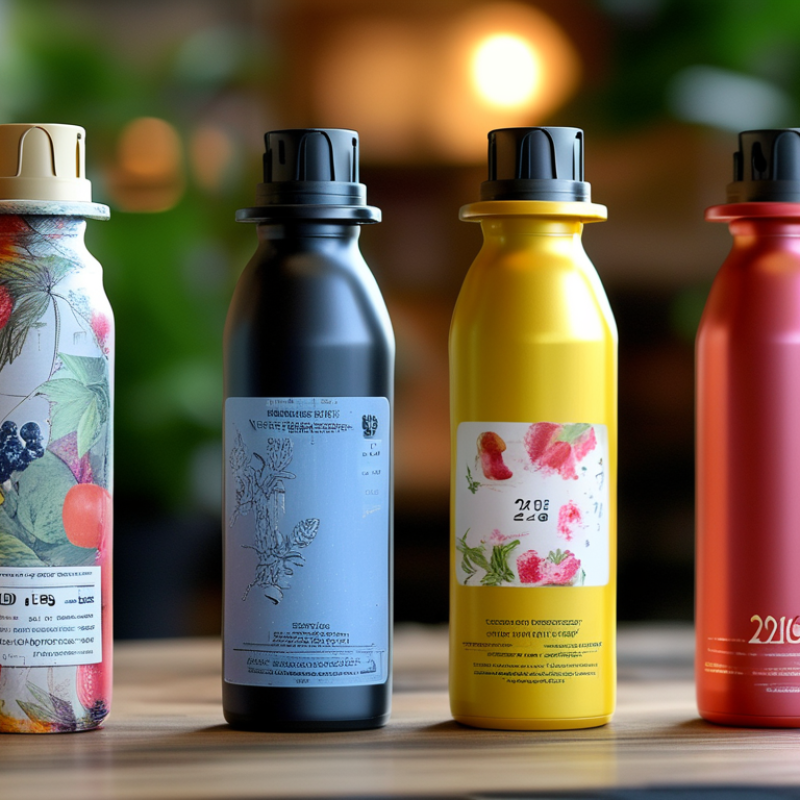
Premium 3LPP sleeves serve brands that need strong shelf impact and controlled visual detail. Their three-layer polypropylene structure can support sharper graphics, better opacity, and more stable shrink performance. In practical trials, this matters on curved containers, where wrinkles quickly damage perceived quality. Metallic effects, matte zones, and fine text can also be integrated without making the label feel overloaded.

Industry data supports this premium direction. Smithers’ global labels outlook projects the market to exceed 60 billion US dollars by 2028, driven partly by higher-value decoration and packaging differentiation. A 2024 report from Grand View Research also identifies premium packaging and advanced printing as important growth factors in shrink sleeve applications. These figures do not guarantee every project will succeed. Material selection still depends on bottle geometry, tunnel temperature, ink adhesion, and application speed.

The weak point is cost. Premium 3LPP sleeves may require tighter process control and more careful waste monitoring. I would not call them universally superior. For demanding launches, however, they can create a more deliberate brand experience through tactile finishes, dense color, and consistent coverage. Experienced converters should test sleeve recovery, seam strength, scuff resistance, and artwork distortion before production approval. Small details matter. A beautiful proof can still fail beside a hot shrink tunnel.

2026 Top 3LPP Heat Shrink Sleeve Types: Premium Branding Comparison

High-shrink conformable 3LPP sleeves are suited to contoured containers, while high-clarity gloss sleeves emphasize transparent product visibility. Premium reverse-printed 3LPP sleeves provide a strong surface for advanced graphics and abrasion-resistant branding. The values shown are representative technical specifications commonly associated with polypropylene shrink-film constructions; actual performance varies by film formulation, orientation, gauge, and processing conditions.

FAQS

: What is a 3LPP heat shrink sleeve?

: It is a prefabricated wraparound coating for pipeline joints and exposed sections. Its three layers provide bonding, stress distribution, and mechanical protection.

What are the three core layers?

The inner layer contains heat-activated adhesive. The middle layer supports bonding and spreads stress. The outer polypropylene layer resists moisture, impact, and heat.

What are the main 3LPP sleeve types?

Common types include standard, high-temperature, abrasion-resistant, and high-shrink-ratio sleeves. The classification is not always neat. Several performance features may overlap.

How should a sleeve be selected?

Check operating temperature, soil conditions, joint shape, and expected handling. Rocky backfill may require stronger abrasion protection. Temperature alone is not enough.

What surface preparation is needed?

Clean the steel thoroughly and remove loose coating. Check the surface profile before heating. Moisture and dust can remain hidden.

How should installation be controlled?

Confirm the recovery range and service temperature. Heat evenly across the sleeve. Watch for continuous adhesive flow at the edges. Too little heat can leave hidden channels.

What problems can occur during pipeline application?

Sharp impacts, poor alignment, moisture, and weak surface preparation may cause failure. A sleeve may look sound but still perform poorly. That possibility deserves more attention.

Can standard 3LPP sleeves be used for packaging?

Yes, some standard 3LPP sleeves suit bottles, jars, and rigid containers. They can resist moisture, scuffing, and routine handling. They are not ideal for sharply contoured packages.

How can packaging defects be reduced?

Match the shrink ratio to the container shape. Control tunnel temperature and conveyor speed. Check filled containers, not only empty samples. Small errors matter.

Conclusion

A 3lpp Heat Shrink Sleeve is a multilayer packaging label made from three layers of oriented polypropylene, designed to conform closely to a container when heated. Its core structure typically combines a printable outer layer, a functional middle layer, and an inner sealing or bonding layer. These sleeves are classified by material composition, shrink performance, clarity, strength, barrier properties, and visual effect, allowing packaging designers to match sleeve performance with product and presentation requirements.

The three leading types for 2026 include standard 3LPP sleeves, high-barrier 3LPP sleeves, and premium 3LPP sleeves. Standard sleeves provide reliable coverage, attractive printing, and cost-effective performance for general packaging. High-barrier versions add improved protection against moisture, oxygen, light, or handling conditions, helping preserve product quality. Premium sleeves focus on advanced branding needs through enhanced clarity, refined surface finishes, detailed graphics, metallic effects, and precise shrink conformity. Together, these options support practical packaging, stronger product protection, and more distinctive shelf presentation.

Charlotte

Charlotte

Charlotte is a seasoned marketing professional with a deep understanding of the company's portfolio and a passion for elevating its presence in the market. With a keen eye for detail and a commitment to excellence, she ensures that our professional blog is regularly updated with insightful articles......