2026 Best Heat Shrinkable Tape Buying Guide

Time:2026-10-10 Author:Liam
0%

Choosing the right Heat Shrinkable Tape requires more than comparing prices or roll lengths. Performance depends on temperature range, shrink ratio, adhesive behavior, and surface compatibility. A tape that works well on a clean copper joint may fail on painted steel, damp insulation, or uneven cable jackets.

This 2026 buying guide examines these practical differences. It considers installation temperature, recovery speed, dielectric strength, abrasion resistance, and long-term sealing performance. Field users should also check whether the tape fits the cable diameter before heating. Watch the fit. Excess material can create wrinkles, while insufficient overlap may leave weak points. A controlled heat source matters too. Direct flames can damage the backing or substrate, even when the tape appears sealed.

Real-world selection is rarely perfect. Product labels may use similar terms, but test methods and quality levels can differ. Some recommendations depend on storage conditions, installer technique, and exposure to oil, moisture, chemicals, or sunlight. That uncertainty matters. We will compare specifications with practical inspection steps, including edge bonding, surface preparation, and post-installation checks. Readers can also learn how to question marketing claims and request technical data sheets when information seems incomplete.

A dependable purchase should balance safety, durability, ease of use, and total installation cost. The cheapest roll may require rework later. This guide aims to support informed decisions through clear criteria, realistic limitations, and evidence-based comparisons. Small details often decide the result.
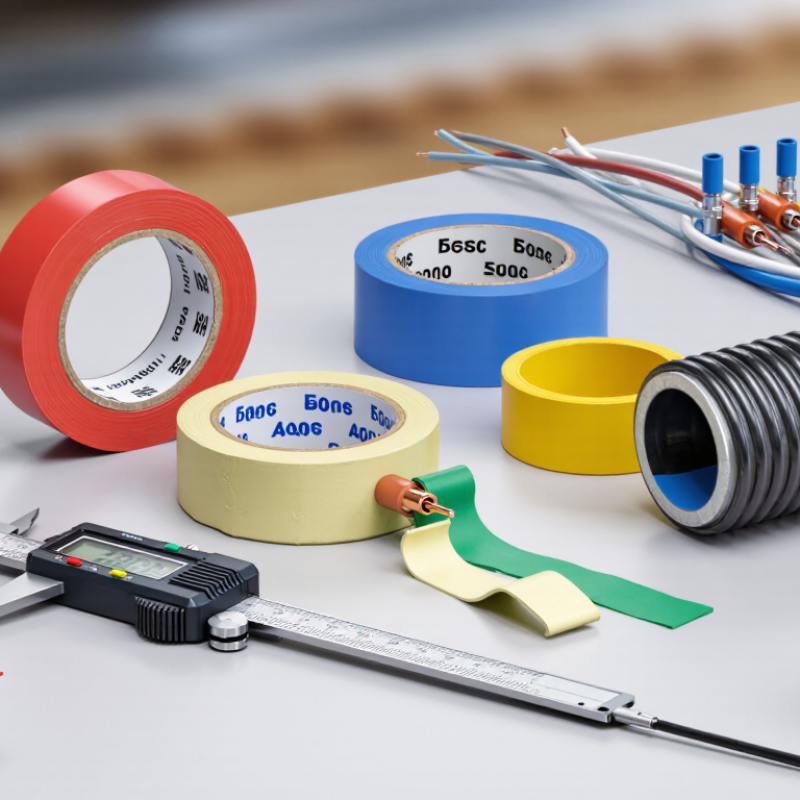
2026 Best Heat Shrinkable Tape Buying Guide

What Is Heat Shrinkable Tape and How Does It Work?

Heat-shrinkable tape is an insulating tape designed to tighten around wires, cable joints, and small components when heated. Its polymer backing contains an engineered memory. During manufacturing, the material is expanded and held in shape. Heat releases that stored recovery force.

A heat gun usually provides controlled warmth. As the tape reaches its activation range, it contracts around the surface. Some types include adhesive layers that soften and fill small gaps. Others rely on tight mechanical pressure and insulation alone. The finished wrap can resist moisture, abrasion, vibration, and minor chemical exposure. It is not a magic repair.

In practical cable work, I measure the joint diameter before choosing the tape. The recovered size must grip the smallest section without leaving loose edges. I also check the published shrink ratio, temperature range, wall thickness, and surface compatibility. Clean, dry insulation matters. Oil or dust can weaken adhesion.

Slow heating works better. Keep the heat moving.

A flame may scorch the backing, damage insulation, or create uneven shrinkage. I have seen installers stop too early because the tape looked tight, while its adhesive had not fully flowed. That assumption can cause trouble later. Heat-shrinkable tape cannot replace proper cable preparation, strain relief, or testing. For critical electrical work, follow the product instructions and verify insulation performance with suitable equipment.

Key Materials, Designs, and Performance Features to Compare

2026 Best Heat Shrinkable Tape Buying Guide

Material choice controls how heat-shrinkable tape behaves around joints, terminals, and uneven cable surfaces. Polyolefin offers balanced insulation, flexibility, and moisture resistance. Fluoropolymer handles higher temperatures and harsh chemicals, but usually costs more. Adhesive-lined designs matter when water ingress is a concern. They can fill small gaps after heating.

The International Energy Agency’s Electricity 2024 report forecasts global electricity demand will grow by about 1,100 TWh from 2024 to 2026. More energized infrastructure means more demanding repair and maintenance environments. Choose a tape with a documented operating range, dielectric strength, shrink ratio, and flame behavior. A 3:1 ratio can cover irregular connections better than a 2:1 design. Check recovery temperature, too. Field work often happens with limited heating control.

A 2024 market assessment from Grand View Research reported continued growth in heat-shrinkable tubing demand through 2030, driven by automotive, electronics, and power applications. Tape selection should still follow the actual assembly, not market excitement. Test adhesion after thermal cycling, bending, and moisture exposure. I have seen strong-looking wraps loosen because the cable surface was dusty. That detail is easy to overlook. Published figures can also vary between reports, so request laboratory data and batch traceability before purchasing. Thin tape feels convenient. It may not provide enough mechanical protection.

How to Choose the Right Heat Shrinkable Tape for Your Application

2026 Best Heat Shrinkable Tape Buying Guide

How to Choose the Right Heat Shrinkable Tape for Your Application

Choosing heat shrinkable tape starts with the substrate. Identify the cable, pipe, joint, or irregular surface first. Polyolefin tape suits many electrical and mechanical repairs. Silicone-based options may perform better around movement, moisture, or temperature changes. Do not select by color alone.

Check the shrink ratio, recovery temperature, and operating range. A higher shrink ratio helps cover uneven shapes and larger diameter changes. The tape should overlap firmly without leaving exposed gaps. Measure the finished area before buying. Small errors matter.

The installation tool matters too. Use controlled heat, not an open flame. Rotate the work slowly and keep the heat moving. The tape should contract evenly without scorching, bubbling, or pulling away. Clean and dry the surface before wrapping. Dirt can weaken adhesion.

For outdoor or buried applications, review resistance to water, chemicals, abrasion, and ultraviolet exposure. Electrical work also requires verified insulation ratings and suitable wall thickness. Follow the product’s technical data sheet and relevant installation standards.

Test a short sample when the material or surface is unfamiliar. This step feels slow, but it can reveal poor recovery or weak bonding early. I have found that a tape can look excellent after heating yet fail after repeated bending. Selection is never perfect. Leave room for testing and reconsideration.

Installation Steps, Required Tools, and Safety Precautions

2026 Best Heat Shrinkable Tape Buying Guide: Installation Steps, Required Tools, and Safety Precautions

Choose heat shrinkable tape by checking shrink ratio, temperature range, adhesive type, and cable compatibility. A suitable tape should fit the cable diameter after shrinking, not before. I usually measure the damaged area and add extra length for overlap. The surface must be clean, dry, and free from oil. Use scissors, a measuring tape, heat-resistant gloves, safety glasses, and a controlled heat gun. Avoid open flames.

Wrap the tape firmly around the cable, keeping each layer slightly overlapped. Press the end down to prevent lifting. Apply gentle heat from the center outward, moving the heat gun continuously. The tape should contract evenly and bond without scorching. Stop when the adhesive appears smooth. Do not touch it immediately. It stays hot longer than expected.

Tips: Test a small section first. Check the cable’s insulation rating. Keep a fire extinguisher nearby. Never heat a live electrical connection. I once overheated a repair and caused surface bubbling, so patience matters. Inspect both edges after cooling. If gaps, wrinkles, or exposed conductors remain, remove the tape and redo the installation. A loose wrap may admit moisture later. That mistake is easy to miss. For outdoor repairs, confirm the tape is rated for water, sunlight, and temperature changes before buying.

2026 Best Heat-Shrinkable Tape Buying Guide

Compare typical shrink-start temperatures by material before selecting heat-shrinkable tape. Always confirm the exact temperature range, shrink ratio, substrate compatibility, and maximum operating temperature in the product datasheet.

Installation Steps

  1. Clean and dry the surface, removing oil, dust, and moisture.
  2. Measure the repair area and cut the tape with a clean edge.
  3. Position the tape with the recommended overlap and avoid wrinkles.
  4. Apply heat gradually from the center toward both ends until the tape conforms evenly.
  5. Allow the assembly to cool before handling or applying mechanical stress.

Required Tools

A compatible heat gun or controlled hot-air tool, temperature indicator or infrared thermometer, utility knife or scissors, cleaning wipes, gloves, and eye protection are typically required.

Safety Precautions

Work in a well-ventilated area, keep the heat source moving, avoid open flames unless specifically permitted by the tape instructions, and do not exceed the material’s recommended temperature. Disconnect electrical power before installation and inspect the finished seal for burns, gaps, lifting edges, or trapped moisture.

Quality Standards, Supplier Evaluation, and Buying Checklist

2026 Best Heat Shrinkable Tape Buying Guide

Quality Standards, Supplier Evaluation, and Buying Checklist

A reliable buying decision starts with the application, not the catalog photograph. Confirm the substrate, operating temperature, voltage, moisture exposure, and required shrink ratio. Ask for technical data showing tensile strength, elongation, dielectric strength, and flame behavior. Test reports should identify methods, sample conditioning, and revision dates. Vague certificates deserve caution.

Check whether the supplier controls incoming polymers, adhesive mixing, coating thickness, and curing conditions. Request batch traceability, retained samples, and a clear nonconformance process. A capable supplier should explain storage limits and installation temperatures without hiding behind generic language. Review production capacity, inspection equipment, lead times, and change-notification practices. Small details matter.

Use a physical sample on the actual cable or joint. Heat it evenly, inspect the seal, then expose it to movement, water, and temperature cycling. Record failures, not only successful results. The checklist should include dimensions, color stability, packaging, shelf life, quantity, delivery terms, and warranty scope. I still compare at least two lots, because one impressive sample can mislead. Cost is important, but an undersized tape roll creates rework and weakens confidence. A checklist can miss field conditions. Leave room for engineering judgment.

2026 Best Heat Shrinkable Tape Buying Guide - Quality Standards, Supplier Evaluation, and Buying Checklist

No. Evaluation Dimension What to Evaluate Recommended Requirement or Practical Benchmark Required Supplier Evidence Buyer Checklist
A. Product Selection and Application Fit
1 Tape Construction Confirm the base material, adhesive system, reinforcement, release liner, and whether the tape is heat-shrinkable, heat-recoverable, or simply heat-resistant. The construction should be clearly stated in the technical data sheet. Avoid products described only as “high temperature” without recovery or dimensional information. Technical data sheet, product construction diagram, sample specification, safety data sheet where applicable. Material identifiedAdhesive identifiedRecovery function confirmed
2 Application Temperature Check the minimum installation temperature and the temperature required to activate shrinkage or adhesive flow. The installation process should remain within the supplier’s stated range. Heat tools must not exceed the substrate or component temperature limit. Application instructions, processing window, recommended heat-tool settings, trial report. Install temperature suitableNo substrate damage
3 Operating Temperature Evaluate continuous-use temperature and any short-term peak-temperature rating after installation. Select a tape with a continuous rating above the actual operating temperature, including expected thermal cycling and localized hot spots. Published operating-temperature range and test method; thermal aging or thermal cycling data where available. Continuous rating checkedPeak exposure checked
4 Shrink Ratio and Recovery Verify the recovered thickness, shrink ratio, recovery direction, and ability to conform to irregular geometries. The final recovered layer should cover the smallest and largest sections without excessive wrinkling, voids, or overstress. Ask for dimensional tolerances rather than relying only on nominal values. Shrink-ratio data, recovered-thickness range, dimensional drawings, application samples. Coverage confirmedRecovered thickness adequate
5 Adhesion and Sealing Assess adhesion to the intended substrates, including cable jackets, metals, plastics, rubber, and painted surfaces. For environmental sealing, the adhesive should flow uniformly and form a continuous bond without channels, bubbles, or visible gaps after heating. Peel or adhesion test results, substrate compatibility list, installation photographs, environmental-aging results. Substrate compatibleSeal continuous
6 Electrical Performance Review dielectric strength, insulation resistance, volume resistivity, and tracking or arc resistance when relevant to the application. Electrical values must be compared with the system voltage, clearance requirements, insulation design, and applicable project specification. Laboratory test report identifying specimen conditioning, test method, thickness, and test voltage. Voltage requirement matchedTest method stated
7 Mechanical Durability Evaluate tensile strength, elongation, tear resistance, abrasion resistance, flexibility, and resistance to vibration or bending. The tape should remain bonded and intact after the expected handling, movement, vibration, and installation stresses. Mechanical test data, bend-cycle results, abrasion data, vibration or flexing test report where applicable. Flexibility suitableHandling strength suitable
8 Environmental Resistance Check resistance to moisture, humidity, salt spray, ultraviolet exposure, oils, fuels, cleaning fluids, chemicals, and outdoor weathering. Testing should reflect the actual environment. Do not treat a general “weather-resistant” statement as proof of chemical compatibility. Chemical-compatibility chart, humidity aging, water immersion, salt-spray, UV-weathering, and fluid-resistance results as applicable. Environment mappedChemicals identified
9 Flammability and Smoke Determine whether flame-retardant performance, smoke behavior, or low-halogen characteristics are required. Use the exact flammability classification and test standard required by the end application. A flame-retardant claim is not equivalent to a specific certification. Flammability test report, declaration of conformity, material composition statement, and certification scope. Classification verifiedScope verified
B. Quality Standards and Technical Documentation
10 Applicable Standards Identify standards that apply to the complete tape, the polymer material, the adhesive, or the finished assembly. Potential reference standards include ASTM D2671 for heat-shrinkable tubing test methods, ASTM D1000 for pressure-sensitive adhesive-coated tapes, IEC 60454 for pressure-sensitive adhesive tapes, and IEC 60684 for flexible insulating sleeving where applicable. Confirm applicability before purchase. Standard numbers and editions, test reports, certification documents, and a written statement of scope. Standard applicableEdition currentScope confirmed
11 Dimensional Control Control tape width, total thickness, length per roll, inner core dimensions, shrink ratio, and recovered thickness. The supplier should provide nominal values, tolerances, measurement methods, and sampling frequency. Critical dimensions should be verified on incoming inspection samples. Certificate of analysis, inspection plan, dimensional inspection records, calibrated equipment list. Tolerances statedMeasurement method stated
12 Batch Consistency Review consistency of adhesive coating, color, tack, shrink behavior, recovered thickness, and roll length between production lots. Require lot identification and retained samples. Critical-to-quality characteristics should be monitored using documented acceptance limits. Batch records, control charts, retained-sample policy, certificate of analysis, nonconformance history. Lot traceabilityRetained samples
13 Aging and Shelf Life Confirm shelf life, storage temperature, humidity limits, packaging requirements, and performance after storage. Storage conditions should be stated clearly. Adhesive-coated products should be protected from excessive heat, moisture, contamination, and direct sunlight. Shelf-life statement, storage instructions, accelerated-aging data, packaging specification, date and lot coding example. Shelf life acceptableStorage practical
14 Traceability and Change Control Assess whether raw-material changes, process changes, tooling changes, and manufacturing-site changes are controlled and communicated. The supplier should provide advance notification for changes that may affect fit, form, function, compliance, or long-term performance. Change-control procedure, lot coding system, material declaration, change-notification policy. Change notice requiredFull traceability
C. Supplier Evaluation
15 Quality Management System Review the supplier’s quality-management structure, internal audits, corrective-action process, and control of nonconforming products. A documented quality system with controlled procedures, inspection records, corrective-action tracking, and defined responsibilities is preferred. Quality certificate where relevant, audit summary, sample corrective-action report, inspection procedure. QMS reviewedCAPA process reviewed
16 Testing Capability Determine whether testing is performed in-house or by qualified independent laboratories and whether equipment is calibrated. Critical performance claims should be supported by repeatable test methods, controlled conditions, and traceable calibration. Equipment list, calibration certificates, laboratory qualifications, test-method summaries, sample reports. Testing verifiedCalibration current
17 Sample and Pilot Support Evaluate the supplier’s ability to provide representative samples, application guidance, pilot lots, and technical troubleshooting. Samples should come from normal production or be clearly identified as development material. Pilot quantities should support process validation before mass purchasing. Sample identification, pilot-lot plan, application instructions, technical support contact, trial report template. Representative samplePilot lot available
18 Production Capacity Assess monthly capacity, lead time, minimum order quantity, production scheduling, and contingency arrangements. Capacity should cover forecast demand with reasonable safety margin. Lead time and minimum order quantity should fit the project’s inventory strategy. Capacity statement, lead-time quotation, production schedule example, backup-process or continuity plan. Capacity sufficientLead time acceptedMOQ acceptable
19 Packaging and Logistics Check packaging protection, roll orientation, labeling, carton quantity, palletization, shipping conditions, and delivery documentation. Packaging should prevent crushing, contamination, moisture exposure, telescoping, and adhesive transfer during transport and storage. Packaging specification, label sample, packing list, shipping test or handling instructions. Packaging approvedLabels traceable
20 Commercial Risk Compare total cost, tooling or setup charges, testing fees, payment terms, warranty, replacement policy, and cost of quality failures. Evaluate landed cost and lifecycle risk rather than unit price alone. A lower-priced tape may create higher labor, rework, or field-failure costs. Formal quotation, cost breakdown, warranty terms, defect-claim procedure, delivery-performance records. Total cost comparedWarranty clear
D. Pre-Purchase Validation and Buying Checklist
21 Application Trial Apply the tape to actual substrates and geometries using the intended production tools and operators. The trial should confirm installation time, heating method, shrink uniformity, adhesion, appearance, and rework requirements. Approved trial procedure, photographs, dimensional results, operator feedback, acceptance report. Production-like trialAcceptance criteria met
22 Incoming Inspection Plan Define inspection items, sampling level, test equipment, acceptance limits, and actions for rejected lots. At minimum, verify identification, packaging condition, roll length, width, thickness, appearance, adhesion, and batch documentation according to risk. Incoming inspection work instruction, sampling plan, inspection record template, nonconformance procedure. Inspection plan issuedAcceptance limits set
23 Specification Agreement Freeze the approved material grade, dimensions, tolerances, performance values, packaging, and change-notification requirements. The purchase specification should reference controlled documents and clearly distinguish mandatory requirements from typical values. Signed technical specification, approved drawing, quality agreement, controlled revision history. Specification signedRevision controlled
24 Final Purchase Decision Score product performance, compliance, supplier capability, delivery, service, and total cost using a documented evaluation method. Approve only when all critical requirements pass. Any deviation should have written technical approval and a defined mitigation plan. Supplier scorecard, risk assessment, approval record, deviation approval, purchase specification. All critical items passRisks documentedApproval complete
Important: Standards and performance values must be verified against the latest applicable edition, the exact tape construction, and the intended end-use requirements. Product data described as “typical” should not be treated as a guaranteed acceptance limit unless it is included in the agreed purchase specification.

FAQS

What is heat-shrinkable tape?

Heat-shrinkable tape insulates wires, cable joints, and small components. Its polymer backing remembers an expanded shape. Heat releases that stored recovery force.

How does the tape shrink?

A controlled heat gun warms the tape within its activation range. The material contracts around the cable surface. Some versions also soften adhesive into small gaps.

How should I choose the correct tape size?

Measure the joint diameter before buying. Check the shrink ratio and recovered diameter. The tape must grip the smallest section firmly. A loose edge can admit moisture.

What tools are needed for installation?

Use scissors, a measuring tape, heat-resistant gloves, safety glasses, and a controlled heat gun. Keep a fire extinguisher nearby. Avoid open flames.

How should heat-shrinkable tape be installed?

Clean and dry the cable surface completely. Wrap the tape firmly with slight overlap between layers. Press the final edge down. Heat from the center outward while moving the heat gun continuously.

How can I avoid damaging the tape?

Use slow, even heating. A flame may scorch the backing or cable insulation. Stop when the adhesive looks smooth. Do not touch the repair immediately.

Can heat-shrinkable tape repair every cable problem?

No. It cannot replace cable preparation, strain relief, or electrical testing. Never heat a live electrical connection. If conductors remain exposed, redo the repair.

What should I check before buying from a supplier?

Request technical data for tensile strength, elongation, dielectric strength, and flame behavior. Check batch traceability, storage limits, shelf life, and delivery terms. Vague certificates deserve caution.

How should I test a selected tape?

Test a small sample on the actual cable or joint. Inspect the seal after heating. Expose it to movement, water, and temperature changes. Record failures too. One impressive sample can mislead.

Conclusion

This guide explains what Heat Shrinkable Tape is, how it responds to controlled heat, and why it is useful for sealing, insulating, bundling, and protecting various components. It reviews important factors such as material composition, shrink ratio, adhesive design, temperature resistance, electrical performance, flexibility, and environmental durability. By comparing these features with the application’s size, operating conditions, and installation requirements, buyers can select a suitable tape with reliable long-term performance.

The article also presents practical installation steps, including surface preparation, correct wrapping, even heating, and inspection after shrinking. It highlights the need for appropriate tools, ventilation, protective equipment, and careful temperature control to ensure safe results. Finally, it explains how quality standards, product documentation, testing records, supplier experience, consistency, technical support, and total cost should be considered. A clear buying checklist helps readers confirm specifications, packaging, storage conditions, delivery capability, and after-sales service before placing an order.


Liam

Liam

Liam is a dedicated marketing professional with a profound expertise in the industry, where he excels at highlighting the unique advantages of our core products. With a keen understanding of market trends and consumer needs, Liam frequently updates our company’s professional blog, providing......